Tag

Ediacaran

All articles tagged with #ediacaran

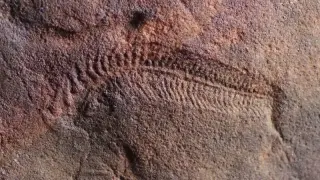
567-Million-Year-Old Fossils Reveal Oldest Animal Sex and Early Movement
science6 days ago

567-Million-Year-Old Fossils Reveal Oldest Animal Sex and Early Movement

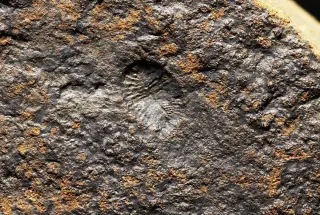
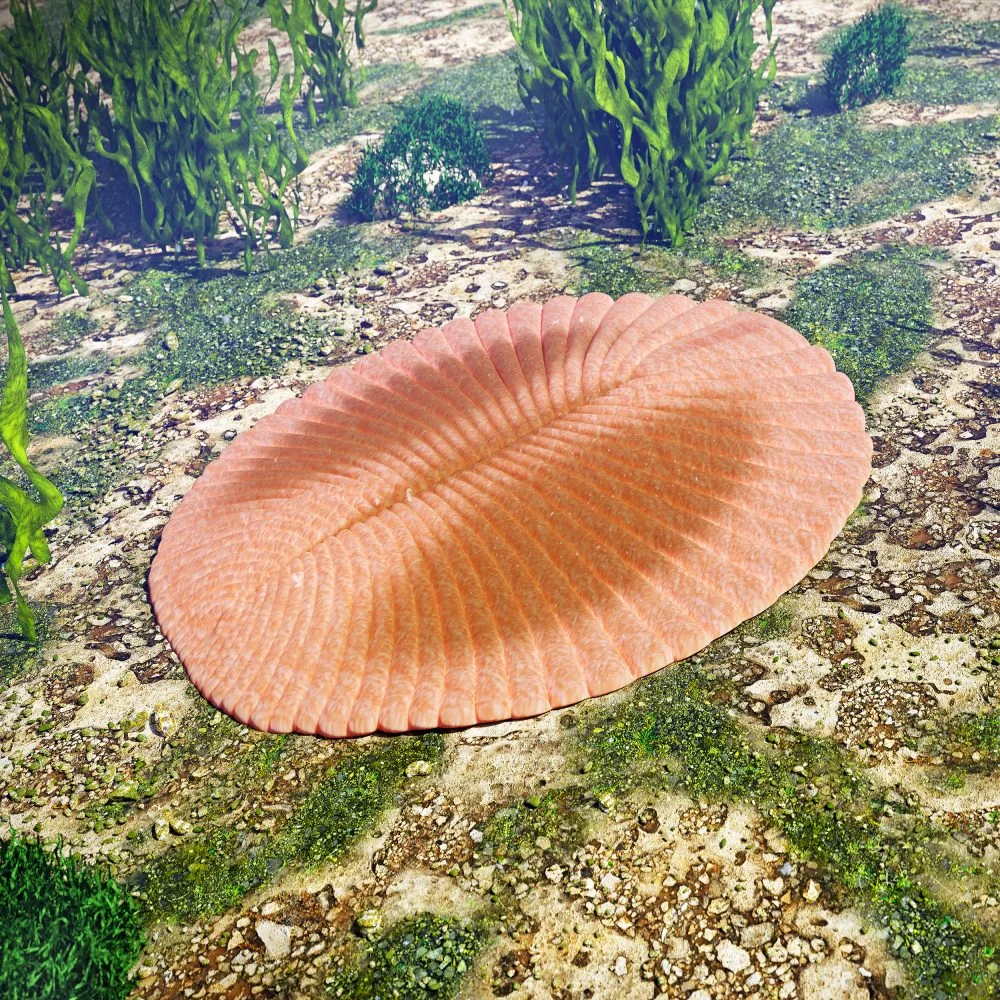
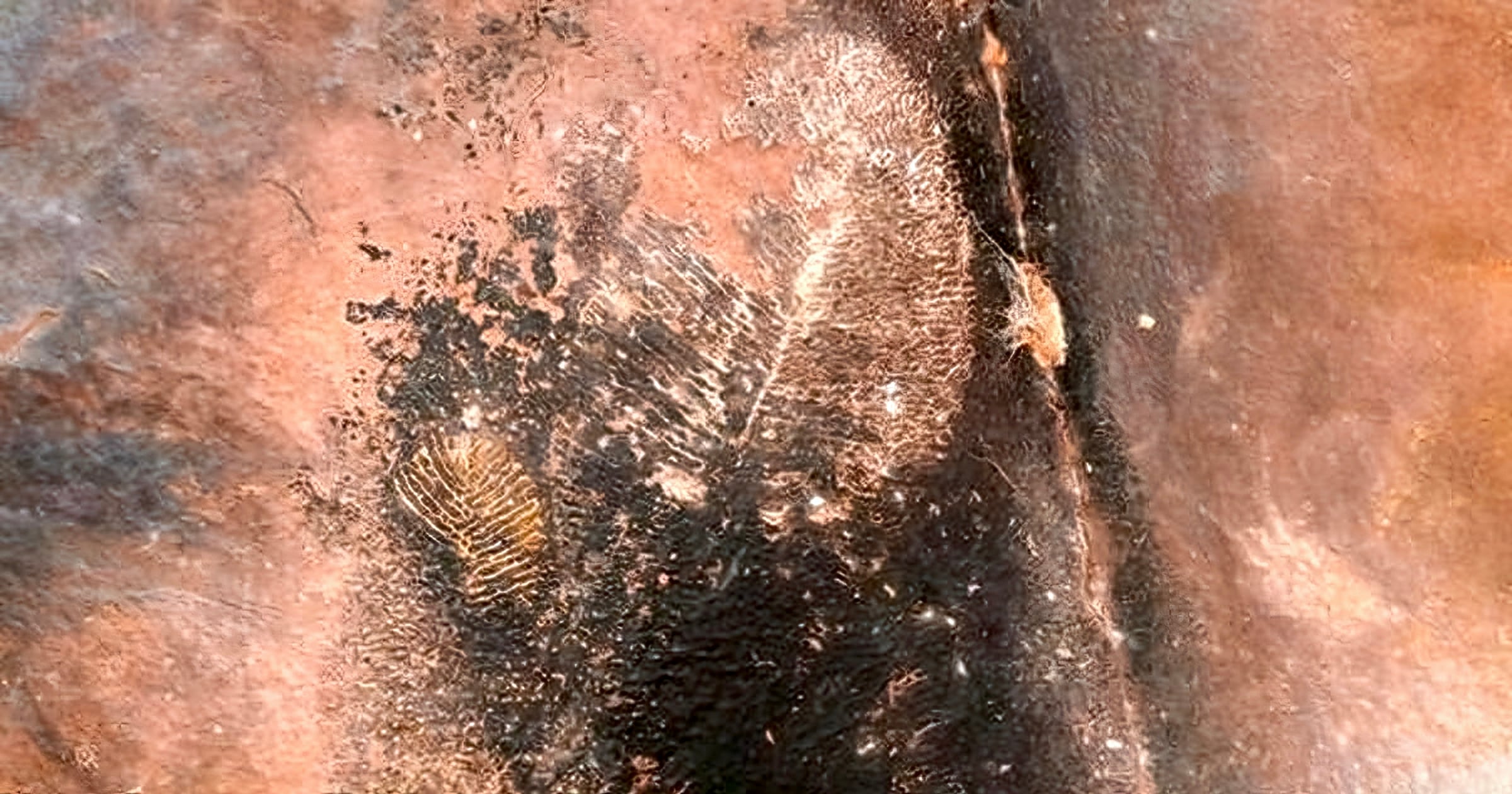
Scientists report the oldest fossil evidence of sexual reproduction and locomotion in animals, dating to about 567 million years ago in Canada’s Northwest Territories as part of the White Sea assemblage. The finds, including Dickinsonia and Funisia, push the origin of animal sex back by 5–10 million years and reveal long‑lived offshore Ediacaran ecosystems; researchers aim to discover more specimens (perhaps a new species) at the site.

Deep-Sea Origins Reframe Early Animal Evolution with New Canadian Fossils
science6 days ago

Deep-Sea Origins Reframe Early Animal Evolution with New Canadian Fossils

A Mackenzie Mountains fossil site in Canada has yielded 100+ Ediacaran specimens, including six taxa not previously found in North America, dating roughly 567–575 million years ago. Sediment analysis suggests these organisms lived in deeper water than previously thought, pushing the emergence of complex animal life back by five to ten million years and implying that deep-sea environments may have been the cradle of early multicellularity before life expanded into shallower seas. The finding complements other 2026 discoveries, such as deuterostome relatives from China, and signals a substantial revision of the traditional shallow-water origin narrative.

Canadian fossil cache suggests complex animals began earlier than we thought
science6 days ago

Canadian fossil cache suggests complex animals began earlier than we thought

A fossil-rich site in Canada’s Northwest Territories yields over 100 Ediacaran specimens, including Dickinsonia, Funisia, and Kimberella, with six taxa not previously found in North America. Some fossils date to about 567 million years ago, pushing back the White Sea assemblage by roughly 5–10 million years compared with finds in Europe, Asia and Australia. The discovery implies complex, mobile animals evolved in North America earlier than once believed and may indicate a deep-water origin that reshapes late-Ediacaran Earth history.

Ancient Chinese Fossils Push Back the Emergence of Complex Life
science13 days ago

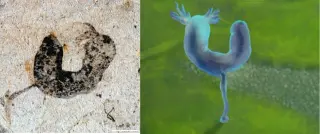
Ancient Chinese Fossils Push Back the Emergence of Complex Life

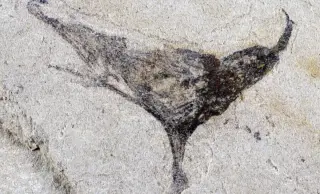
Fossils from the late Ediacaran Jiangchuan biota in eastern Yunnan reveal animal-precursors and Cambrian relatives, including a worm-like organism dubbed the 'bugle worm' and cambroernids, indicating that some complex animal lineages may have already existed before the Cambrian explosion and that the Ediacaran–Cambrian transition was a more gradual overlap than previously thought.

Ancient seas reveal a deadlier first mass extinction
science2 months ago

Ancient seas reveal a deadlier first mass extinction

Fossils from Inner Meadow, eastern Canada, dated to about 551 million years ago, indicate the Kotlin Crisis was far more severe and rapid than previously believed, with about 80% of known macroorganisms disappearing in a single pulse, as overlapping Avalon-type biotas suggest abrupt turnover possibly tied to declining ocean oxygen ahead of the Cambrian explosion.

Ancient Tunicate Fossil Unveils Soft Tissues and Intriguing Secrets
science2 years ago

Ancient Tunicate Fossil Unveils Soft Tissues and Intriguing Secrets

Scientists initially believed they had discovered Ediacaran fossils in the Bhimbetka Rock Shelters in India, which would have rewritten our understanding of the region's geological history. However, a recent study revealed that the supposed fossils were actually decayed beehives, debunking the initial identification. This retraction calls into question the age of the rocks and highlights the challenges of dating formations without known fossils. The incident also raises doubts about the reliability of radiometric dating methods and the interpretation of paleontological evidence for evolution.