Tag

Cancer Progression

All articles tagged with #cancer progression

GLP-1 Diabetes Drugs Hint at Slowing Cancer Spread, Early Observational Findings
health2 days ago

GLP-1 Diabetes Drugs Hint at Slowing Cancer Spread, Early Observational Findings

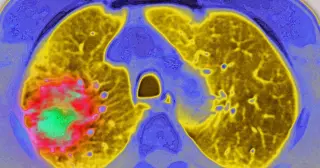
New findings from the Cleveland Clinic, presented at the ASCO meeting, suggest GLP-1 medications may be linked to reduced metastatic progression in several obesity-related cancers (notably non-small cell lung, breast, colorectal, and liver cancers) when compared with DPP-4 inhibitors. The study is observational and not peer‑reviewed, and it does not prove GLP-1s kill cancer cells or should be used for cancer prevention. Researchers caution that more rigorous, randomized trials are needed before changing cancer treatment guidelines.

Colon-on-a-chip uncovers stromal drivers, hormonal influences, and cancer risk in IBD
technology4 days ago

Colon-on-a-chip uncovers stromal drivers, hormonal influences, and cancer risk in IBD

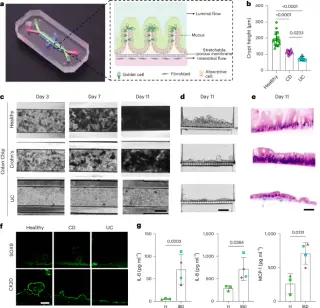
A colon-on-a-chip platform using patient-derived epithelium and fibroblasts reproduces healthy and IBD-like tissue, showing IBD fibroblasts drive barrier dysfunction, mucus changes, and inflammation. Peristalsis-like mechanical cues amplify fibrosis and inflammatory signaling in IBD chips, while female hormones exacerbate fibrosis and inflammation specifically in IBD tissues. Tissue-recombinant experiments confirm the stroma as the key driver of barrier breach and cytokine production. When exposed to the carcinogen ENU, IBD chips exhibit greater inflammation, loss of E-cadherin, nuclear β-catenin, and early cancer markers, along with copy-number changes, indicating heightened cancer-initiation risk. The model enables patient-specific studies and tests of stromal-focused therapies and sex-hormone effects on disease progression and cancer risk.

GLP-1 diabetes drugs linked to slower cancer progression in early study
health4 days ago

GLP-1 diabetes drugs linked to slower cancer progression in early study

An observational analysis of over 10,000 cancer patients who started GLP-1 drugs after diagnosis found slower progression in four of seven cancers, with the strongest effects in lung and breast cancer, compared with a matched group on DPP-4 inhibitors. The study is not peer‑reviewed and cannot prove causation; randomized trials are needed to confirm any anti‑cancer effects. Researchers discuss possible mechanisms, including tumor GLP-1 receptor interactions, interference with glycolysis, and immune modulation, and conclude GLP-1 drugs appear safe for patients with cancer using them for diabetes or obesity, though they are not a cancer therapy.

Tumor-Modulated Neutrophils Fuel Cancer Growth via CCL3
science3 months ago

Tumor-Modulated Neutrophils Fuel Cancer Growth via CCL3

University of Geneva researchers find that neutrophils recruited to tumors are reprogrammed to produce the chemokine CCL3, which promotes tumor growth. This shift helps explain why some cancers become more aggressive and points to CCL3 activity in neutrophils as a potential prognostic biomarker and therapeutic target. The team used genetic tools to selectively suppress CCL3 in neutrophils and reanalyzed multiple studies to confirm the link.