Tag

Inflammatory Bowel Disease

All articles tagged with #inflammatory bowel disease

Soybean Oil Under Scrutiny: Potential Gut Health Risks in High-Linoleic Diets
science4 days ago

Soybean Oil Under Scrutiny: Potential Gut Health Risks in High-Linoleic Diets

UC Riverside researchers in mice link high soybean oil intake to a disrupted gut microbiome, a leaky intestinal barrier, and greater colitis risk, driven by excess linoleic acid; olive oil may be safer due to lower linoleic acid content, but human implications remain unproven and caution about processed foods is advised.

Colon-on-a-chip uncovers stromal drivers, hormonal influences, and cancer risk in IBD
technology6 days ago

Colon-on-a-chip uncovers stromal drivers, hormonal influences, and cancer risk in IBD

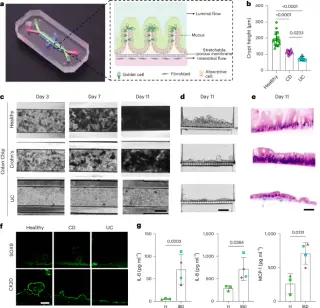
A colon-on-a-chip platform using patient-derived epithelium and fibroblasts reproduces healthy and IBD-like tissue, showing IBD fibroblasts drive barrier dysfunction, mucus changes, and inflammation. Peristalsis-like mechanical cues amplify fibrosis and inflammatory signaling in IBD chips, while female hormones exacerbate fibrosis and inflammation specifically in IBD tissues. Tissue-recombinant experiments confirm the stroma as the key driver of barrier breach and cytokine production. When exposed to the carcinogen ENU, IBD chips exhibit greater inflammation, loss of E-cadherin, nuclear β-catenin, and early cancer markers, along with copy-number changes, indicating heightened cancer-initiation risk. The model enables patient-specific studies and tests of stromal-focused therapies and sex-hormone effects on disease progression and cancer risk.

Licorice-Derived Glycyrrhizin Points to New IBD Therapy
science1 month ago

Licorice-Derived Glycyrrhizin Points to New IBD Therapy

Researchers used a lab-grown human intestinal model to screen about 3,500 compounds for treating inflammatory bowel disease (IBD). Glycyrrhizin, a compound from black licorice, emerged as a strong candidate, reducing intestinal cell death and inflammation in the model and showing similar protective effects in mice, indicating potential for clinical development pending further studies.

High-Dose Vitamin D May Help Immune Balance in IBD, Mayo Clinic Study Finds
health1 month ago

High-Dose Vitamin D May Help Immune Balance in IBD, Mayo Clinic Study Finds

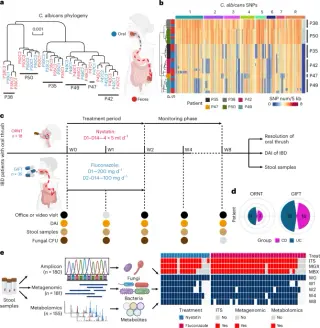
A Mayo Clinic-led study in Cell Reports Medicine followed 48 IBD patients with vitamin D deficiency who received weekly high-dose vitamin D (50,000 IU) for 12 weeks. Researchers found vitamin D may rebalance immune responses to gut bacteria, promoting immune tolerance and altering inflammatory signaling, with doses far exceeding typical supplements. While promising for IBD management, researchers caution against self-dosing and note more research is needed.

Early Screening Urged for High-Risk Groups Before Age 45
health2 months ago

Early Screening Urged for High-Risk Groups Before Age 45

Colorectal cancer is increasingly affecting adults under 50, prompting doctors to call for earlier screening in high-risk groups even before 45. Official guidance still starts average-risk screening at 45, but those with strong family history, hereditary syndromes (such as Lynch syndrome, FAP, MAP, Peutz–Jeghers, Juvenile Polyposis), or inflammatory bowel disease may need earlier and/or more frequent colonoscopies. Colonoscopy remains the gold standard for detection and prevention by removing precancerous polyps, while stool tests exist as alternatives but are not ideal for high-risk individuals. Red flags like rectal bleeding, persistent changes in bowel habits, abdominal pain, anemia, or unexplained weight loss warrant prompt evaluation regardless of age. Insurance coverage generally aligns with screening guidelines, though diagnostic testing prompted by symptoms can affect costs.

Sleep deprivation triggers brain–gut signals that damage gut stem cells
health3 months ago

Sleep deprivation triggers brain–gut signals that damage gut stem cells

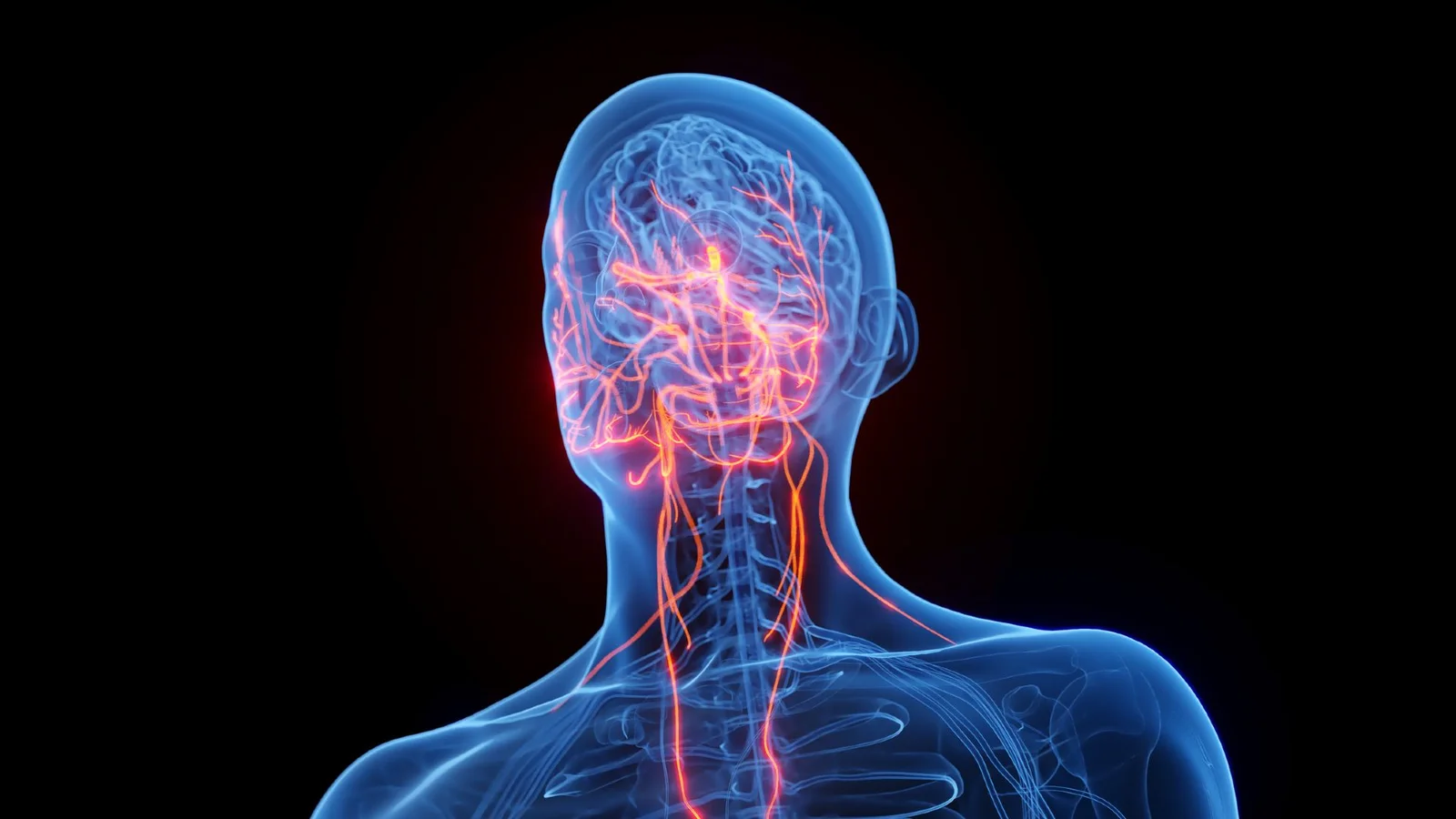
New research in Cell Stem Cell shows sleep deprivation in mice activates a brain-to-gut signaling cascade via the vagus nerve, triggering a surge of serotonin in the gut that damages intestinal stem cells and impairs the gut’s regenerative capacity. The study links insomnia to gut dysfunction and suggests acetylcholine from the vagus nerve drives serotonin release, highlighting potential therapeutic targets to protect gut health in sleep-disordered individuals.

Understanding the Fundamentals of Inflammatory Bowel Disease
health8 months ago

Understanding the Fundamentals of Inflammatory Bowel Disease

Inflammatory bowel disease (IBD), affecting up to 3.1 million adults in the U.S., is a chronic condition where the immune system attacks the intestines, causing inflammation and damage. Diagnosis involves medical history, physical exams, lab tests, and imaging like endoscopy or MRI. IBD differs from irritable bowel syndrome (IBS), which has similar symptoms but no underlying disease. Managing IBD requires a team approach to find effective medication and lifestyle strategies to prevent flare-ups and address related health issues.

Dietary Strategies to Combat Inflammation and IBD Symptoms
health1 year ago

Dietary Strategies to Combat Inflammation and IBD Symptoms

Researchers at the University of Massachusetts Amherst have found that consuming strawberries can significantly reduce inflammation and symptoms of inflammatory bowel disease (IBD), which affects over 300,000 people in Britain. The study, led by Professor Hang Xiao, suggests that incorporating whole strawberries into the diet could improve gut health by reversing harmful gut bacteria and reducing colonic inflammation. The findings highlight the potential of dietary interventions in managing IBD, which is typically treated with surgery and medication.

Scientists Discover Major Cause and Potential Treatment for Crohn's Disease
health2 years ago

Scientists Discover Major Cause and Potential Treatment for Crohn's Disease

Scientists at the Francis Crick Institute and University College London have discovered a "gene desert" in DNA linked to Inflammatory Bowel Disease (IBD), including Crohn's Disease. This genetic weak spot in white blood cells, which release inflammation-causing cytokines, appears in 95% of IBD patients. The discovery could lead to new treatments, including the use of existing MEK inhibitor drugs to reduce inflammation, potentially improving the lives of millions affected by IBD.

Breakthrough Discovery Uncovers Cause and Potential Cure for Inflammatory Bowel Disease
health2 years ago

Breakthrough Discovery Uncovers Cause and Potential Cure for Inflammatory Bowel Disease

Scientists from University College London and the Francis Crick Institute have identified a genetic pathway that significantly contributes to inflammatory bowel disease (IBD), including Crohn's disease. By exploring a "gene desert," they discovered an enhancer that activates inflammation-related genes in macrophages. This breakthrough could lead to more effective treatments using existing drugs that target this pathway, offering new hope for IBD patients. The findings were published in Nature.