Living cells emit faint light known as biophotons, a phenomenon recently highlighted by viral images of glowing mice. While long dismissed as pseudoscience, researchers now explore these emissions as potential markers for disease, stress, and cellular communication, though clinical applications remain debated.
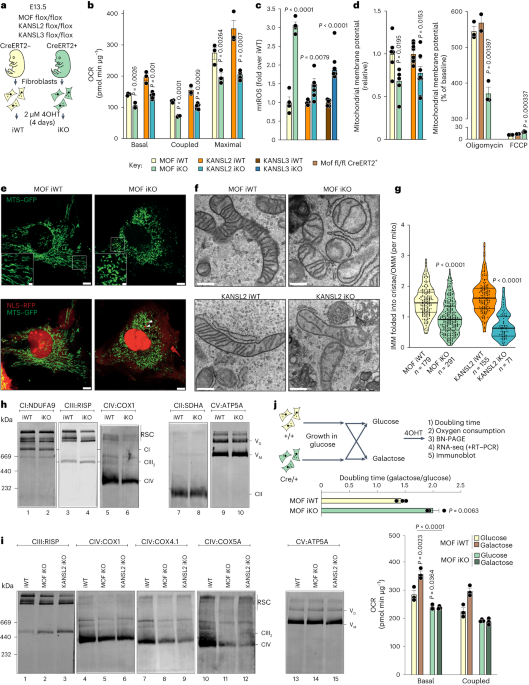
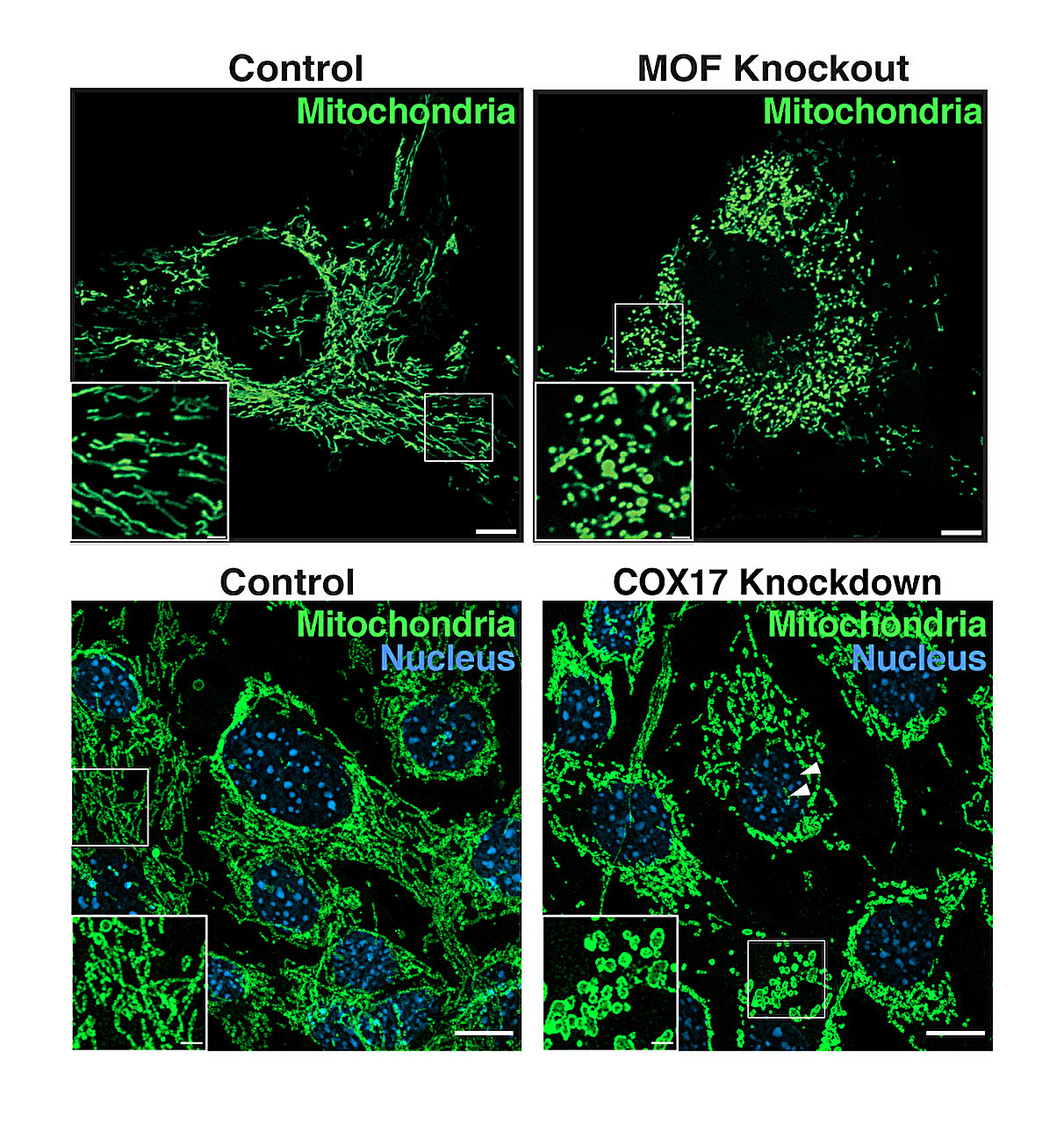
The MOF-KANSL complex, which plays a role in transcriptional regulation, has been found to be crucial for maintaining mitochondrial integrity and function. Loss of MOF or KANSL complex members in primary cells resulted in altered mitochondrial respiration, increased mitochondrial reactive oxygen species (mtROS), reduced mitochondrial membrane potential, fragmented mitochondrial morphology, and decreased cristae density. The MOF-KANSL complex was also found to be important for the assembly and stability of respiratory supercomplexes. Furthermore, the study identified COX17 as an acetylation target of MOF, and acetylation of COX17 was shown to promote mitochondrial respiration. These findings provide insights into the molecular mechanisms underlying mitochondrial dysfunction and highlight the importance of protein acetylation in maintaining mitochondrial health.
A study conducted by researchers from the Max Planck Institute of Immunobiology and Epigenetics reveals the critical role of the epigenetic regulator MOF in maintaining mitochondrial integrity and function. The study uncovers the impact of MOF on protein acetylation of mitochondrial proteins, shedding light on how cells fine-tune their metabolic output. The findings have implications for understanding mitochondrial biology and potential therapeutic interventions for developmental disorders associated with mitochondrial dysfunction.
New high-resolution images obtained through cryo-electron microscopy have provided insights into the assembly of the large subunit of human ribosomes, shedding light on the formation of one of nature's most fundamental molecules. The study, which identified key steps and intermediates in the assembly process, could have implications for understanding cellular metabolism and diseases associated with ribosome mutations. The findings represent a significant advancement in our understanding of ribosome assembly and provide a foundation for further research in this field.
A new study published in Molecular Systems Biology has found that the human nucleus is metabolically active and can protect itself by appropriating mitochondrial machinery to carry out urgent repairs that threaten the genome's integrity. The findings represent a paradigm shift in cellular biology and can guide future lines of cancer research by offering new clues to overcome drug resistance and eventually the design of new treatments.