Tag

Cosmic Radiation

All articles tagged with #cosmic radiation

Cosmic Rays at Sky-High Altitudes Elevate Cancer Risk for Flight Crew
health8 days ago

Cosmic Rays at Sky-High Altitudes Elevate Cancer Risk for Flight Crew

A JAMA Internal Medicine study analyzing death certificates of 12.7 million people (2020–2024) across 503 occupations finds aircrew—flight attendants and pilots—have the highest share of radiation-related cancers, likely due to cosmic radiation exposure at altitude. Flight attendants were about 50% more likely and pilots about 36% more likely to die from radiation-related cancers than other workers. Ground-based roles like nuclear technologists had lower radiation-related risk. The study underscores a need for better monitoring and protections for aircrew, noting US policy currently has no federal dose limits or routine monitoring for aircrew radiation exposure.

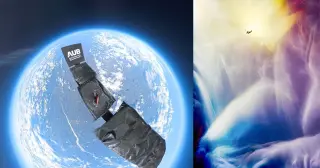
Cosmic Rays Paint on Film: Balloon-Borne Space Art Experiment
science1 month ago

Cosmic Rays Paint on Film: Balloon-Borne Space Art Experiment

A photography student from Arts University Bournemouth launched sealed film on a high-altitude balloon to the edge of space to capture cosmic radiation directly on the film emulsion, creating abstract celestial images without a camera; the negatives were recovered in Connecticut after the 100,000+ foot ascent, and the HELIOS project aims to push for larger formats and deeper space shots.

Analog Film Captures Cosmic Radiation on a Stratospheric Balloon Flight
space3 months ago

Analog Film Captures Cosmic Radiation on a Stratospheric Balloon Flight

Photography student Tom Liggett sent a 5×4 color negative sealed in a dark bag to about 121,000 feet to expose it directly to cosmic radiation, creating an abstract image from UV-C rays, muons, and distant cosmic particles; a tree punctured the bag causing a yellow bloom; the payload landed in Connecticut and was recovered with landowner permission; Liggett says the result is a more accurate representation of space than a conventional photograph.

Race to Titan: Nuclear-Heat Propulsion Could Reach Saturn’s Moon in 220 Days
space3 months ago

Race to Titan: Nuclear-Heat Propulsion Could Reach Saturn’s Moon in 220 Days

Engineers compared nuclear propulsion options for a crewed Titan mission; a uranium-fueled nuclear-thermal design called Copernicus could reach Titan in about 220 days, with additional propellant tanks shrinking transit to 90 days but adding mass and cost. The full mission could last ~1,000 days, far exceeding any human in deep space so far, with exposure to galactic cosmic rays and bone/muscle deterioration that current shielding cannot fully mitigate. NASA’s Dragonfly robotic mission, launching in 2034, will gather data to test assumptions before any crewed mission.

Earth’s magnetosphere casts a radiation shadow near the Moon, study finds
science5 months ago

Earth’s magnetosphere casts a radiation shadow near the Moon, study finds

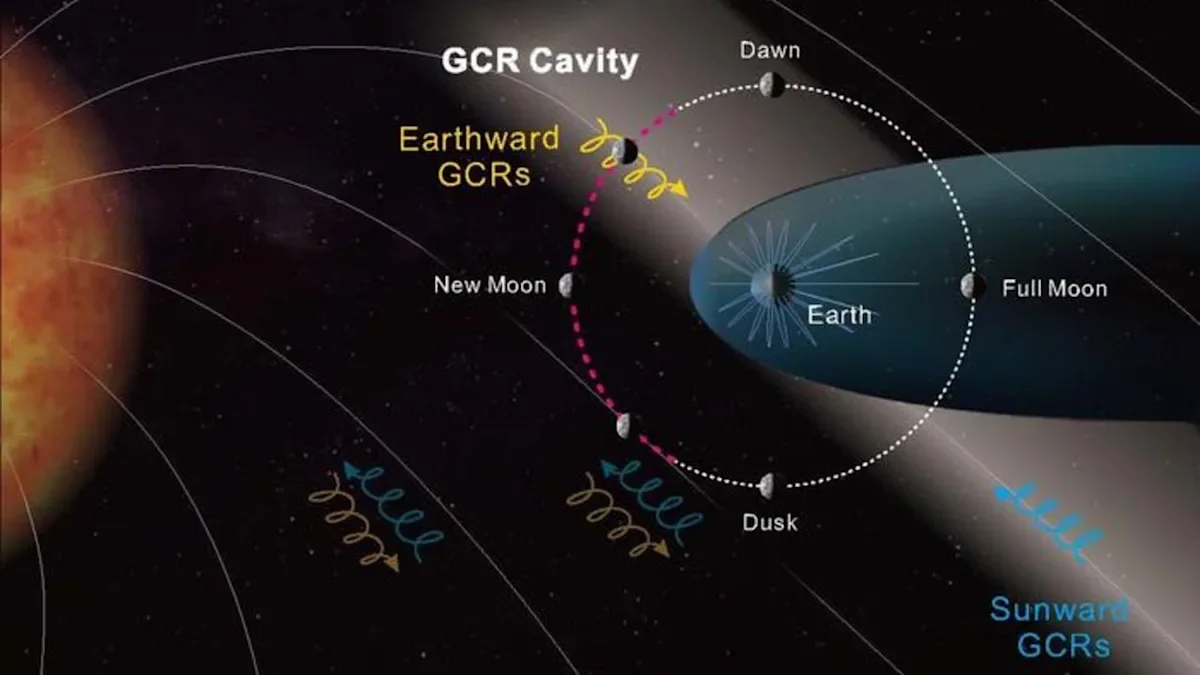
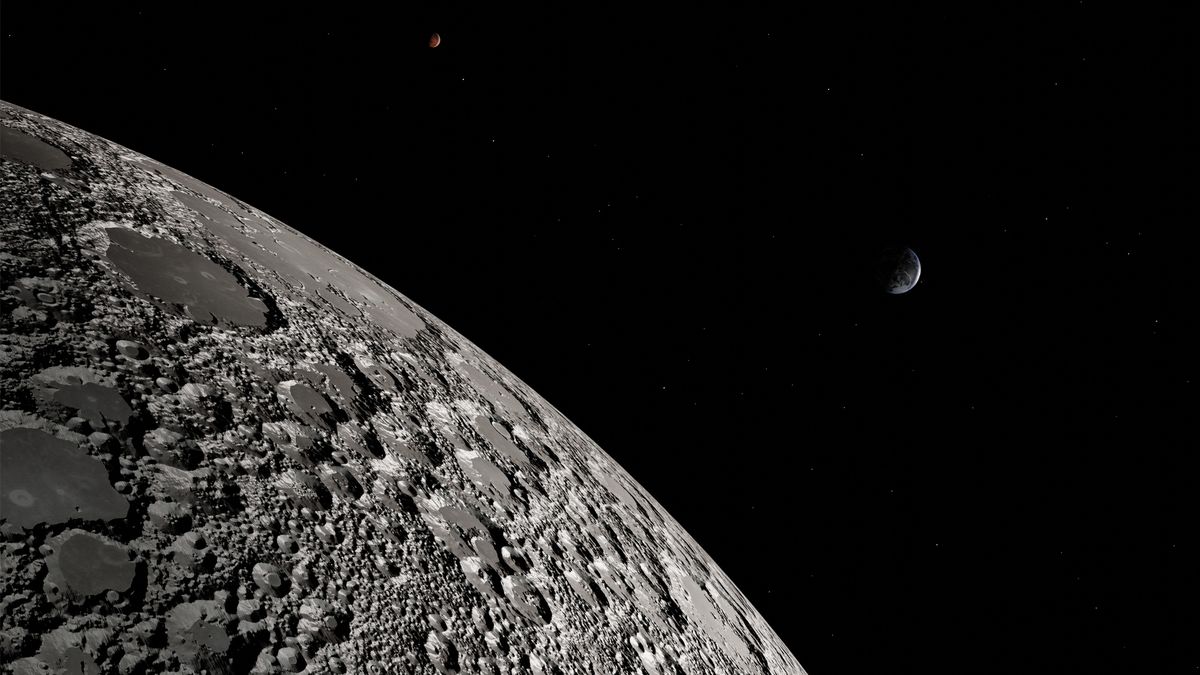
Scientists analyzing data from China’s Chang’e-4 lunar lander detected a localized ~20% dip in galactic cosmic rays during the Moon’s local morning, forming a radiation 'cavity' near the Moon likely carved by Earth's magnetic field. The result suggests Earth’s magnetosphere can influence space radiation beyond its immediate boundary and could help planners time surface activities to lower astronauts’ radiation exposure on future lunar missions.

Alien Visitor From Beyond the Solar System Might Have Cooled Earth
science1 year ago

Alien Visitor From Beyond the Solar System Might Have Cooled Earth

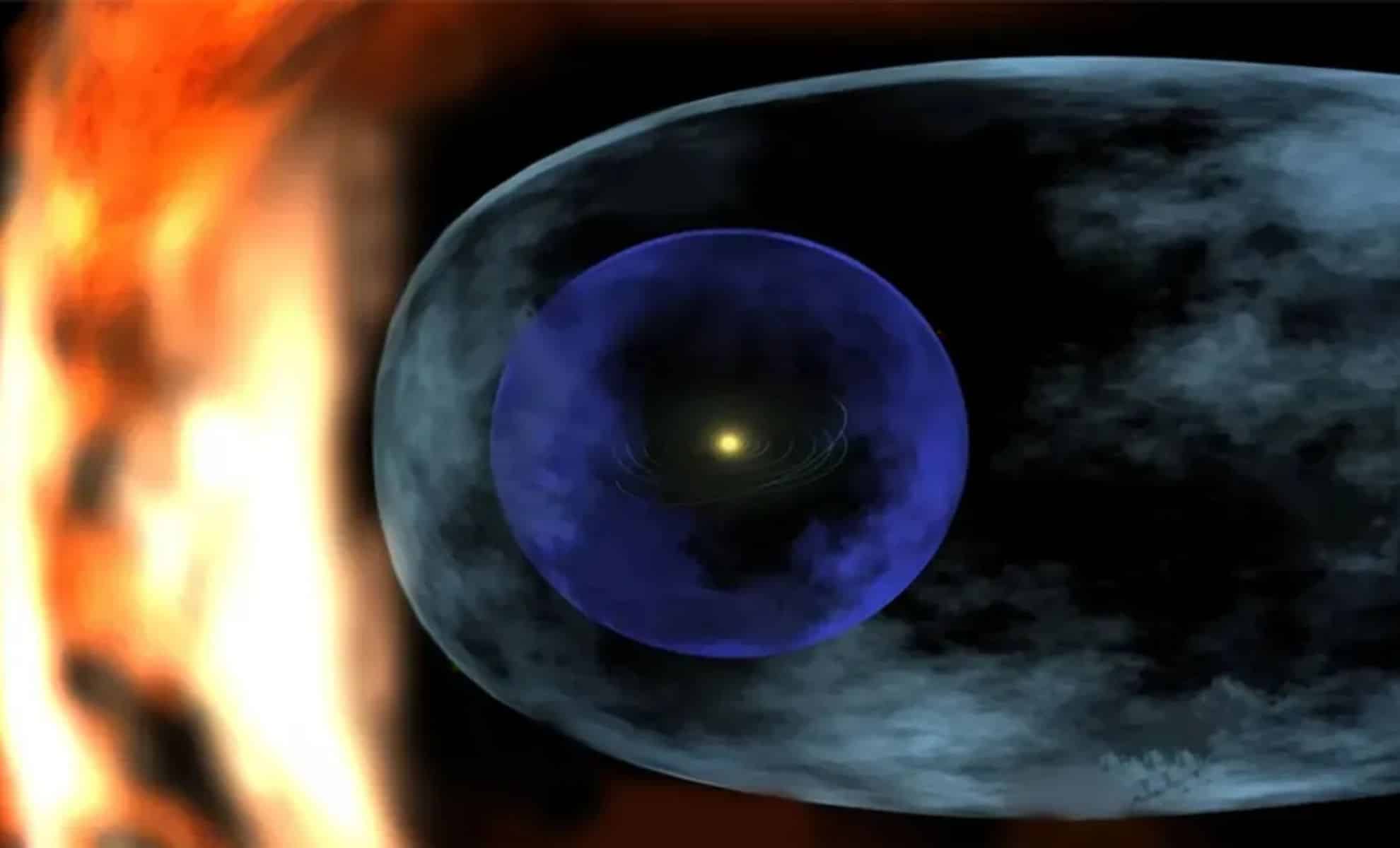
A 2024 study suggests that millions of years ago, the solar system's passage through a dense interstellar cloud compressed the heliosphere, exposing Earth to cosmic particles, which may have caused climate cooling and influenced human evolution. Future encounters with similar clouds are possible, highlighting the importance of space research.

The Science of Space Decomposition: What Happens to a Body?
science1 year ago

The Science of Space Decomposition: What Happens to a Body?

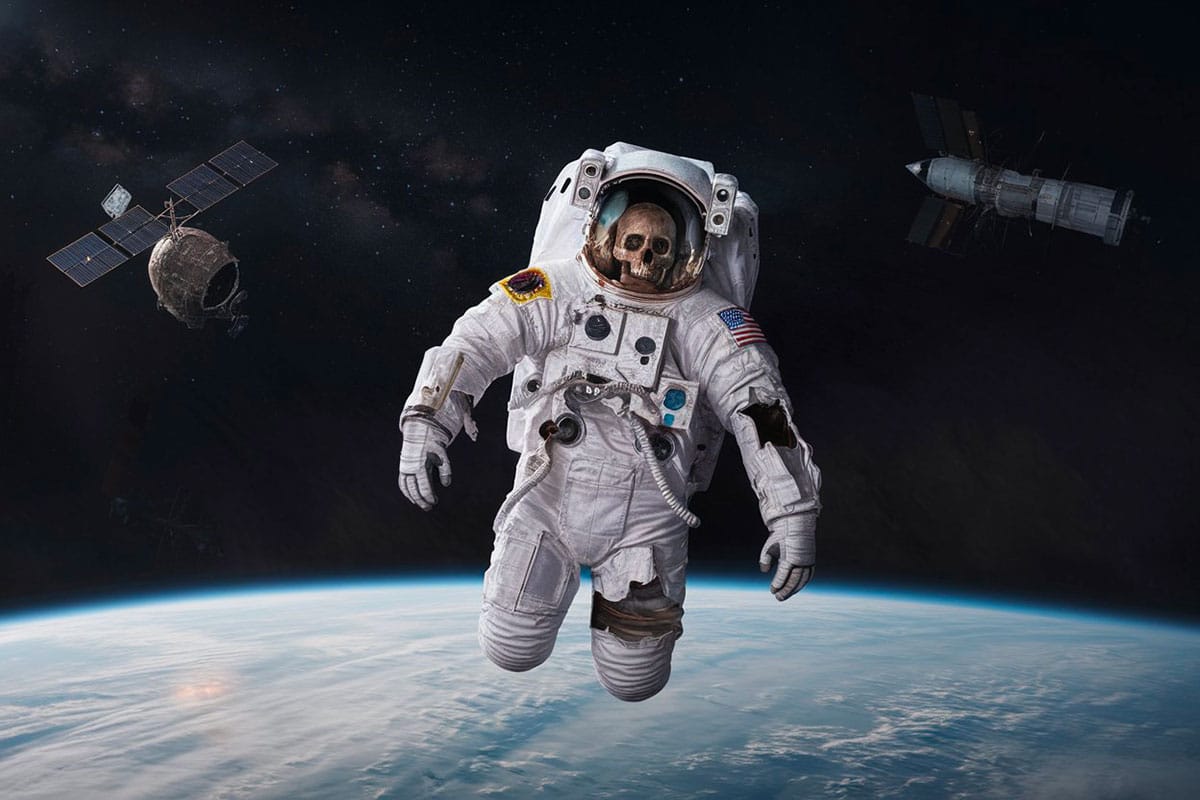
Decomposition in space differs significantly from Earth due to the absence of oxygen, extreme temperatures, and cosmic radiation, which slow down the process and can preserve bodies for extended periods. Bacterial activity is limited without oxygen, and the vacuum of space alters cellular processes. The location in space, such as low Earth orbit versus deep space, affects decomposition rates due to varying environmental conditions. Understanding these processes is crucial for managing space debris and addressing ethical considerations for human remains in space exploration.

"Threat of a Nearby Kilonova Explosion: Earth's Life at Risk"
astronomy2 years ago

"Threat of a Nearby Kilonova Explosion: Earth's Life at Risk"

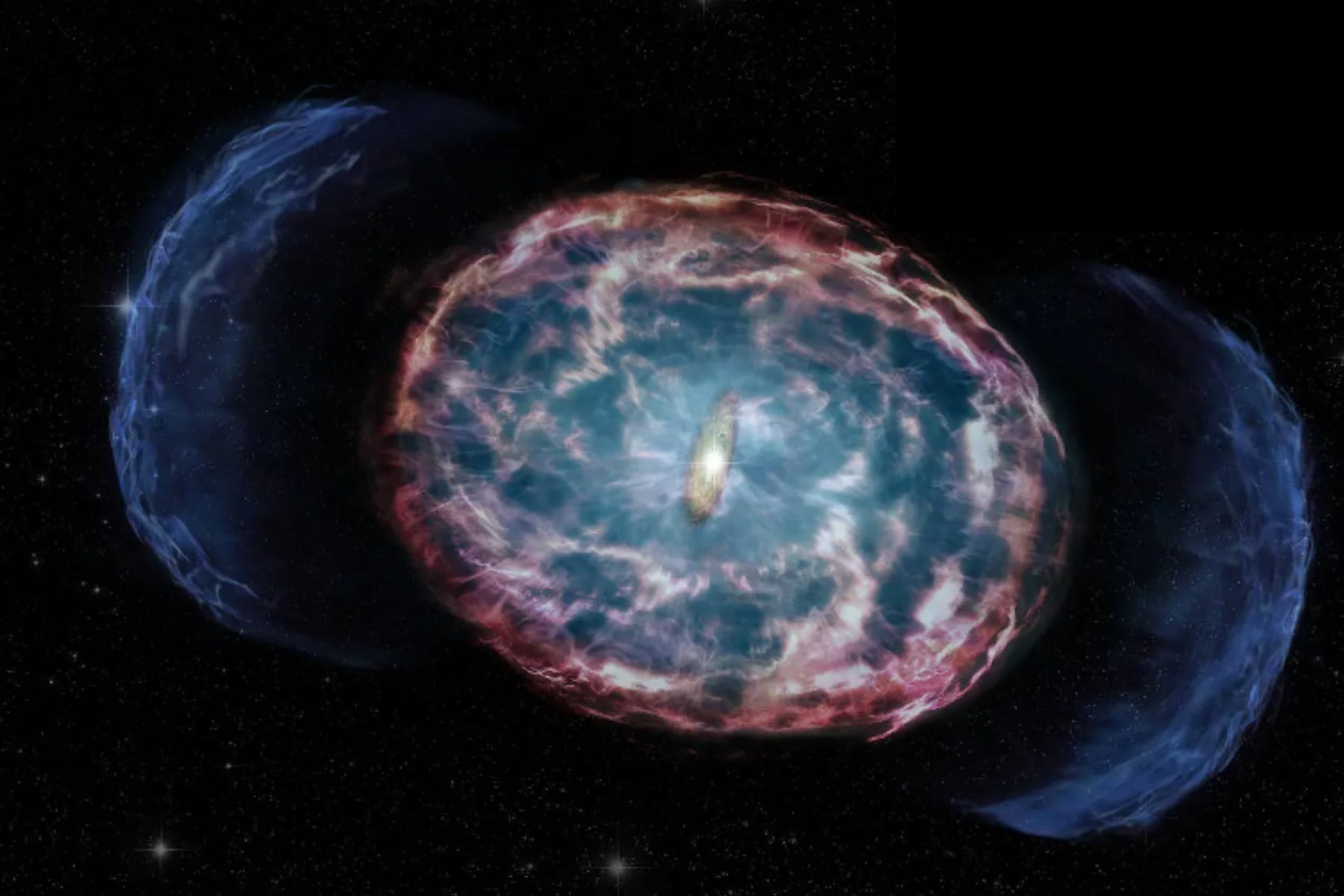
Scientists have calculated that being too close to a kilonova, a massive explosion resulting from the collision of two neutron stars, could be catastrophic for a planet like Earth due to the release of high-energy electromagnetic radiation and cosmic rays. The study, published in The Astrophysical Journal, suggests that Earth would have to be within 3 light-years of a kilonova to be affected by X-ray afterglow and within 13 light-years for gamma rays to have a catastrophic impact. However, the likelihood of a kilonova occurring within these distances from Earth is very low, and the authors conclude that such events are probably not significant threats to life on Earth.

China Unveils World's Deepest Dark Matter Lab
science2 years ago

China Unveils World's Deepest Dark Matter Lab

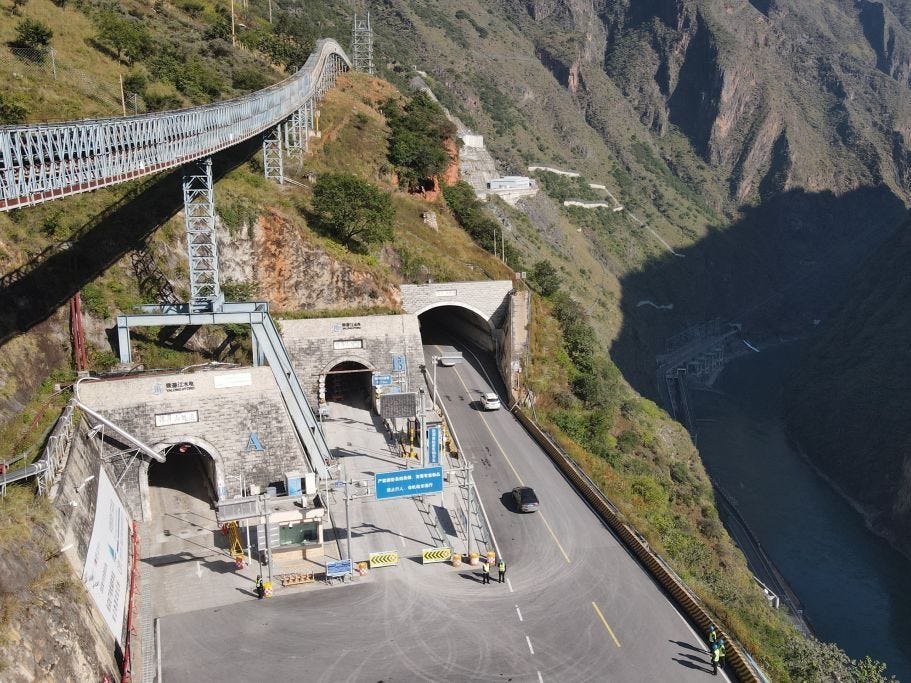
China has opened the world's deepest and largest underground laboratory, the China Jinping Underground Laboratory-II, at 7,800 feet below a mountain in Sichuan Province to study dark matter. The facility aims to shield experiments from cosmic radiation and features an expanded space for experimental equipment, including the Particle and Astrophysical Xenon Experiments (PandaX) and the China Dark Matter Experiment. The laboratory's depth and shielding are expected to provide better sensitivity for detecting dark matter, although it remains to be seen whether this will yield significant breakthroughs in the field of dark matter physics.

The Peculiar Effects of Space Travel on the Human Body
science-and-technology2 years ago

The Peculiar Effects of Space Travel on the Human Body

As humans prepare to venture deeper into space, scientists are grappling with the health challenges posed by living in space or on other planets for long periods of time. Low gravity in space leads to muscle and bone loss, as well as changes in the heart and eyes. Exposure to cosmic radiation without Earth's magnetic field protection can increase the risk of cardiovascular disease. Isolation, homesickness, and interpersonal drama during long missions can have psychological impacts on astronauts. Despite these challenges, there is no shortage of candidates willing to sign up for deep-space exploration missions. The feasibility and safety of sex in space are also being studied, considering the potential effects of hormonal changes, gravitational challenges, and cosmic radiation on reproduction and crew dynamics.