Researchers studying sea anemones (cnidarians) show they use bilaterian-like bone morphogenetic protein (BMP) shuttling to set body axes, suggesting this developmental mechanism predates the cnidarian–bilaterian split 600–700 million years ago and may reflect an ancient shared blueprint for animal body plans.
Researchers found that sea anemones (Cnidarians) use a bilaterian-like BMP shuttling mechanism to shape their bodies, suggesting that the developmental blueprint for bilateral animals predates the cnidarian-bilaterian split by hundreds of millions of years.
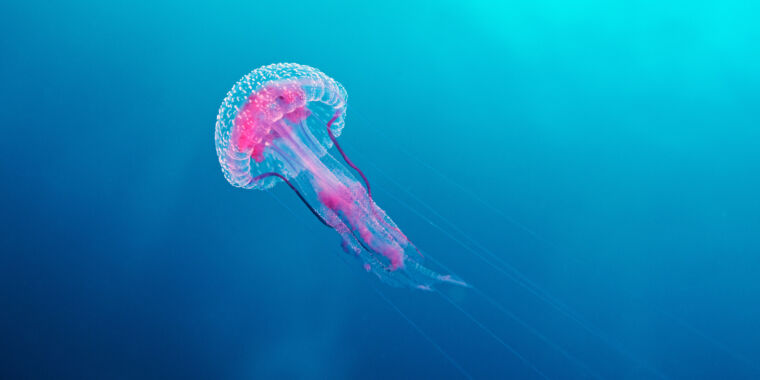
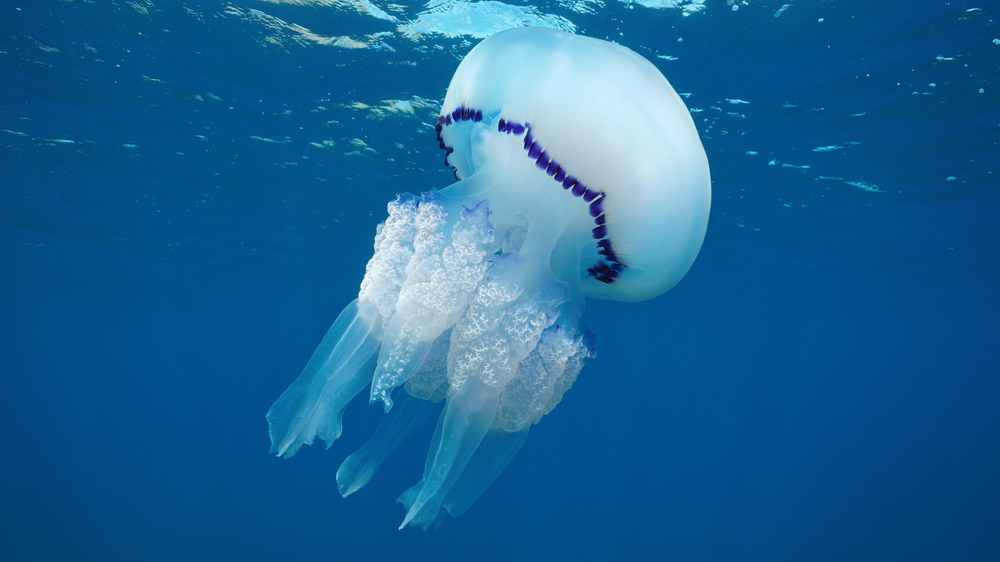
Researchers from the University of Tokyo and Tohoku University have discovered how jellyfish regenerate their tentacles, a process that involves the formation of a blastema, similar to that in amphibians and other regenerating animals. The blastema is formed by proliferative cells that appear at the injury site and work in conjunction with localized stem cells to regrow the tentacle. This process in jellyfish, which are cnidarians with radial body symmetry, is surprisingly similar to that of bilaterian animals, which have bilateral symmetry. Understanding jellyfish regeneration could potentially inform future regenerative treatments in humans, although such applications are currently speculative.
Scientists have discovered that cellular senescence, a process associated with aging, plays a crucial role in driving full-body regeneration in cnidarians, such as jellyfish and hydras. The study found that senescent cells in amputated heads of hydractinia triggered a cascade of signals that led to the dedifferentiation of somatic cells into secondary i-cells, enabling regeneration. This suggests that cellular senescence may be an ancient mechanism for initiating regeneration, which has been lost in more complex animals. While this research does not provide immediate solutions for human limb regeneration, it expands our understanding of cellular senescence and its potential applications in enhancing regeneration in mammals.