Tag

Cellular Senescence

All articles tagged with #cellular senescence

Aging erodes microglial chromatin, unleashing retroelements to fuel inflammation and senescence
neuroscience8 days ago

Aging erodes microglial chromatin, unleashing retroelements to fuel inflammation and senescence

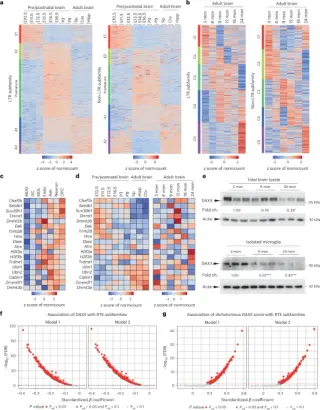
Aging reduces chromatin compaction and downregulates the histone chaperone DAXX in microglia, enabling derepression of endogenous retroelements and shifting microglia from a homeostatic to a reactive, inflammatory state. Loss of DAXX drives chromatin decompaction at LTR-RTEs, loss of homeostatic markers, cell-cycle re-entry and DNA damage, followed by microglial depletion and replacement by DAXX-deficient, ApoE-high microglia exhibiting senescence features. Sustained senescence relies on PML and interferon targets, underscoring chromatin maintenance as key to microglial identity, brain homeostasis and aging-related behavioral changes.

Multi-omic Regulation of Cellular Senescence
science26 days ago

Multi-omic Regulation of Cellular Senescence

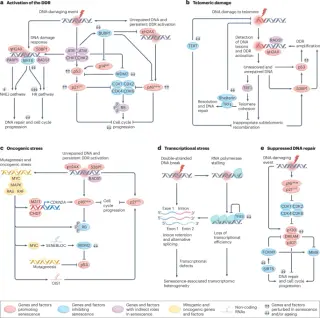
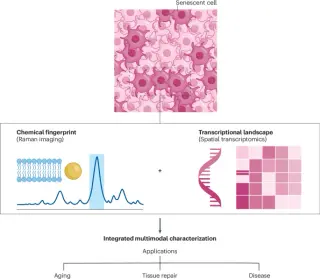
Nature Reviews Genetics surveys how genomic, epigenomic and transcriptomic programs coordinate the induction, maintenance and heterogeneity of cellular senescence, highlighting the DNA damage response and non-genotoxic stress, epigenetic remodeling and SASP-driven intercellular signaling, while calling for next-generation biomarkers and single‑cell multi-omics approaches to accurately identify and target senescent cells.

APOE2 Lets Neurons Fight DNA Damage, Slowing Brain Aging
science3 months ago

APOE2 Lets Neurons Fight DNA Damage, Slowing Brain Aging

Buck Institute researchers show that APOE2 helps neurons repair DNA and resist aging by reducing DNA damage and cellular senescence; studies in human iPSC-derived neurons and aged mice reveal APOE2–driven DNA repair activation and better nuclear integrity, offering a potential mechanism for APOE2's lower Alzheimer’s risk and longer lifespan and suggesting therapies that boost DNA repair for APOE4 carriers.

Valproic Acid Triggers Embryonic Cell Senescence, Explaining Birth Defects and Autism Risk
science4 months ago

Valproic Acid Triggers Embryonic Cell Senescence, Explaining Birth Defects and Autism Risk

Researchers using mice and human organoids show valproic acid (VPA) can force developing neuroepithelial cells to enter senescence via the p19Arf pathway, shrinking the neural progenitor pool and causing defects such as microcephaly and neural tube problems; removing p19Arf in mice reduces some VPA-related effects, including autism-linked gene changes, but other abnormalities persist, indicating multiple developmental pathways are disrupted and highlighting a potential link between misregulated senescence and birth defects and autism risk.

New Progeroid Neuropathy Reveals Actin Scaffolding Failure in Aging Brain
science5 months ago

New Progeroid Neuropathy Reveals Actin Scaffolding Failure in Aging Brain

Researchers identify a homozygous IVNS1ABP mutation that creates a progeroid syndrome with severe neurological decline. By reprogramming patient cells into iPSCs and neural progenitors, they show the mutation disrupts actin dynamics during cell division, causing DNA damage and cellular senescence; in lab models, actin-stabilizing compounds partly fix division defects and improve cell growth, pointing to a potential drug target for this rare disease.

Common Antibody's Potential Role in Aging Uncovered by Chinese Scientists
science1 year ago

Common Antibody's Potential Role in Aging Uncovered by Chinese Scientists

A study led by Chinese scientists has discovered that Immunoglobulin G (IgG), the most common antibody in humans, may significantly influence the ageing process. While IgG is essential for immune defense, its excessive accumulation can lead to cellular senescence and chronic inflammation, accelerating tissue ageing. The research, involving multiple institutions, highlights the dual role of IgG in immune protection and ageing, and was published in the journal Cell.

Unveiling the Link Between Cellular Damage and Aging
health-and-science2 years ago

Unveiling the Link Between Cellular Damage and Aging

A recent study has revealed that cell membrane damage can lead to cellular senescence, a state associated with aging and disease, adding a third possible outcome to the previously understood consequences of cell damage. This discovery opens new paths for promoting healthy aging by understanding and manipulating the underlying mechanisms of cellular senescence, shedding light on the impact of moderate membrane damage on cell fate and potential strategies for achieving healthy longevity in the future.

"Mechanical Damage to Cell Membranes: Unveiling the Secrets of Cellular Aging"
health2 years ago

"Mechanical Damage to Cell Membranes: Unveiling the Secrets of Cellular Aging"

A new study has found that damage to cell membranes can lead to cellular senescence, a state in which cells stop dividing and start producing various secretory proteins that can have both beneficial and detrimental effects on the body. The extent of the damage and subsequent calcium ion influx determine the fate of the cell, with moderate damage leading to cellular senescence. This discovery may contribute to developing strategies for healthy longevity in the future.

"Senolytic CAR T Cells: Unlocking the Fountain of Youth for Age-Related Metabolic Dysfunction"
health-and-medicine2 years ago

"Senolytic CAR T Cells: Unlocking the Fountain of Youth for Age-Related Metabolic Dysfunction"

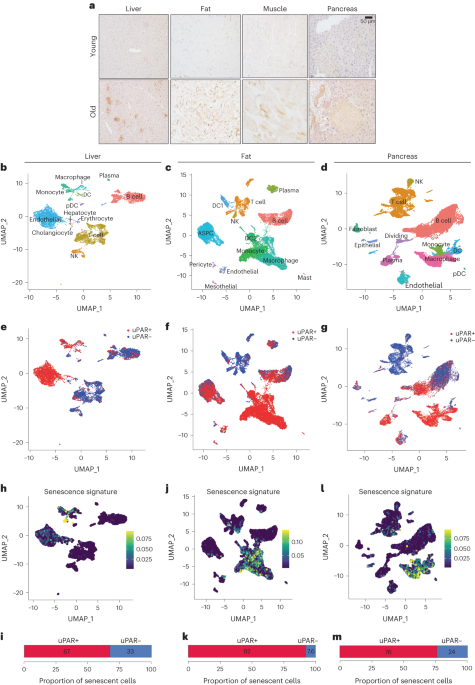
Researchers have developed senolytic CAR T cells targeting the cell-surface protein uPAR, which is upregulated on senescent cells in aged tissues. These CAR T cells were found to effectively eliminate senescent cells in aged mice, leading to a reduction in pro-inflammatory cytokines and improved metabolic function. The treatment was well tolerated and resulted in improved glucose tolerance and exercise capacity in the aged mice. The study suggests that senolytic CAR T cells have the potential to address age-related metabolic dysfunction and improve healthspan.

"Unraveling the Dual Mechanisms of Aging: Drivers vs. Passengers"
science2 years ago

"Unraveling the Dual Mechanisms of Aging: Drivers vs. Passengers"

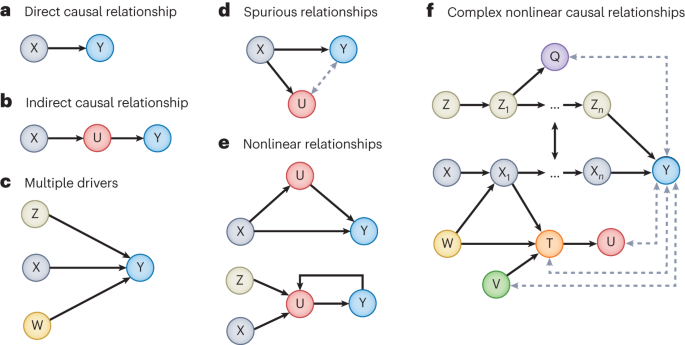
Researchers are exploring the distinction between driver and passenger mechanisms of aging, examining factors such as DNA damage, telomeres, and cellular senescence. Studies have delved into the role of oxidative damage, mitochondrial function, and somatic mutations in the aging process, while also investigating the impact of telomere length and cellular senescence on lifespan. The identification of p16Ink4a-positive cells and the vulnerability of somatic progenitor cells to mitochondrial DNA mutagenesis have also been highlighted as potential contributors to aging.

Chinese Scientists Make Groundbreaking Progress in Reversing Ageing with Hydrogen Therapy
science2 years ago

Chinese Scientists Make Groundbreaking Progress in Reversing Ageing with Hydrogen Therapy

Chinese scientists have developed a nanotechnology-based approach to deliver hydrogen, which has the potential to reverse the effects of aging and diseases like Alzheimer's. The study conducted by Shanghai Jiao Tong University highlights the role of hydrogen in combating cellular senescence, a process associated with aging and certain diseases.

"New Research Reveals the Ultimate Anti-Aging Exercise for Maximum Benefits"
health-and-wellness2 years ago

"New Research Reveals the Ultimate Anti-Aging Exercise for Maximum Benefits"

A new study suggests that exercise, particularly endurance exercise, may slow down the aging process by maintaining telomere length and preventing cellular senescence. Telomeres act as protective caps at the ends of chromosomes, and as we age, they tend to shorten, leading to cellular senescence and accelerated aging. Regular endurance exercise, such as brisk walks or other activities that elevate and sustain heart rate, for at least 30 minutes, three to five times a week, may help maintain telomere length and reduce the risk of cardiovascular disease and cancer. Additionally, incorporating strength training, managing stress, getting quality sleep, and following a healthy diet can further maximize the anti-aging benefits of exercise.