The Splatoon Raiders development team abandoned an early colonial island setting after feedback that made players feel they were attacking Salmonids, redesigning the world to be eerier and more unfamiliar and adjusting Salmonid visuals and lighting ahead of the July 23 release.
Crux Now interviews Sister Leonida Katunge about Pope Leo XIV’s Magnifica Humanitas: apologies for the Church’s historic silence are not enough; structural repentance—theology, economic justice, institutional reform, and pastoral action—must accompany the papal acknowledgment to combat modern trafficking linked to colonial and neo‑colonial dynamics in Africa. Katunge outlines an “Army against Human Trafficking in Africa,” describes the victim profile and networks, and urges governments, corporations, faith communities, and Western consumers to demand accountability, invest in youth opportunity, protect survivors, and treat trafficking as a national security and human‑dignity issue rather than solely an immigration concern.
France's National Assembly unanimously repealed the 1685 Code Noir, which treated enslaved people as property, in a rare bipartisanship move that ends a legal remnant of slavery; Macron said reparations should be considered but warned against false promises, and the debate underscored enduring inequalities in France's overseas territories tied to its colonial past.
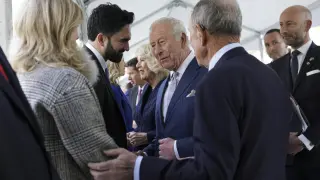
New York City Mayor Zohran Mamdani urged King Charles III to return the 105.6-carat Koh-i-Noor diamond, mined in India and long-contested, which is now part of Britain's Crown Jewels in the Tower of London; the diamond’s ownership history spans multiple empires and nations, and while India has pressed for its return, it was not clear if Mamdani raised the issue during the king’s state visit.
An opinion piece argues that civilization rests on secure property titles and private land ownership, and that apologies for past wrongs or Indigenous land claims cannot replace a stable, enforceable title system.
MPs, experts, and campaigners are pressing King Charles to issue a formal crown apology for transatlantic slavery, arguing that symbolic sorrow isn’t enough and urging reparative action in light of a new book detailing royal involvement and with pressure mounting ahead of Commonwealth discussions.
France24 frames Trump’s expansionist rhetoric as a break with postwar norms, reviving imperial-era ambitions from Greenland to the Western Hemisphere and reframing the Monroe Doctrine as a muscular Donroe Doctrine. The piece cites moves on Diego Garcia, the Panama Canal, and Venezuela as part of a broader effort to claim resources and project power, warns historians of a return to colonial-style land grabs, and notes domestic support is tepid amid international pushback.
Carrie Gibson's book 'The Great Resistance' explores the 400-year fight to end slavery in the Americas, highlighting lesser-known stories of enslaved people's resistance, the brutal realities of the transatlantic slave trade, and the lasting legacies of slavery in society today.
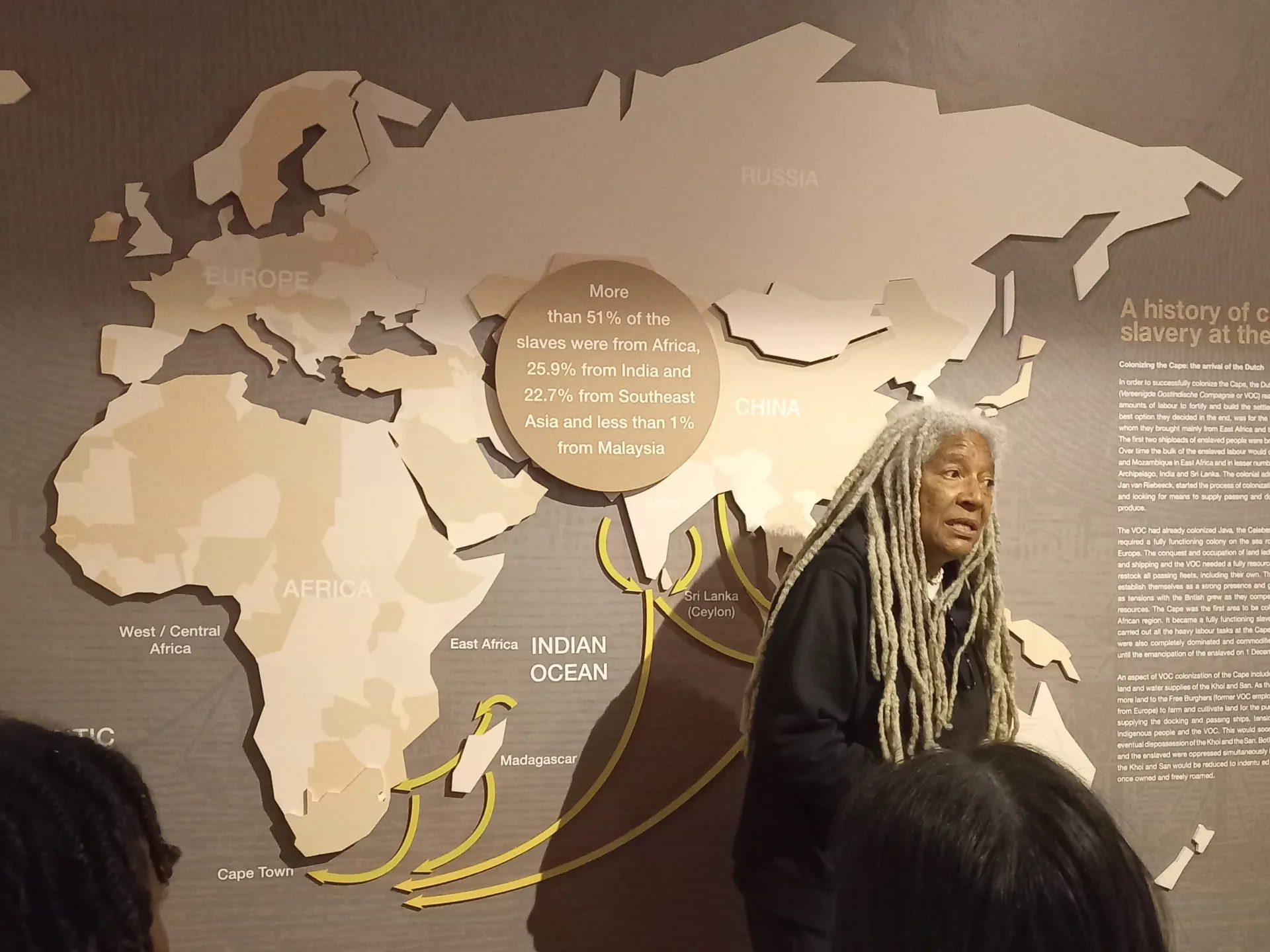
Lucy Campbell, a South African activist and historian, uses her tours of Cape Town's historic sites to highlight the ongoing impacts of colonialism, slavery, and dispossession, criticizing how these histories are memorialized and calling for more inclusive and truthful representations of the past.
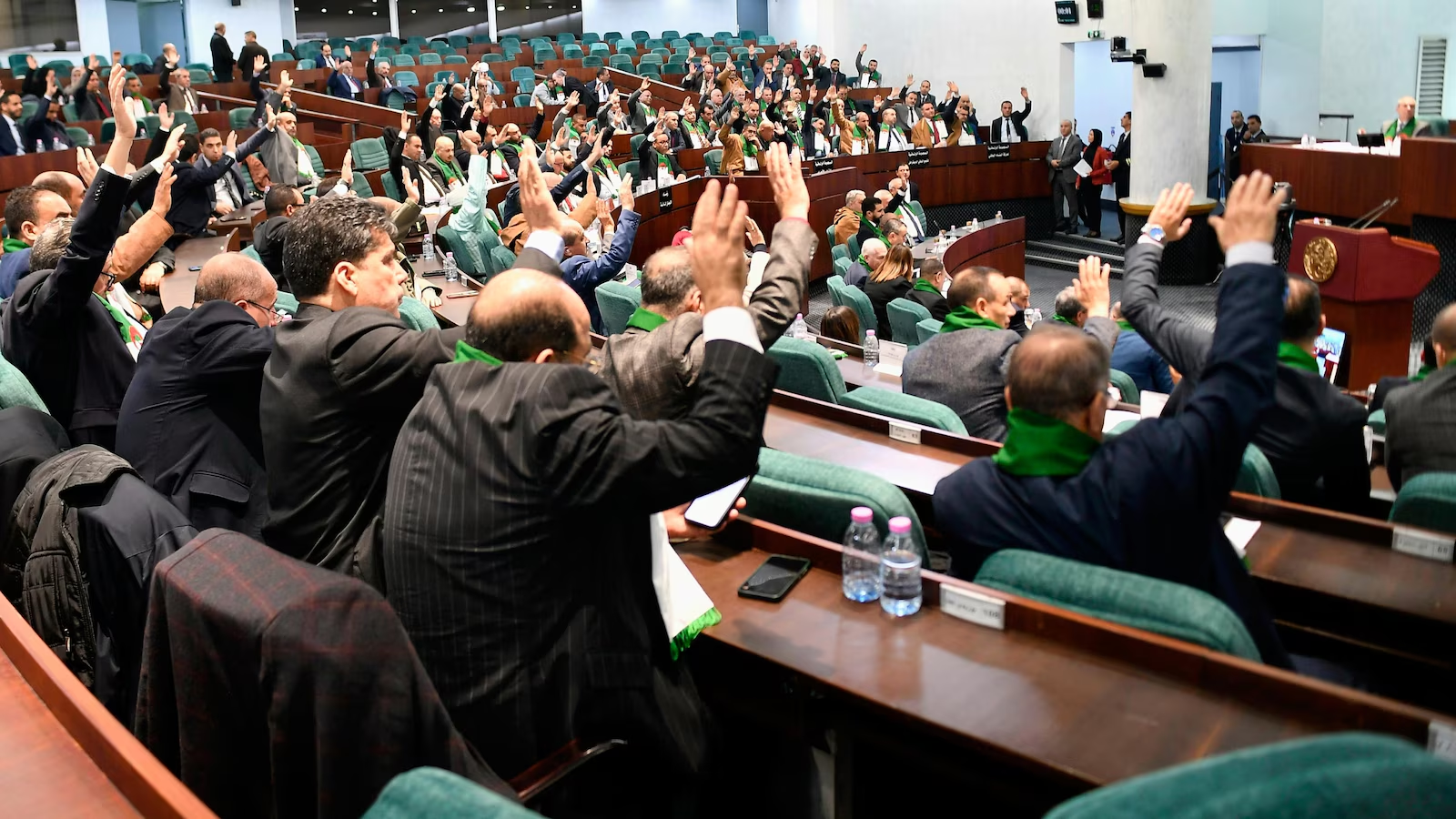
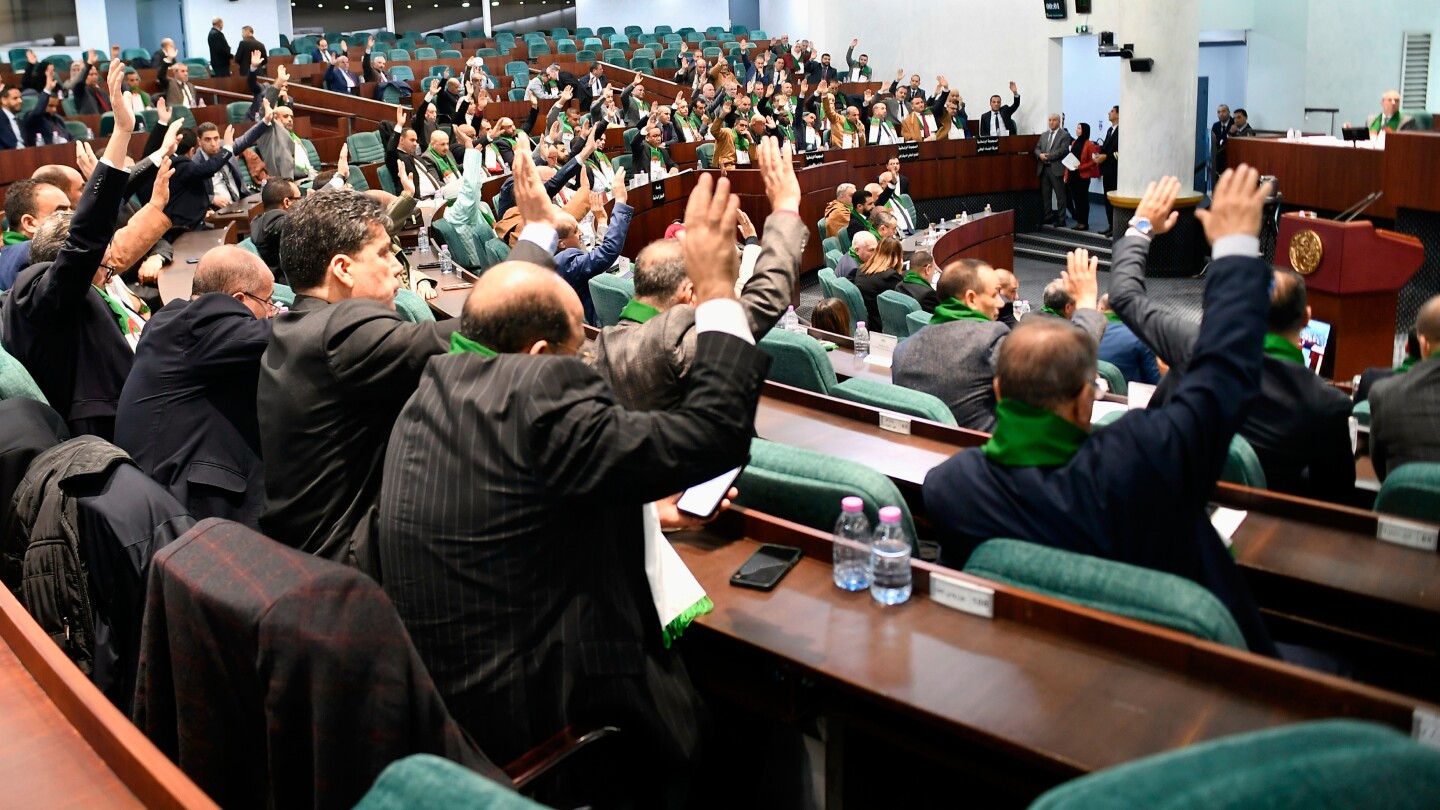
Algeria's National Assembly voted to declare France's colonization a crime, demanding restitution and redress for colonial-era injustices, in a move that France criticizes as hostile, reflecting ongoing tensions over historical grievances.
Algeria's parliament voted to declare France's colonization a crime, demanding restitution and reparations for colonial-era wrongs, in a move that France criticizes as hostile, amid ongoing tensions over historical grievances.
Algeria's parliament unanimously approved a law declaring France's colonization a crime, demanding an apology and reparations, amid strained diplomatic relations and historical disputes over colonial atrocities and restitution of artifacts.
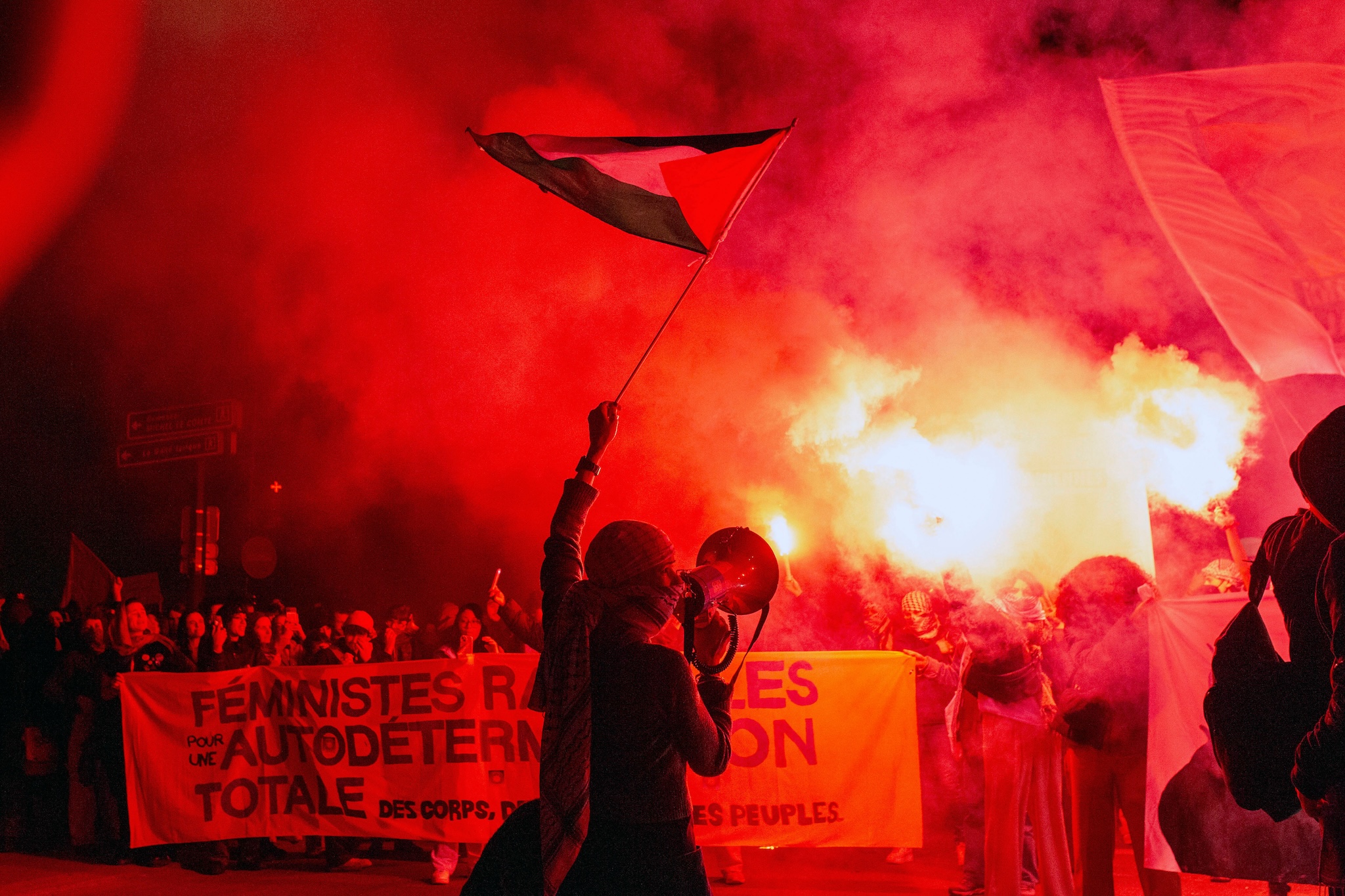
The article discusses how the October 7 attack in Gaza marked a significant shift in global understanding of the Palestinian struggle, exposing Israeli apartheid and settler colonialism, and catalyzing worldwide radicalization against global systems of domination. It criticizes attempts to restore the old order through diplomacy and emphasizes that true liberation requires dismantling systemic structures of oppression, with Palestine now seen as a symbol of broader anti-colonial and anti-capitalist struggles.
Morocco has denied Western Sahara's independence for 50 years, following a history of military invasion, diplomatic manipulation, and international neglect, despite legal and moral claims for self-determination by the Sahrawi people and international bodies like the ICJ.
The article argues that the recognition of a Palestinian state by European countries is not an act of solidarity but a betrayal that legitimizes Zionist colonialism, accelerates the ongoing genocide in Gaza, and undermines Palestinian sovereignty and rights, emphasizing that true liberation requires ending impunity, sanctions, and dismantling colonial structures, not symbolic recognition.