During a Today segment, a moving clip about finishing chemotherapy moved Craig Melvin to tears, as his mother Betty Jo Melvin had just completed breast cancer treatment and rang the bell, a milestone he has publicly championed in cancer awareness efforts.
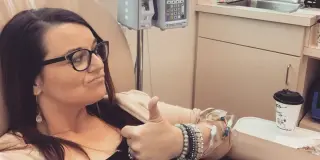
Maria Kang, the fitness influencer known as the No Excuse Mom, reveals she was diagnosed with stage 4 colon cancer in 2023 after years of digestive issues she’d normalized. She underwent chemotherapy (FOLFOX) and extensive surgery to remove the tumor and parts of her colon and reproductive organs, later recovering with MRIs showing no suspicious mass but ongoing surveillance; she now emphasizes that health isn’t just appearance but how you feel and moving toward balance, a message amid rising colorectal cancer in younger adults and the push for earlier screening.
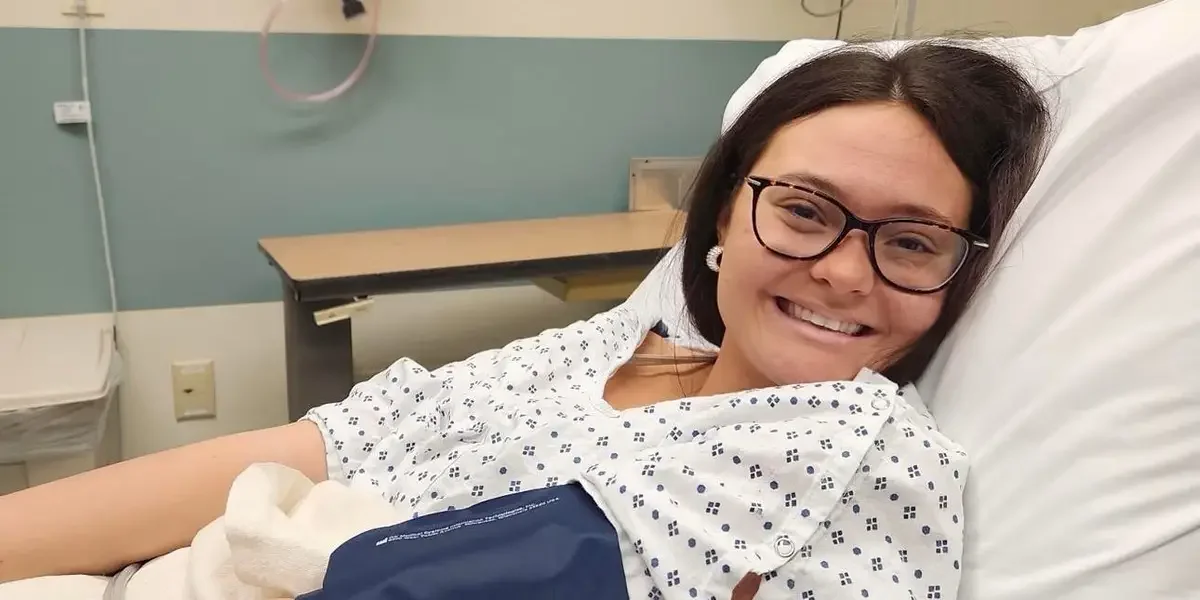
A 33-year-old nurse dismissed intermittent blood in her stool for years, attributing it to hemorrhoids, until a 2019 gastroenterology visit revealed stage 3 colon cancer with lymph node involvement. She underwent surgery to remove part of her colon and 13 lymph nodes, then completed concurrent chemotherapy while continuing to work. Months after finishing treatment, she became pregnant; genetic testing later diagnosed Lynch syndrome, an inherited cancer risk. Now in remission, she undergoes yearly surveillance and has used her platform—including winning the 2024 Mrs. Mississippi Plus America pageant—to advocate for colon cancer awareness, screening, and genetic testing for family members.
Princess Kate completed the National Three Peaks Challenge in 24 hours—scaling Scafell Pike, Ben Nevis and Snowdon—to raise funds for The Royal Marsden Cancer Charity. The 44-year-old, who is in remission after chemotherapy for an undisclosed cancer, said the challenge is personal and aims to highlight holistic cancer care, with Mountain Rescue support and a celebratory family reception at the end.
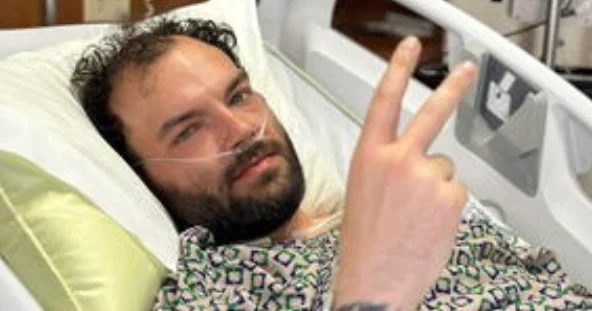
A 26-year-old hockey player, David Lyon, was diagnosed with Stage IV colorectal cancer after blood in his stool and escalating pain; he underwent chemotherapy, had the primary tumor surgically removed, and in 2024 underwent a liver transplant to treat liver metastases. Eighteen months post-transplant he remains cancer-free and has become an advocate for colon-cancer screening and awareness among young people.
Prostate cancer often develops without noticeable early signs, but three bathroom-related warning signs—more frequent urination, straining to urinate, and a feeling of incomplete bladder emptying—along with other symptoms like weak urine flow or nocturia, highlight the importance of talking with a doctor about PSA screening for earlier detection and potentially better outcomes.
A 20-year-old college student experienced intermittent upper abdominal pain and was initially thought to have an ovarian cyst. After worsening symptoms and imaging, she was diagnosed with stage 2 colon cancer, underwent surgery, and faced chemotherapy side effects including severe fatigue, neuropathy, and vision loss, leading to a switch to an oral chemo regimen. She completed treatment in mid-2025 and was declared cancer-free; now a senior and intern, she advocates for awareness of colon cancer symptoms in young people and stresses listening to one’s body, with plans for ongoing blood tests and annual colonoscopies.
On World Cancer Day, Capitol Hospital organized a cancer patient support meet under the theme 'United by unique', with about 80 participants and oncologists stressing early signs, regular screening, and lifestyle measures; CT College of Pharmacy and CT Institute of Pharmaceutical Sciences hosted education and advocacy sessions including cervical cancer and radiation therapy talks; students at Kanya Maha Vidyalaya and St Soldier Nursing Training Institute conducted rallies, poster sessions, and lectures to raise awareness about cancer causes, symptoms, and prevention.
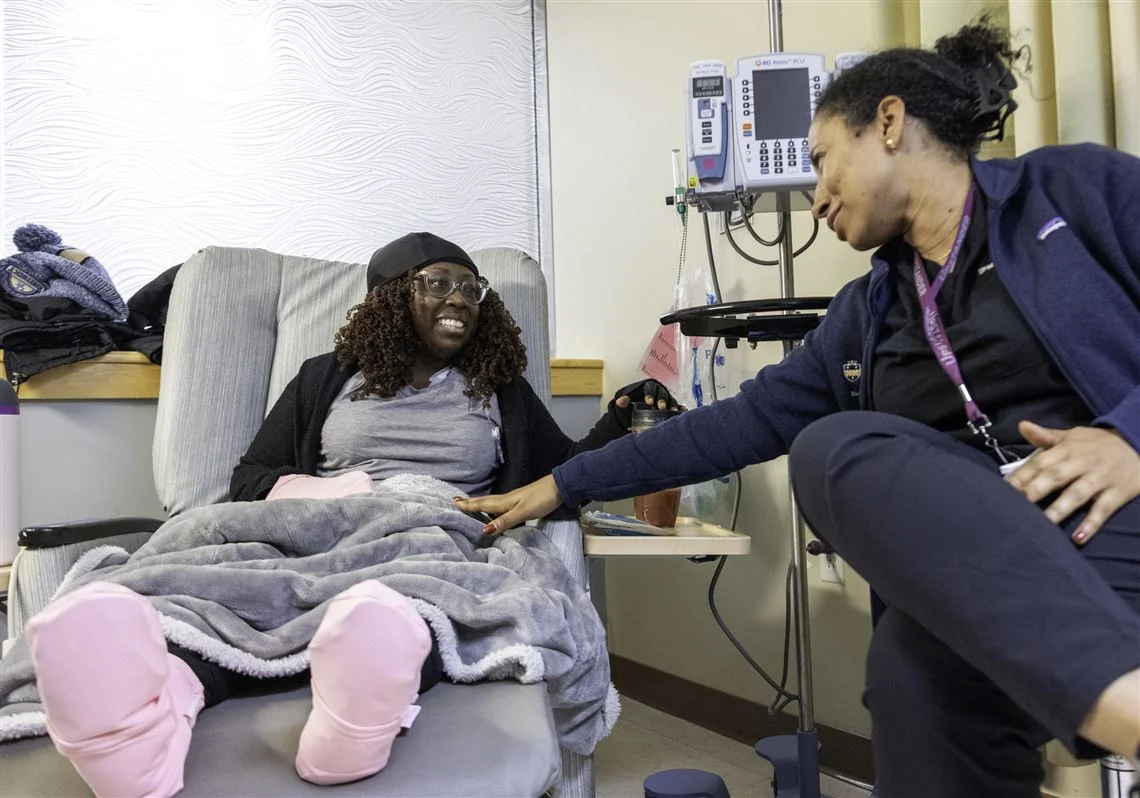
Sylvia Owusu-Ansah, a pediatrician and emergency medicine head at UPMC, shares her breast cancer journey through social media to raise awareness, support others, and document her treatment, highlighting the importance of knowledge, community, and resilience in facing cancer.
King Charles III publicly shared his cancer diagnosis and treatment journey, emphasizing the importance of early detection and screening programs, which has inspired increased public interest and awareness about cancer prevention and treatment in the UK.
The article highlights four surprising and often overlooked signs of cancer—pain after drinking alcohol, broken bones with little trauma, high calcium levels, and unusual breast symptoms—that can aid in early detection and treatment. It emphasizes the importance of consulting healthcare professionals if these symptoms are observed, as early diagnosis significantly improves outcomes.
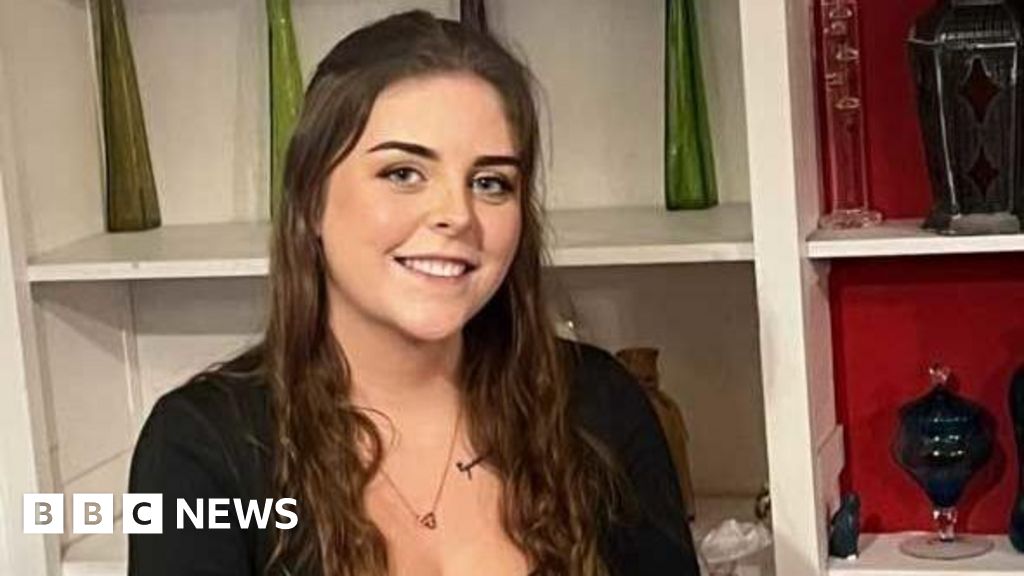
A 23-year-old woman from Evesham, Milli Tanner, faced multiple misdiagnoses and delays before being correctly diagnosed with stage three bowel cancer, highlighting the need for increased awareness and prompt investigation of symptoms in young people.
A mother in Australia tragically died from advanced bowel cancer after ignoring symptoms like stomach pain, fatigue, night sweats, and irregular bowel movements, highlighting the importance of early detection and awareness of bowel cancer signs.
A woman in Australia shared her experience with stage four bowel cancer, highlighting how she ignored early symptoms like pain, fatigue, and irregular bowel movements, which led to a late diagnosis. Her story emphasizes the importance of recognizing warning signs and seeking prompt medical attention to improve outcomes. She also set up a fundraiser for her family before passing away.
A 36-year-old man from Tasmania was diagnosed with a 4-inch bowel tumor after initially dismissing symptoms as food poisoning, highlighting the importance of early detection and awareness of bowel cancer in young people, amid rising rates among under-55s. He underwent surgery and chemotherapy, and now advocates for awareness and early screening.