Dogs are not color-blind in the sense of grayscale; they have two types of cone cells and primarily perceive blues and yellows, with reds and greens appearing as dull browns or greys. Their color perception is similar to human red-green color blindness, and they distinguish objects more by brightness than by hue.
A study from MIT reveals that early exposure to limited color information helps the brain develop the ability to recognize objects based on luminance, which later allows for the incorporation of color without losing grayscale recognition. This adaptation explains why children who regain sight after congenital cataracts struggle with black-and-white object recognition due to an overreliance on color cues.
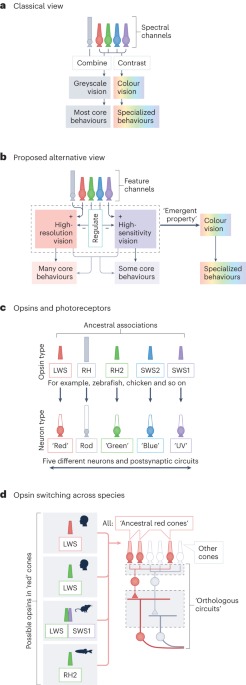
A study explores the ancestral diversity of photoreceptors and their role in shaping visual behavior across vertebrates. The research delves into the evolutionary history and spectral tuning of vertebrate visual opsins, shedding light on the mechanisms underlying color vision in various species. By examining the connectivity and organization of retinal circuits, the study provides insights into the emergence of ancestral circuits for vertebrate color vision at the first retinal synapse, offering a deeper understanding of the fundamental principles governing vision in different environments.
Researchers using lab-grown human retinas have discovered that retinoic acid, not thyroid hormones, determines whether cone cells specialize in sensing red or green light, shedding light on color blindness, age-related vision loss, and potential treatments. The findings challenge previous beliefs and offer hope for understanding and treating vision disorders.
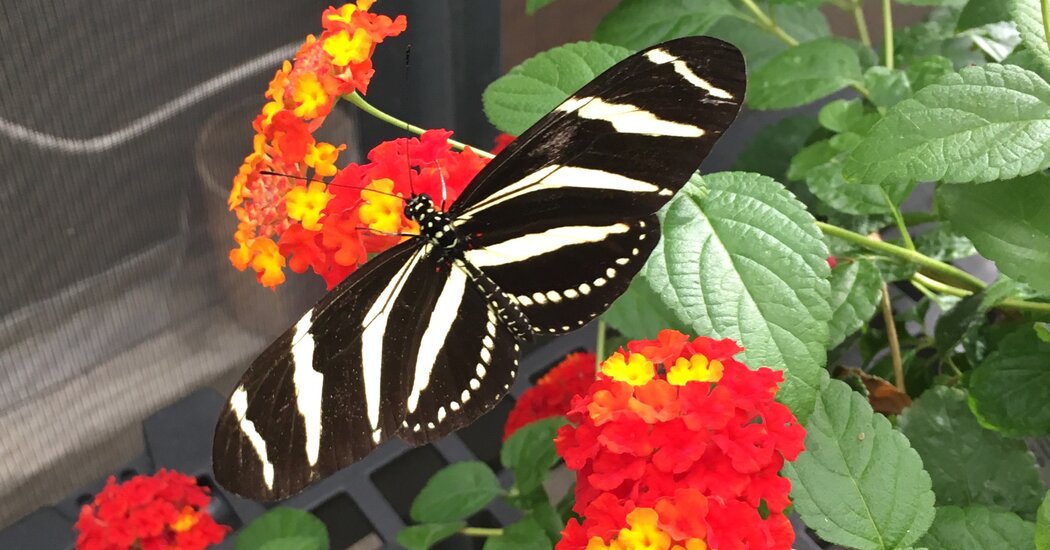
Female zebra longwing butterflies have the ability to see colors that males cannot, thanks to a gene on their sex chromosome called UVRh1. Researchers have discovered this through genomic sequencing and lab experiments. The presence of this gene on the sex chromosome raises questions about how it got there and sheds light on the evolution of differences between sexes. Further research on other longwing species may provide more insights into the origins of this gene and other differences between male and female butterflies.
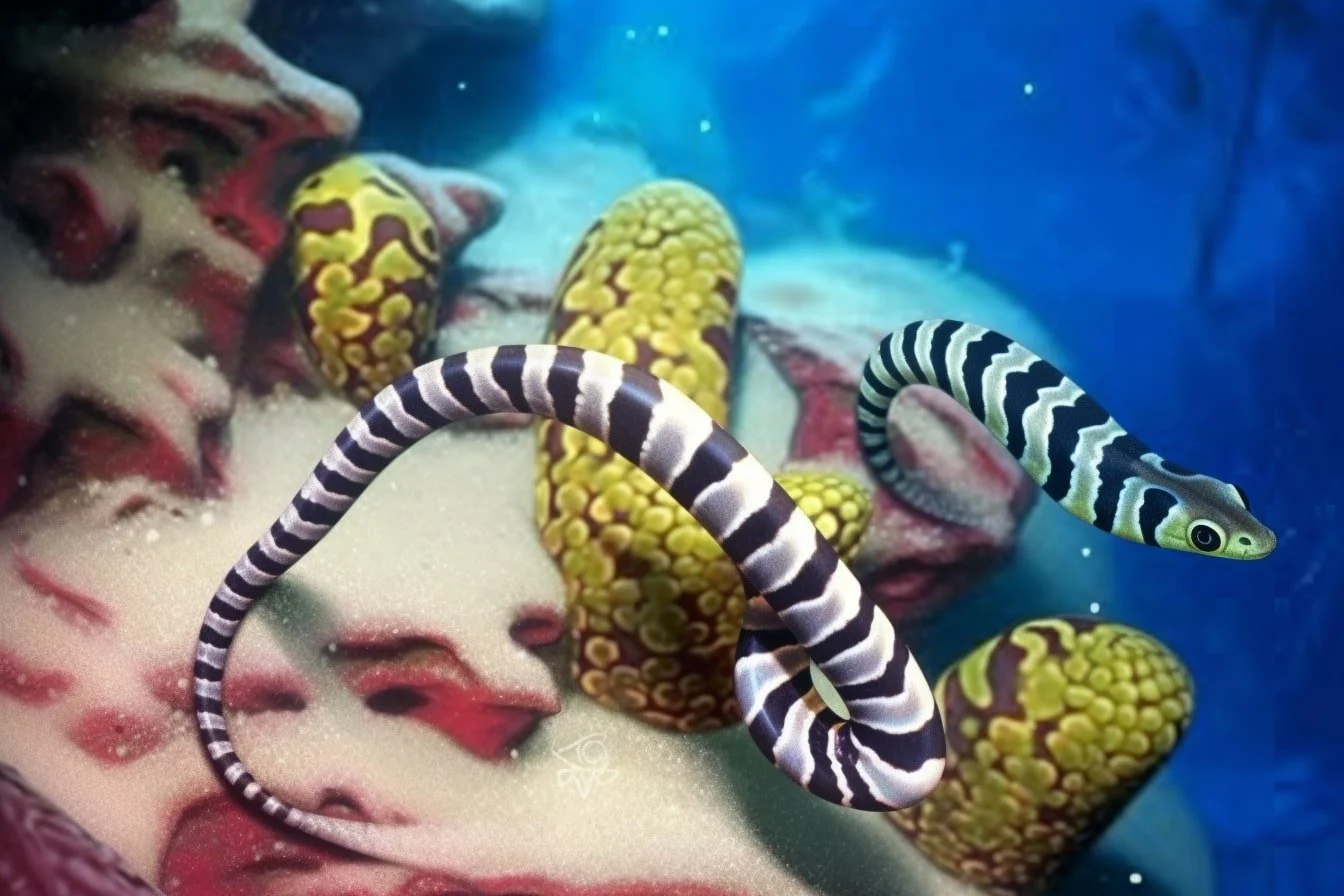
The annulated sea snake has evolved to regain color vision, perceiving a wider range of colors than its ancestors. Early snakes lost color vision during their adaptation to dim-light burrowing lifestyles, but sea snakes, which inhabit brighter marine environments, regained color vision. Two out of four intact copies of the snake's opsin gene SWS1 evolved a new sensitivity to longer wavelengths dominant in ocean habitats, enabling better color discrimination. This adaptation potentially helps sea snakes distinguish predators, prey, or potential mates against colorful marine backgrounds. The re-emergence of color vision in sea snakes contrasts the evolution of opsins in mammals like bats, dolphins, and whales, which experienced further opsin losses adapting to dim-light and aquatic environments.