
AI Debt Boom Pushes US Treasury Yields to 2002 Highs
Tech giants are issuing record debt to fund AI infrastructure, driving US Treasury yields to 5.30% and crowding out government borrowing.

All articles tagged with #corporate debt
Tech giants are issuing record debt to fund AI infrastructure, driving US Treasury yields to 5.30% and crowding out government borrowing.

Paramount Skydance has issued $52 billion in debt to finance its $110 billion acquisition of Warner Bros Discovery. The company secured an investment-grade rating, but the lowest tier available, with yields higher than comparable bonds. Critics warn the high leverage and declining legacy TV revenue pose significant risks in a market with rising Treasury yields.

The 10-year US Treasury yield has climbed to 5.17%, its highest level since 2007, significantly increasing borrowing costs for the artificial intelligence infrastructure sector. JPMorgan estimates that $4.1 trillion in AI-related debt will be issued through 2030. While large tech companies with investment-grade credit ratings can absorb these costs, smaller 'neocloud' firms face tighter financing conditions. Oracle recently issued a force majeure notice for its New Mexico data center project to mitigate potential expense increases, while SoftBank raised $11.1 billion in high-yield debt. Market participants note that despite rising rates, demand for AI compute remains robust, with Meta's new Muse app surpassing 2.5 million downloads in two weeks.

BNP Paribas forecasts 30-year Treasury yields will reach 5.6% due to rising interest costs, widening deficits, and potential post-election spending increases. Fortune highlights a corporate 'debt refi wall' as yields top 5%, while Saxo notes global government debt averages are at 2007 highs.
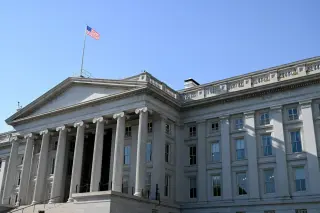
AI-driven borrowing by hyperscalers and other large firms is swelling corporate debt issuance and draining demand for long-dated Treasuries, helping push long-term yields higher. Analysts say the AI spending surge is a key driver behind rising rates, with some estimates suggesting 10-year yields rose about 0.3 percentage point this year as AI infrastructure investment continues.

Rising concern over AI-driven debt returns has lifted demand for credit default swaps on AI-linked companies (e.g., Nvidia, Oracle, Apple), widening CDS spreads and potentially raising borrowing costs for issuers, even as AI funding accelerates and the overall CDS market remains a sizable, OTC-backed segment of the bond world.
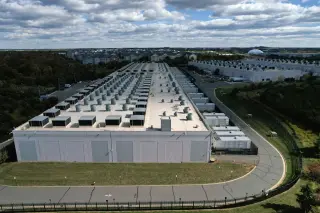
Goldman Sachs estimates AI-related debt issuance this year at about $489 billion, already above last year’s forecast, with hyperscalers accounting for roughly 40% and major funding coming from data-center and other tech financing. Amazon, Alphabet, Oracle, and Meta are among the big borrowers, and private markets have seen around $200 billion in data-center deals since 2025, signaling a multi-year AI-spending spree that could hit a reckoning in 2027 if monetization stalls or rates stay high.

Tilman Fertitta is set to acquire Caesars Entertainment for $5.7 billion and would assume roughly $12 billion of Caesars’ debt, signaling a major consolidation move in the casino-hospitality sector pending due diligence and regulatory approvals.
Annuities, an insurance product used for retirement funding, reached record sales of $385 billion last year, driving demand for corporate debt and commercial mortgage bonds. The products have become more attractive due to rising interest rates, leading to higher potential annual payouts.
Ford Motor Co.'s credit rating upgrade to investment grade has led to $46.8 billion of debt being removed from junk bond indexes, resulting in the largest monthly decline in the global benchmark of junk debt in 18 years. This upgrade signifies a shift in corporate priorities as companies strengthen their finances amid a potential recession. The decrease in fallen-angel bonds and the expectation of more rising-star upgrades indicate improving credit fundamentals, despite concerns about the economy. Analysts predict that $70 billion to $90 billion of debt will be upgraded to investment grade in 2024, while only $20 billion to $40 billion is expected to be downgraded to high-yield next year.
Fading optimism on interest rates signals trouble for the $425 billion debt wall facing corporate America. The strong US jobs report increases the likelihood of another Federal Reserve rate increase this year, which is negative for companies that have been increasing their debt levels as yields have surged. Companies face higher borrowing costs, which could cut into profits and increase default risk. The higher yields have already shut down new junk bond sales, and the average yield on the Bloomberg Global High Yield index has reached its highest level since November last year. The corporate private credit market is also expected to see more defaults.
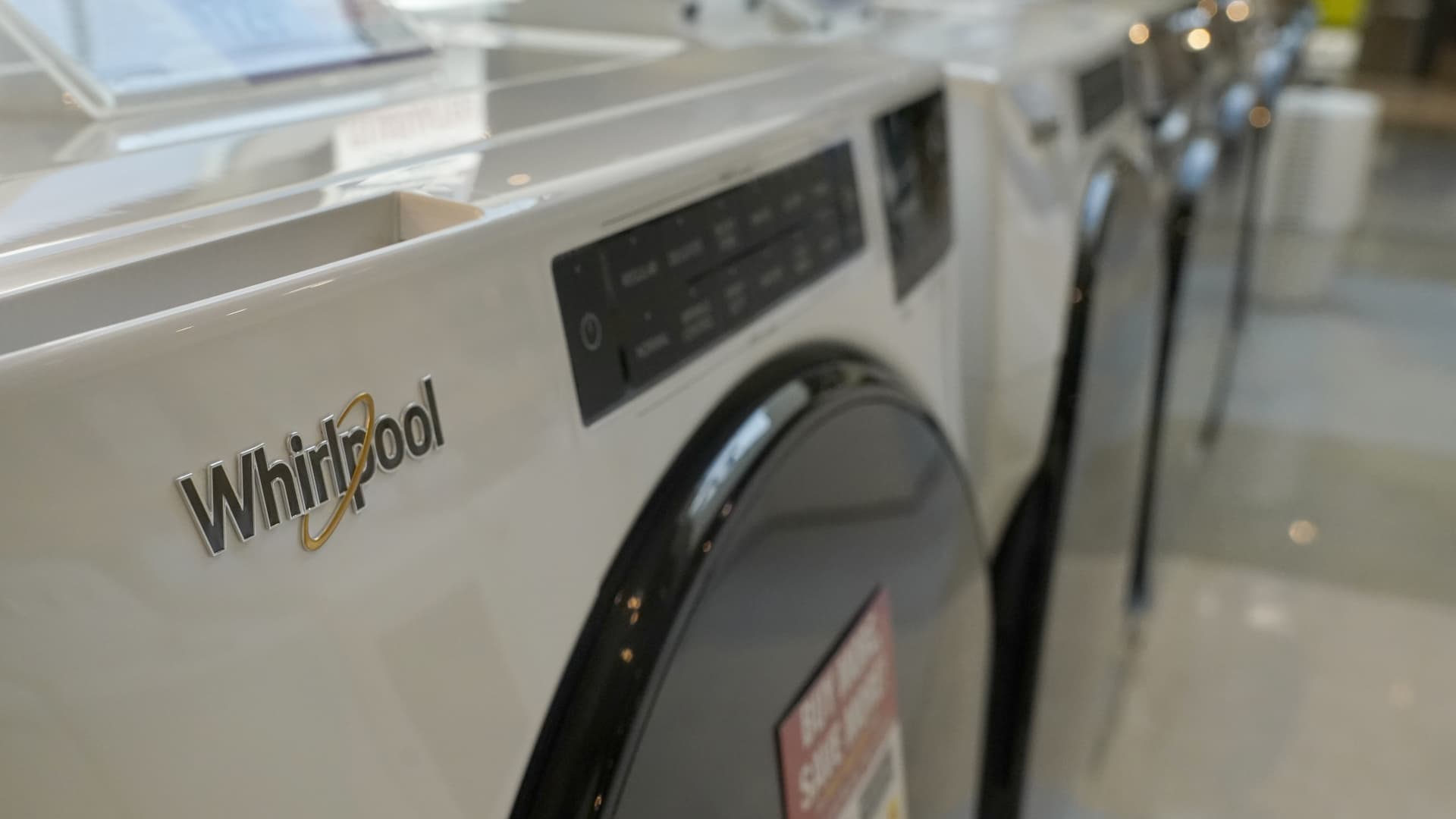
As interest rates rise, companies with high levels of debt on their balance sheets may face increasing pressure. Refinancing corporate debt will start impacting profits in 2024, with $903 billion in U.S. corporate debt coming due that year. Higher interest rates will increase borrowing costs, eating into future earnings and cash flow. CNBC has identified stocks that meet certain criteria, including a high debt-to-equity ratio, falling earnings, and trading near a 52-week low. Companies such as General Motors and Whirlpool are among those that may be vulnerable.
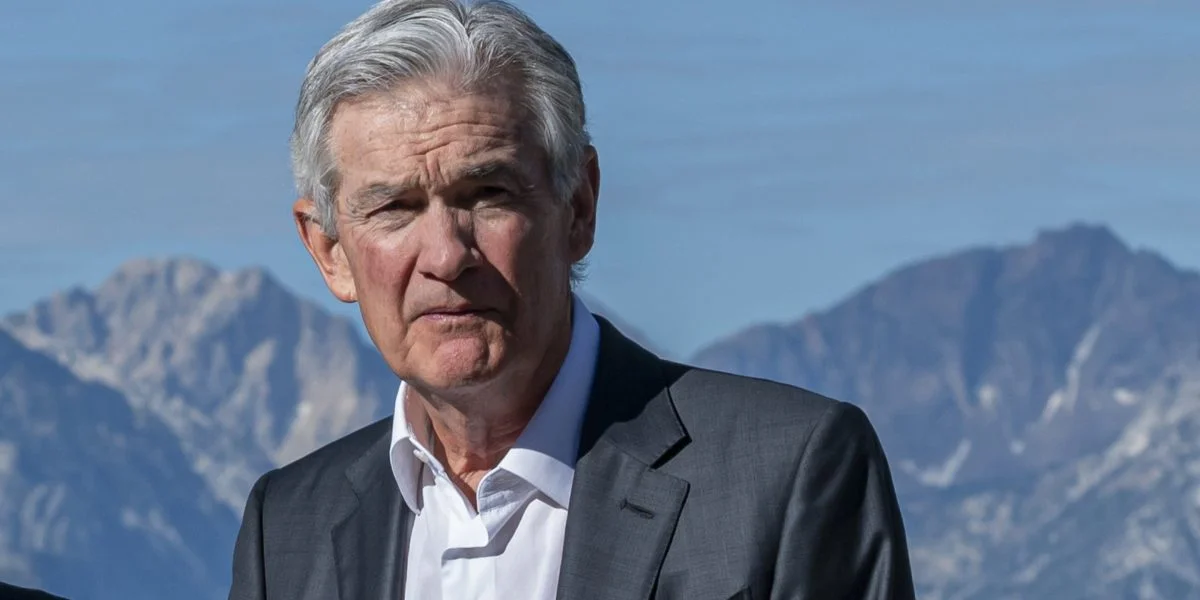
Fidelity International's Salman Ahmed warns that a recession is likely in 2024 as companies face the challenge of refinancing debt at higher interest rates. The effects of the Federal Reserve's monetary policy tightening and a wave of corporate debt refinancing over the next six months are expected to materialize next year, potentially pushing the economy into a downturn. Higher debt-servicing costs reduce companies' ability to invest and pay workers, and the current stock valuations and credit spreads indicate that the impending downturn is not yet fully priced into markets. Fidelity International has adjusted its investment strategy, overweighting cash and investment-grade credit while remaining underweight on stocks. Despite economists on Wall Street revising their recession forecasts, Ahmed maintains that a downturn is still likely, supported by a recent study from Fed officials indicating that the full effects of interest rate hikes take about a year to be felt by companies.
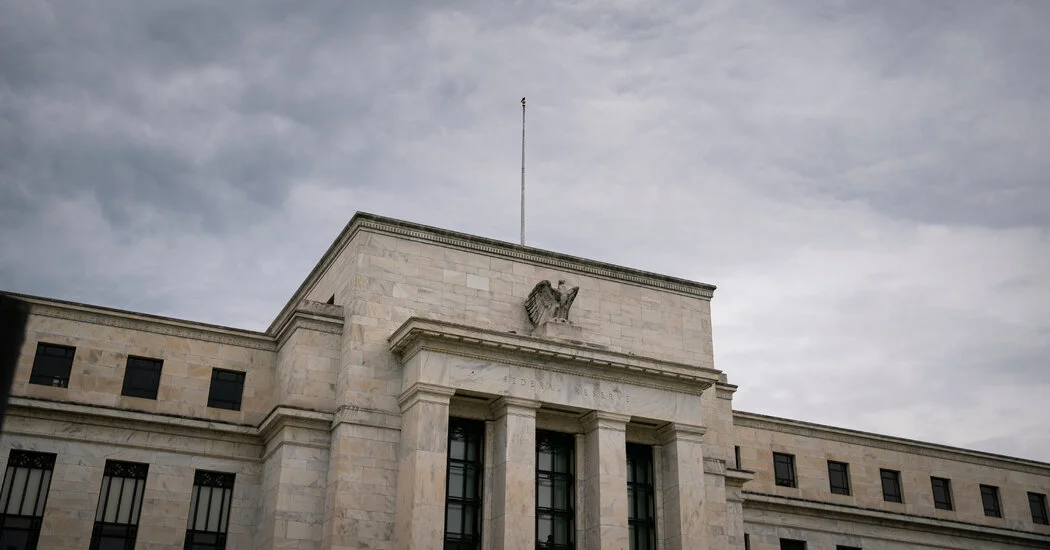
The world is facing economic uncertainty as credit markets show signs of strain. Companies that loaded up on cheap debt during a period of low borrowing costs are now facing the challenge of renewing their financing at higher interest rates. This could lead to an increase in bankruptcies and defaults, especially if the Federal Reserve continues to keep borrowing costs high. Already, corporate defaults are running at their fastest pace in over a decade, and there is a significant amount of debt in a precarious position. The longer interest rates remain elevated, the deeper the stresses are likely to become, potentially causing job losses and curtailed growth. The fear of missing out and the resilient economy have lured investors into debt markets, but the longer inflation remains elevated, the more companies will be forced to shoulder higher borrowing costs.

Rising corporate debt defaults and downgrades to junk credit ratings are starting to impact companies, with examples including retailer Casino, Britain's Thames Water, and Swedish landlord SBB. Despite this, the cost of insuring exposure to European junk-rated corporates remains low, indicating investor complacency. S&P Global expects default rates for U.S. and European sub-investment grade companies to rise in the coming months. Analysts warn that corporate bond yields should command a higher premium, as current spreads do not reflect the risks. Refinancing will be costly for companies with looming debt maturities, and some firms are already seeking debt restructuring to avoid insolvency.