Tag

Borrowing Costs

All articles tagged with #borrowing costs

US borrowing costs rebound as Treasury move to ease yields falters
business4 days ago

US borrowing costs rebound as Treasury move to ease yields falters

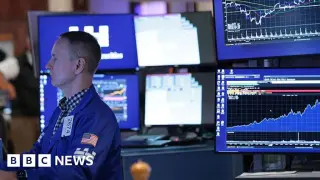
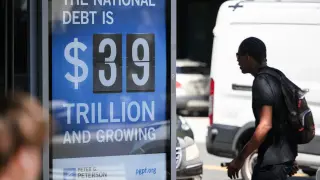
Long-term US borrowing costs rose again despite a Treasury plan to buy back more debt to push yields lower; 30-year yields climbed to about 5.27% after dipping to 5.18%, suggesting the intervention offered only a short-term relief amid concerns over debt exceeding $40 trillion, ongoing global borrowing demand, and rising oil prices, with investors watching inflation risks and gold as a safe haven.

War in Iran lifts borrowing costs for American households
business4 months ago

War in Iran lifts borrowing costs for American households

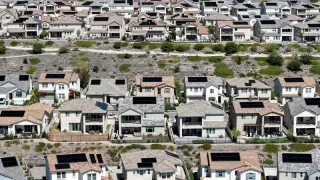
The Iran conflict has roiled markets and pushed up U.S. borrowing costs: mortgage rates rose to about 6.37% (from 5.98%), the 10-year Treasury yield climbed toward 4.3–4.5%, and auto loans and credit card rates are likely to stay higher, meaning bigger payments for households. For example, a $500,000 home with a 20% down payment could cost tens of thousands more over the life of a 30-year loan, even as rates remain below last year’s highs.

"Central Banks Navigate Rate Cuts Amid Economic Uncertainty"
financeeconomics2 years ago

"Central Banks Navigate Rate Cuts Amid Economic Uncertainty"

The European Central Bank is expected to maintain its deposit rate at 4% for the fifth consecutive meeting, with a potential cut anticipated in June. Economists largely agree on the decision, with only one out of 62 respondents predicting a quarter-point reduction. Investors are keenly observing for indications regarding the future policy direction beyond the initial move.

"Japan's Historic Interest Rate Hike and Global Implications"
businesseconomy2 years ago

"Japan's Historic Interest Rate Hike and Global Implications"

Japan's central bank raised interest rates for the first time in 17 years, prompting concerns for small business owners like Satoaki Kanoh, who worry about the impact on borrowing costs as they face the need to replace aging machinery. The shift from a deflationary mindset to adapting to higher borrowing costs poses challenges for businesses and households, with potential implications for the economy. While some hope for a stronger yen and potential salary increases, others fear lower profit margins and reduced project opportunities.

"Understanding the Federal Reserve's Impact on Your Money and Interest Rates"
finance2 years ago

"Understanding the Federal Reserve's Impact on Your Money and Interest Rates"

Economists expect the Federal Reserve to keep interest rates unchanged for now, despite anticipation of future rate cuts. The Fed's cautious approach aims to balance the risk of inflation and economic growth. Consumer borrowing costs remain high, with credit card rates at an all-time high and mortgage rates around 7%. While the Fed may eventually cut rates, the pace will be slow, and rates are expected to remain elevated. Savings rates have increased, offering a rare win for those building emergency funds, but there's no incentive to wait for better rates.

"Cracking the Code: Tackling Credit Card Debt in Today's Economy"
economy2 years ago

"Cracking the Code: Tackling Credit Card Debt in Today's Economy"

US households are facing increasing financial pressure due to high levels of debt, with delinquency rates on credit cards and auto loans at their highest in over a decade. The Federal Reserve's interest rate hikes have made it more expensive for consumers to borrow, leading to a significant burden on many families. The high cost of borrowing is not captured in inflation figures and is affecting consumer sentiment, potentially impacting President Joe Biden's reelection bid. Many households are struggling to make ends meet, with some blaming the current administration for the gloomy economy. The return of student loan payments is adding to borrowers' financial stress, shaping the economic outlook for many voters.

financeeconomics2 years ago

"Bank of Japan Considers Exiting Negative Rates, Prompting Market Uncertainty"

The Bank of Japan's potential move to abandon negative interest rates has raised concerns about the impact on borrowing costs and financial markets, with experts predicting that rates could rise as a result. This shift in monetary policy could have significant implications for the Japanese economy and global financial markets.

"NYCB's Stock Plummets Amid Turmoil and Credit Downgrades"
finance2 years ago

"NYCB's Stock Plummets Amid Turmoil and Credit Downgrades"

New York Community Bancorp's shares continued to plummet after receiving credit downgrades from Fitch Ratings and Moody’s Investors Service, leading to concerns about increased borrowing costs. The stock fell as much as 17% and is now trading at its lowest level since 1996. The bank's troubles began after replacing its CEO and disclosing "material weaknesses" in tracking loan risks. Despite NYCB's decline, bank stocks more broadly are performing well, with the KBW Bank Index gaining as much as 2.8% on Monday.

Deere's Profit Outlook Cut Due to Farm Equipment Demand and Borrowing Costs
business-agriculture2 years ago

Deere's Profit Outlook Cut Due to Farm Equipment Demand and Borrowing Costs

Deere & Co cut its 2024 profit forecast due to farmers' reluctance to make big equipment purchases amid high borrowing rates and falling crop prices, leading to a 5.4% drop in its shares. The company expects net income for fiscal 2024 to be $7.50 billion to $7.75 billion, below analysts' predictions. Demand for farm equipment is anticipated to be weaker in Central and Eastern Europe due to ongoing conflict in Ukraine and extreme weather conditions impacting crop yields. Deere plans to manage inventory levels and cut equipment production in 2024 while operating margins contracted due to lower sales of large agriculture equipment.

"Decoding the Federal Reserve's Impact on Your Interest Rates and Finances"
finance2 years ago

"Decoding the Federal Reserve's Impact on Your Interest Rates and Finances"

The Federal Reserve has decided to keep interest rates steady, signaling potential rate cuts in the future to alleviate the impact of high rates and inflation on consumers. While the pace of rate cuts is expected to be gradual, it could lead to a decrease in borrowing costs for consumers, including credit cards, mortgage rates, and auto loans. However, deposit rates may also decrease. The decision could provide relief for households struggling with high prices and credit card debt, but challenges in affordability for homebuyers may persist.

"Long-Term Mortgage Rates Hit 7-Month Low"
finance2 years ago

"Long-Term Mortgage Rates Hit 7-Month Low"

The average long-term U.S. mortgage rate has dropped to its lowest level since May, with the 30-year mortgage rate falling to 6.6% from 6.66% last week. This decline is seen as encouraging for the housing market and first-time homebuyers, although it may exacerbate the already depleted housing inventory. The decrease in rates is attributed to a pullback in the 10-year Treasury yield, and if rates continue to ease, it is expected to boost demand heading into the spring homebuying season. However, economists generally predict the average rate on a 30-year mortgage to not go lower than 6%.