Tag

Cosmic Voids

All articles tagged with #cosmic voids

Boötes Void: The Universe’s Giant Emptiness Isn’t as Rare as It Seems
science22 days ago

Boötes Void: The Universe’s Giant Emptiness Isn’t as Rare as It Seems

Astronomers have re-evaluated the Boötes Void, a vast region once hailed as the largest hole in the universe. Earlier redshift surveys suggested it should contain about 2,000 galaxies, but later measurements found far fewer galaxies (around 60) and a smaller radius, showing the void is large but not anomalously so. Modern studies view Boötes as a fairly ordinary, oversized void likely formed by the merging of smaller voids, a common feature in the cosmic web. Nevertheless, such voids remain valuable for testing cosmology, dark energy, and gravity at the largest scales.

Cosmic Voids: The Universe’s Quiet Labs for Big Questions
science3 months ago

Cosmic Voids: The Universe’s Quiet Labs for Big Questions

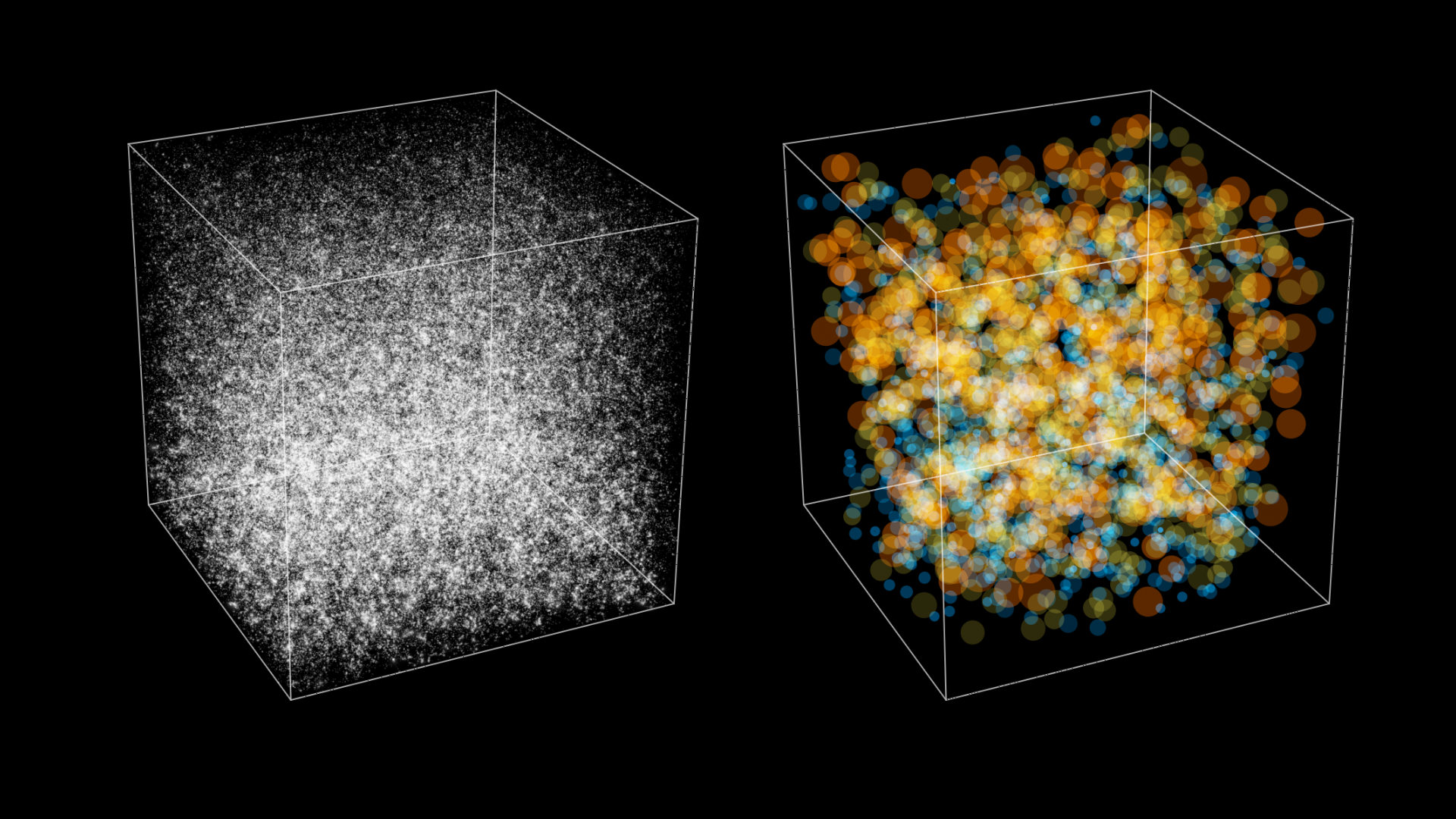
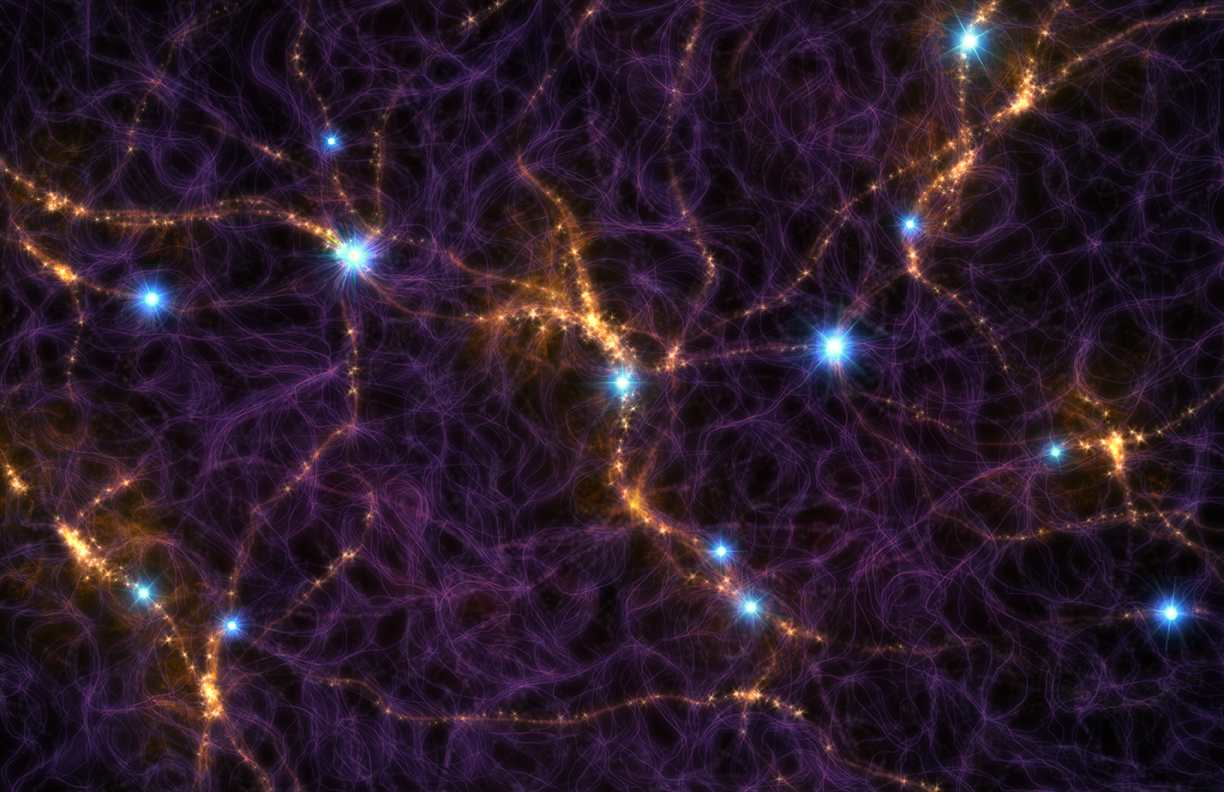
Cosmic voids—vast, underdense regions in the cosmic web—are becoming powerful cosmological laboratories for gravity, dark energy, and the Hubble tension. New surveys like DESI and Euclid will map tens of thousands to over 100,000 voids with high fidelity, while advanced simulations fill in their evolution. By tracing how galaxies and other tracers move through voids, scientists test gravity theories, study neutrinos, and sharpen our understanding of dark energy. Some researchers even speculate we may live in a colossal supervoid that could help explain the slightly faster local expansion rate, the Hubble tension. The next decade should decisively test these ideas and deepen our view of the universe.

Flat Dark Matter Sheet Nudges Andromeda Toward the Milky Way
science6 months ago

Flat Dark Matter Sheet Nudges Andromeda Toward the Milky Way

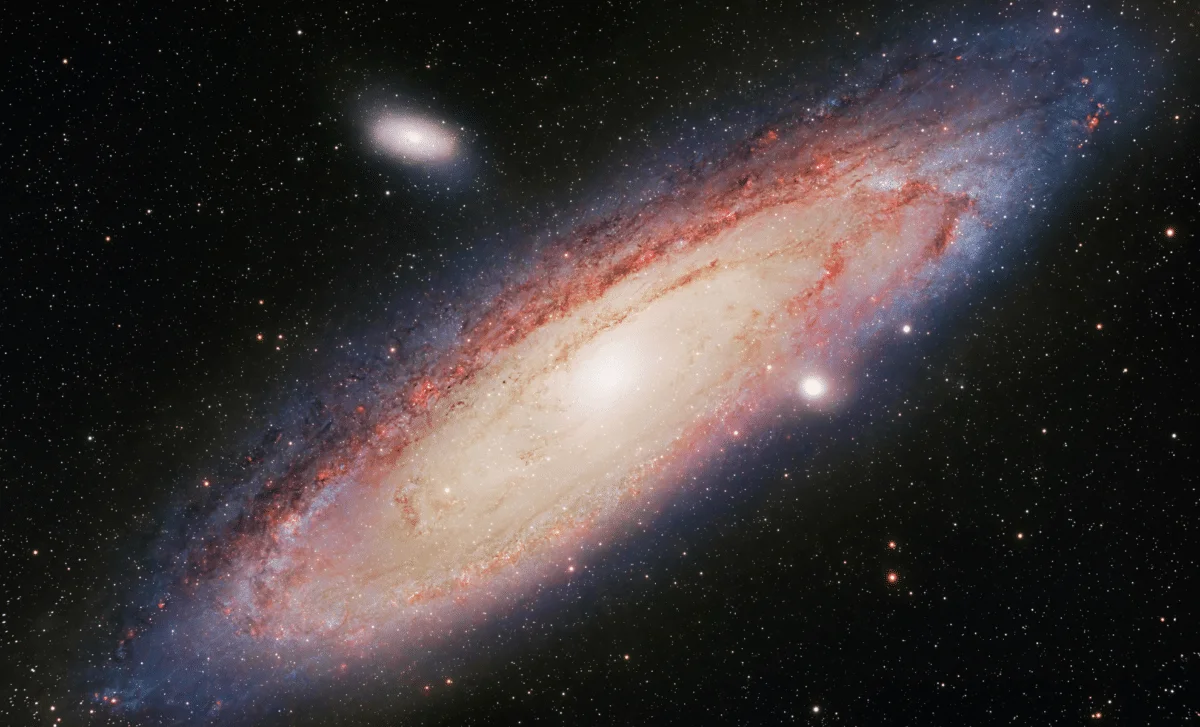
A Nature Astronomy study finds that a vast, flat sheet of dark matter surrounding the Milky Way and Andromeda reshapes local gravity, slowing the motion of closer galaxies and accelerating more distant ones, which explains why Andromeda is on a collision course with the Milky Way and underscores dark matter’s key role in the dynamics of our cosmic neighborhood.

The insatiable appetite of lonely black holes.
science-and-astronomy3 years ago

The insatiable appetite of lonely black holes.

New observations have found over 20,000 "hungry" black holes in cosmic voids, which are essentially "3D bubbles of space" that contain just a handful of galaxies, if any at all. These invisible beasts "snack" more often when there are fewer interacting neighbors to interrupt them. The findings challenge the current understanding of how galaxies evolve and how black holes grow in galaxies that are friendless in their cosmic neighborhood and thus do not interact with each other.

The Universe's Loneliest Galaxy Discovered
astronomy3 years ago

The Universe's Loneliest Galaxy Discovered

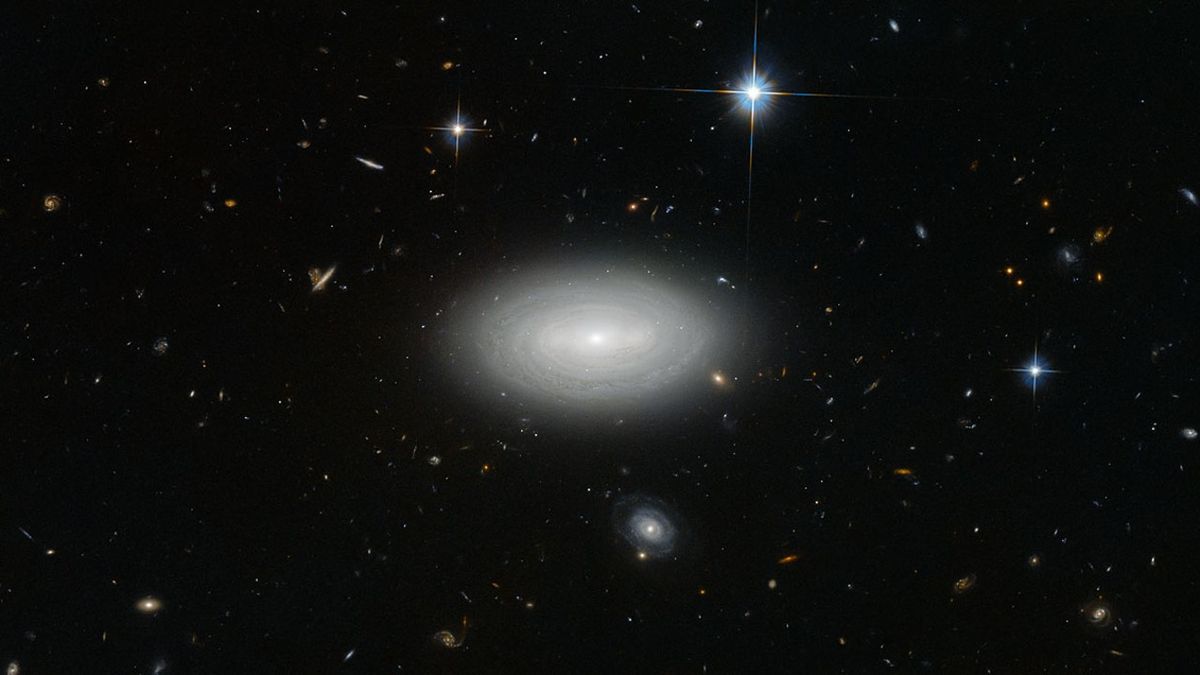
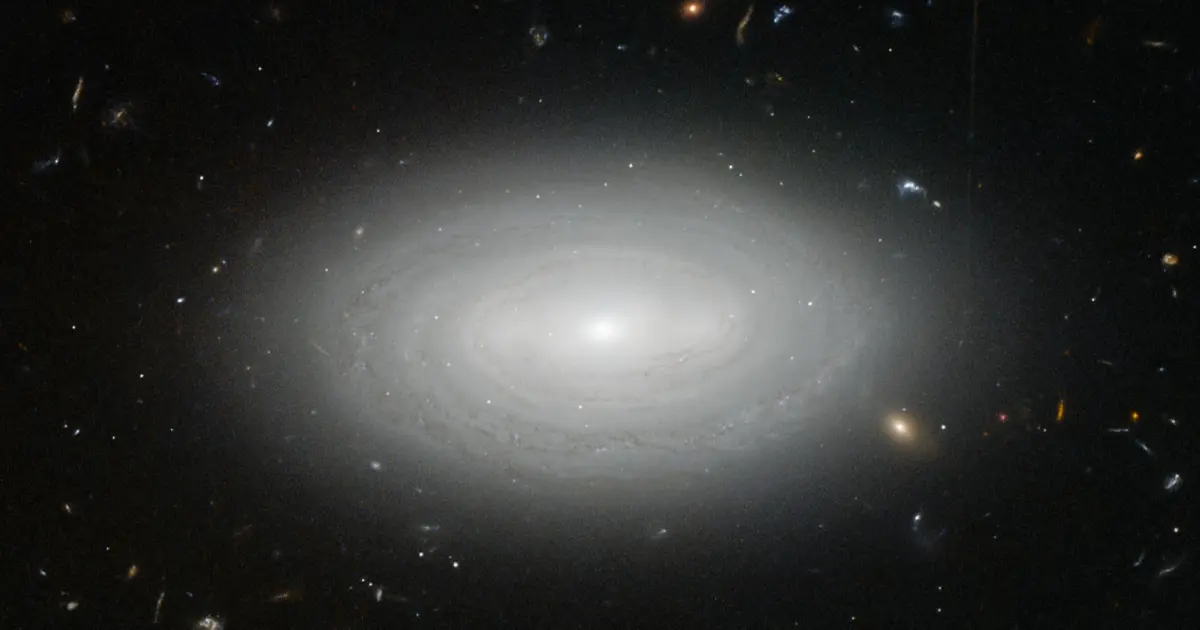
MCG+01-02-015 is the loneliest galaxy in the Universe, located in a particularly sparse, underdense "void" region. Our best telescopes identify no other substantial galaxies within ~100 million light-years. Despite the visual appearance of other galaxies near MCG+01-02-015, none of these galaxies are actually located in the same region of space. This isolated perspective would have made discovering our cosmic origins far more challenging.

Uncovering the Mysteries of Cosmic Voids: A Historical Overview.
astronomy3 years ago

Uncovering the Mysteries of Cosmic Voids: A Historical Overview.

Astronomers discovered the first cosmic void in the early 1970s, which was a blank space devoid of galaxies almost 20 megaparsec, or 65 million light-years, across. This discovery was made after the realization that there was more in the Universe than mere galaxies and clusters, and that there was something larger - the supercluster. With the advancement of technology and techniques, astronomers were able to map the heavens and understand the large-scale structure of the Universe, including the clumping of galaxies into clusters and clusters into superclusters.