Tag

Crocodilians

All articles tagged with #crocodilians

Miocene Megacrocodiles Dominated South America's Pebas Wetlands
science10 days ago

Miocene Megacrocodiles Dominated South America's Pebas Wetlands

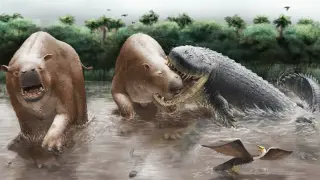
In the Middle Miocene Pebas megawetland of northwestern South America, enormous crocodylians such as Purussaurus neivensis dominated the ecosystem, preying on abundant megafauna like giant sloths and rhinoceros relatives. Fossil bite marks indicate ambush predation by these crocs, while scavengers such as sebecids fed on their leftovers, underscoring Purussaurus' key ecological role in shaping tropical wetlands of the era.
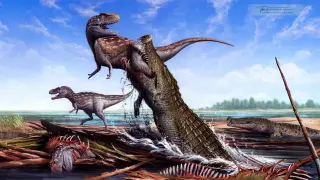
Bus-Sized Crocodiles Dominated Miocene South American Swamps
science10 days ago

Bus-Sized Crocodiles Dominated Miocene South American Swamps

In the Middle Miocene Pebas wetlands of northwestern South America, gigantic crocodylians like Purussaurus neivensis—about two tons and as long as a school bus—ruled as apex predators, ambushing prey from waterways and helping shape megafauna dynamics from giant ground sloths to rhinoceros relatives. Fossil bite marks indicate crocodile predation, while other crocodylians—such as sebecids—likely scavenged leftovers, illustrating a brutal, predator-dense ecosystem at the top of the food chain.

Life-size Deinosuchus replica brings dinosaur-killer back to life
science4 months ago

Life-size Deinosuchus replica brings dinosaur-killer back to life

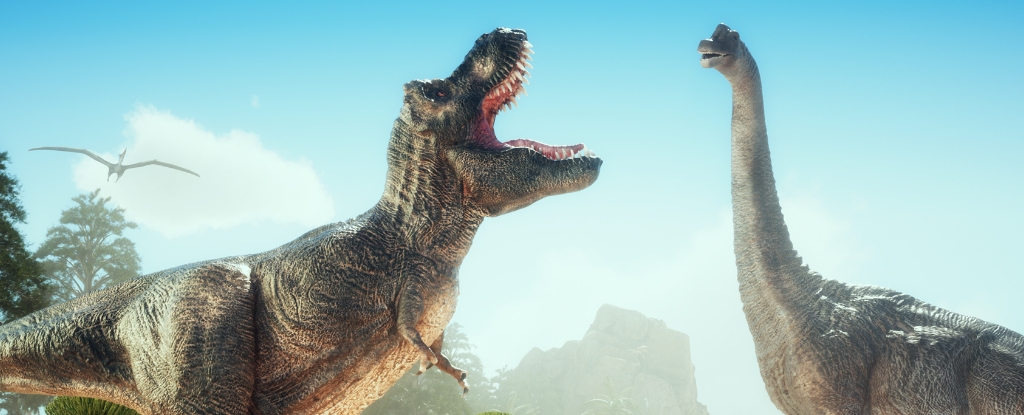
A scientifically accurate, full-scale replica of Deinosuchus schwimmeri – a 31-foot predator that hunted dinosaurs – has been crafted using high-resolution fossil scans and is now on display at the Tellus Science Museum in Georgia, highlighting Schwimmer’s research and providing visitors with a vivid glimpse into Late Cretaceous ecosystems.

Ancient Crocodile Preyed on Massive 12-Foot Terror Bird
science1 year ago

Ancient Crocodile Preyed on Massive 12-Foot Terror Bird

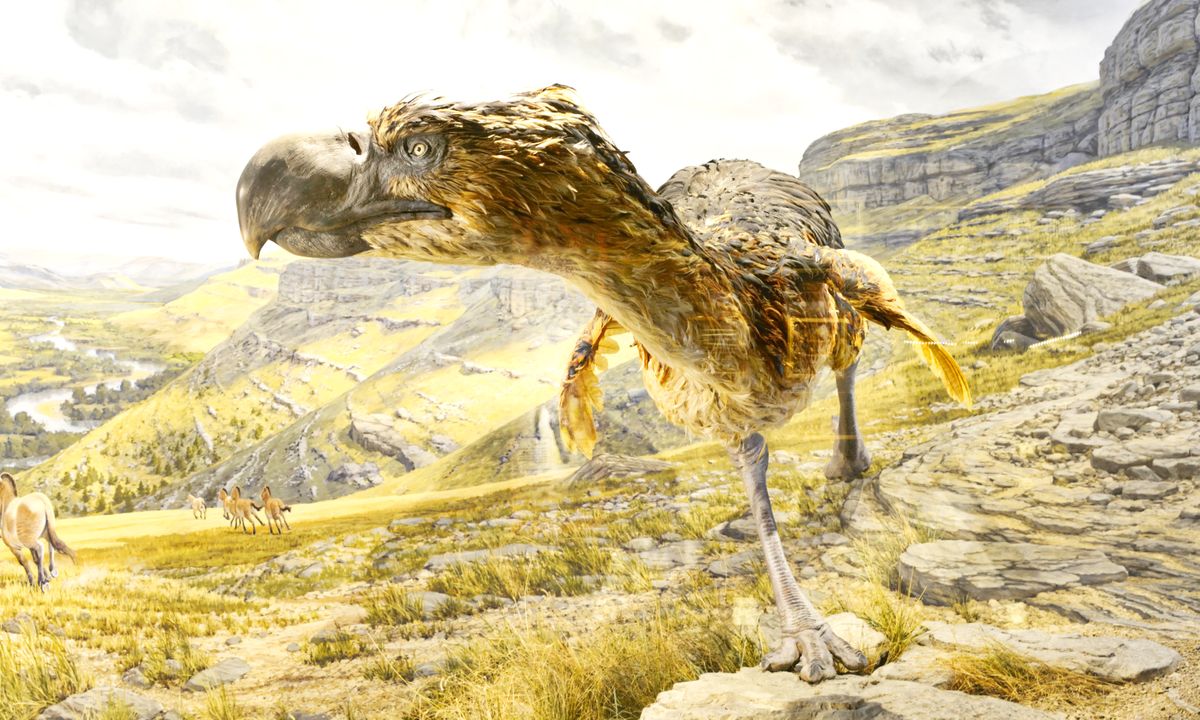
A fossilized leg of the largest known 'terror bird,' a massive flightless predator, was discovered in Colombia, revealing it was likely killed by a giant caiman 12 million years ago. This finding, published in Papers in Palaeontology, marks the first Phorusrhacid specimen found in Colombia, suggesting these birds also thrived in tropical environments. The study used 3D scans to identify puncture wounds from the caiman's teeth, providing insights into the Miocene epoch's ecology in the La Venta area, which was rich in diverse species.

Insight into Dinosaur Vision: Did They See Through Each Other's Eyes?
science3 years ago

Insight into Dinosaur Vision: Did They See Through Each Other's Eyes?

New research from Lund University suggests that visual perspective-taking, a cognitive ability that humans learn around age two, may have originated in dinosaurs 60 million years earlier than previously thought. The study compared the cognitive abilities of birds and crocodilians, the closest living relatives of dinosaurs, and found that birds demonstrated visual perspective-taking, while alligators did not. The researchers suggest that if visual perspective-taking emerged earlier in dinosaurs, it might explain the advanced visual capabilities of birds.