Scientists confirmed two new, highly complex ice phases—ice XXI with a 152-molecule repeat and ice XXII with a 304-molecule repeat—supporting Ostwald’s step rule and highlighting how water’s solid forms can impact pharmaceutical crystallization and materials science.
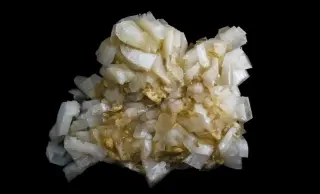
Scientists finally managed to grow dolomite in the lab after 32 straight failed attempts spanning two centuries. The breakthrough came from a hybrid approach that combined computational modeling of atomic arrangements with an in-situ technique that uses a pulsed electron beam to remove defects under fluctuating supersaturation. This enabled the controlled growth of about 300 dolomite layers (roughly 100 nanometers), solving the long-standing “dolomite problem” and potentially enabling dolomite-based advances in cement, batteries, semiconductors, and solar panels.
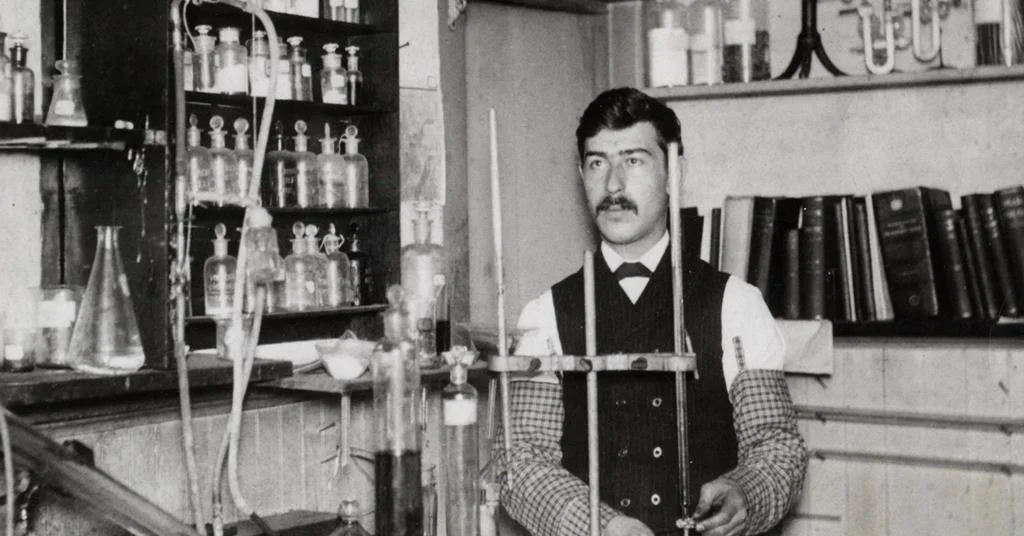
A reanalysis of Moses Gomberg’s 1898–1900 work uncovers three crystal forms of the triphenylmethyl cation, suggesting carbocations and a potential hypovalent carbon. This could have strengthened his case that carbon may not always follow the four-bond rule, potentially accelerating acceptance of radical chemistry years earlier.
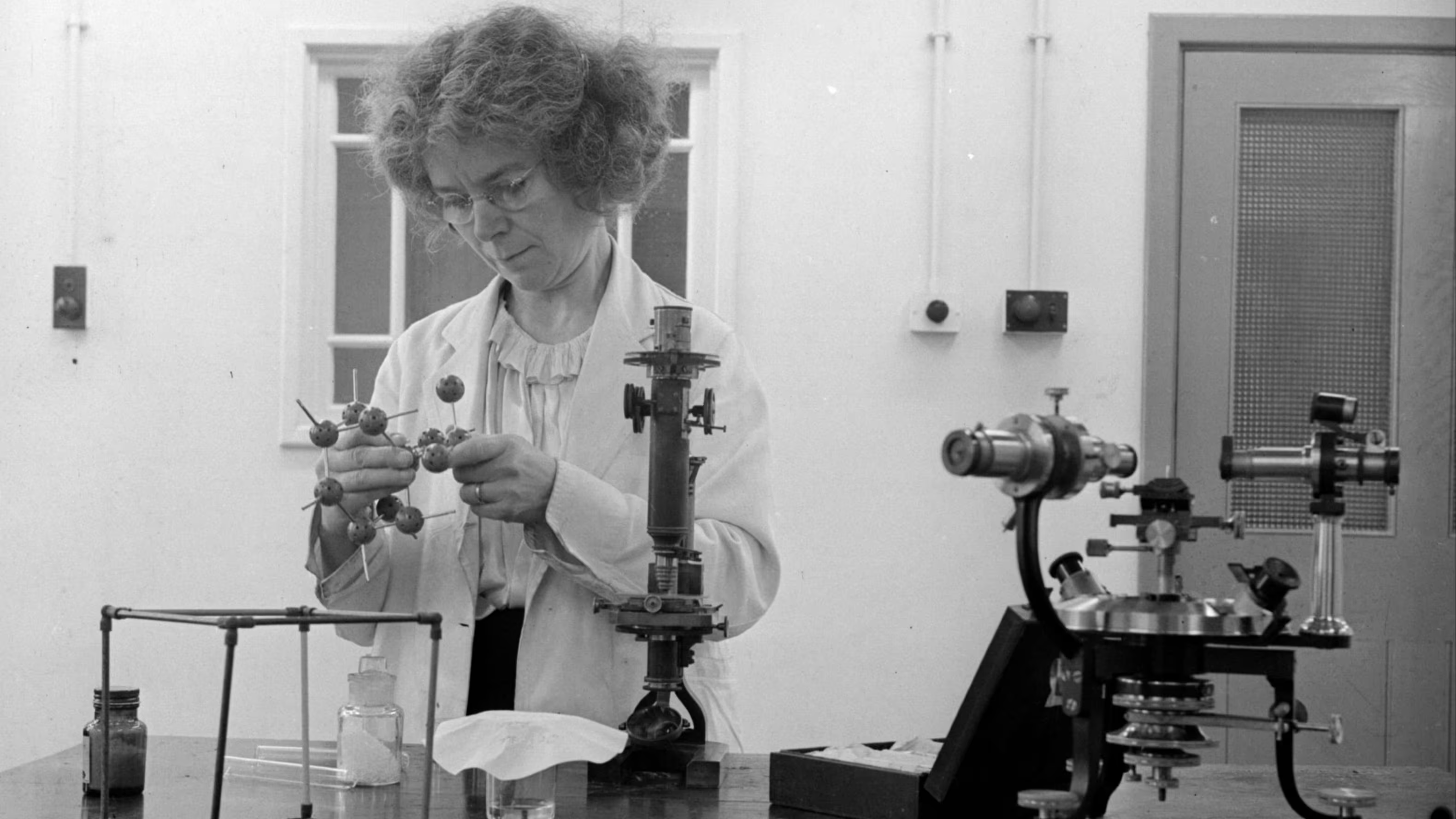
The article highlights the story of a crystallographer who successfully solved a complex molecular mystery, showcasing their expertise and the significance of their discovery in the field of science.
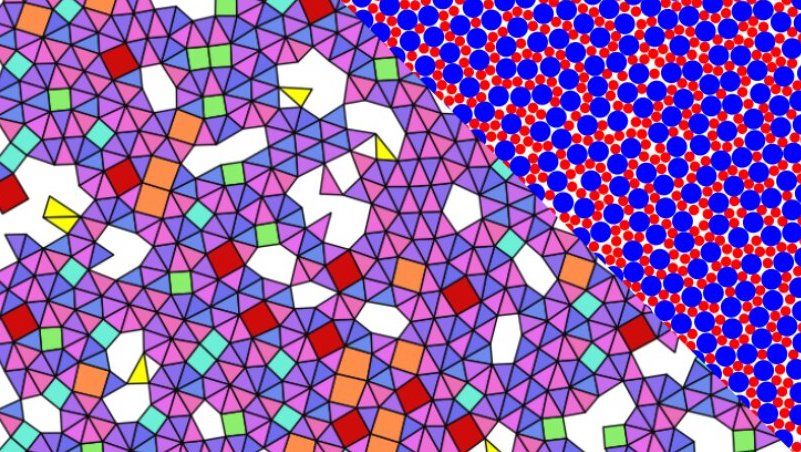
Scientists have created the largest-ever quasicrystal, a structure that was previously considered impossible, by jiggling thousands of metal beads in a tray for a week. Quasicrystals are crystals that have an ordered arrangement of atoms but do not repeat in a regular pattern. The researchers used computer simulations to determine the best types of particles to form a large quasicrystal and found that two particles should be used. The resulting quasicrystal had a tiled, non-repeating structure composed of large and small spheres. While practical applications for quasicrystals are still in the future, their unique properties could have potential uses in heat shielding, steel reinforcement, and bone repair.
Scientists in Hamburg have developed the Spitrobot, a device that simplifies observing changes in proteins and makes time-resolved crystallography more accessible to non-specialist research groups. The device simplifies the entire sample preparation process, from fixing protein crystals to cryo-trapping proteins at various stages of transformation. This innovation will accelerate fundamental research in health and disease, as it enables more research groups to conduct experiments that were previously exclusive to experts.
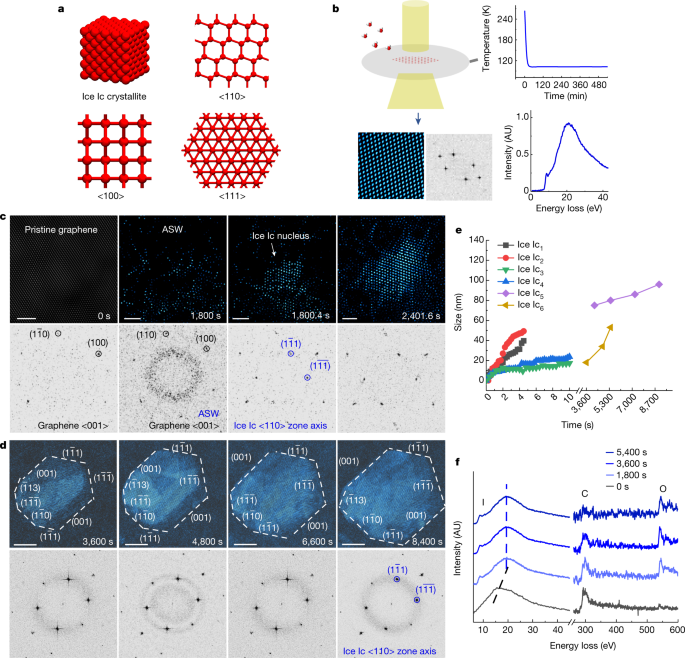
Scientists have used transmission electron microscopy to track the formation of cubic ice at the molecular level, providing new insights into the structure of this rare form of ice. The researchers found that cubic ice forms through a two-step process, with the formation of a metastable precursor phase preceding the formation of the final cubic ice structure. The study sheds light on the crystallography of cubic ice and could have implications for understanding ice formation in the atmosphere and in materials science.