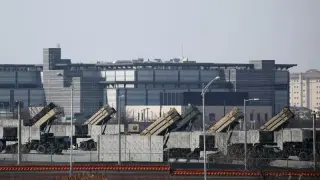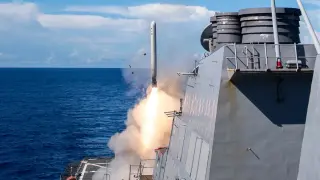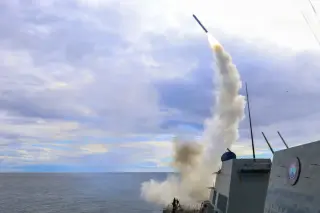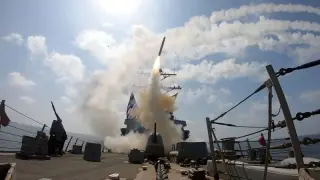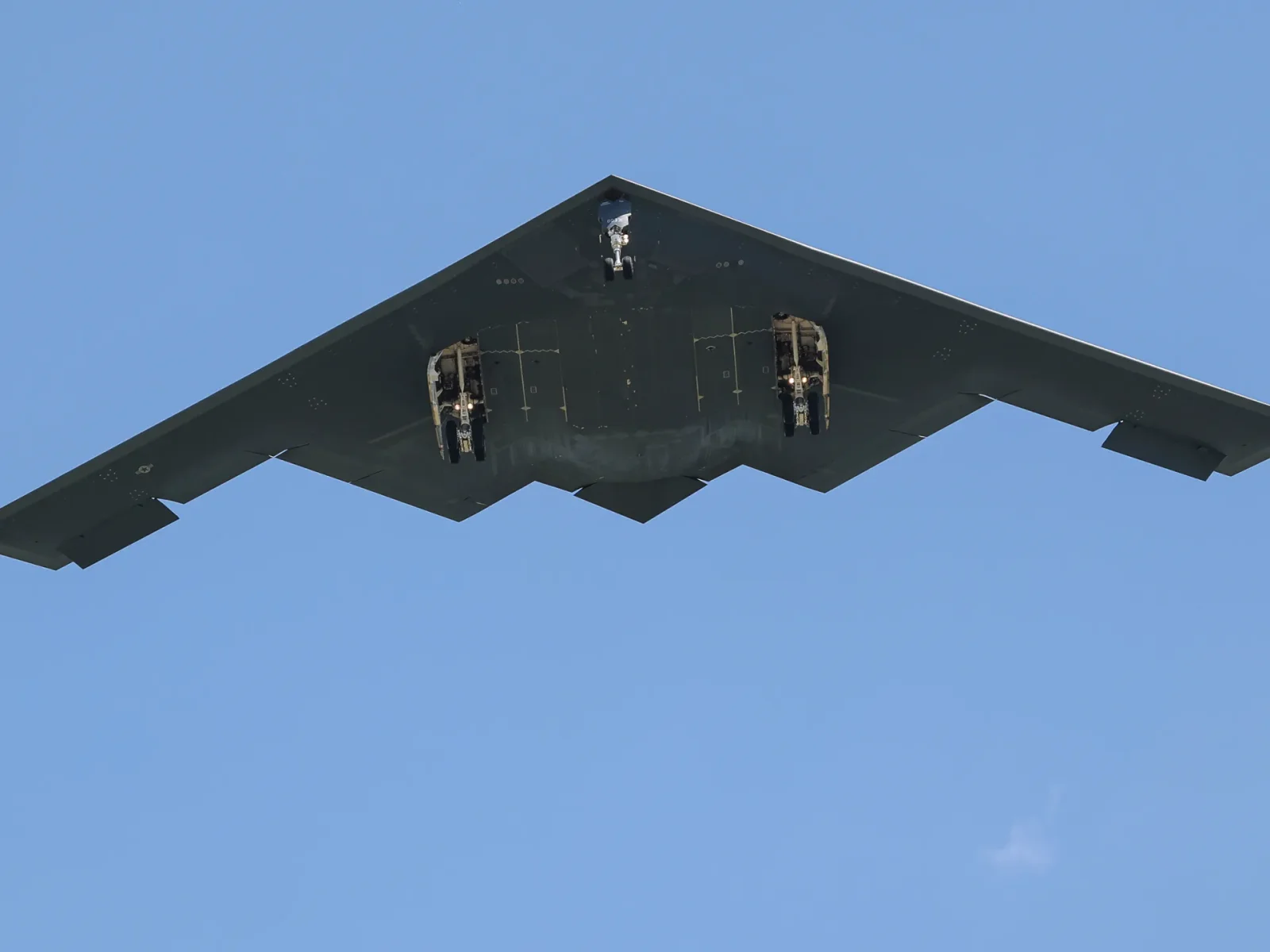
A CSIS analysis calculates that the first 100 hours of the US-Israel campaign against Iran cost about $3.7 billion, most of it unbudgeted and likely to necessitate supplemental funding, with domestic inflation pressures and casualties shaping public and political reaction.
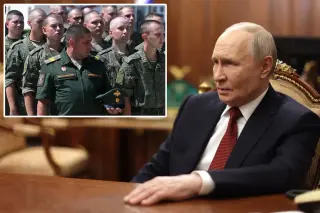
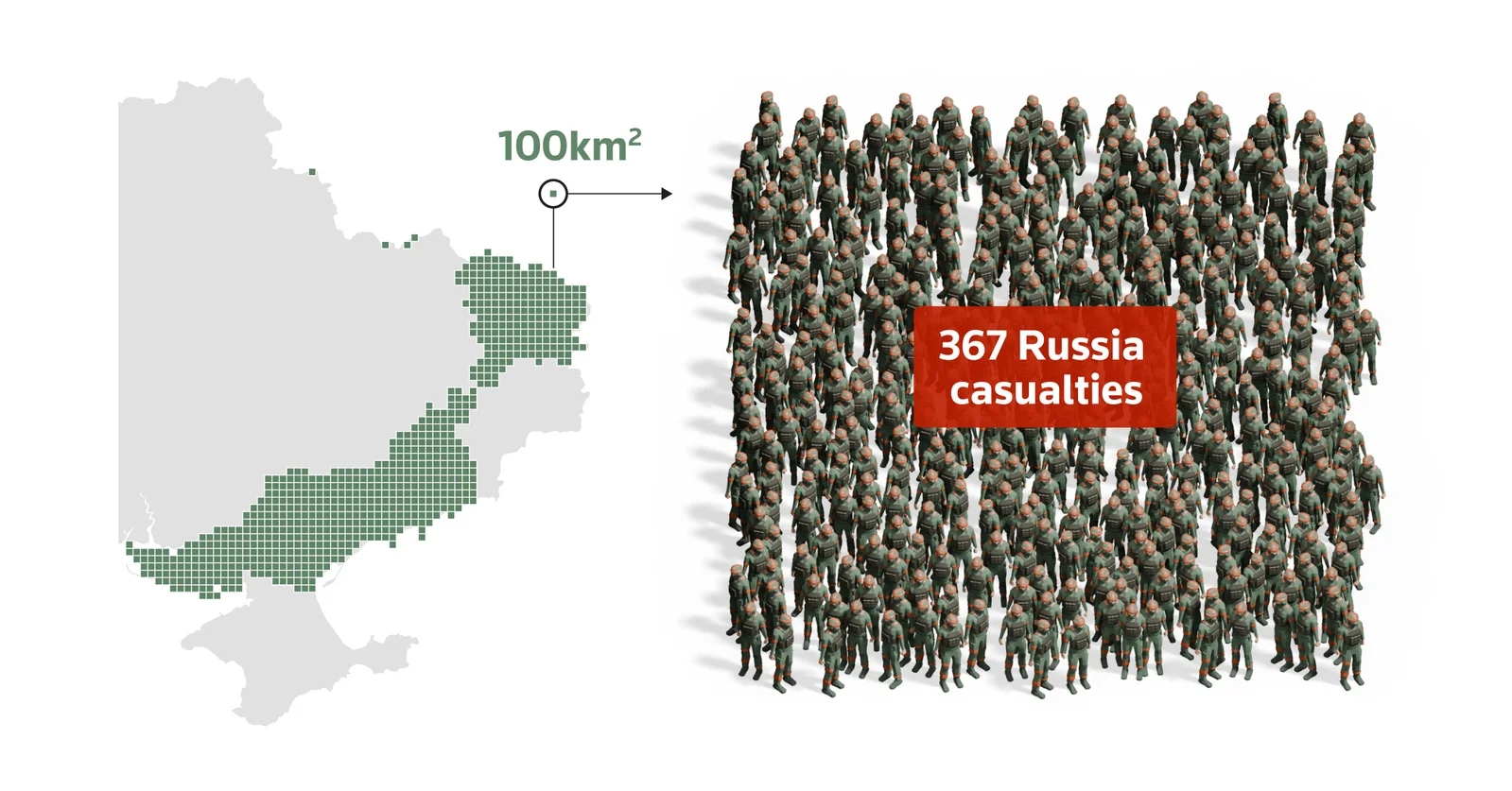
Four years after Russia launched its invasion, Moscow controls about 75,000 sq km of eastern Ukraine, with an estimated 367 Russian casualties per 100 sq km gained. CSIS puts Russian battlefield casualties at about 1.2 million since 2022 (roughly 26,000 per month), while Ukrainian fatalities are far lower (roughly 100,000–140,000). Frontline dynamics have shifted to small land grabs and stalemated fronts, concentrated in Donbas and towns like Pokrovsk and Kupiansk, as Kyiv seeks reversals and Moscow presses on with costly, high-casualty tactics. Zelenskiy has urged higher Ukrainian lethality to stretch Moscow’s resources, even as peace talks stall and both sides endure immense human and material costs.
A CSIS estimate puts Russia’s end-2025 combat casualties at about 1.2 million (killed, missing, wounded), with total war casualties on both sides near 2 million—far surpassing any major power since World War II. However, many wounded are reintegrated into service and missing data are uncertain, so the publicly visible figures likely understate the true human cost of the war.
CSIS researchers estimate Russia’s three main offensives since 2024 have advanced about 15–70 meters per day, far slower than the 80 meters per day achieved at the Somme, making Moscow’s gains over two years among the slowest in modern warfare; the pace reflects an attritional front saturated with drones, high Russian casualties, and limited maneuver, with only pockets of progress such as the November 2025 push toward Huliaipole.
A CSIS analysis shows Russia’s advance in Ukraine is occurring at the slowest pace in more than a century of warfare, with gains in eastern Ukraine measured in mere metres per day (as low as 15 m/day at Chasiv Yar and about 23 m/day near Kupiansk). Overall territory captured in 2024 and 2025 is tiny (about 0.6% in 2024 and 0.8% in 2025), while casualties exceed 1.2 million. The report argues Moscow is paying a heavy price for minimal gains, despite assertions of battlefield momentum amid renewed peace talks; Washington’s security guarantees for Ukraine appear contingent on Kyiv making concessions.
A CSIS analysis projects combined Russian and Ukrainian casualties could total up to 2 million by spring, with Russia bearing the majority (~1.2 million casualties and up to 325,000 deaths) and Ukraine at roughly 500,000–600,000 casualties; the conflict has settled into a slow, attrition-driven grind and casualty figures from both sides remain disputed by authorities.
The Kremlin dismissed a CSIS estimate that Russian casualties in Ukraine reach 1.2 million as unreliable, saying casualty figures should come from Russia's Defense Ministry; CSIS cites about 325,000 Russian killed and 875,000 wounded or missing, Ukraine losses at 100,000–140,000 killed with 460,000–500,000 wounded/missing, and the broader toll includes civilian deaths; Russia last disclosed battlefield losses in 2022.
CSIS’s annual assessment finds Russia’s main offensives since early 2024 have advanced only about 15–70 meters per day, the slowest pace in a century, with enormous human and economic costs; Moscow has captured roughly 120,000 sq km (about 20% of Ukraine), far short of its aims, while casualties approach 1.2 million and Russia’s economy stagnates, signaling a protracted, attrition-based war.
A CSIS report estimates about 1.2 million Russian troops have been killed, wounded, or missing in Ukraine since the invasion began, with Ukrainian losses around 0.5–0.6 million. The costly campaign has yielded minimal territorial gains—roughly 12% of Ukrainian land since 2022—and Russia’s economy is weakening (growth around 0.6% in 2025). Analysts say Moscow’s losses exceed sustainable recruitment, calling into question any notion of an easy victory and signaling that Western pressure may remain a key driver toward a negotiated end.
A Guinea iron ore shipment to China signals a shift in global supply chains that could reshape the calculus of any Taiwan invasion; despite the US’s military edge, China’s expanding naval, air, and missile capabilities and security alliances like Aukus complicate intervention, and public wargaming offers grim, varied outcomes. The core message is that peace hinges on deterring Beijing by making invasion too costly, as strategic competition reshapes the Pacific balance and global economies.