Deepest chemosynthetic life found 9.5 km below the Pacific floor
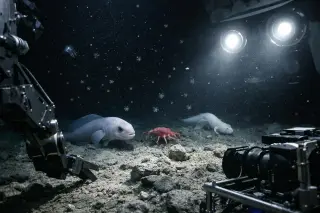
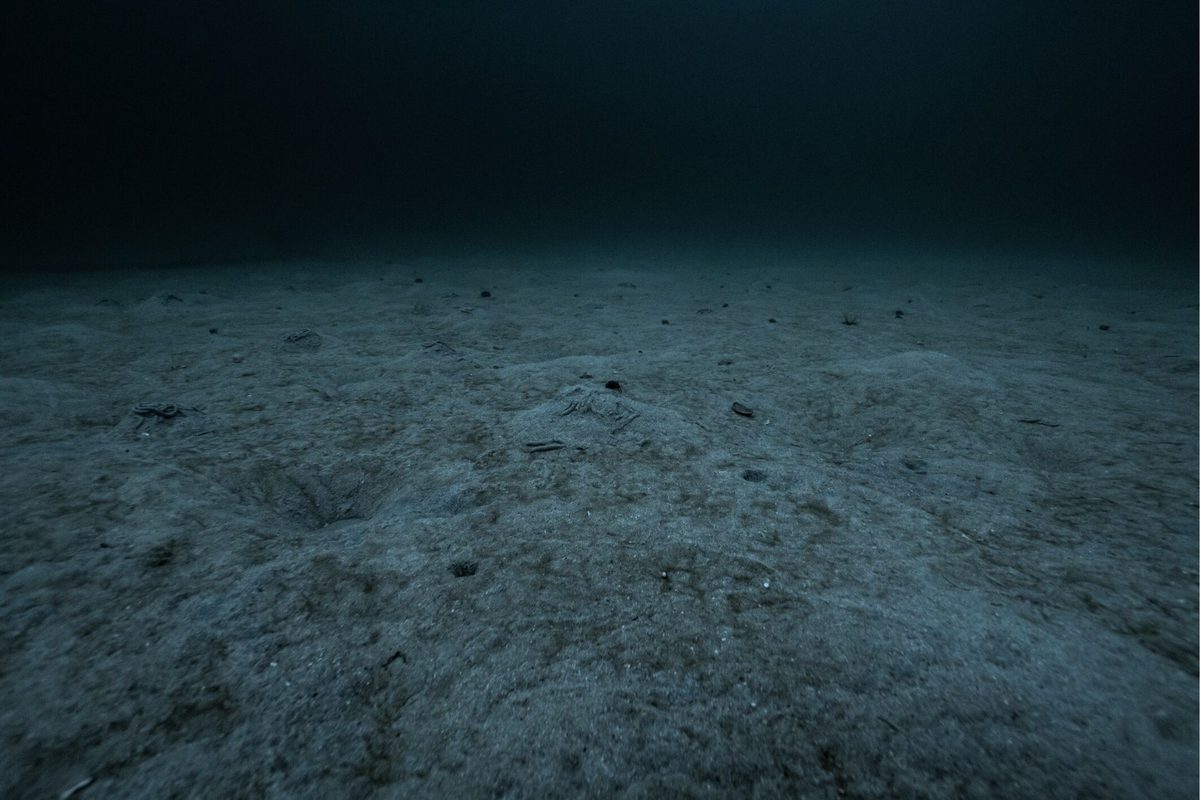
Chinese researchers aboard the Fendouzhe submersible documented dense beds of tubeworms and white clams on trench floors down to 9,533 metres, sustained by chemosynthesis from methane and hydrogen sulfide. This marks the deepest known animal ecosystem and suggests a sprawling chemosynthetic life corridor in hadal depths, with potential implications for the deep-sea carbon cycle. The findings come from two Pacific trenches (Kuril–Kamchatka and western Aleutian) and highlight a largely underexplored extreme environment, while raising questions about breadth across trenches and the sub-seafloor microbial ecosystem fueling it.