Tag

Scavengers

All articles tagged with #scavengers

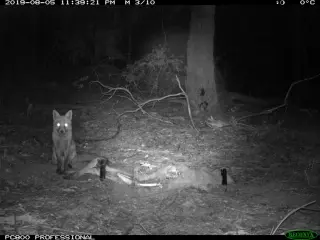
Kangaroo Carcass Study Reveals Seasonal Shifts in Apex Scavenger Feeding Preferences
science-and-nature1 month ago

Kangaroo Carcass Study Reveals Seasonal Shifts in Apex Scavenger Feeding Preferences

Researchers from the University of Sydney and the University of Glasgow placed 40 eastern grey kangaroo carcasses in Wolgan Valley, New South Wales, to study scavenger behavior. Using camera traps over 30 days, they observed that apex scavengers like dingoes and wedge-tailed eagles exhibit selective feeding habits, targeting specific body parts for non-protein energy. The study, published in Royal Society Open Science, found that these preferences shift with seasons and decomposition stages, a first for carnivores, while smaller mesoscavengers like red foxes showed less variation.

Whale Falls Spark Hidden Deep-Sea Ecosystems
science7 months ago

Whale Falls Spark Hidden Deep-Sea Ecosystems

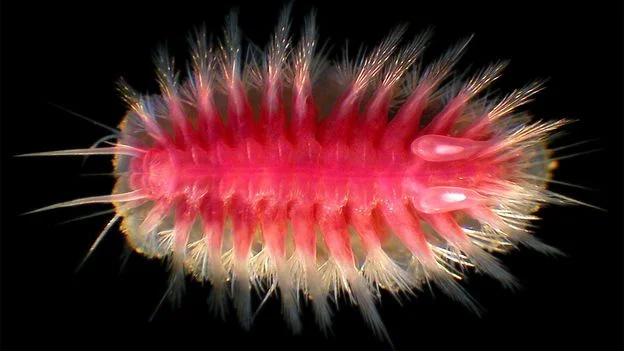
When a whale carcass sinks to the deep ocean, it becomes a long-lasting, multi-stage feast: initial scavengers strip flesh, bone‑eating worms (Osedax) and bone‑eating snot‑flowers bore into bone, and later sulphur‑loving chemoautotrophs sustain a thriving community for decades, turning a single whale into a whole new ecosystem and aiding the dispersal of specialized deep‑sea life.

"Unprecedented Worm Species Consumes Alligator in Astonishing Study"
science2 years ago

"Unprecedented Worm Species Consumes Alligator in Astonishing Study"

Researchers conducted an experiment by dropping dead alligators into the deep sea to observe scavenger behavior. They were surprised to find large isopods feasting on the carcasses, and a new species of bone-eating worm, previously unseen in the Gulf of Mexico, consuming the remains. One alligator disappeared, likely taken by a large scavenger, possibly a shark. The experiment provided valuable insights into deep-sea scavenger behavior and the presence of unique marine species.

Unlocking the Protective Potential of Tasmanian Devil Whiskers.
environment3 years ago

Unlocking the Protective Potential of Tasmanian Devil Whiskers.

Tasmanian devils may be mostly eating foods inadvertently provided by humans, which can change their behavior and put them in harm's way. A study found that devil populations in highly disturbed landscapes fed on just one type of food, while those in old-growth rainforest habitats had a diverse diet. The presence of roadkill poses risks to devils, and a more diverse diet could reduce their risk of transmitting or catching the aggressive facial tumor disease that has caused their population to fall by 68%. Conserving wild landscapes is vital to protecting Tasmanian devils.