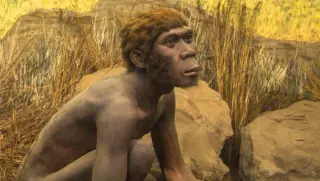
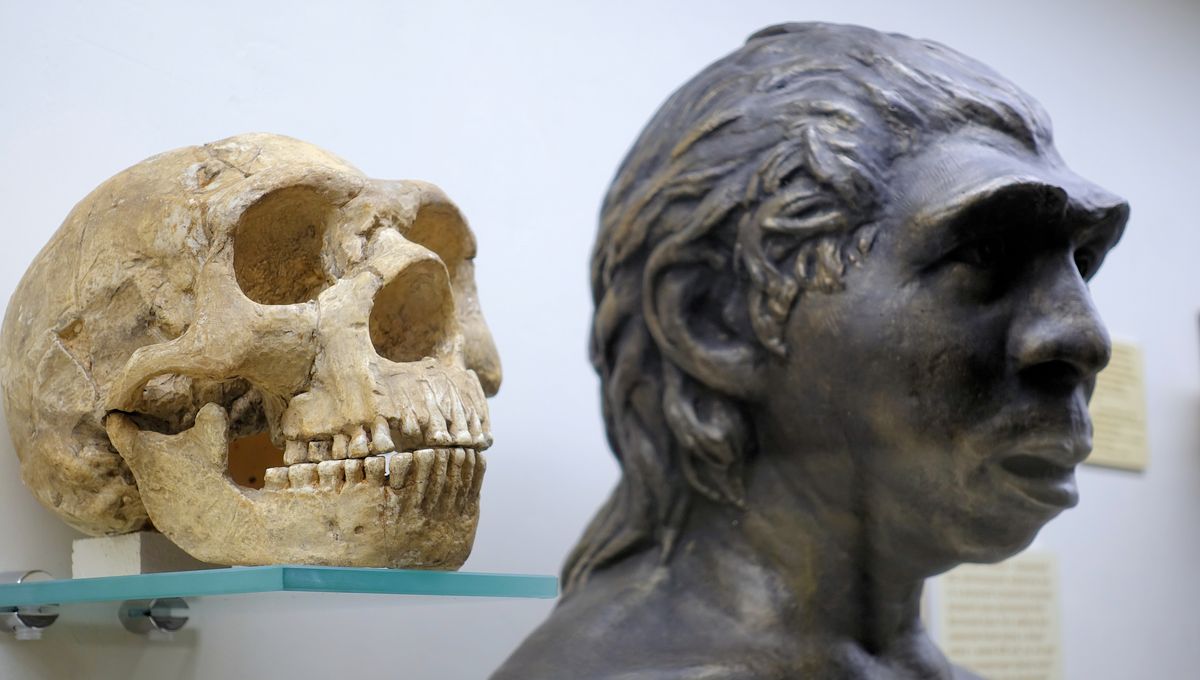
Two Denisovan leg bones from Taiwan’s Penghu Channel imply tall statures around 180–190 cm with meat-heavy diets, linked by collagen to other Denisovan remains; dating places them ~45,000 years ago, adding eastern Asia to the Denisovan picture and suggesting possible contact with modern humans.
A new computational method called TRACE uncovers traces of two unknown archaic human lineages in modern genomes. One African ghost lineage, diverging ~800,000 years ago and interbreeding with Homo sapiens over 50,000 years ago, contributes about 1% of every person’s DNA. A second, “super-archaic” lineage dating to ~1.8 million years ago mixed with Denisovans in Eurasia, with traces most evident in Oceania. Together, these lineages account for roughly 2% of the modern genome and include segments linked to immunity and metabolism, hinting at adaptive value. The study, published in Science on July 30, 2026, showcases how ancestral recombination graph methods can reveal deep ancestry without ancient DNA.
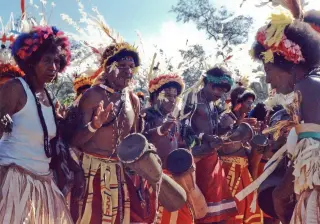
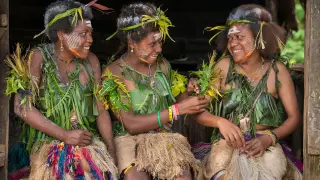
Researchers sequenced 177 Near Oceanian genomes and found that 3,127 Denisovan-derived variants remain functional in modern humans, many affecting immune signaling (notably interferon-gamma). Some Papua New Guinean populations carry up to ~5% Denisovan ancestry, reflecting interbreeding with multiple Denisovan-related groups and underscoring the health relevance of archaic DNA.
A large, first-of-its-kind map of Denisovan-derived DNA in Oceanian populations identified about 3,127 variants that still influence immune-system genes today; many are unique to Oceania, and natural selection increased their frequency in Near Oceania, suggesting Denisovan DNA helped defend against novel pathogens, though the exact benefits vary and researchers say more Oceanian genome sequencing is needed to fully understand health implications.
Researchers sequenced 177 high-coverage genomes from 12 Near Oceanian populations and found that this region harbors some of the oldest human DNA, including a rich Denisovan legacy from at least three Denisovan-like groups. Near Oceanian genomes contain about 2.5 times more archaic DNA than Europeans and far more Denisovan DNA than East Asians, with high-frequency archaic variants linked to immunity and skeletal development, suggesting multiple interbreeding events and adaptive benefits. The findings reshape our understanding of Denisovans and human evolution and have implications for medical research in Oceanian populations.
A Science study sequenced 177 Near Oceanian genomes and found their ancestors inherited DNA from three Denisovan-like groups, making Near Oceanians the populations with the most ancient human DNA. Denisovan DNA is about 14 times higher there than in East Asians, with Sepik Islanders showing up to 25 times more. Long isolation and bottlenecks over tens of thousands of years shaped their distinct genomes, and some archaic variants appear to influence immune pathways today (e.g., TRPS1, OAS1, JAK1, GBP2), possibly affecting malaria resistance and antiviral responses. The team analyzed over 1.8 billion bases, noting multiple, independent introgression events, and conducted functional tests on 22,000 variants to confirm gene activity changes. Published in Science (2026) with ongoing work to time the events and link variants to health outcomes.
A large-scale whole-genome study of over 3,200 Japanese individuals uncovers a previously hidden third ancestral group linked to the Emishi in northeastern Japan, supporting a tripartite origin for modern Japan and revealing persistent Neanderthal and Denisovan DNA with potential health implications.
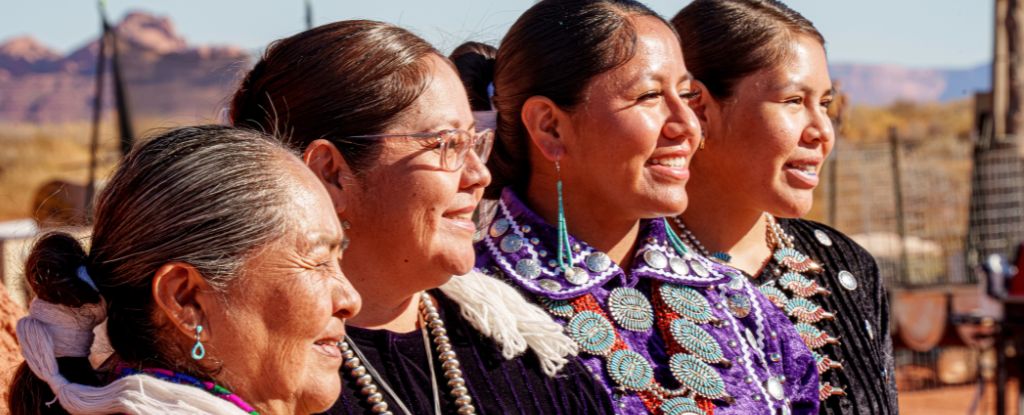
A genetic variant inherited from Denisovans may have helped modern humans adapt and survive in the Americas by expanding the mucin gene MUC19, which could have improved mucus properties for environmental adaptation, indicating complex interbreeding and evolutionary processes.
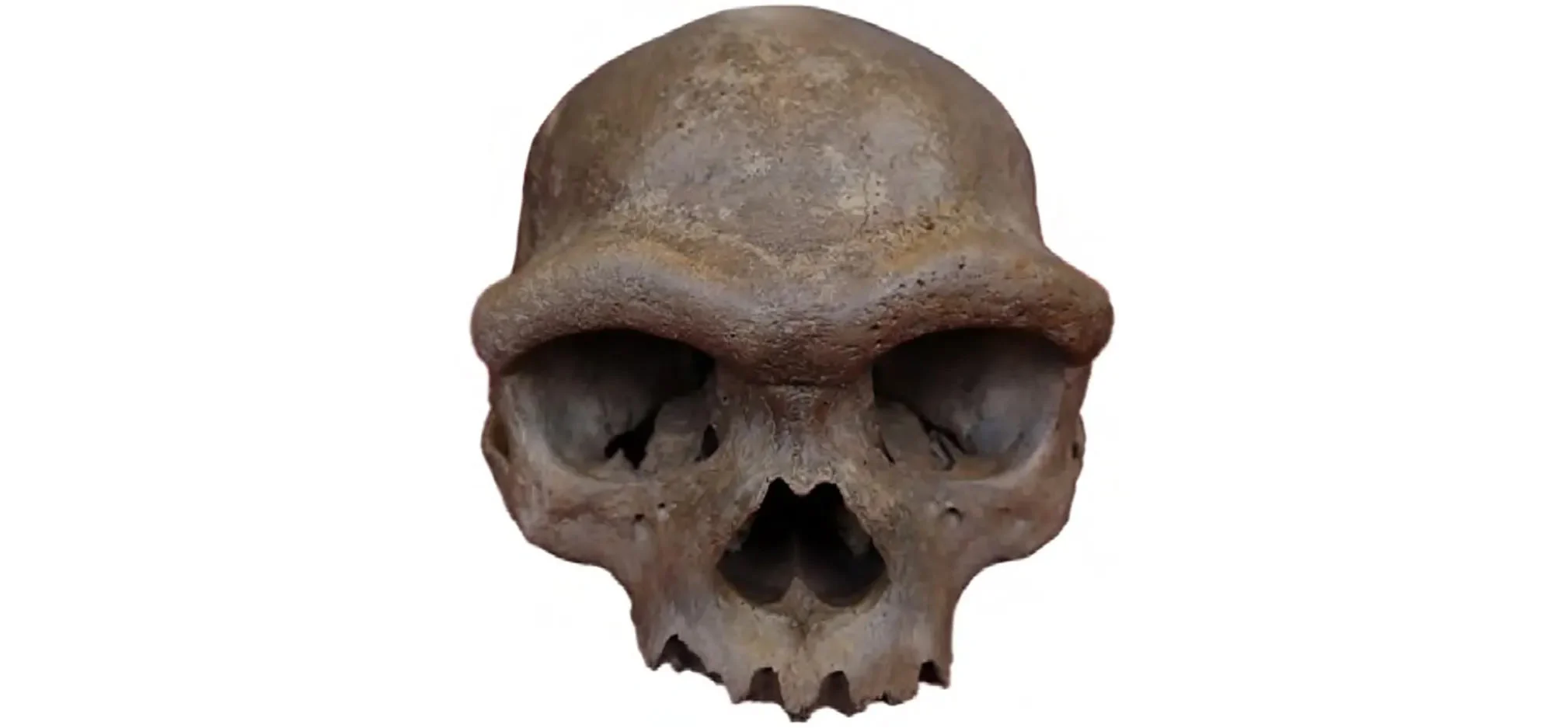
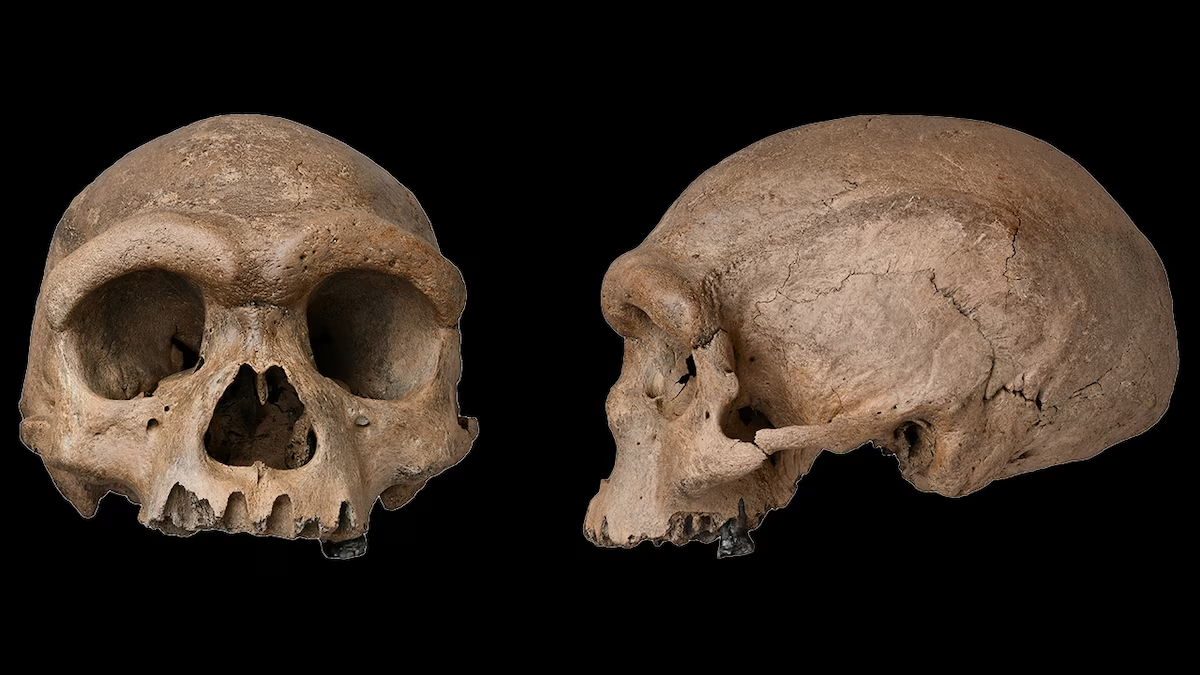
Researchers confirmed that the nearly complete Harbin skull, dating back at least 146,000 years, belongs to the Denisovan lineage, expanding understanding of their geographic range and morphology through advanced protein and DNA analysis, and linking it directly to Denisovan populations.
Scientists have identified a skull found in China as belonging to a Denisovan, making it the only known complete Denisovan skull and providing new insights into ancient human species and their distribution across East Asia.
Recent research highlights how interbreeding between Homo sapiens and extinct human species like Neanderthals and Denisovans has left a lasting impact on modern humans. This genetic mingling has influenced our physical traits, such as nose and lip shape, and has significantly affected our immune systems. While some inherited genes offer protection against certain diseases, others may increase susceptibility, as seen with COVID-19 and conditions like type II diabetes. The study underscores the complex genetic legacy of our ancestors and its ongoing influence on human health and evolution.