Tag

Behavioral Psychology

All articles tagged with #behavioral psychology

Why 'Tossing' Clutter Is a Common ADHD Coping Mechanism
health-and-wellness1 month ago

Why 'Tossing' Clutter Is a Common ADHD Coping Mechanism

The practice of 'tossing'—immediately discarding clutter without sorting—is a common response to executive dysfunction in individuals with ADHD. While it provides instant relief from overwhelm, experts warn it can lead to the loss of important items and fails to build long-term distress tolerance. Therapists recommend breaking tasks into smaller steps, such as the '10 Things Game,' and practicing self-compassion to manage the underlying anxiety that drives this behavior.


Neuroscience Suggests Midnight Wakefulness Triggers Unique Brain Vulnerabilities
science2 months ago

Neuroscience Suggests Midnight Wakefulness Triggers Unique Brain Vulnerabilities

A 2022 hypothesis suggests the human brain undergoes specific functional changes after midnight, increasing susceptibility to negative emotions and risky behaviors. This 'Mind After Midnight' theory posits that circadian rhythms alter reward processing and attention, potentially explaining higher rates of suicide and substance misuse during late-night hours.

Therapist urges users to track phone pickups before cutting screen time
health-and-wellness2 months ago

Therapist urges users to track phone pickups before cutting screen time

Psychotherapist Niro Feliciano advises that the first step to reducing phone usage is not immediate restriction, but rather tracking how often and why one picks up the device. She notes that smartphone engagement is often unconscious, driven by dopamine releases from notifications. By identifying specific triggers, users can better manage their attention. Feliciano suggests practical steps like silencing notifications for three hours or keeping the phone out of sight, particularly during sleep and waking hours, to break habitual usage patterns.

The Cognitive Cost of Waiting: Why We Rush Tasks to Free Working Memory
psychology3 months ago

The Cognitive Cost of Waiting: Why We Rush Tasks to Free Working Memory

Research indicates that people often complete tasks inefficiently, such as carrying items one at a time, to reduce the mental burden of holding an unfinished task in working memory. This behavior, termed precrastination, involves trading physical effort for immediate cognitive relief, a pattern observed in both humans and pigeons.

Turning Screen Time Into Real Life: A Mom’s Playbook for Less Tech, More Joy
lifestyle7 months ago

Turning Screen Time Into Real Life: A Mom’s Playbook for Less Tech, More Joy

CNN’s Life piece features Dr. Michaeleen Doucleff explaining that reducing kids’ screen time works best when you replace it with equally engaging offline activities and shape home environments to support healthy habits. Rather than a purge, implement small, lasting changes (like outdoor adventures, art corners, or family projects) and use blockers to keep homework distraction-free. Framing choices positively—celebrating real-world activities over digital rewards—helps kids choose offline options, reducing battles and improving evenings, sleep, and overall family happiness. Doucleff also notes her own life improved after cutting back on tech, highlighting the broader benefits of a well-structured digital diet for families.

Steady meals and weekend calories tied to greater weight loss, study finds

Steady meals and weekend calories tied to greater weight loss, study finds

In a Health Psychology study of 112 adults in a behavioral weight‑loss program, researchers found that eating the same meals and maintaining a consistent daily calorie intake led to greater weight loss than a highly varied diet. Each 100‑calorie daily fluctuation reduced weight loss by about 0.6%; participants who repeated more than half of their weekly foods lost about 5.9% of body weight versus 4.3% for those with a more varied diet. Additionally, those who logged higher weekend calories tended to lose more weight. The findings support building routines around go‑to meals, tracking intake for mindfulness and accountability, and rotating foods within groups to preserve enjoyment and gut diversity. GLP‑1 weight‑loss drugs exist and are popular, but behavioral strategies remain effective.

Psychology Hack to Boost Your Motivation
health1 year ago

Psychology Hack to Boost Your Motivation

The article discusses 'dopamine anchoring,' a psychology technique that involves pairing enjoyable stimuli with challenging tasks to boost motivation by leveraging the brain's dopamine system, which can help improve focus and pleasure in completing tasks, especially for those with conditions like ADHD or depression. It emphasizes using simple, non-addictive rewards consistently to train the brain and enhance natural motivation, while cautioning against over-reliance on external stimuli.

"Maximizing Longevity: The Role of Fitness in Healthy Aging"
health-and-wellness2 years ago

"Maximizing Longevity: The Role of Fitness in Healthy Aging"

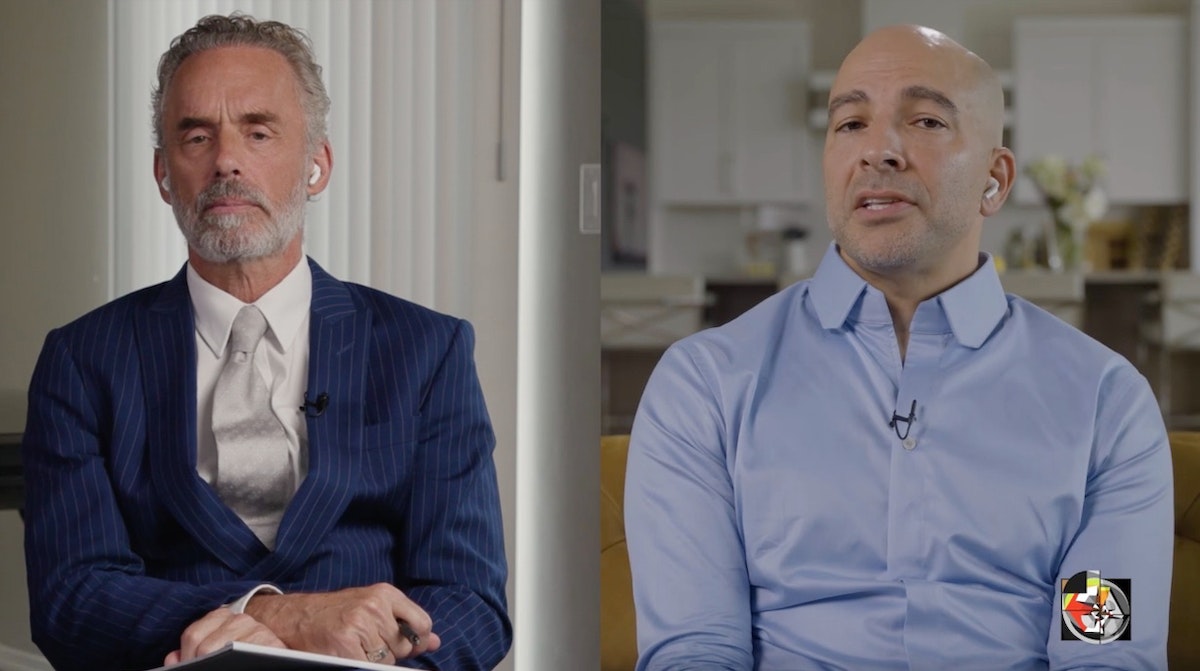
Dr. Jordan Peterson and physician Peter Attia discuss the benefits of exercise, particularly for cognitive function and overall health. They emphasize the significant impact of even just three hours of exercise per week, highlighting its role in improving cognitive function, delaying dementia, and reducing all-cause mortality. They also provide practical advice for initiating and sustaining an exercise routine, emphasizing the behavioral aspects of behavior change and the potential benefits of starting with small, manageable steps.