Stanford team creates mice with human cortex to model brain disease
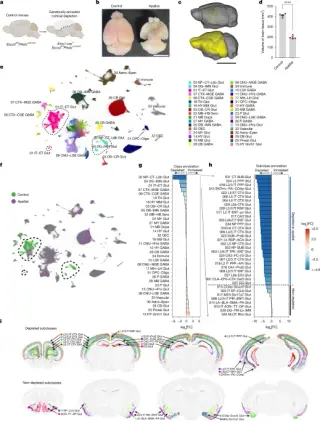
Stanford researchers have developed a new platform called 'xenocortication' that replaces the mouse cerebral cortex and hippocampus with human neural tissue. By genetically depleting mouse brain regions and transplanting human cortical organoids, scientists can now study human neurodevelopment and test therapies for disorders like schizophrenia and cerebral palsy in living animals. The human tissue occupies about half the mouse brain volume, integrates with host circuits, and exhibits organized electrical activity, offering a significant advance over previous in vitro models.