Tag

Dwarf Planets

All articles tagged with #dwarf planets

science13 days ago

Rubin Observatory Identifies Potential Sixth Dwarf Planet, 2026 ED138, in Kuiper Belt

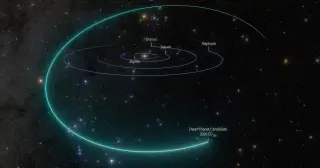
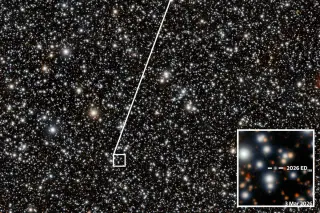
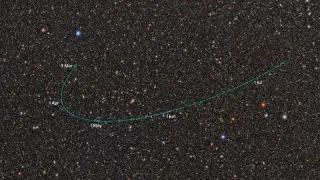
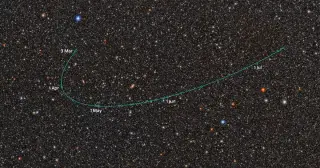
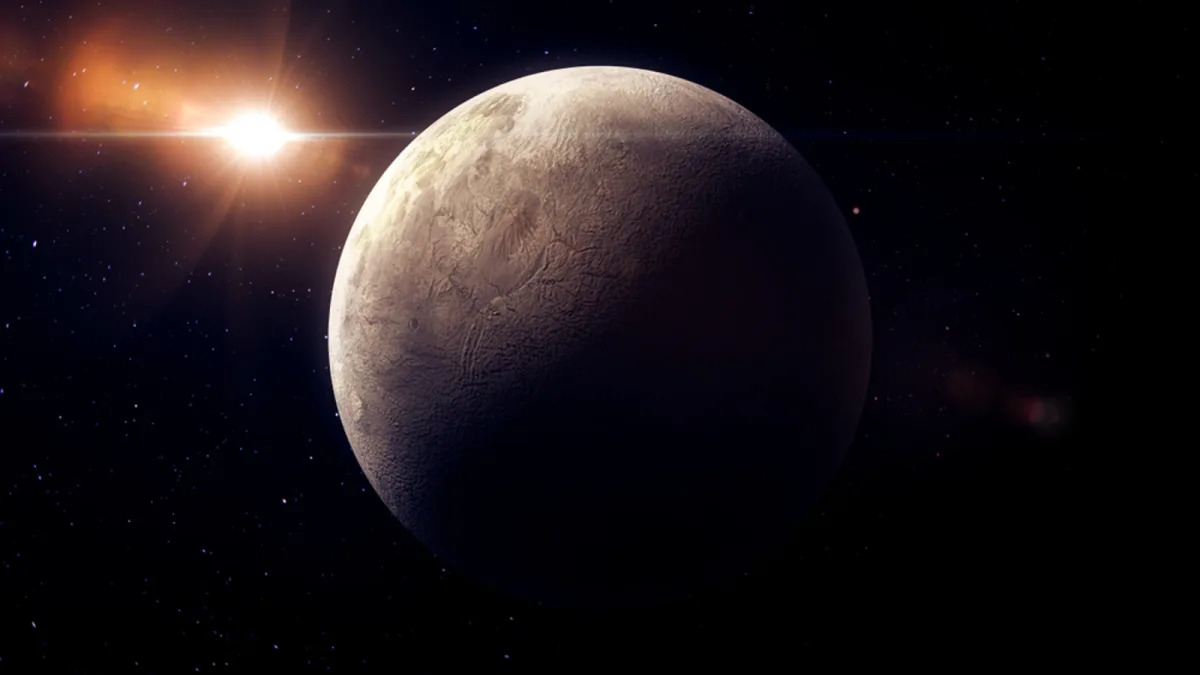
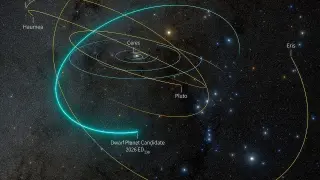
Astronomers have identified a massive icy body, provisionally named 2026 ED138, orbiting beyond Neptune. Detected by the Vera C. Rubin Observatory, the object is estimated to be 600 to 1,500 kilometers in diameter. If confirmed as spherical, it would become the solar system's sixth recognized dwarf planet. Archival data allows researchers to track its orbit back to 2016, though further measurements are needed to verify its classification.
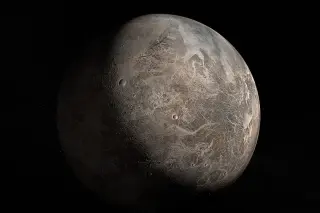
Rubin Observatory Uncovers Massive Dwarf Planet Candidate 2026 ED138 Beyond Pluto
science21 days ago

Rubin Observatory Uncovers Massive Dwarf Planet Candidate 2026 ED138 Beyond Pluto

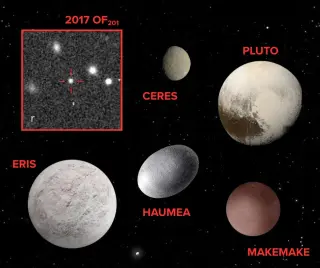
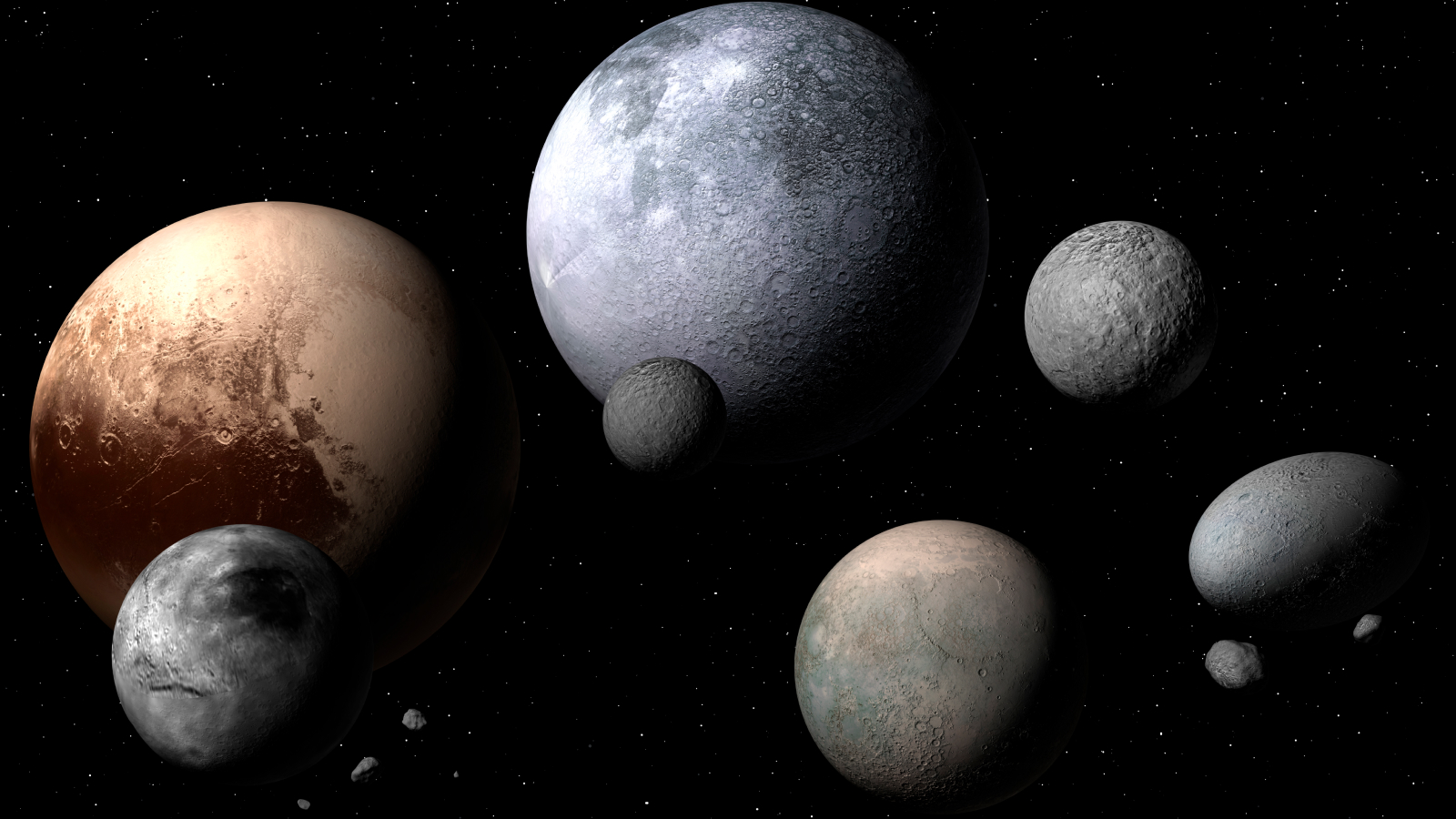
Astronomers have identified a massive new dwarf planet candidate, designated 2026 ED138, located beyond Pluto’s orbit. Discovered using data from the newly operational Vera C. Rubin Observatory in Chile, the object is estimated to be between 370 and 930 miles across. If confirmed as a spherical body, it would become the sixth recognized dwarf planet in our solar system, joining Pluto, Ceres, Eris, Haumea, and Makemake. The discovery highlights the Rubin Observatory’s capability to detect large, previously hidden objects in the Kuiper Belt.

Rubin Observatory Unveils Massive New Dwarf Planet Candidate in the Kuiper Belt
science24 days ago

Rubin Observatory Unveils Massive New Dwarf Planet Candidate in the Kuiper Belt

Astronomers have identified a potential new dwarf planet, provisionally named 2026 ED138, orbiting far beyond Neptune. Detected by the Vera C. Rubin Observatory in Chile, the object is estimated to be 600 to 1,500 kilometers wide, making it potentially larger than Ceres. While its existence is confirmed by multiple observations, its official classification as a dwarf planet requires further infrared measurements to verify its spherical shape. The discovery highlights the Rubin Observatory's capability to uncover hidden bodies in the outer solar system, with scientists expecting many more similar finds in the coming decade.

Rubin Observatory Identifies Potential Sixth Dwarf Planet, 2026 ED138
science25 days ago

Rubin Observatory Identifies Potential Sixth Dwarf Planet, 2026 ED138

Astronomers have identified a new celestial body, provisionally named 2026 ED138, that may be the solar system’s sixth recognized dwarf planet. Discovered using data from the Vera C. Rubin Observatory in Chile, the object orbits the sun at approximately 46 astronomical units, placing it beyond Pluto. While its existence is confirmed by archival data dating back to 2016, its official classification as a dwarf planet awaits further measurements to verify its size and spherical shape.

Rubin Observatory Unveils Hidden Dwarf Planet Candidate 2026 ED138
science26 days ago

Rubin Observatory Unveils Hidden Dwarf Planet Candidate 2026 ED138

Astronomers have identified a new dwarf planet candidate, 2026 ED138, orbiting beyond Pluto. Discovered using data from the Vera C. Rubin Observatory in Chile, the object is estimated to be between 600 and 1,500 kilometers in diameter. If confirmed, it would join the five recognized dwarf planets: Ceres, Pluto, Haumea, Makemake, and Eris. The discovery was made by Matthew Holman and Mario Jurić, who found archival observations dating back to 2016. The object’s large size and bright appearance suggest it may be spherical, a key criterion for dwarf planet status, though infrared measurements are needed for final confirmation.

Rubin Observatory Spots Large Trans-Neptunian Object 2026 ED138
science26 days ago

Rubin Observatory Spots Large Trans-Neptunian Object 2026 ED138

Astronomers have identified a new dwarf planet candidate, designated 2026 ED138, orbiting beyond Pluto. Discovered using data from the Vera C. Rubin Observatory in Chile, the object is estimated to be between 600 and 1,500 kilometers in diameter. If confirmed, it would join the five recognized dwarf planets: Ceres, Pluto, Haumea, Makemake, and Eris. The discovery was made by Matthew Holman and Mario Jurić, who found archival observations dating back to 2016. The object’s large size and bright appearance suggest it may be spherical, a key criterion for dwarf planet status, though infrared measurements are needed for final confirmation.

Vera Rubin Observatory Identifies Potential Dwarf Planet 2026 ED138 in Kuiper Belt
science26 days ago

Vera Rubin Observatory Identifies Potential Dwarf Planet 2026 ED138 in Kuiper Belt

Astronomers have identified a large, icy object named 2026 ED138 in the Kuiper Belt, potentially making it the sixth confirmed dwarf planet. Discovered by the Vera C. Rubin Observatory, the body has an orbit similar to Pluto's but was previously hidden by its high inclination and faintness. Its size is estimated between 600 and 1,500 kilometers, though infrared observations are needed to confirm its spherical shape and official status.

The Enduring Hunt for Planet Nine: A Century-Long Mystery in the Outer Solar System
astronomy2 months ago

The Enduring Hunt for Planet Nine: A Century-Long Mystery in the Outer Solar System

Astronomers have searched for a hypothetical 'Planet 9' in the outer solar system for over a century, a quest that began after Neptune's discovery and was briefly satisfied by Pluto's 1930 discovery. Pluto's 2006 reclassification as a dwarf planet reignited the debate, and some scientists now believe a discovery could be imminent, though the planet remains unconfirmed.

Archival data reveals dwarf-planet candidate 2017 OF201, suggesting hundreds of hidden worlds in the outer solar system
science3 months ago

Archival data reveals dwarf-planet candidate 2017 OF201, suggesting hundreds of hidden worlds in the outer solar system

Astronomers identified a new dwarf-planet candidate, 2017 OF201, using archival images from public telescope surveys. The object orbits the Sun every 25,000 years but is visible for only 0.5% of that time, suggesting many similar bodies remain undetected. Its extreme orbit and size imply it may be a dwarf planet, though its shape is unconfirmed. The discovery highlights the limitations of current surveys and constrains theories about a hypothetical Planet Nine.

Mysterious Solar System Object Reveals New Celestial Insights
science1 year ago

Mysterious Solar System Object Reveals New Celestial Insights

Scientists continue to investigate the possibility of a massive undiscovered planet beyond Neptune, known as Planet Nine, which could explain the irregular orbits of Kuiper Belt objects. While evidence has grown, challenges remain due to limited observations and new discoveries of stable distant objects that suggest such a planet might be farther than initially thought. Ongoing observations and future technology will be crucial in confirming or refuting its existence.

"Growing Evidence Suggests Hidden 'Planet 9' in Our Solar System"
science2 years ago

"Growing Evidence Suggests Hidden 'Planet 9' in Our Solar System"

Scientists are investigating the possibility of a ninth planet, known as Planet Nine or Planet X, in our Solar System. This hypothetical planet, believed to be at least ten times the mass of Earth, could explain the unusual orbits of distant dwarf planets. Despite extensive searches, Planet Nine remains elusive due to its expected faintness and distance from the Sun. New telescopes and surveys in the coming decade may finally confirm or disprove its existence.

"James Webb Telescope Uncovers Potential for Life on Distant Dwarf Planets"
astronomy2 years ago

"James Webb Telescope Uncovers Potential for Life on Distant Dwarf Planets"

The James Webb Space Telescope has detected potential geological activity on the dwarf planets Eris and Makemake, suggesting the possibility of conditions conducive to supporting alien life. The presence of thermogenic methane in their atmospheres indicates ongoing or recent geological processes, challenging previous assumptions about the activity of dwarf planets. These findings raise the likelihood of life developing on these distant worlds and prompt the suggestion for future exploration missions to further assess their geological potential.

"James Webb Telescope Identifies Potential Life Conditions on Dwarf Planets Beyond Neptune"
space-science2 years ago

"James Webb Telescope Identifies Potential Life Conditions on Dwarf Planets Beyond Neptune"

The James Webb Space Telescope has detected potential geological activity on the dwarf planets Eris and Makemake, suggesting they could support alien life. The presence of thermogenic methane in their atmospheres indicates ongoing or recent geological processes, challenging previous assumptions about the activity of small celestial bodies. These findings raise the possibility of life on these planets and highlight the need for further exploration to assess their geological potential.