U.S. strikes suspected drug-boat in the Eastern Pacific, two killed
The United States carried out a strike against an alleged drug-transport vessel in the eastern Pacific, resulting in two fatalities.
All articles tagged with #eastern pacific

The United States carried out a strike against an alleged drug-transport vessel in the eastern Pacific, resulting in two fatalities.

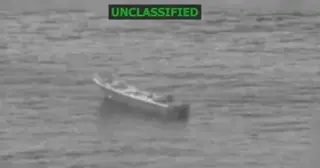
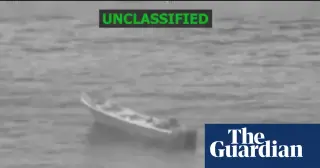
The US military said it struck a boat in the eastern Pacific suspected of smuggling drugs, killing two men and raising the toll of people killed in such boat strikes to at least 207 since September, though it offered no evidence the vessel carried drugs. The operation feeds a broader debate over the legality and effectiveness of the campaign against Latin American traffickers, as Trump frames it as self-defense in an armed conflict while critics point to past strikes and legal questions; the Pentagon watchdog will review the targeting process, not the legality of the strikes.

The US military said it killed three men aboard a vessel in the eastern Pacific in back-to-back strikes, the second in as many days, as part of a week with four such operations; officials say the target was involved in narco-trafficking, but critics and rights groups say there is no definitive evidence of trafficking and have labeled the killings unlawful extrajudicial actions, even as the administration frames the measures as part of an armed conflict with drug cartels, with the total toll from similar strikes exceeding 200 in recent months.

A developing El Niño is expected to boost the Eastern Pacific hurricane season in 2026 due to warmer waters and reduced vertical wind shear, while the Atlantic may see fewer storms because of cooler waters and more wind shear, though activity won’t vanish. The East Pacific season begins May 15, with names Amanda, Boris, Cristina and Douglas, and forecasters will monitor outlooks; past events like 2023's Hilary and 2025's Kiko illustrate how El Niño and La Niña patterns influence storms.

The US Southern Command says it killed two people and left one survivor in a strike on a vessel in the eastern Pacific, marking the third attack in May against ships it says are linked to narco-trafficking. The Pentagon claims the vessel was operating along known drug-trafficking routes and tied to designated terrorist organizations, but provided no corroborating evidence. No US forces were harmed. Critics label the strikes extrajudicial killings and say there is no declared state of armed conflict to justify them; since the operation began in September, US officials say more than 170 people have been killed, though estimates vary.

The U.S. military says a strike against a vessel suspected of ferrying drugs in the eastern Pacific killed three people, according to U.S. Southern Command, highlighting ongoing anti-smuggling operations at sea.

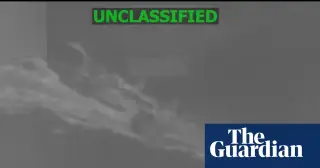
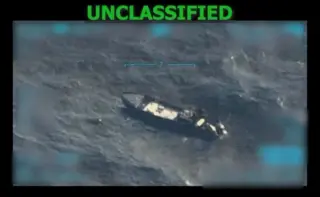
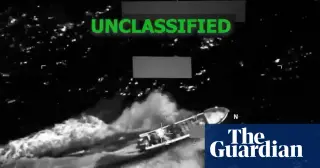
The U.S. military says it struck and sank a boat in the eastern Pacific suspected of drug trafficking, killing two people with no American casualties reported; video shows the vessel burning after the strike. The operation is part of a broader campaign that, per the report, has killed about 183 people since September, though authorities haven’t provided evidence the boats carried drugs. The action comes as the U.S. expands its regional presence and ahead of the January raid that captured Nicolás Maduro, with critics questioning the legality of such strikes.

The U.S. military says it killed two people in an attack on a small boat in the eastern Pacific as part of a broader counter-narcotics campaign; the operation has reportedly killed about 178 people since last September, but critics question whether the targeted vessels were involved in drug trafficking and whether the strikes comply with U.S. and international law, with lawsuits by victims’ families and UN rights groups raising concerns.

The United States conducted a strike on an alleged drug-smuggling boat in the eastern Pacific, resulting in two fatalities, with details provided during a Pentagon briefing by Defense Secretary Pete Hegseth.

The US military conducted its fifth lethal strike in the eastern Pacific against a vessel it says is operated by designated narco-trafficking groups, killing three people and raising the toll cited by AFP to about 177. Supporters frame the actions as a fight against narco-terrorists, while rights groups warn the strikes may be extrajudicial killings and note a lack of clear evidence that those killed were involved in drug trafficking.

The Pentagon reports a new boat strike in the eastern Pacific has killed two people; AP News adds a note of update on April 14, 2026, but the excerpt provides few additional details about the incident.

Two people were killed when a U.S.-led strike on a small boat in the eastern Pacific hit a vessel operated by a U.S.-designated terrorist group involved in drug trafficking; the strike, part of Joint Task Force Southern Spear and directed by Marine Gen. Francis Donovan, left no U.S. casualties and has spurred questions about legal justification and due process.

The US military says it attacked a low-profile vessel in the Eastern Pacific suspected of narco-trafficking; initial reports of three survivors were revised, with two later found dead and one survivor recovered. The strike is part of Operation Southern Spear, a campaign that has caused dozens of fatalities and faces criticism from scholars and observers who describe it as extrajudicial.

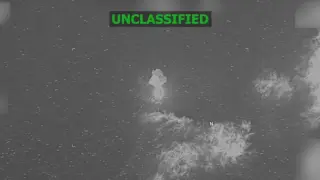
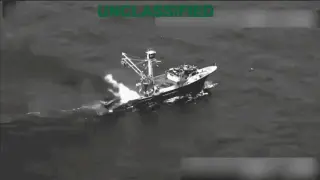
The U.S. military says six men were killed in a strike on an alleged drug-smuggling vessel in the eastern Pacific as part of the Trump administration’s campaign against traffickers, bringing the toll in these operations to at least 157 since September. The Pentagon provided no evidence that the vessel carried drugs, though it released a video of the boat exploding. Trump has framed the actions as an armed conflict with cartels, while critics question legal justifications and effectiveness, noting concerns from a prior attack in which survivors were killed in a follow-up strike.

The U.S. Southern Command says 11 men were killed in three strikes on suspected drug-trafficking boats in the Eastern Pacific and Caribbean (four on the first vessel, four on the second, three on the third), with no U.S. personnel injured. The operation, carried out since September, has faced questions about legality and due process, as the Pentagon has provided no evidence that the boats carried drugs, while officials claim the crews were combatants in an armed conflict with drug cartels. The pace of strikes has slowed since Maduro's 2024 capture, and some families have sued the U.S. government. More than 130 people have reportedly been killed in these strikes overall.