Tag

Emotion

All articles tagged with #emotion

Brains Predict Before Perception: How We Classify the World in Real Time
science24 days ago

Brains Predict Before Perception: How We Classify the World in Real Time

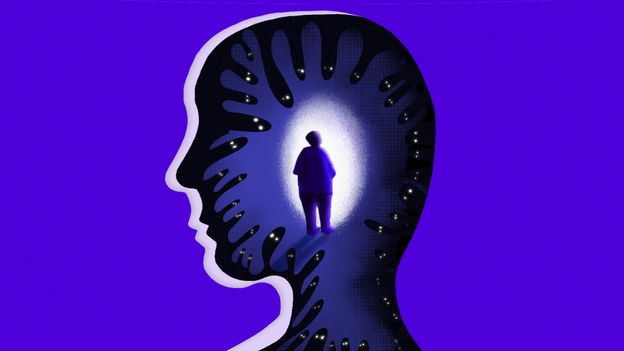
Neuroscientists Lisa Feldman Barrett and Earl Miller argue that the brain constructs categories on the fly through predictions before sensory input, meaning we infer what we’re seeing (like a cat) based on past experience, bodily signals, and language. This predictive view challenges bottom-up ideas of perception and ties bias, beginner’s mind, and even mental-health concepts to how we categorize the world.


Touch That Endures: How Gentle Contact Shapes Memory and Bonds Over a Lifetime
lifestyle28 days ago

Touch That Endures: How Gentle Contact Shapes Memory and Bonds Over a Lifetime

A multidisciplinary study argues for ‘affective tactile memory’: meaningful, slow, warm touch lingers in memory not as facts but as bodily and emotional traces that influence how safe we feel and how we bond with others across life. By linking skin nerve fibers to emotion and reward brain networks, the research suggests touch memories may be partially reenacted in the body, shaping trust, attachment, and relationships. This highlights the enduring importance of physical contact even in a digital age and points to implications for anxiety, trauma, and attachment disorders.

Gait cues reveal mood: study links limb swing to anger and sadness
science2 months ago

Gait cues reveal mood: study links limb swing to anger and sadness

New research shows that how a person walks—especially arm and leg swing amplitude—can signal their emotional state. In experiments, observers correctly guessed emotions from point-light gait videos, with bigger swings associated with anger and smaller swings with sadness or fear; altering swing amplitude made these emotions easier to infer, suggesting gait is a key nonverbal cue with potential applications in CCTV screening and mood-monitoring wearables, though ethical considerations remain.

Autistic and non-autistic faces encode emotions in different languages.
mind-and-brain4 months ago

Autistic and non-autistic faces encode emotions in different languages.

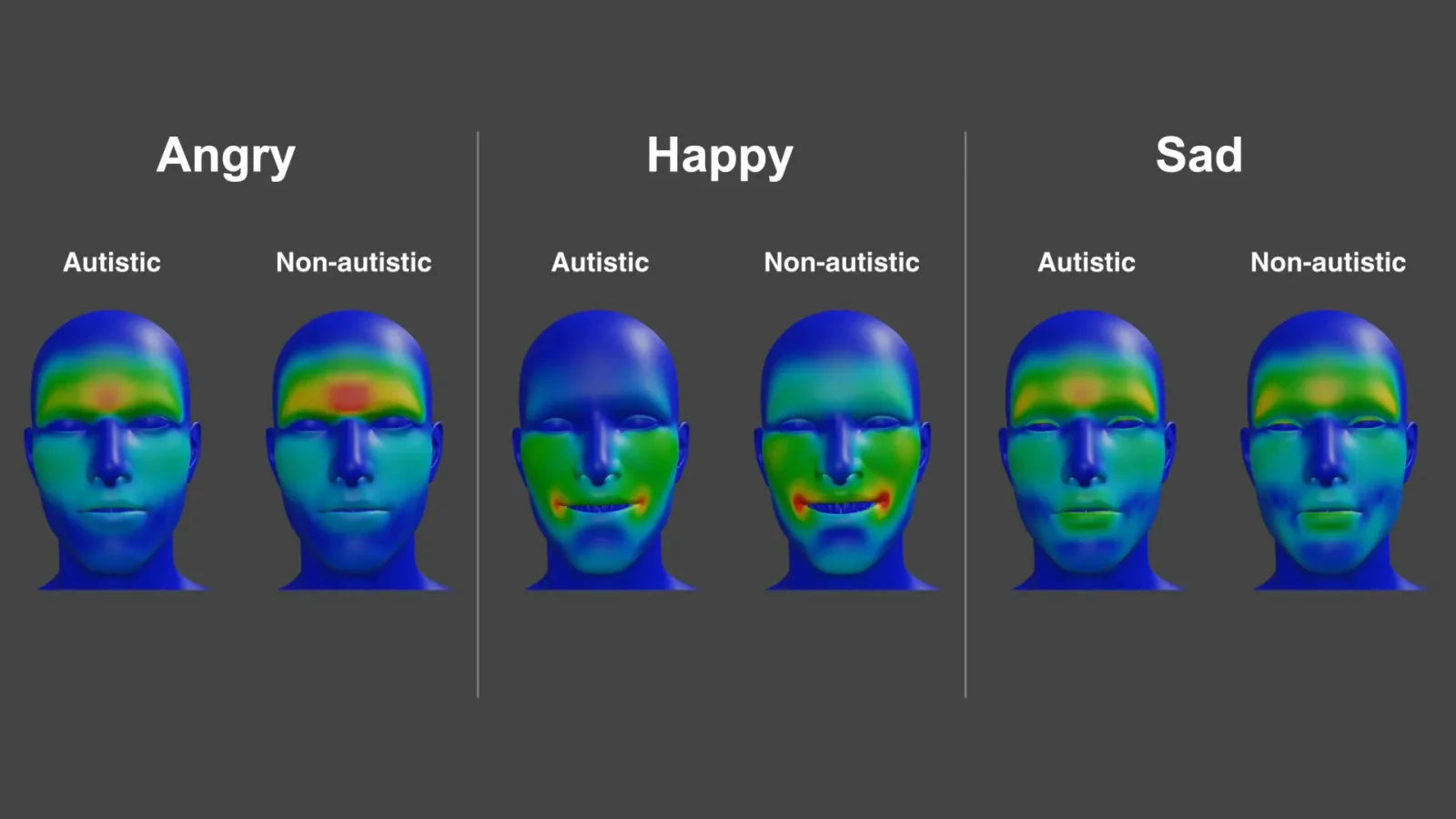
A Birmingham-led study using advanced facial motion tracking found autistic and non-autistic people express basic emotions with different facial cues, leading to mutual misinterpretations. Autistic expressions tend to be more varied and rely more on mouth movements, with subtler smiles and distinct sadness cues; alexithymia further blurs these expressions. The researchers frame emotional expression as two complementary 'languages' rather than a deficit and call for more work on cross-language understanding.

The rare condition that eliminates fear sensation
science8 months ago

The rare condition that eliminates fear sensation

Some rare individuals, like Jordy Cernik and SM, lack the ability to feel fear due to damage or mutation affecting the amygdala, a brain region involved in processing fear, revealing that fear responses are complex and can be specific to external or internal threats, with implications for understanding survival and modern stress.

Shohei Ohtani's Dynamic Return to the Mound
sports11 months ago

Shohei Ohtani's Dynamic Return to the Mound

Shohei Ohtani's first game pitching for the Dodgers revealed a more emotional and intense side of him, contrasting with his playful hitting demeanor. He threw fastballs over 100 mph, was visibly frustrated, and showed more animated reactions on the mound, while his batting performance remained relaxed and successful. This game highlighted the different sides of Ohtani as both a pitcher and hitter.

Recent Neuroscience Studies Uncover Surprising Memory Insights
science11 months ago

Recent Neuroscience Studies Uncover Surprising Memory Insights

Recent neuroscience studies reveal that memory is an active, adaptable system influenced by emotion, attention, and bodily processes, with findings showing how emotional arousal can blur memories, repetition strengthens emotional memories via the amygdala, chewing may boost memory through antioxidants, stress can distort and generalize memories, non-neural cells can 'remember' stimuli, long-term memory stability involves molecular mechanisms, and attention is only influenced by memory when actively engaged.

Emotional Battles and Epic Performances on 'The Voice'
entertainment2 years ago

Emotional Battles and Epic Performances on 'The Voice'

Reba McEntire gets emotional during The Voice Battle Rounds rehearsals as she pairs up two of her team members for a duet. She tears up multiple times while instructing the singers to bring emotion to their performance. Although the actual performance lacked some of the heart from rehearsals, Reba names Alison the winner of the Battle. Gwen Stefani, who is returning to The Voice without her husband Blake Shelton, shares her experience and praises Reba's coaching. The Voice airs on NBC.

"Powerball Winner Caught on Camera at Store That Sold $1B Ticket"
human-interest2 years ago

"Powerball Winner Caught on Camera at Store That Sold $1B Ticket"

A woman claiming to be the winner of the $1.08 billion Powerball jackpot was seen at the California convenience store where the ticket was sold, overcome with emotion and unable to speak. She hugged people and collapsed on her knees in tears before driving off in a BMW. The store owner initially thought it was fake, but his daughters believe the woman is the daughter of a customer who bought the ticket. The formal process to officially identify the winner will take longer, according to the California Lottery. The store owner will receive a $1 million bonus for selling the ticket.

The Left Side of the Brain: A Key Player in Human Hearing Preferences
science3 years ago

The Left Side of the Brain: A Key Player in Human Hearing Preferences

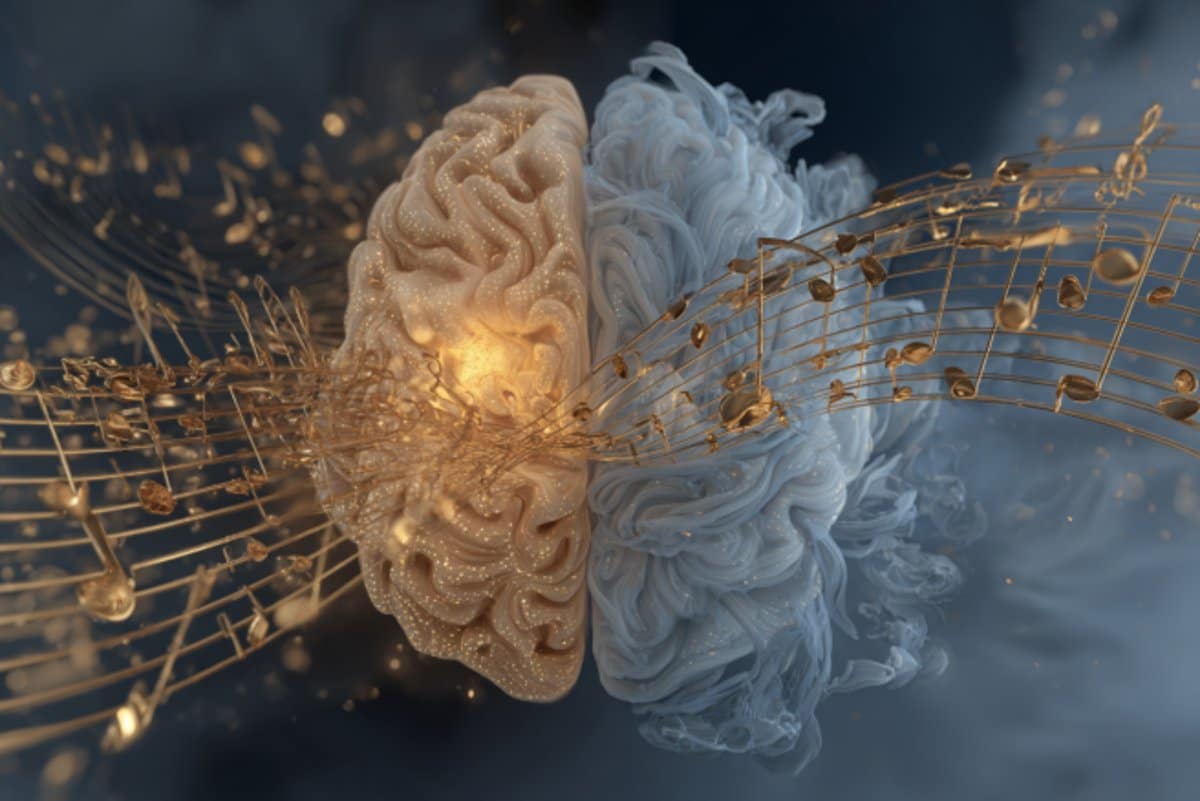
A new study conducted by neuroscientists at the Swiss Federal Institute of Technology Lausanne, Lausanne University Hospital, and the University of Lausanne in Switzerland found that most humans prefer hearing out of their left ear over the right one. The left ear drives information to the right hemisphere of the auditory cortex first, better allowing us to process emotion. The study is a major step forward for how further studies will be conducted to better understand how we as humans input information.

The Brain's Peculiar Affinity for Left-Side Sounds
neuroscience3 years ago

The Brain's Peculiar Affinity for Left-Side Sounds

Neuroscientists have discovered that positive human sounds, like laughter, trigger stronger neural activity in the brain's auditory system when they are heard from the left-hand side, suggesting the human auditory cortex is specially tuned to the direction of sounds that make us happy. The left ear can more easily identify the emotional tone in someone's voice, hinting at some underlying specialization. The study suggests that heightened sensitivity to certain noises coming from certain directions makes broad evolutionary sense, but a left-handed bias to the emotion in human voices is not so easily explained.