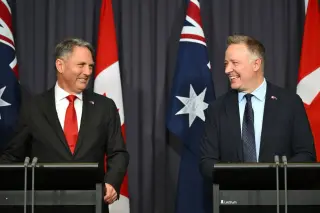
Australia and Canada signed a $1.75 billion export agreement to supply an Over-the-Horizon radar system, announced by Defence Minister Richard Marles and Canada’s Stephen Fuhr in Canberra, highlighting a major defense-technology export between the two allies.
Australia has agreed to sell advanced radar technology to Canada in a record 1.7 billion deal, marking a major defense export and boosting Canada’s air-surveillance capabilities.
Tesla has started producing right-hand drive cars at its Germany plant for export to India later this year, with plans to visit India to explore sites for a local manufacturing plant requiring a $2 billion investment. This move follows India's reduction of import tax rates on certain electric vehicles, benefiting Tesla, which had lobbied for lower taxes. The company's entry into India also includes investment in a charging network and sourcing more components locally, as it aims to build a factory within two years and increase its presence in the growing Indian EV market.
China has canceled a record number of US wheat export shipments, with the latest cancellation totaling 264,000 metric tons, bringing the total to 504,000 tons, the most in USDA data going back to 1999. This has weighed on Chicago futures, causing wheat futures to fall initially before recovering. The cancellations indicate that China can obtain wheat at a cheaper price from other sources, leading to pressure on prices due to abundant world crop supplies.
China's stumbling economy is expected to export deflation to the world, impacting global markets and prices as the country grapples with slowing growth and weakening demand. This trend could have significant implications for international trade and economic stability, as China's economic performance has far-reaching effects on the global economy.
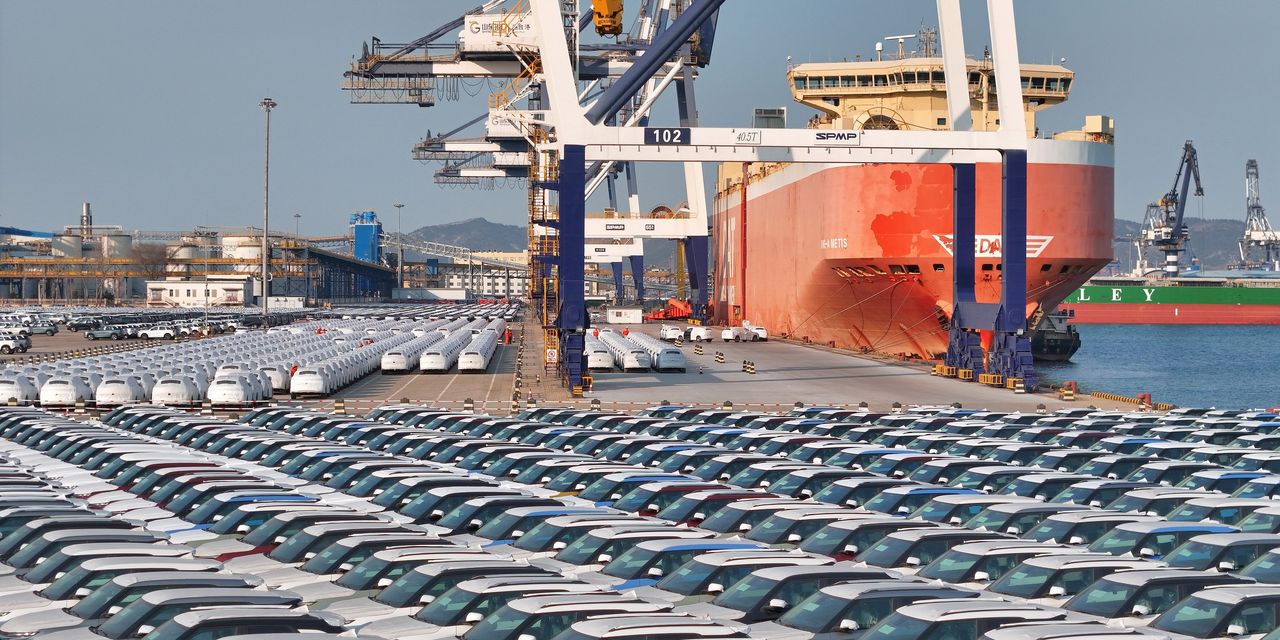
China has emerged as the world's largest auto exporter, with Russia becoming its top buyer, driven by a surge in overseas auto sales, particularly in traditional gas-powered vehicles. Chinese car brands have capitalized on Moscow's invasion of Ukraine and Western sanctions, leading to a record-breaking year for China's auto exports and positioning the country to surpass Japan as the leading car exporter globally.
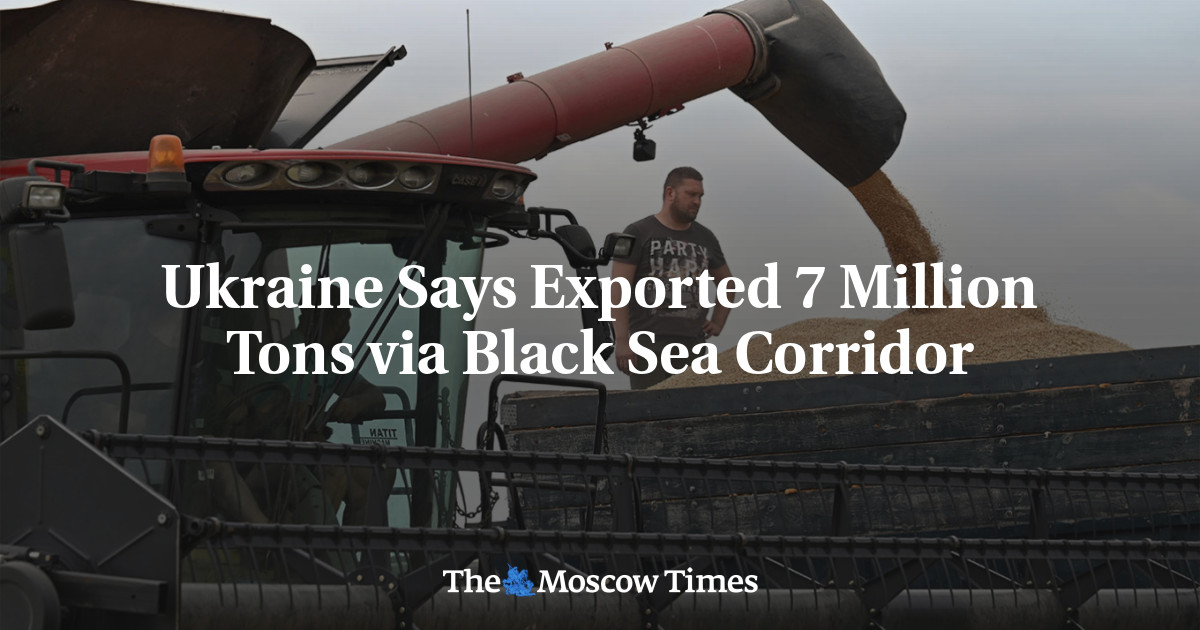
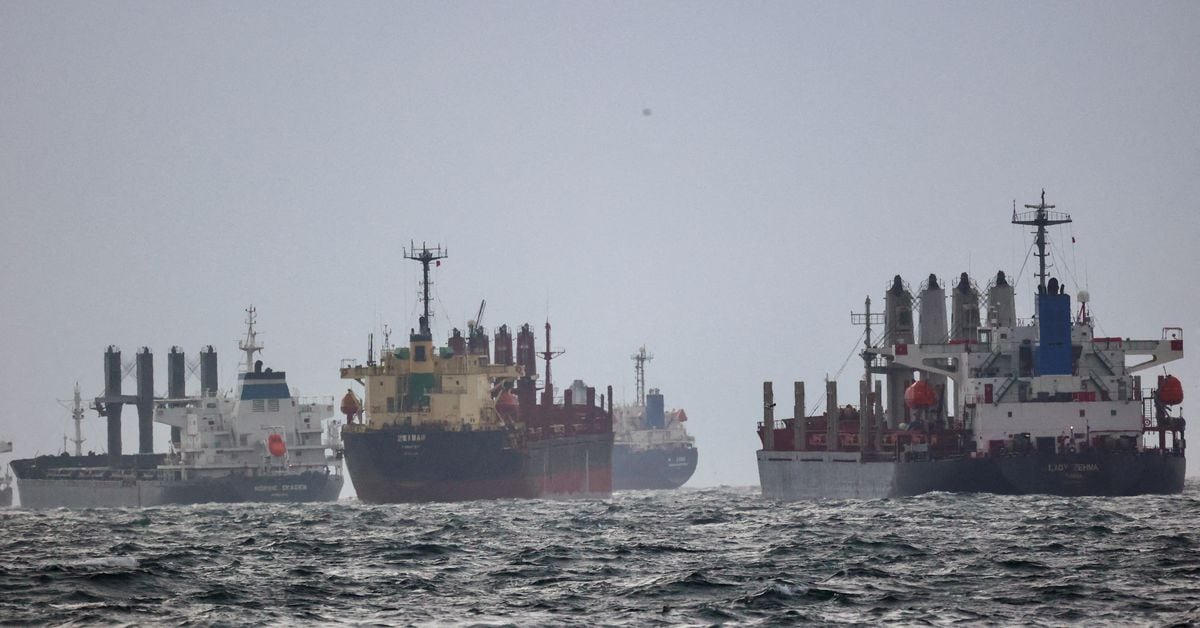
Ukraine has announced that it exported approximately 7 million tons of cargo through the Black Sea, a significant increase despite Russia's blockade. The cargo included nearly 5 million tons of Ukrainian agricultural products. Currently, 31 vessels are loading at Ukrainian ports, while another 30 vessels are sailing through the corridor. Ukraine established this corridor after Russia refused to renew a deal that allowed safe grain exports. The previous grain agreement facilitated the export of almost 33 million tons of Ukrainian food products, and its termination has raised concerns for countries dependent on Ukraine's exports.
The war between Ukraine and Russia has severely impacted Ukraine's agriculture industry, leading to the smallest crop production in over a decade. Farmers are still dealing with the aftermath of the war, including bombed-out silos and explosive mines in their fields. The cost of moving grain out of the country has skyrocketed, making it economically unviable to grow certain crops. Russian attacks on grain infrastructure at river ports have further disrupted exports, creating uncertainty and driving up prices. Despite these challenges, Ukrainian farmers have managed to generate results, but the future of Ukrainian agriculture remains uncertain.
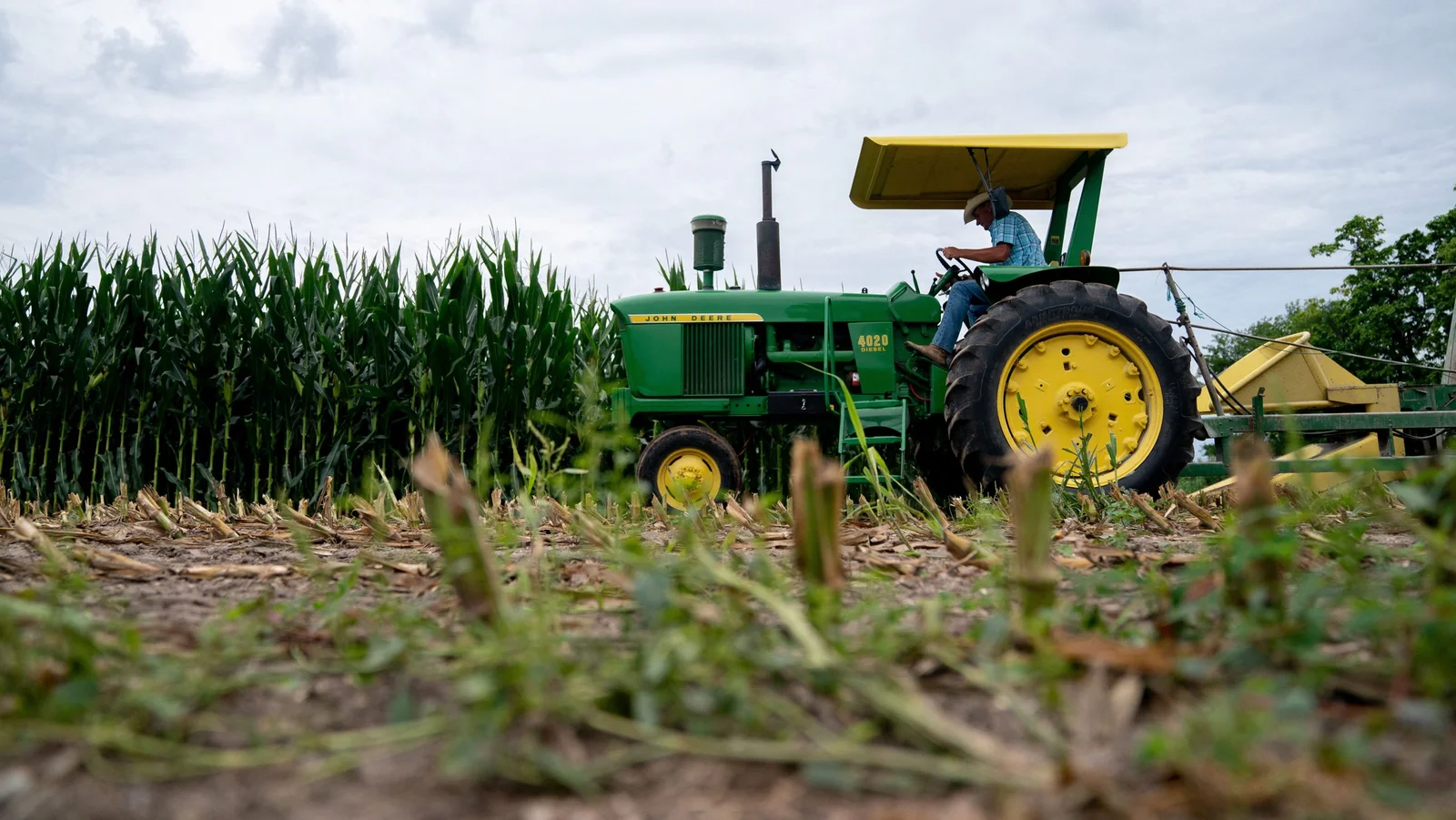
Brazil has surpassed the United States as the world's leading exporter of corn, according to data from the U.S. Department of Agriculture. This shift in the corn hierarchy follows a trend of declining U.S. dominance in exports of staple commodities. Factors contributing to Brazil's rise include record corn harvests, intensified farming practices, and increased demand from China. Despite losing market share, U.S. growers are still selling more corn in absolute terms, partly due to domestic biofuel and livestock feed demand.
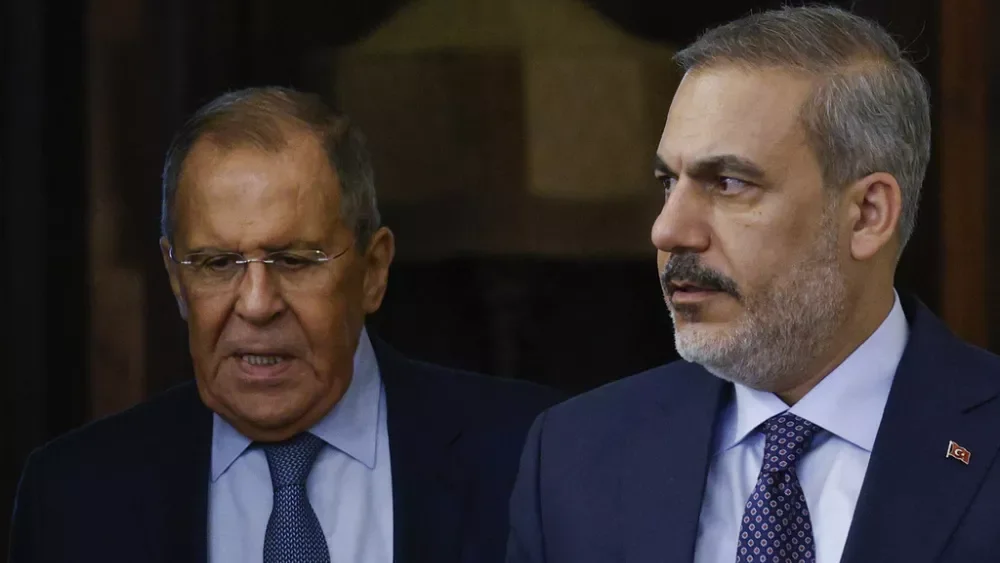
Russian Foreign Minister Sergey Lavrov stated that Russia will reactivate the agreement on the export of Ukrainian grain via the Black Sea when the West fulfills its commitments. Lavrov accused the West of interfering with Russia's agricultural product and fertilizer exports, which led to Russia withdrawing from the agreement in July. Turkish Foreign Minister Hakan Fidan emphasized the importance of resuming the agreement during his visit to Moscow, but Lavrov insisted on concrete guarantees before Russia returns to the deal. UN Secretary-General Antonio Guterres has proposed concrete measures to relaunch the agreement, but Lavrov expressed skepticism, stating that there are currently only promises and no guarantees.
Russian President Vladimir Putin stated that none of Russia's demands regarding the grain deal with Ukraine have been fulfilled, emphasizing that it has been one-sided. The agreement allowing Ukrainian grain exports is set to expire on July 18, and Moscow has threatened to withdraw from it due to obstacles to its own exports. Putin stated that the deal will be extended only when promises made to Russia are fulfilled, and he is prepared to wait as long as necessary. Turkish President Recep Tayyip Erdogan is working with Moscow and Kyiv to salvage the agreement.
Japan has lifted the final trade restriction on South Korea by restoring it to its list of preferred export destinations, making it easier for companies in both countries to do business. The change will take effect on July 21, easing the process companies must go through when exporting goods to South Korea.
Russia is considering withdrawing from the Black Sea grain deal, which allows food and fertilizer to be exported from three Ukrainian ports, due to obstacles faced by Moscow in getting its own agricultural goods to world markets. The United Nations and Turkey brokered the deal last July to help tackle a global food crisis worsened by Moscow’s invasion of Ukraine and blockade of its Black Sea ports. The deal has been extended three times, most recently until July 17. Nearly 32 million tonnes of mostly corn and wheat have so far been exported by Ukraine under the deal.
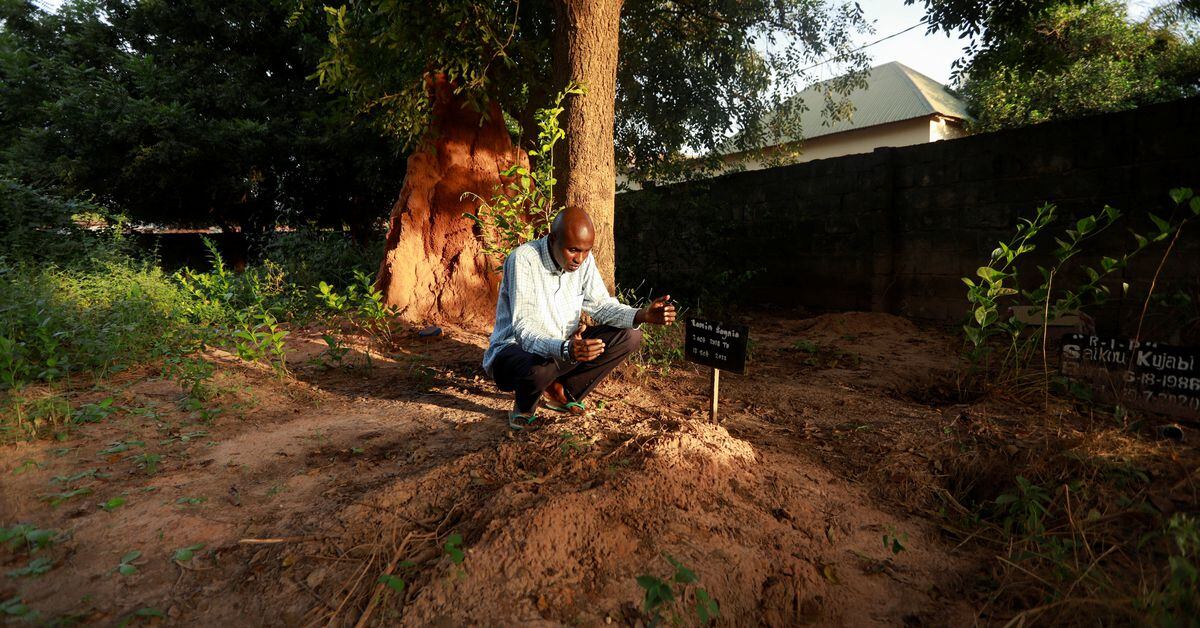
India will require mandatory testing of cough syrups before they are exported, effective June 1, after Indian-made cough syrups were linked to the deaths of dozens of children in Gambia and Uzbekistan. The move comes after the World Health Organization found toxins in cough syrups made by three Indian companies. The notice identified seven federal government laboratories where samples could be sent for testing, in addition to other state laboratories certified by a national accreditation body.
Ukraine has not ruled out the possibility that the deal allowing the safe Black Sea export of Ukrainian grain will end on May 18, when it is due to expire, and no additional talks are planned this week. Moscow has threatened to quit the agreement on May 18 unless a list of demands is met to remove obstacles to Russia's own grain and fertiliser exports. Ukraine had exported 2.5 million tonnes of agricultural goods in April despite a slowdown in the use of the grain corridor.