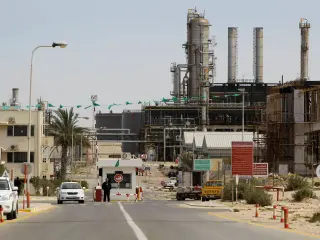
Libya’s largest oil refinery at Zawiya was shut down and employees evacuated after heavy clashes and shelling near the complex, with authorities declaring an emergency; the NOC says fuel supplies will continue normally as security operations target armed groups nearby.
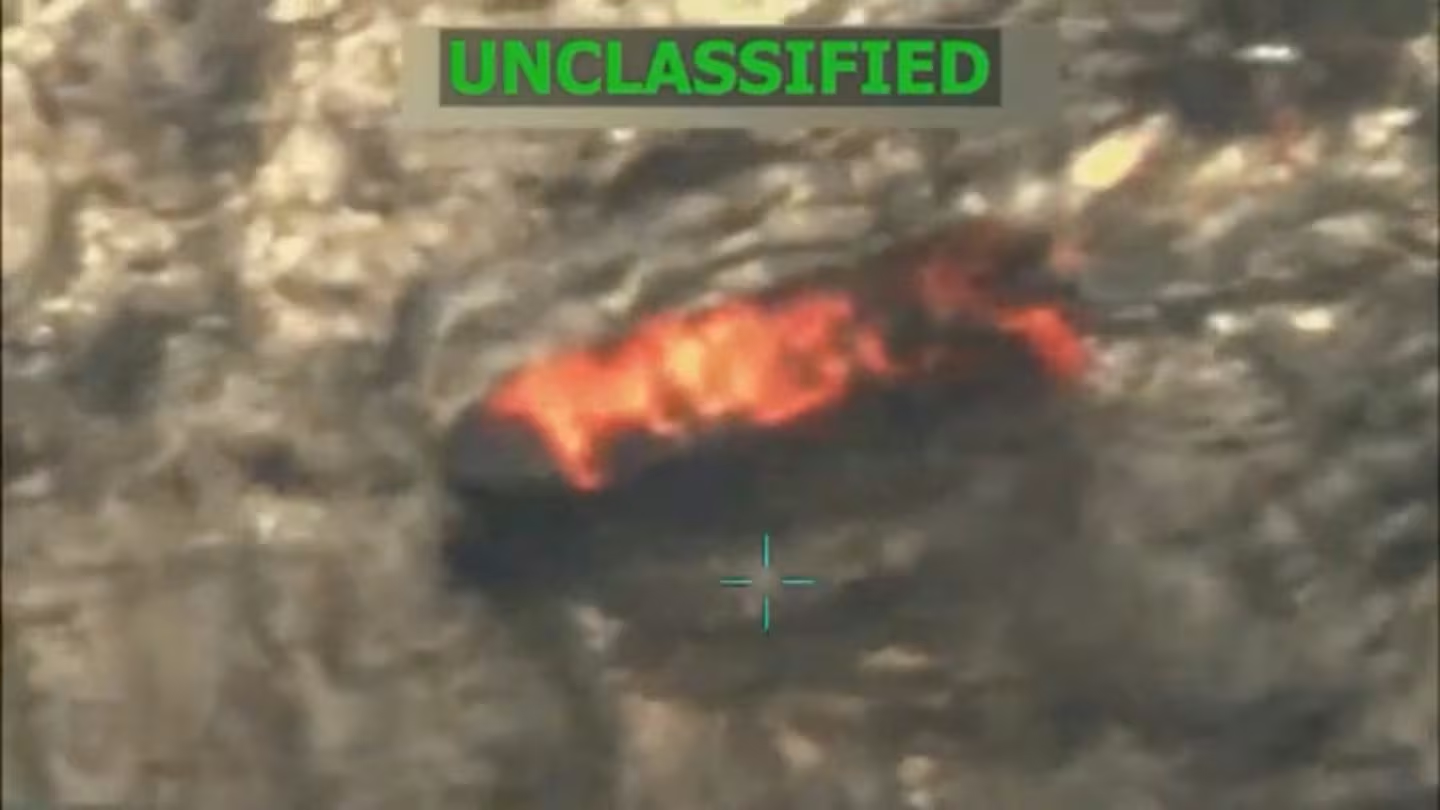
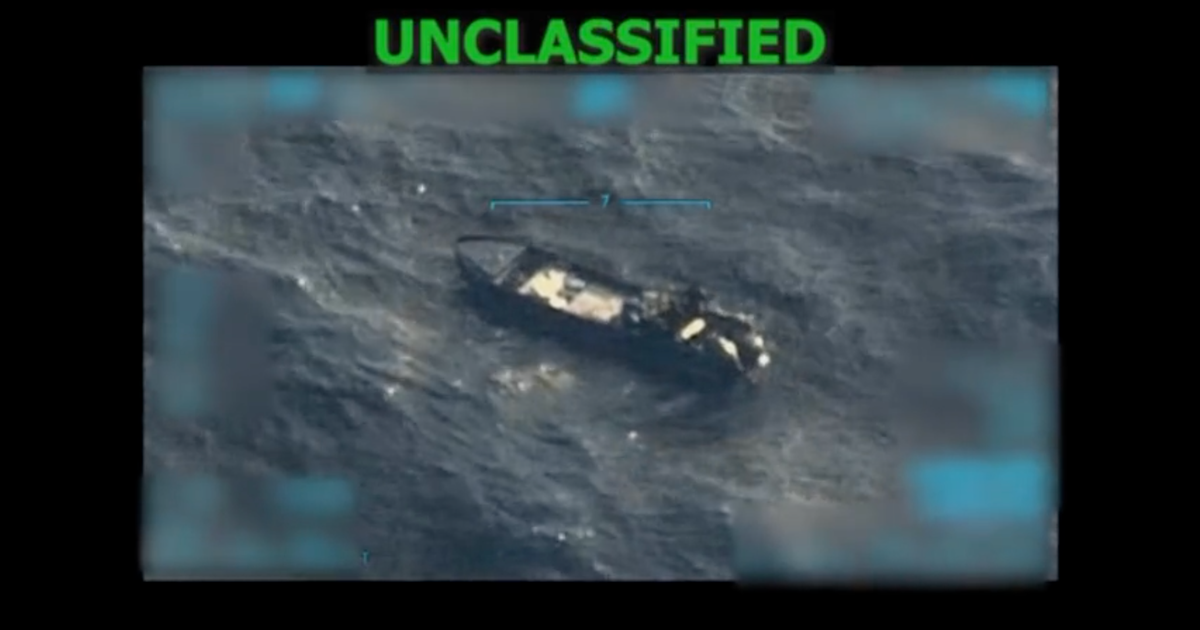
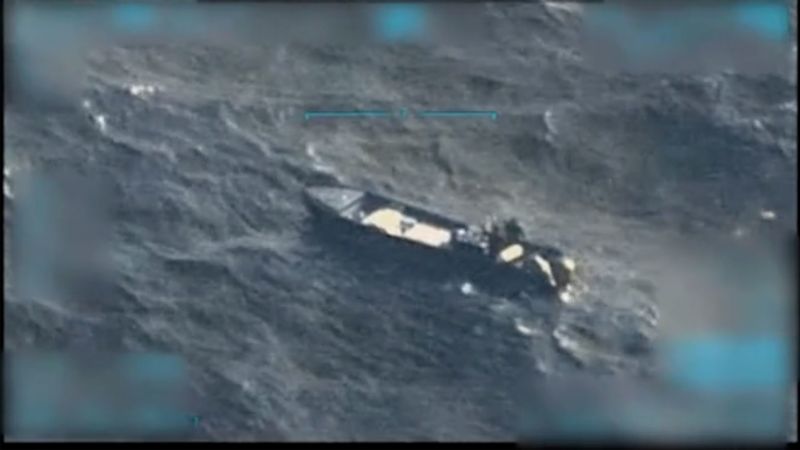
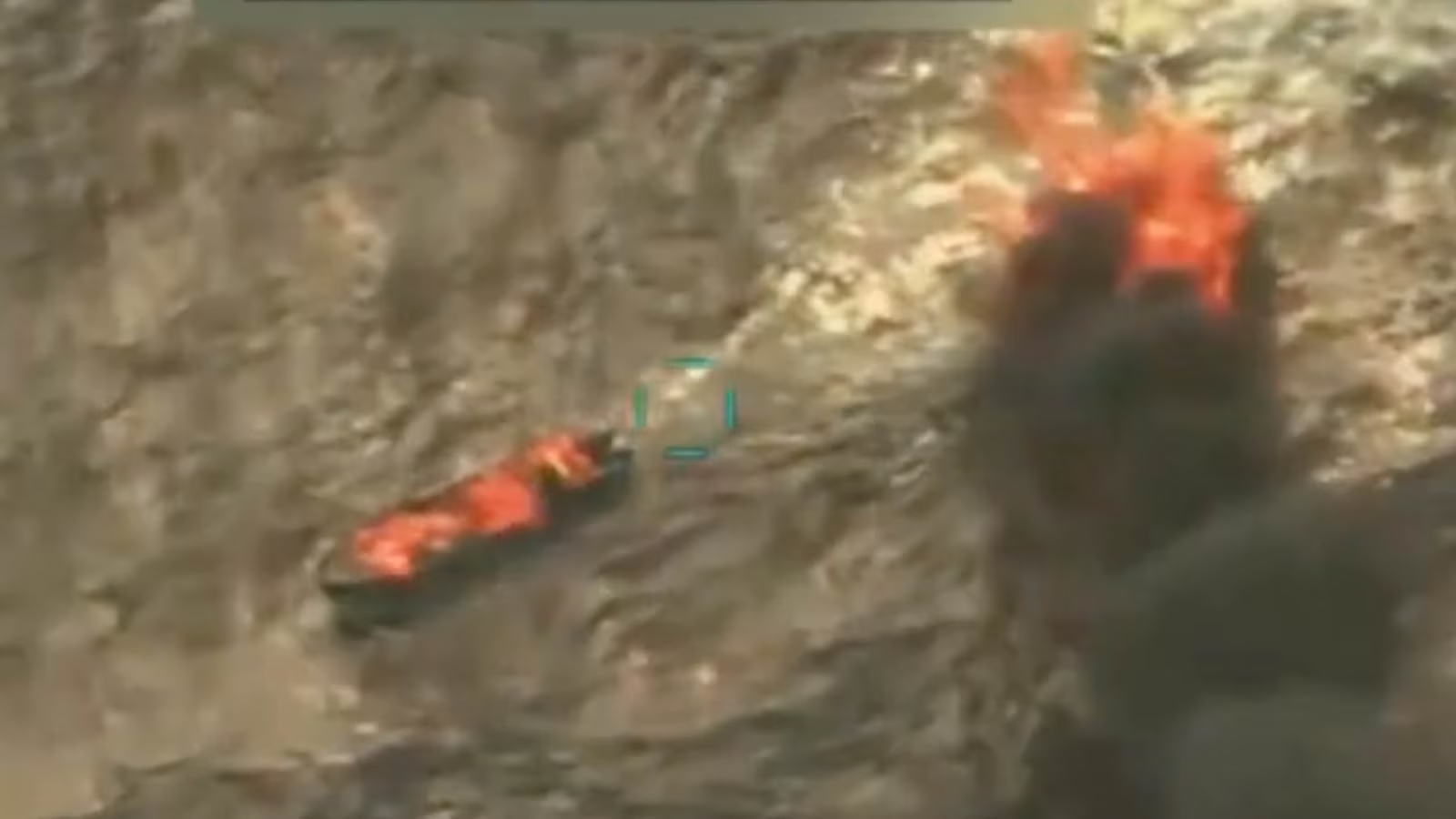
The U.S. has conducted a series of strikes on boats near Venezuela, claiming they were involved in drug trafficking and linked to terrorist organizations, with the latest strike killing four men. The Trump administration justifies these actions under the president's authority to combat non-international armed conflicts, though critics argue only Congress has the power to declare war. The strikes have raised concerns about escalation and legality.
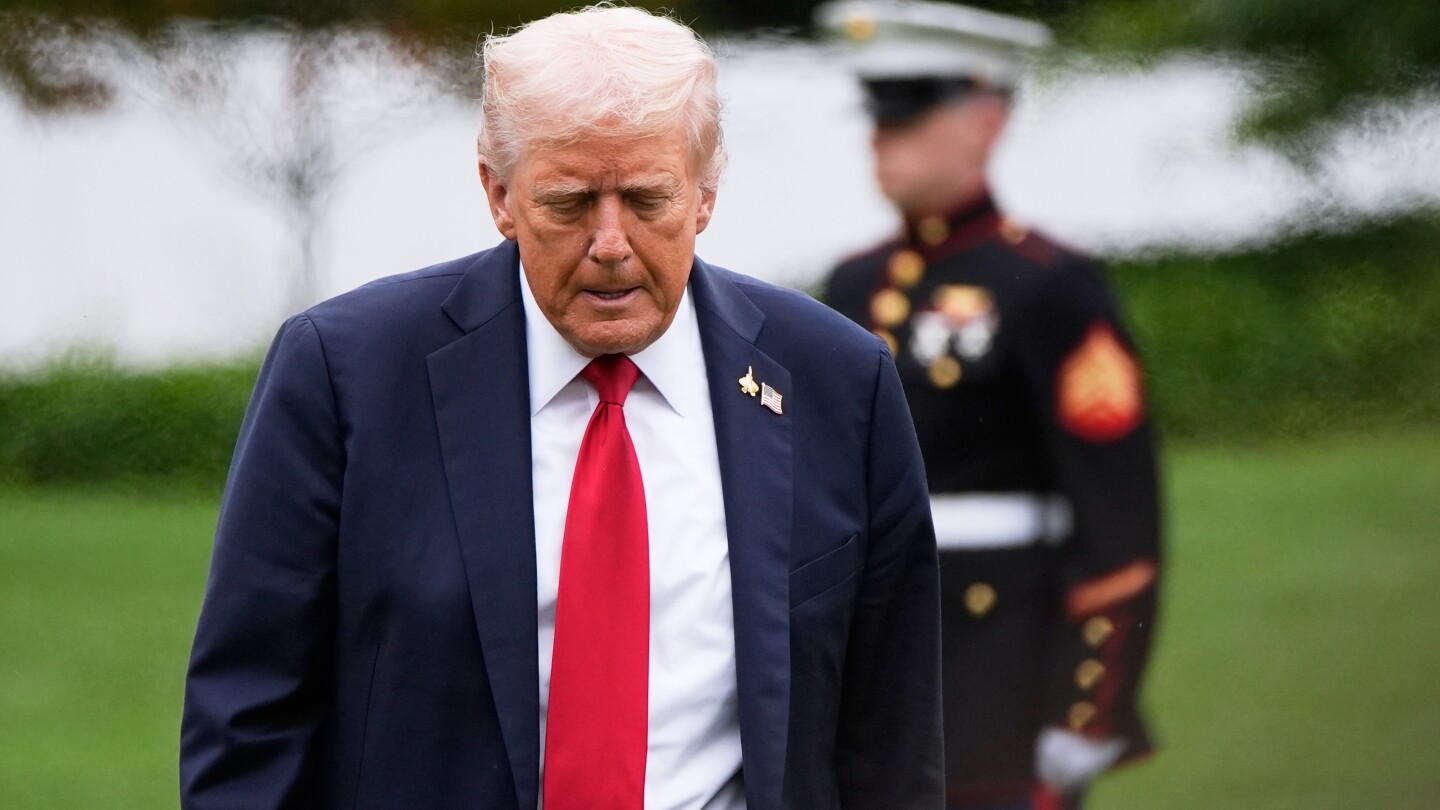
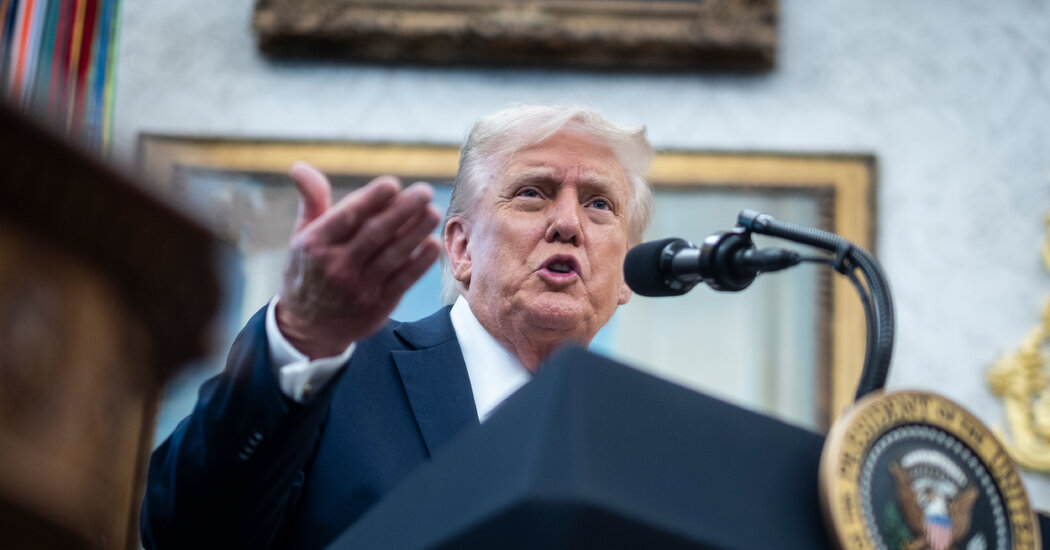
President Trump has declared the U.S. is in 'armed conflict' with drug cartels, aiming to justify lethal actions against traffickers, including recent strikes on Venezuelan boats in international waters.
The Trump administration notified Congress that the U.S. is in a 'non-international armed conflict' with drug cartels, following strikes on boats from Venezuela suspected of drug trafficking, and has designated these cartels as terrorist organizations, justifying military actions to combat drug-related threats.
The Trump administration has declared the US is in an armed conflict with drug cartels, designating them as terrorist organizations, and has authorized military strikes against them, raising legal and constitutional questions about the use of force and due process rights.
President Trump has declared that the US is engaged in a formal armed conflict with drug cartels, treating them as nonstate armed groups and justifying recent military strikes in the Caribbean as self-defense, a move that has raised legal and congressional concerns.
President Trump declared drug cartels as unlawful combatants, asserting the U.S. is in a 'non-international armed conflict' with them, following recent military strikes in the Caribbean, raising questions about legal authority and congressional approval.
President Trump has officially declared that the U.S. is in an armed conflict with drug cartels, designating suspected smugglers as 'unlawful combatants' and asserting wartime powers to justify recent military strikes in the Caribbean, raising legal and international law implications.
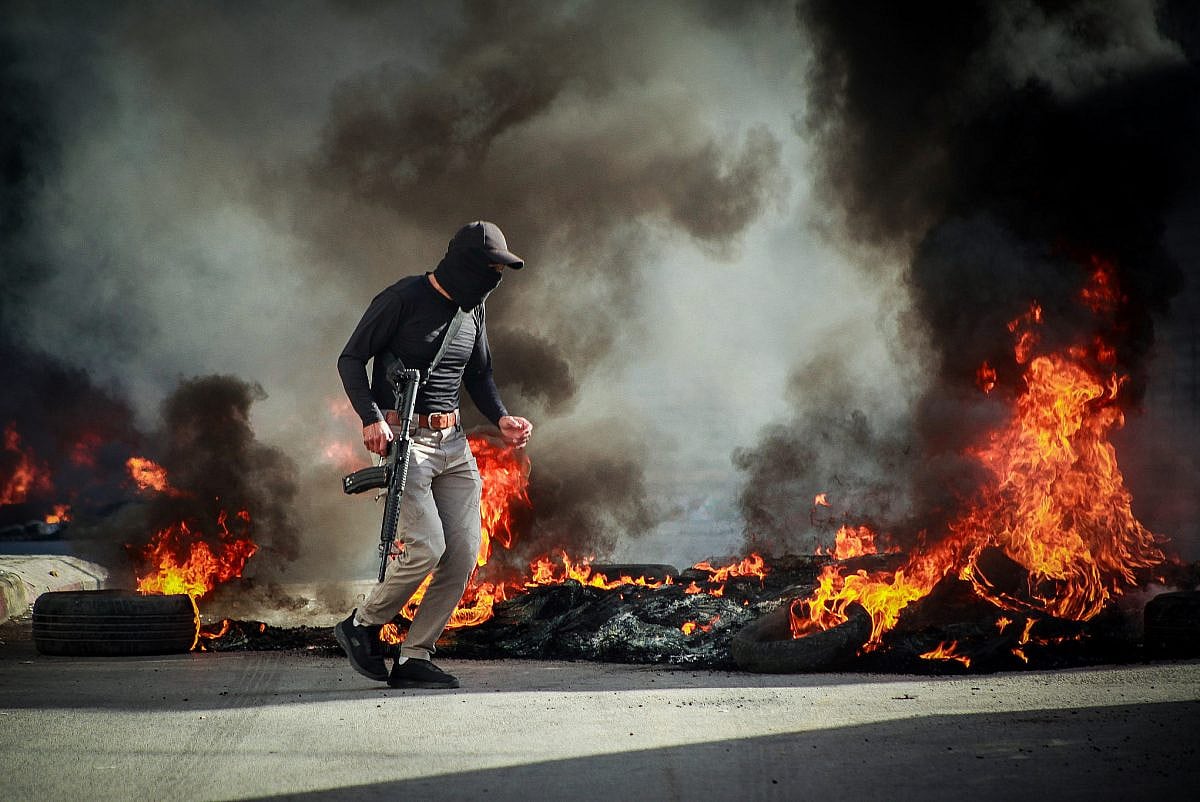
Israeli forces conducted a deadly drone strike in Jenin refugee camp, killing three Palestinians, including a field commander. The West Bank has seen a surge in violent Israeli incursions, with Jenin being a major target. Israeli forces have conducted non-stop raids, leading to civilian casualties and displacement. Palestinian resistance has grown in response, with armed confrontations and a sense of unity among various factions. The Israeli military's aggressive tactics have led to increased Palestinian determination to resist, despite the heavy toll on civilian lives.
After two years, the war in Ukraine has reached a stalemate, with intensified fighting but minimal territorial gains. The conflict has seen a 32% increase in battle events, with Russia making incremental gains and Ukraine focusing on fortifications. As Kyiv faces potential ammunition shortages, the war has shifted into a battle of attrition, with Ukraine aiming to rebuild its infantry and replenish ammunition stocks for a potential offensive in 2025.
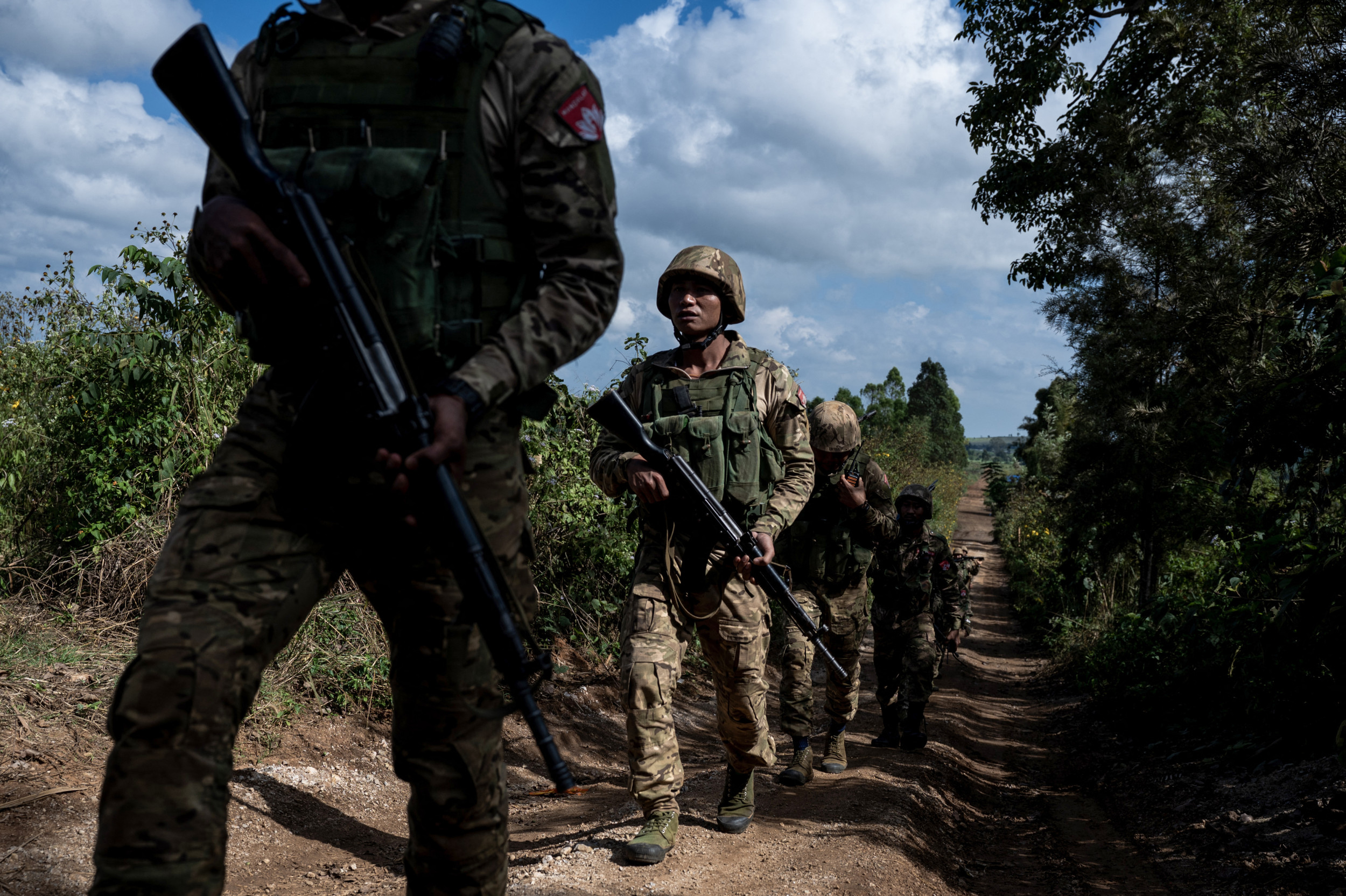
The war in Myanmar, which has resulted in an estimated 50,000 deaths since the military seized power in 2021, has largely gone unnoticed by the international community compared to conflicts in Ukraine and Gaza. The violence has intensified as rebel groups make gains against the junta, leading to widespread displacement and human rights abuses. Despite diplomatic efforts by regional groups, the junta remains dismissive and isolated, with the risk of worsening conflict increasing as the army becomes more reliant on bombing and shelling.
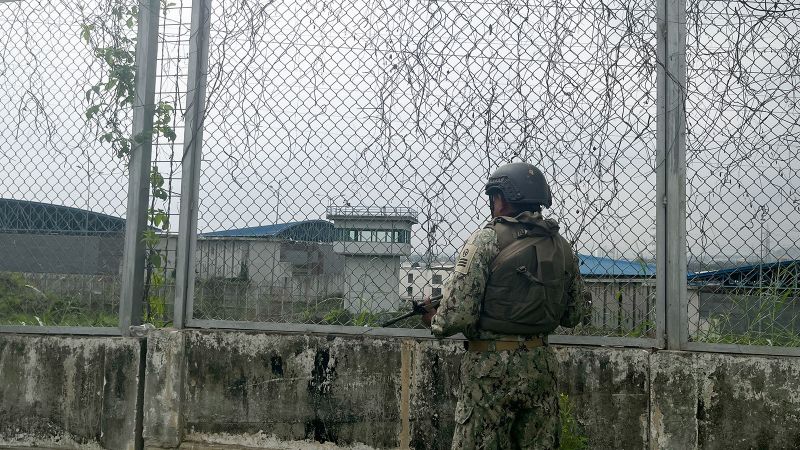
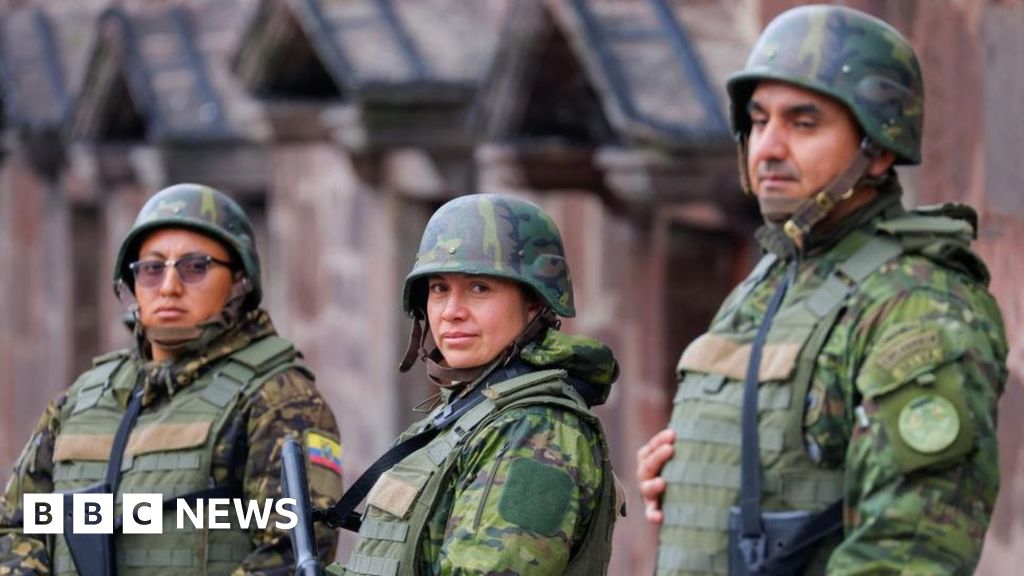
Gangs and terror groups have unleashed chaos in Ecuador's largest city, Guayaquil, prompting the government to declare an "internal armed conflict" and order the armed forces to "neutralize" more than 20 gangs. The country, once known as an "Island of Peace," is now gripped by fear as criminal groups aligned with international cartels wreak havoc. With a nationwide curfew in effect, law enforcement and military personnel are working tirelessly to combat the violence, but face challenges such as equipment shortages and fear of retaliation. President Noboa has called for international cooperation to address the global problem of drug trafficking and violence, while locals fear the crisis may drive more people to emigrate.
Ecuadorean President Daniel Noboa has declared a state of emergency and deployed the military to combat armed gangs responsible for a wave of violence across the country. More than 300 suspects have been arrested, and the president has challenged the gangs to take on the soldiers instead of targeting civilians. The surge in attacks was triggered by the escape of notorious gang leaders from prison, leading to riots and a significant increase in violence. President Noboa has labeled 22 criminal groups as "terrorist gangs" and declared an "internal armed conflict," allowing soldiers to patrol the streets and search for weapons and suspects.
Masked men armed with guns and explosives stormed a TV studio in Ecuador during a live broadcast, prompting the president to declare the country in an "internal armed conflict." The incident follows the apparent escapes of two powerful drug gang leaders from prison, leading to a series of attacks and abductions. The government has arrested the intruders and declared 20 drug trafficking gangs as terrorist groups, authorizing the military to "neutralize" them. The country is in a state of emergency as authorities grapple with the escalating violence and the influence of gangs within detention facilities.
Gunmen stormed an Ecuadorian television station in Guayaquil, as part of a series of coordinated attacks across the country, prompting President Daniel Noboa to declare a state of armed conflict. The attacks, including car explosions, prison riots, and the kidnapping of police officers, were allegedly orchestrated by powerful gangs and may be linked to a government crackdown on criminal activity. The violence comes amid a surge in gang-related crime and drug trafficking in Ecuador, with the president vowing to bring control to the country after a deadly election cycle and a recent prison escape by a notorious gang leader.