Tag

Fertility Research

All articles tagged with #fertility research

Rediscovered: The 'Useless' Female Organ That May Be Key to Fertility
science14 days ago

Rediscovered: The 'Useless' Female Organ That May Be Key to Fertility

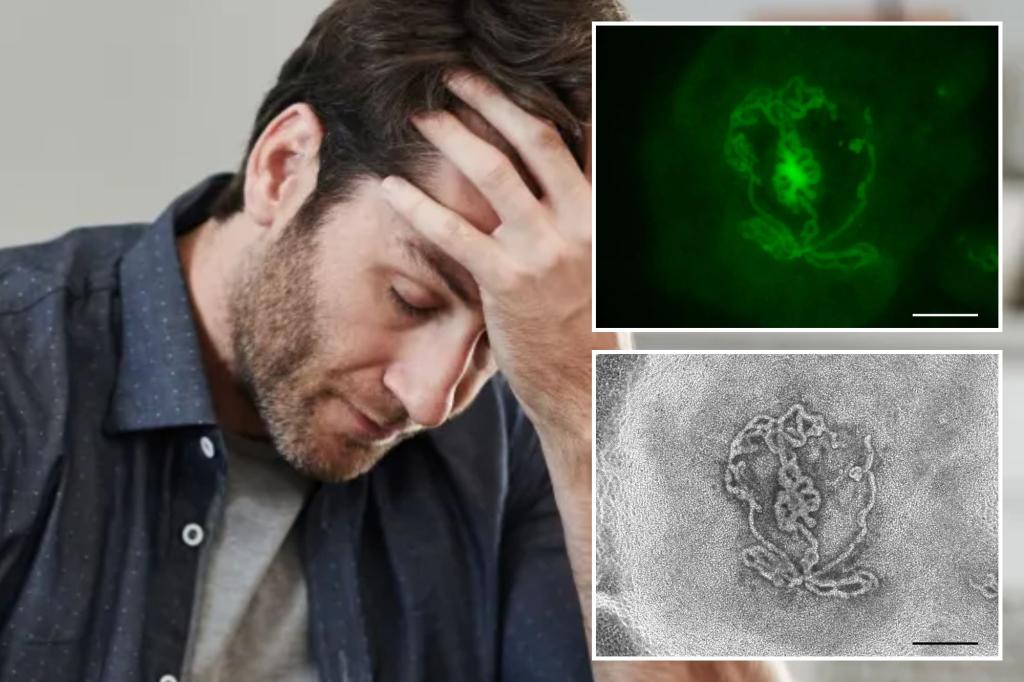
A 2024 study by Duke University researchers has challenged the century-old belief that the rete ovarii is a functionless vestige. The structure, first described in 1870 but later removed from medical textbooks, appears to play a crucial role in ovarian function and fertility. Experiments on mice show it secretes proteins that respond to hormonal changes, potentially aiding egg maturation and follicle maintenance. This rediscovery has sparked public debate about historical gaps in female anatomical research.

The Spermageddon Debate: What the Data Really Say About Male Fertility
science3 months ago

The Spermageddon Debate: What the Data Really Say About Male Fertility

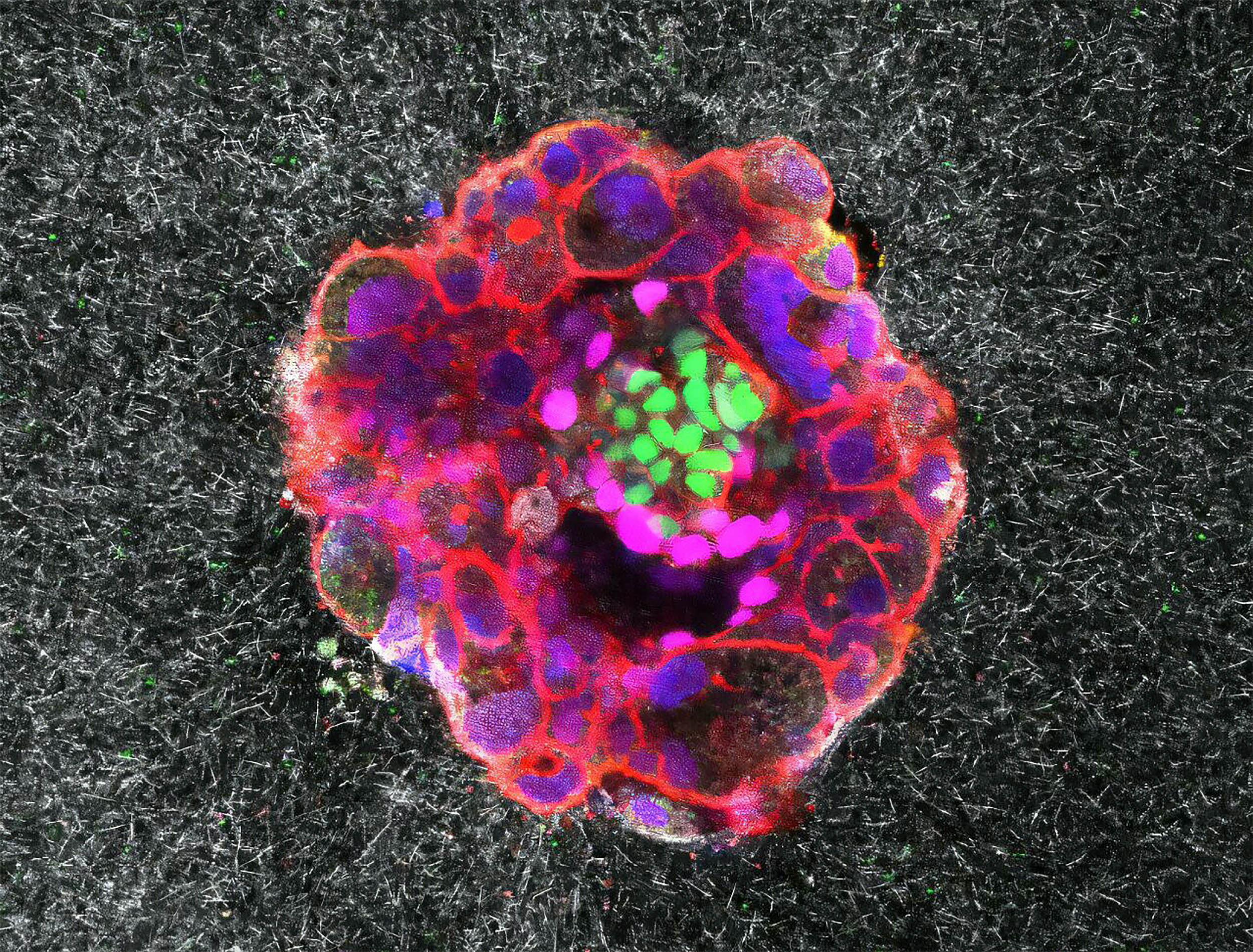
The piece questions whether reports of a global male fertility crisis are overstated, noting that some regions show declines in sperm counts or testosterone while others do not and methodologies vary. It explains that environmental chemicals, pollution, and lifestyle may influence fertility, but there is no universal consensus on causes or the magnitude of declines, underscoring the need for robust, long‑term data before declaring a worldwide trend.

"Lab-Grown Testicles: A Breakthrough for Male Infertility Treatment"
healthscience2 years ago

"Lab-Grown Testicles: A Breakthrough for Male Infertility Treatment"

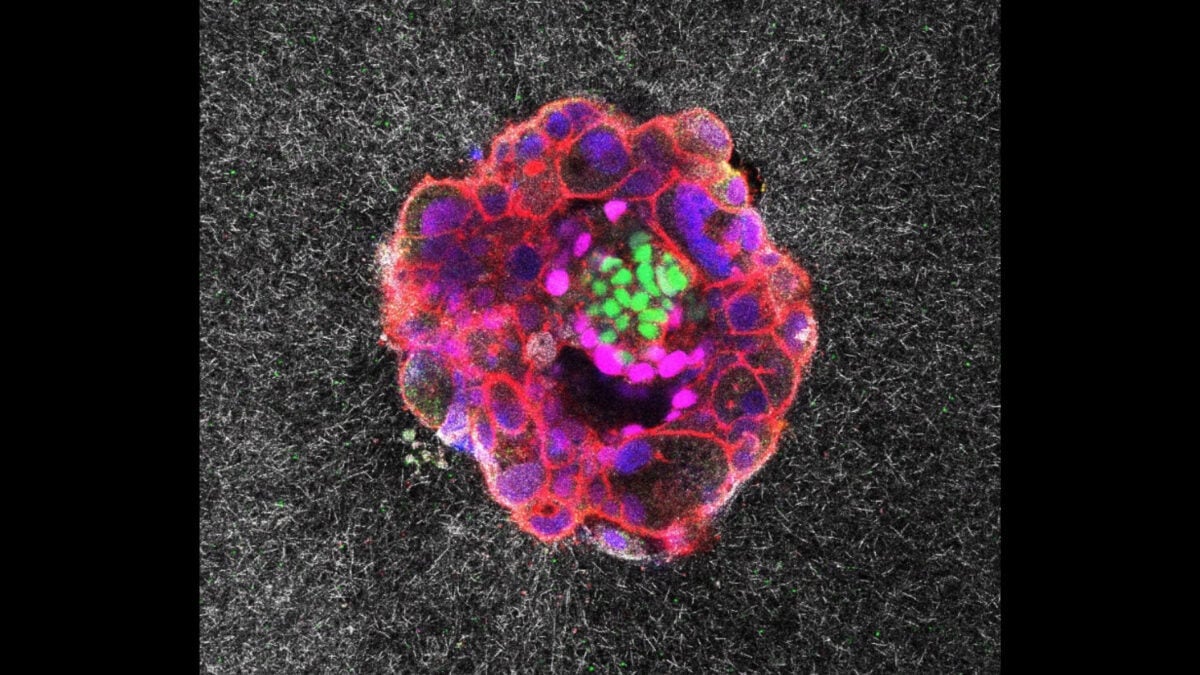
Scientists in Israel have successfully created lab-grown testicles, or testicular organoids, which mimic the natural characteristics of human testes. This breakthrough could lead to advancements in male infertility research and potential therapeutic applications for disorders of sexual development. The organoids, created from mouse testicular tissue, provide a deeper understanding of testis function and could pave the way for the production of sperm in the laboratory, offering hope for children affected by cancer treatments that lead to infertility. This achievement follows the development of other organoids in recent years, marking a significant shift from traditional 2D cell cultures in medical research.

"Lab-Grown Testicles Provide Breakthrough for Male Infertility"
science-and-health2 years ago

"Lab-Grown Testicles Provide Breakthrough for Male Infertility"

Researchers at Israel’s Bar-Ilan University have successfully grown laboratory testicles from mouse cells, offering hope for treating male infertility. The artificial organs resemble the structure and function of natural testicles and could be used to study the causes of male infertility. The team aims to develop human-like testicles from stem cells to aid in treating developmental sex disorders and infertility. The technology could also potentially help boys with cancer produce functional sperm and improve the livestock industry by controlling the sex of farm animals.

Pioneering Mouse Cloning Researcher Ryuzo Yanagimachi Passes Away at 95
science-and-technology3 years ago

Pioneering Mouse Cloning Researcher Ryuzo Yanagimachi Passes Away at 95

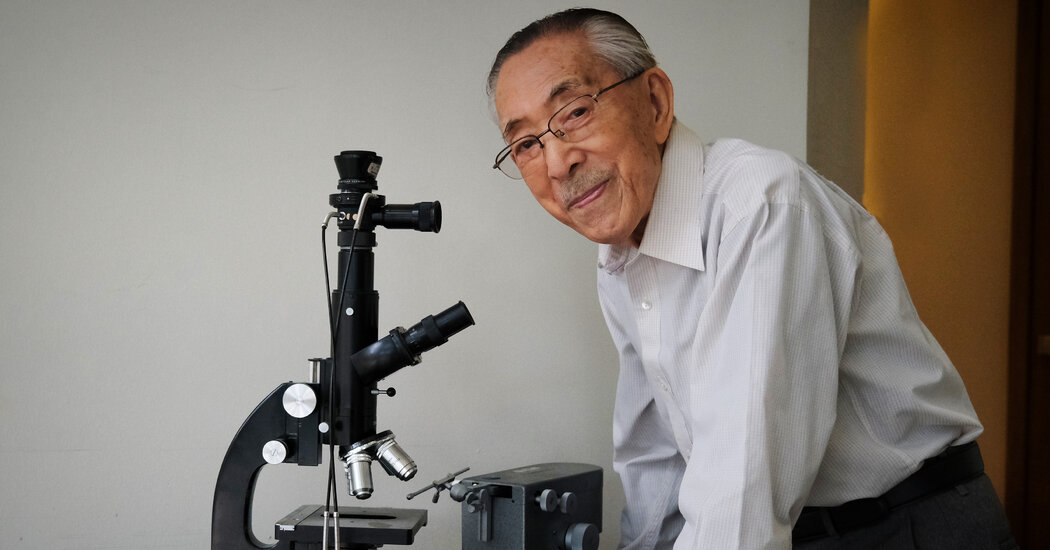
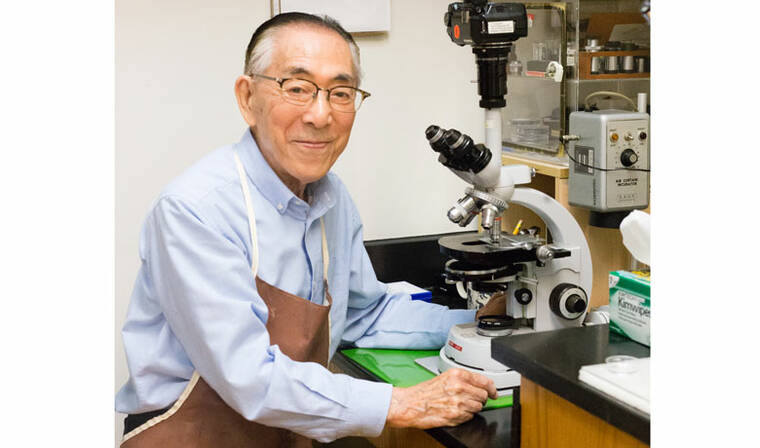
Ryuzo Yanagimachi, a pioneering fertility researcher, has passed away at the age of 95. In 1998, he and his team at the University of Hawaii successfully cloned multiple generations of mice using a more elegant technique than the one used to clone Dolly the sheep. Yanagimachi's work demonstrated that cloning was not a fluke and achieved a higher success rate than previous methods. He remained skeptical of human cloning, emphasizing the dangers and moral implications. Yanagimachi's contributions to fertility research earned him recognition, including the Kyoto Prize, Japan's highest private honor.

"Remembering Ryuzo Yanagimachi: The Unique Cloning Pioneer of University of Hawaii"
science-and-technology3 years ago

"Remembering Ryuzo Yanagimachi: The Unique Cloning Pioneer of University of Hawaii"

Ryuzo Yanagimachi, a renowned fertility researcher and pioneer in cloning, has passed away at the age of 95. During his tenure at the University of Hawaii, Yanagimachi made significant contributions to the field of reproductive technologies, including the development of the world's first cloned mouse. His breakthroughs in cloning and in vitro fertilization have had a profound impact on the scientific community and have brought joy to many infertile couples. Yanagimachi's legacy will be remembered at the University of Hawaii's John A. Burns School of Medicine, where he was a respected member of the faculty.