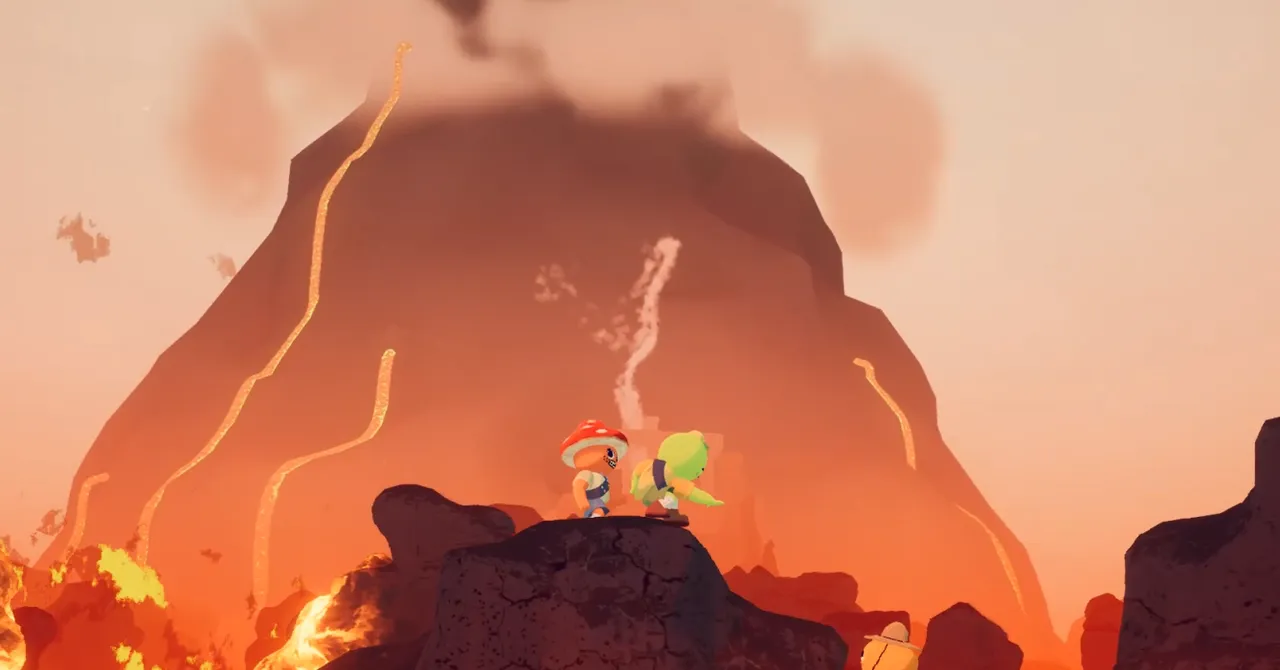
A viral prototype for a rotating-Tetris-inspired game illustrates how generative AI makes it easy to clone ideas, leading to a wave of AI-built copies and “vibecode” versions across app stores and platforms, prompting debates over IP, incentives, and how storefronts curb low-effort clones.
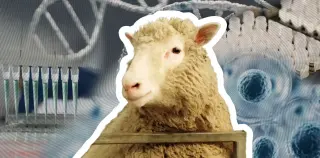
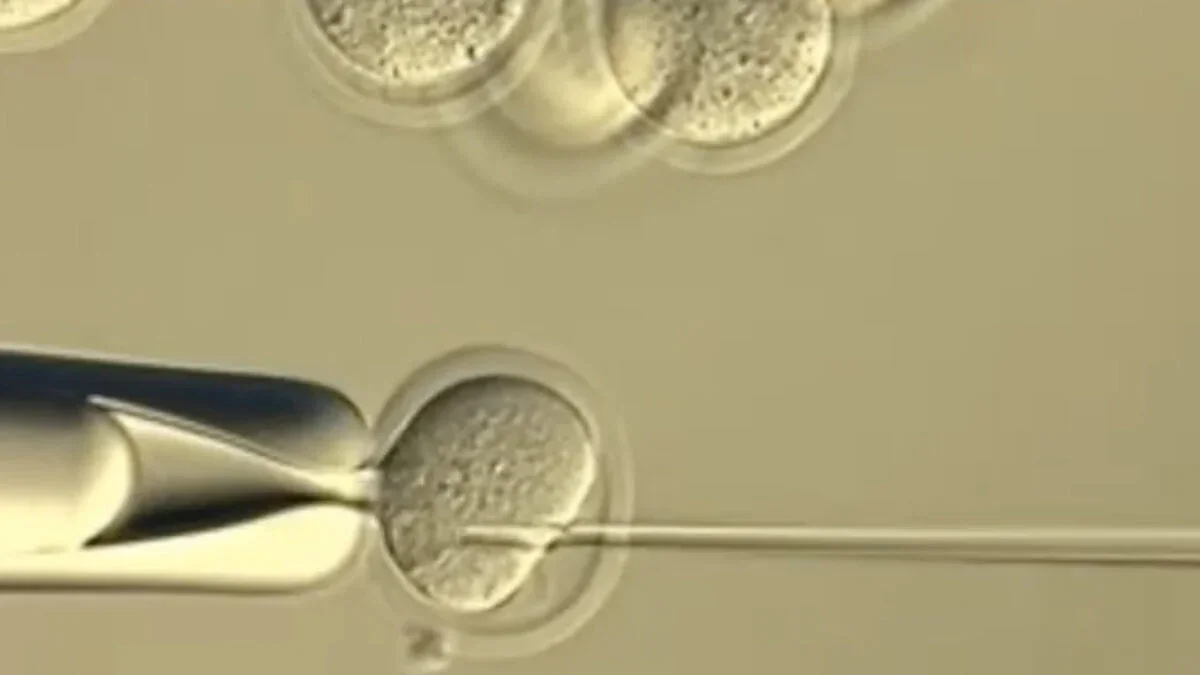
Thirty years after Dolly, cloning is a costly, inefficient tool—not a simple paste‑and‑copy of life—used to reproduce valuable livestock, aid conservation and advance disease research, aided by epigenetic reprogramming and the rise of induced pluripotent stem cells; while de‑extinction ideas surface, human cloning remains unsafe and tightly regulated.
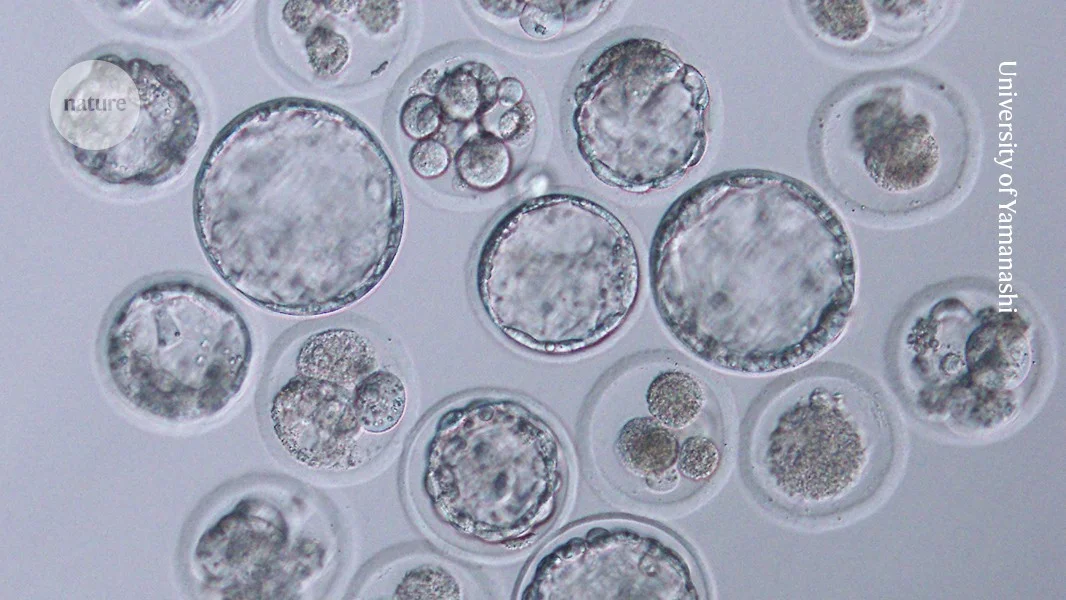
A 20-year mouse cloning study from the University of Yamanashi shows that repeating cloning builds up genome-level damage, reduces fertility, and cannot sustain a mammal line beyond 58 generations—the last generation died soon after birth—despite producing over 1,200 clones from a single donor, indicating current nuclear-transfer cloning methods have a hard biological limit.
A two-decade Japanese study recloned a female mouse across 58 generations. By generation 58, all offspring died within a day of birth, with no outward defects, and DNA analysis showed accumulating mutations and occasional loss of an X chromosome. The research indicates a hard limit to mammalian cloning and challenges hopes for infinite lineages, with implications for livestock cloning and de-extinction efforts; no method yet exists to overcome this genetic deterioration.
A 20-year experiment cloning over 1,200 mice across 58 generations shows that deleterious genetic mutations accumulate in cloned lineages, with the 58th generation dying shortly after birth. Initial generations appeared healthy, but the line ultimately collapsed, confirming that mammalian cloning cannot sustain long-term viability and that sexual reproduction is essential for species survival; researchers call for advances in nuclear transfer techniques.
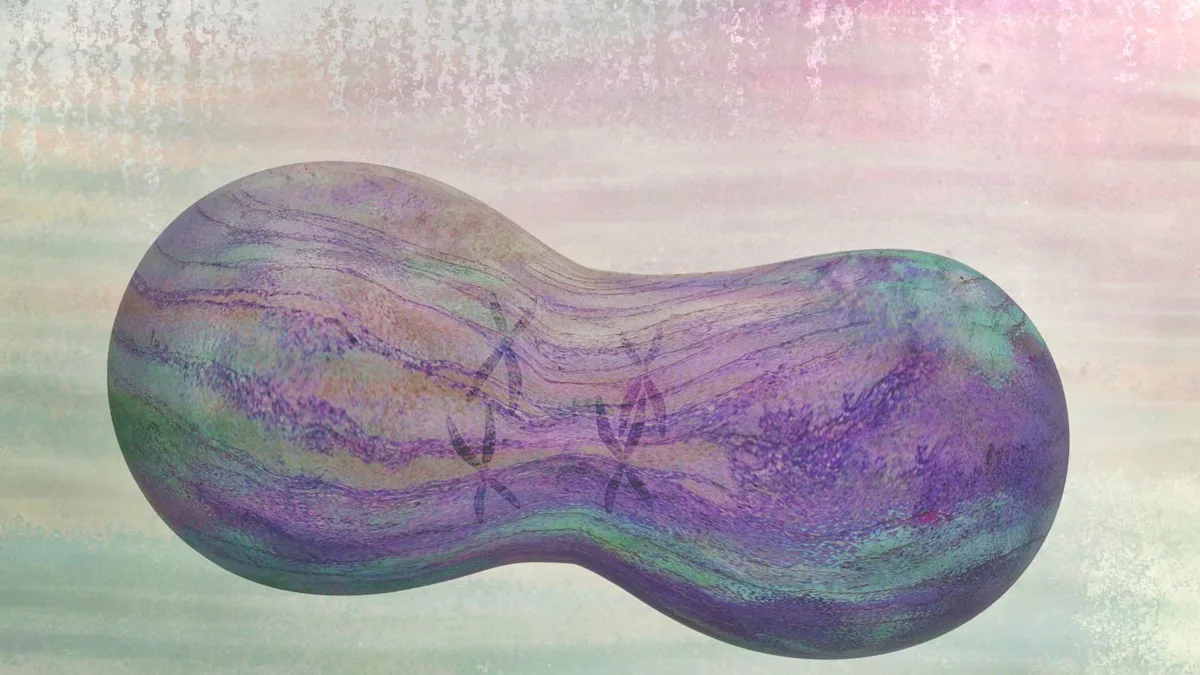
Two decades, 58 generations and more than 30,000 cloning attempts show a single mouse cannot be serially recloned indefinitely: harmful DNA changes accumulate in the lineage, including chromosome losses, leading to a failure of later attempts and suggesting genome instability makes mammalian cloning unsustainable and potentially limits its use in agriculture and vertebrate breeding.
Japanese researchers studying serial cloning in mice with the epigenetic modifier trichostatin A found that while many late-generation clones were healthy at birth, the lineage eventually hit a hard limit: by the 58th generation the clones survived for only a day. TSA boosted cloning success (about 5.4% at generation 51) compared with 1.6% without it, and over 1,200 clones were produced from a single donor. Each generation accumulated mutations (roughly 70 SNVs and 1.5 structural variants), and in some cases placental abnormalities were corrected in later offspring through sexual reproduction, suggesting that sexual reproduction helps purge deleterious mutations and that indefinite cloning remains biologically unfeasible for now.
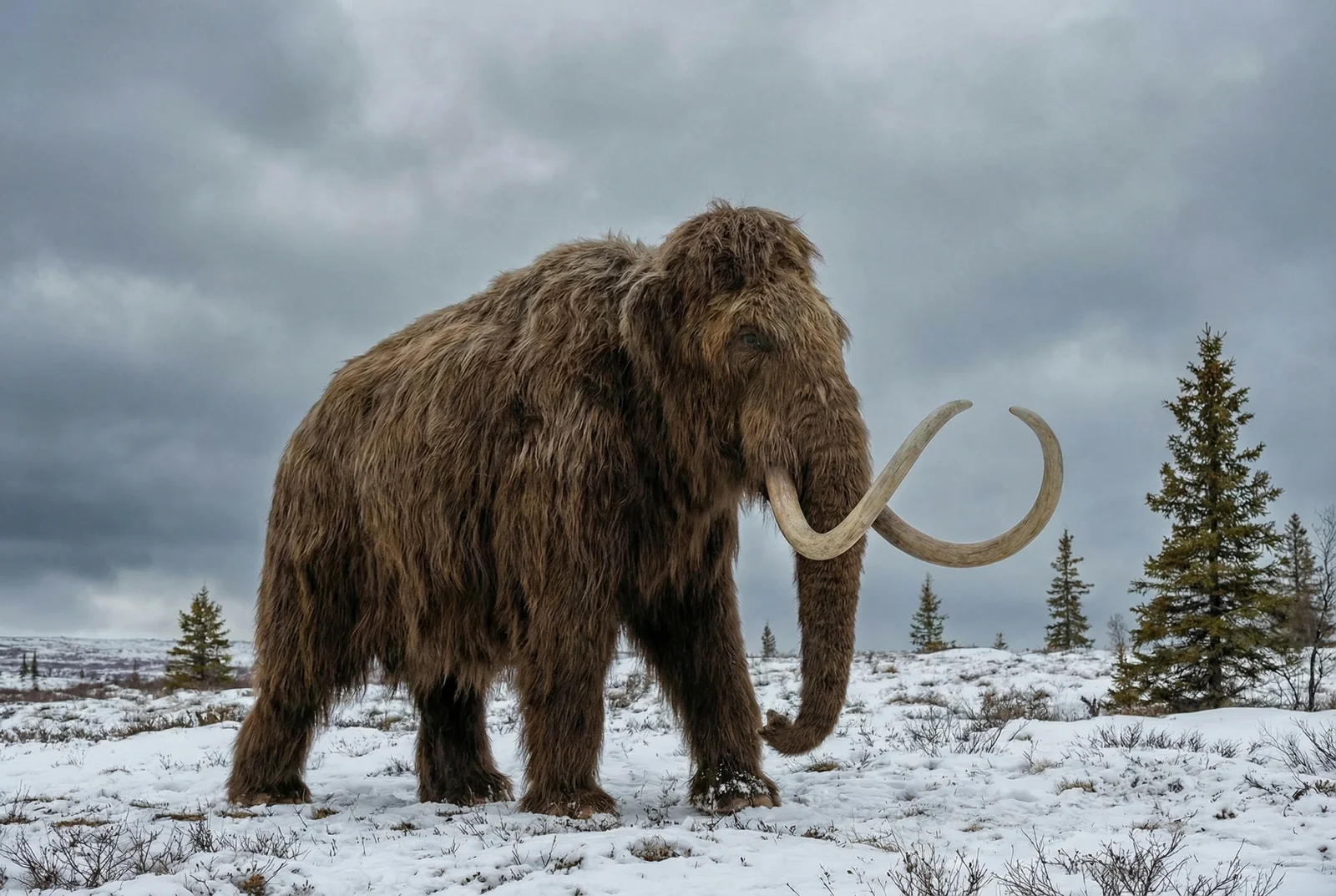
Colossal Biosciences is assembling hundreds of mammoth genomes to guide edits in the Asian elephant genome, testing changes in mice before attempting embryonic cloning to produce mammoth-like calves (potentially by 2028). The project aims to restore ecological roles of mammoths and advance conservation tools, but it faces scientific and ethical debate about whether this constitutes true de-extinction and how it would be implemented in Arctic ecosystems.
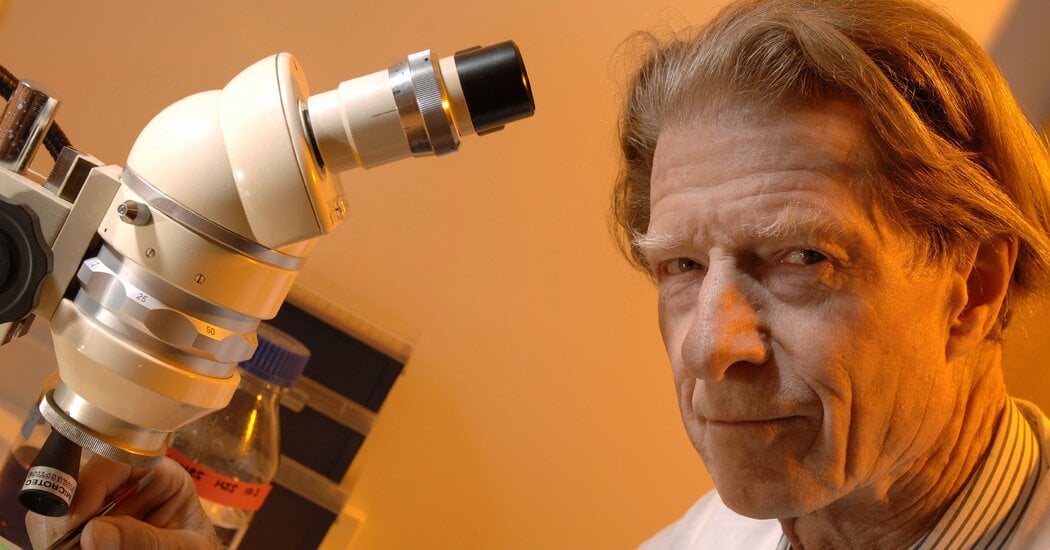
John B. Gurdon, a Nobel laureate whose pioneering work in cell manipulation led to the first cloning of a mammal, Dolly the sheep, and laid the groundwork for stem cell and regenerative medicine, died at age 92.
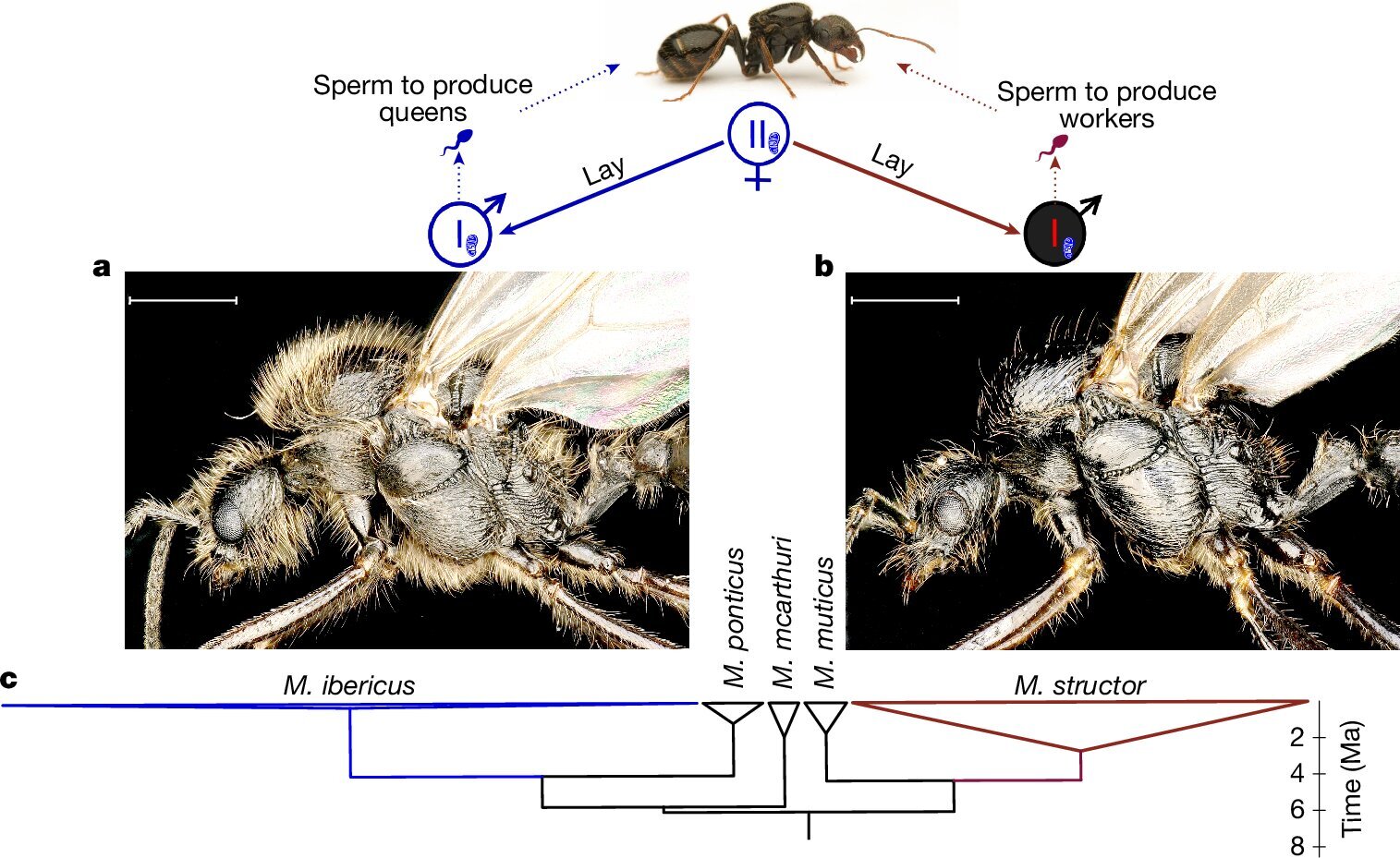
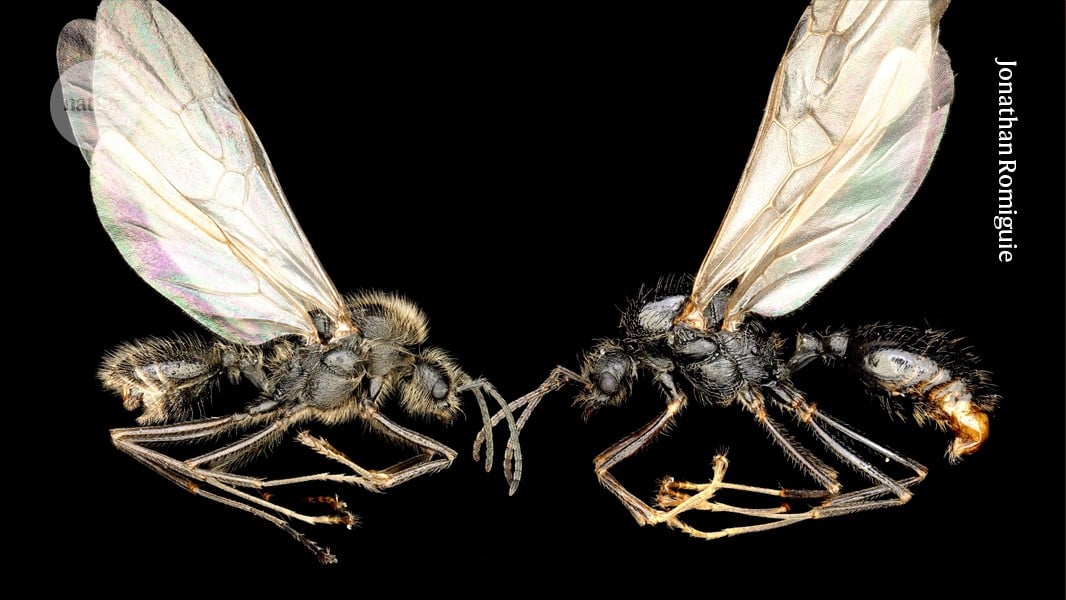
Scientists discovered that the Iberian harvester ant queen can produce offspring from two different species through a complex process involving cloning and cross-species reproduction, challenging current understanding of evolutionary biology.
Recent scientific discoveries include an ant species that clones worker ants from other species, a carotenoid with anti-tumor properties, and a potential primordial black hole that challenges existing models of galaxy formation.
Iberian harvester ants (Messor ibericus) can clone males of a different species, Messor structor, to produce hybrid workers and maintain their colony, even in areas where M. structor is absent, showcasing a remarkable and almost unimaginable biological system.
Peak, a highly successful co-op game about mountain climbing, is being heavily cloned by copycats leveraging AI technology, highlighting issues of intellectual property and originality in the gaming industry.
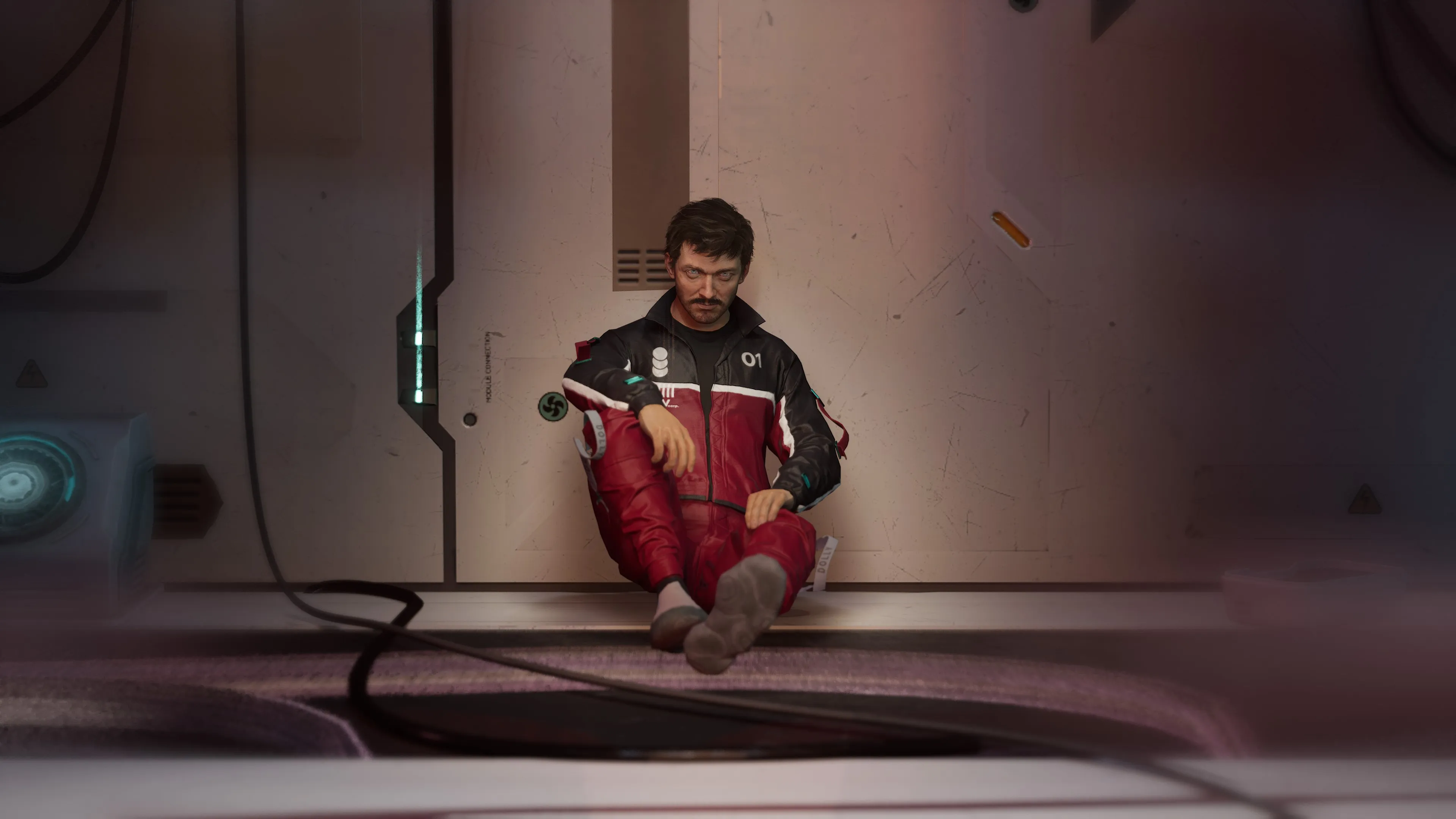
The Alters is a unique sci-fi game where players survive on an alien planet by creating emotionally diverse clones called Alters, who are trained in various roles to help manage a base and explore. The game combines resource management with story-rich interactions, emphasizing the complexity of dealing with multiple versions of oneself, and offers a fresh take on genre conventions despite some repetitive dialogue and artificial gameplay elements. Its striking art design and innovative mechanics make it a memorable experience, even if the cover art is unappealing.