Detox drinks aren’t necessary for gut health; focus on four steps—eat enough fiber (women 25g, men 38g daily), include fermented foods, walk more, and drink plenty of water—to support a healthy gut.
An AIIMS-trained gastroenterologist explains the rise of colon cancer in women in their 30s and outlines six contributing factors: symptoms often dismissed as IBS or period pain; increased ultra-processed food consumption reducing gut microbiome diversity and promoting inflammation; historically low fiber intake; chronic stress driving gut inflammation; screening usually starts at 45, but cases are appearing earlier; warning signs like unexplained fatigue and iron deficiency are frequently ignored, leading to many diagnoses at advanced stages.
GLP-1 drugs (like Ozempic/Wegovy) and a rising protein trend are fueling low-carb branding, which may depress fiber intake. Experts stress that carbohydrates include fruits, vegetables and whole grains, and advocate a balanced approach that emphasizes fiber-rich carbs alongside adequate protein—especially for GLP-1 users—rather than demonizing carbs or elevating protein as the sole solution. The new Dietary Guidelines call for more fiber and fewer refined carbs, but some influencers push a protein-first mindset that could leave energy and nutrient gaps.
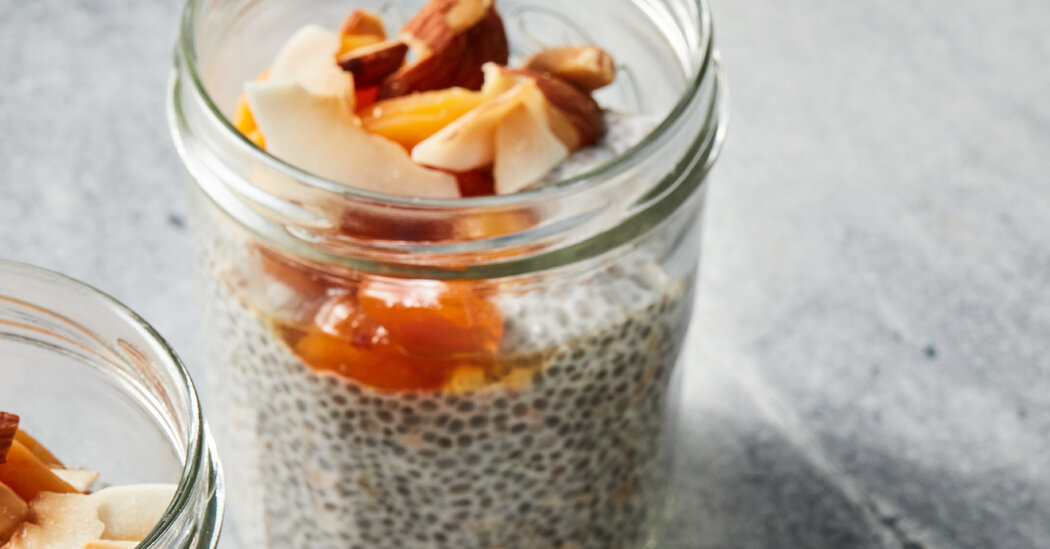
A health journalist challenges herself to meet the recommended 25 grams of daily fiber for a week, detailing how she boosted fiber with chia-oatmeal breakfasts and fiber-rich foods like beans, nuts, fruits, and vegetables; she notes feeling fuller and experiencing smoother digestion, while experts explain fiber’s broad benefits and warn to increase intake gradually and stay hydrated.
Fibermaxxing is a trending social media practice of maximizing daily fiber intake to improve health, which can offer benefits like better digestion and reduced disease risk, but should be approached gradually and carefully to avoid discomfort and health issues. Consulting healthcare providers and diversifying fiber sources are recommended for safe implementation.
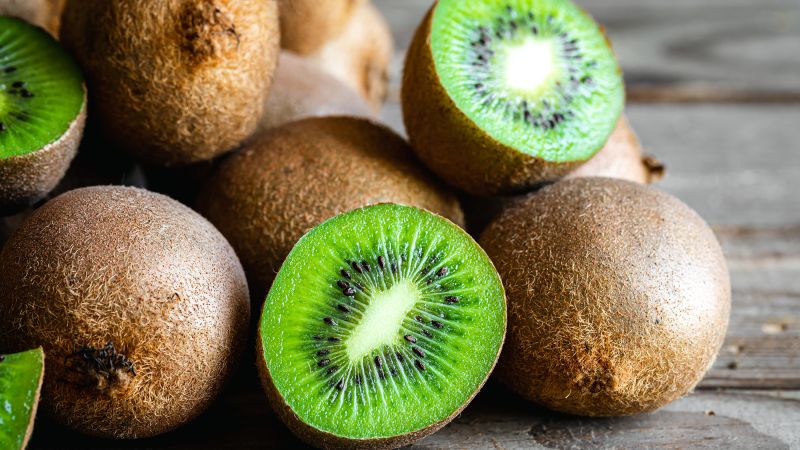
New dietary guidelines recommend eating 2-3 kiwifruits daily to help relieve chronic constipation, highlighting the fruit's benefits in increasing stool bulk, improving digestion, and its ease of incorporation into the diet, alongside other foods and lifestyle changes.
Consuming less than the recommended fiber, relying on processed foods, overusing antibiotics, chronic stress, and sedentary lifestyles harm gut health. To improve it, diversify fiber sources, use antibiotics judiciously, manage stress, stay active, and eat whole foods to support a resilient microbiome and overall health.
Fibermaxxing is a TikTok trend where users increase their fiber consumption through foods like chia seeds and vegetables, promoting health benefits such as improved gut health and weight management, with expert approval for its positive impact when done thoughtfully.
Fibermaxxing is a TikTok trend encouraging high fiber consumption for better digestion and health, but experts advise increasing fiber gradually, staying hydrated, and balancing different fiber types to avoid digestive issues and maximize benefits.
While high-protein diets are popular for their benefits, they often lead to insufficient fiber intake, which is crucial for digestive health, blood sugar control, and disease prevention. Most Americans do not meet the recommended fiber intake, which can cause digestive issues and other health problems. Incorporating fiber-rich foods like vegetables, fruits, legumes, and whole grains can help balance a high-protein diet and improve overall health.
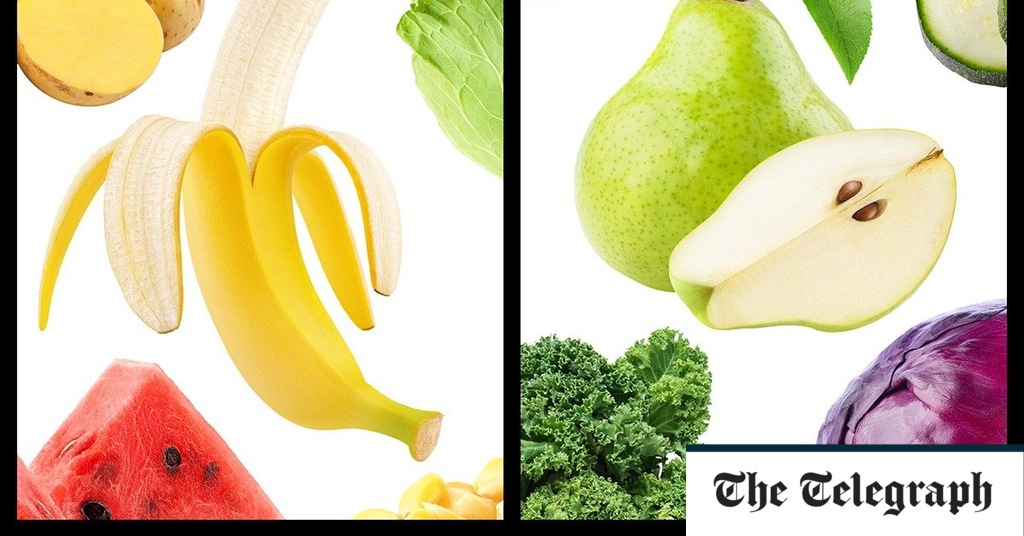
A new study from Harvard TH Chan School of Public Health suggests that consuming starchy vegetables like peas, sweetcorn, and potatoes can lead to weight gain in midlife, while non-starchy vegetables such as broccoli, carrots, and spinach are better for maintaining a healthy weight. The study also found that increasing fiber intake through whole grains and fruits like apples and pears can help reduce the effects of middle-age spread. Simple swaps like replacing sweetcorn with carrots, potatoes with courgettes, bananas with pears, iceberg lettuce with kale, and watermelon with raspberries can contribute to a healthier diet. Red cabbage is also recommended over white cabbage due to its higher antioxidant levels.
A nutritionist and cancer nutrition specialist shared six tips for reducing cancer risk through diet. The recommendations include making plant-based foods the centerpiece of meals, incorporating nutrient-rich foods like dark leafy greens, cruciferous vegetables, and berries, and opting for non-processed meats and reducing red meat consumption. Increasing fiber intake through whole grains and legumes is also advised, while alcohol consumption should be limited or replaced with non-alcoholic alternatives. Additionally, reducing sodium intake and gradually incorporating healthier eating habits are key steps in building a cancer-prevention lifestyle.
Proper nutrition plays a crucial role in reducing the risk of cancer. Dr. Brian Slomovitz, a gynecologic oncology specialist, emphasizes the importance of a healthy, balanced diet in decreasing the risk of obesity-related cancers. Registered dietitian nutritionist Nichole Andrews recommends a plant-based eating approach, incorporating fruits, vegetables, whole grains, legumes, nuts, and seeds, as these foods are rich in essential nutrients and antioxidants that have been linked to a reduced risk of cancer. Andrews also suggests choosing lean protein sources, opting for whole grains over refined grains, increasing fiber intake, replacing alcoholic beverages with non-alcoholic alternatives, and reducing sodium intake to lower the risk of stomach cancer. The key is to make gradual changes and focus on long-term sustainable habits.
These 21 gut-healthy breakfast recipes are packed with fiber-rich ingredients like oats, fruits, and yogurt, which can support healthy digestion and heart health. From Blueberry-Banana Overnight Oats to Anti-Inflammatory Beet Smoothie, these recipes are not only delicious but also easy to prepare and perfect for meal-prep. Start your day off right with these nutritious and tasty breakfast options.
Carbonated prebiotic sodas that claim to boost gut health by feeding the microorganisms in the gut are not a magic solution, but the concept of nourishing gut microbes with fiber is supported by scientific research. Fiber has numerous health benefits, including controlling blood sugar levels, lowering cholesterol and inflammation, and reducing the risk of obesity, diabetes, cancer, and cardiovascular disease. However, most Americans do not consume enough fiber. While prebiotic drinks can contribute to daily fiber targets, it is best to focus on consuming a variety of plant-based foods that naturally contain fiber. Different types of fiber found in various foods are linked to different health benefits, so it is recommended to eat a diverse range of fruits, vegetables, whole grains, beans, and nuts to support gut health and overall well-being.