Tag

Digestive System

All articles tagged with #digestive system

Copenhagen Research Links Habitual Coffee to Altered Gut Physiology and Microbiome Diversity
health7 days ago

Copenhagen Research Links Habitual Coffee to Altered Gut Physiology and Microbiome Diversity

A new study from the University of Copenhagen indicates that habitual coffee consumption significantly alters gut physiology and microbial composition. Researchers found that regular drinkers exhibit increased colon contractions and lower small intestine pH, which may help prevent constipation. While the findings suggest coffee influences the gut ecosystem through both direct metabolite effects and indirect physiological changes, the study remains exploratory and does not prove causation.


Copenhagen Study Links Habitual Coffee to Altered Gut Physiology and Microbiome Diversity
health-and-science10 days ago

Copenhagen Study Links Habitual Coffee to Altered Gut Physiology and Microbiome Diversity

A new study from the University of Copenhagen indicates that regular coffee consumption is associated with significant changes in gut physiology and microbial diversity. Researchers found that frequent drinkers exhibit more colon contractions and lower acidity in the small intestine compared to occasional drinkers. While the study does not prove causation, it suggests coffee may influence digestive motility, potentially offering insights for managing constipation.

Gastroenterologists Reject 'Poop Maxxing' Trends, Emphasizing Consistency Over Frequency for Gut Health
health2 months ago

Gastroenterologists Reject 'Poop Maxxing' Trends, Emphasizing Consistency Over Frequency for Gut Health

Medical experts advise that healthy bowel habits are defined by stool consistency and comfort rather than daily frequency. While social media promotes 'poop maxxing,' doctors warn that normal ranges vary from three times daily to once every few days. Key indicators of health include soft, formed stools passed without straining, while persistent changes, blood, or pain require medical evaluation.

Smart underwear tracks flatulence to advance gut health research
health2 months ago

Smart underwear tracks flatulence to advance gut health research

Researchers at the University of Maryland have developed smart underwear equipped with electrochemical sensors to objectively measure human flatulence. The device aims to provide data on how diet, specifically fiber intake, affects gut microbiome activity and gas production, potentially leading to better diagnostic tools for gastrointestinal issues.

4 Key Signs of an Unhealthy Gut and How to Heal It
health11 months ago

4 Key Signs of an Unhealthy Gut and How to Heal It

An unhealthy gut can manifest through symptoms like bloating, fatigue, skin issues, sleep problems, and upset stomach. To improve gut health, focus on eating fiber-rich and fermented foods, monitor medication use, consider strain-specific probiotics, and maintain regular exercise and sleep routines. Since everyone's microbiome is unique, personalized approaches and medical consultation are recommended.

"Ensuring the Safety of Colonoscopy for Patients with Irritable Bowel Syndrome (IBS)"
health2 years ago

"Ensuring the Safety of Colonoscopy for Patients with Irritable Bowel Syndrome (IBS)"

A colonoscopy is not routinely used to diagnose irritable bowel syndrome (IBS), as there are no changes inside the colon that could be detected by it. The American College of Gastroenterology recommends against using a colonoscopy for the diagnosis or management of IBS for most people, unless certain red flag symptoms or risk factors are present. IBS is diagnosed through the Rome IV criteria, and other tests such as endoscopy may be used to rule out other conditions. While there is little data on how a colonoscopy might affect IBS symptoms, managing stress levels before the procedure is important for individuals with IBS.

"The Spicy Journey: Exploring the Effects of Hot Wings on Your Body"
health-and-wellness2 years ago

"The Spicy Journey: Exploring the Effects of Hot Wings on Your Body"

The experience of eating spicy food involves a complex journey through the body, triggering reactions from the nervous system, digestive system, and more. Capsaicin, the oil in chile peppers, activates TRPV1 receptors, leading to sensations of heat, salivation, and even euphoria for some. The body's response includes increased saliva, sweating, and a rush of endorphins to alleviate the perceived pain. While eating spicy food is usually harmless, extreme amounts can lead to serious health issues. Additionally, a diet rich in hot peppers may have protective effects on the cardiovascular system, although the exact reasons remain a mystery.

"Unveiling the Truth About Ultra-Processed Foods and Their Impact on Your Health"
health2 years ago

"Unveiling the Truth About Ultra-Processed Foods and Their Impact on Your Health"

Ultraprocessed foods are created through manufacturing processes that "predigest" raw food ingredients, bypassing the body's signals of fullness and leading to overeating. These foods, which make up a large portion of the US food supply, have been linked to weight gain and various health risks. The process of breaking down and reassembling food may also lead to a loss of essential nutrients. While some food processing can be beneficial, the extensive processing involved in ultraprocessed foods poses challenges for individuals trying to control their weight and maintain a healthy diet.

"The Surprising Truth About Predigested Food Consumption"
health-and-nutrition2 years ago

"The Surprising Truth About Predigested Food Consumption"

Ultraprocessed foods are created through manufacturing processes that "predigest" raw food ingredients, bypassing the body's signals of fullness and leading to overeating. These foods are quick and easy to digest, causing people to consume more calories and gain weight. Additionally, the breakdown and reassembly of food during manufacturing may result in a loss of essential nutrients, contributing to various health risks. While some food processing can be beneficial, the extensive processing of ultraprocessed foods poses challenges for individuals trying to maintain a healthy diet in today's food environment.

"Unveiling the Dangers of Ultra-Processed Foods: Understanding Definitions and Health Risks"
health-and-nutrition2 years ago

"Unveiling the Dangers of Ultra-Processed Foods: Understanding Definitions and Health Risks"

Ultraprocessed foods are created by breaking down raw food ingredients into molecules and reassembling them, bypassing the body's signals of fullness and potentially leading to overeating. This "predigested" food lacks the nutrients our bodies need and may contribute to health issues such as obesity, diabetes, and cardiovascular disease. Research suggests that ultraprocessed foods cause people to consume more calories and gain weight, while also being less satiating and contributing to a rise in blood sugar levels. The manufacturing processes used to create these foods may be detrimental to human health, and individuals trying to control their weight are facing challenges in today's food environment.

"Everyday Foods Causing Serious Harm to Your Gut Health"
health-and-wellness2 years ago

"Everyday Foods Causing Serious Harm to Your Gut Health"

Alayna Hutchinson, a registered dietitian nutritionist, shared five foods that can improve gut health, including bone broth, pomegranate, black beans, arugula, and oysters, while advising against artificial sweeteners, fried foods, and processed meats. She also highlighted signs of healthy and unhealthy gut health, such as bowel movements, energy levels, blood sugar levels, abdominal discomfort, skin health, and immune system function.

"Boost Your Fiber Intake with These 5 Delicious Winter Foods"
health-and-nutrition2 years ago

"Boost Your Fiber Intake with These 5 Delicious Winter Foods"

Recent research shows that only 5 percent of Americans are getting the recommended amount of fiber in their diets daily, despite its numerous health benefits such as normalizing bowel movements, maintaining bowel health, lowering cholesterol levels, reducing inflammation and blood pressure, controlling blood sugar levels, and increasing satiety to manage weight and hunger. Fiber, a type of carbohydrate found in plant foods, acts as a prebiotic, promoting the growth and health of good bacteria in the gut, and comes in two types: soluble and insoluble, each with its own role in digestion. Incorporating high-fiber foods like beans, lentils, nuts, fruits, vegetables, and whole grains into your diet can help improve gut health and prevent digestive discomfort.

Man Discovers Live Fly Inside His Intestines, Sparking Horror
health3 years ago

Man Discovers Live Fly Inside His Intestines, Sparking Horror

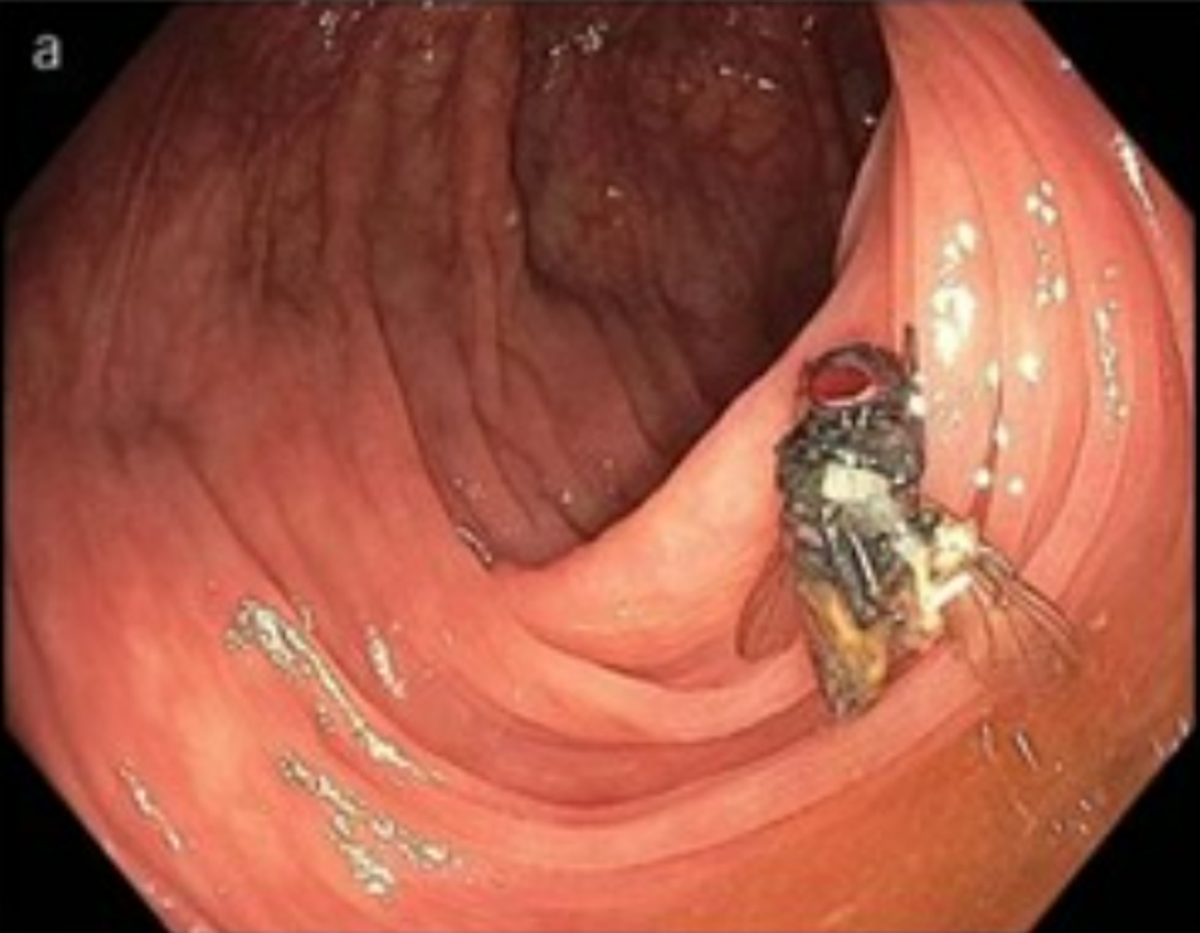
A 63-year-old man in Missouri discovered a fully intact fly inside his transverse colon during a routine colon screening. The patient had no symptoms and was unsure how the insect got into his body. Doctors speculate that the fly may have entered through consumption or through the rectum, but remain uncertain. In rare cases, insects can survive stomach acid and the gastrointestinal environment, causing intestinal myiasis. The incident represents a very rare colonoscopy finding and a medical mystery.