Tag

Fitness Trackers

All articles tagged with #fitness trackers

7,000 Daily Steps: New Research Redefines the Health Target
health4 days ago

7,000 Daily Steps: New Research Redefines the Health Target

A Lancet Public Health review of over 160,000 adults finds that about 7,000 daily steps deliver the bulk of health benefits, reducing risks of heart disease, dementia, cancer, depression, diabetes, falls, and premature death—with gains plateauing beyond 7,000. The 10,000-step target originated in a 1960s Japanese marketing campaign for the Manpo-kei, not solid science. For best results, pair brisk walking with less sedentary time, strength training, and adequate sleep; wearables can help motivate and track progress.

7,000 Steps May Be the Real Health Target, Not 10,000
health4 days ago

7,000 Steps May Be the Real Health Target, Not 10,000

The famous 10,000-step target originated in a 1960s marketing campaign for Japan’s Manpo-kei, not solid science. A 2025 Lancet Public Health review of over 160,000 adults found meaningful health benefits begin around 7,000 steps per day, with further gains but a plateau for most outcomes beyond that (except dementia). Increasing from 2,000 to 4,000 steps already improves cardiovascular health, and walking remains an accessible daily habit. Fitness trackers help by gamifying goals, but a sustainable approach—more daily steps, higher intensity when possible, regular strength work, breaking up long sedentary periods, and adequate sleep—paired with at least 150 minutes of moderate activity weekly, offers the best long-term benefits.

7,000 Steps Are the Real Health Target, Not 10,000
health4 days ago

7,000 Steps Are the Real Health Target, Not 10,000

The 10,000-step target originated from a 1960s marketing campaign for Japan's Manpo-kei, not science. A 2025 Lancet Public Health review of over 160,000 adults shows major health gains occur around 7,000 steps per day, with benefits plateauing beyond that for most outcomes (except dementia). Increasing from 2,000 to 4,000 steps improves cardiovascular health, and consistency matters more than chasing a fixed number. For best results, increase pace, reduce sedentary time, and pair walking with strength training and adequate sleep; guidelines recommend about 150 minutes of moderate activity weekly. Wearables can help motivate sustainable habits but aren’t a magic fix.

Garmin Cirqa redefines screen-free wearables as a middle ground between Fitbit Air and Whoop 5.0
wellness19 days ago

Garmin Cirqa redefines screen-free wearables as a middle ground between Fitbit Air and Whoop 5.0

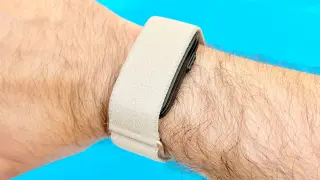
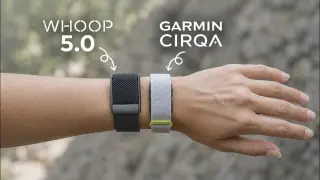
Tom’s Guide’s Dan Bracaglia reviews Garmin Cirqa, a screen-free fitness tracker that sits between Fitbit Air and Whoop 5.0 on price and features. Cirqa costs $199 (more than Air’s $99 but cheaper than Whoop’s recurring subscription), weighs about 14.8 g (heavier than Air but lighter than Whoop), and lasts around 10 days per charge. Garmin’s Connect app provides deeper sleep and wellness insights (including Fitness Age and recovery time) and Cirqa supports Natural Cycles, offering more actionable data than Fitbit’s app. A standout design touch is a single side button to control 80+ workout types, reducing reliance on the app. Overall, Cirqa aims to blend the accessibility of Fitbit Air with some of Whoop’s holistic metrics, making it a solid middle-ground option for screen-free wearables.

Garmin Cirqa Faces Off Against Whoop in Screenless Fitness Battle
technology1 month ago

Garmin Cirqa Faces Off Against Whoop in Screenless Fitness Battle

Garmin’s Cirqa is a new screenless fitness band aiming to rival Whoop, offering a largely one-time purchase at $199 with detailed metrics via Garmin Connect and optional Connect+ perks ($6.99/mo). It promises up to 10 days of battery life, but tests show Cirqa undercounts steps by about 16% in real use, while heart-rate tracking can be highly accurate versus a Polar H10. Whoop remains subscription-only, with a basic plan around $199/year and a premium plan at $359/year. For budget-conscious users who want a solid set of metrics without ongoing fees, Cirqa is compelling; for those seeking the depth of data-driven insights, Whoop’s subscription could be worth it.

CIRQA vs Fitbit Air: Athletes’ Metrics vs Everyday Wellness
technology1 month ago

CIRQA vs Fitbit Air: Athletes’ Metrics vs Everyday Wellness

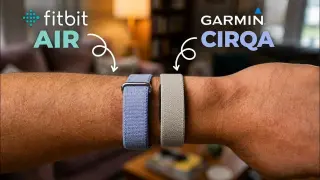
Garmin CIRQA targets athletes with advanced metrics (body battery, fitness age, recovery time), 80+ activity profiles and up to 10 days of battery, while Fitbit Air focuses on casual users with a simple Google-integrated health dashboard, 40+ modes and about 7 days of battery at a lower price. Both offer core health features (heart rate, HRV, sleep, stress, women’s health) and water resistance; CIRQA adds nap detection and deeper analytics via Garmin Connect (subscription optional), whereas Air relies on Google Health with optional AI coaching. Price: CIRQA $199 vs Air $99.99. Choose CIRQA for training optimization and durability, or Fitbit Air for affordable, easy wellness tracking within Google’s ecosystem.

Step-count showdown: Fitbit Air edges Garmin Cirqa in early test
wellness1 month ago

Step-count showdown: Fitbit Air edges Garmin Cirqa in early test

Tom’s Guide pits the Garmin Cirqa against the Fitbit Air in a hands-on, screenless-tracker face-off. Both devices count steps via an accelerometer, but the Fitbit Air comes closest to a manual 5,500-step tally (about 5,552 steps) while the Garmin Cirqa records 4,605 steps and, crucially, failed to register the walk as a walk in Garmin Connect. Garmin notes the Cirqa gets smarter with more use. Overall, the Fitbit Air wins this step-count test, though Cirqa remains competitive thanks to its long battery life and ongoing software improvements.

Garmin CIRQA vs WHOOP 5.0: Which Wearable Fits Your Fitness Focus
technology1 month ago

Garmin CIRQA vs WHOOP 5.0: Which Wearable Fits Your Fitness Focus

Garmin CIRQA targets athletes with detailed training analytics (training readiness, Body Battery) and 80+ sport profiles, a removable 10‑day battery, 5 ATM water resistance, and optional Garmin Connect Plus features; WHOOP 5.0 centers on recovery with a 0–100 recovery score, 145 activity profiles with automatic detection, IP68 water resistance, and a 14‑day battery with a slide‑on charger, but advanced insights require a subscription.

When a wearable spotted pregnancy before she did
technology1 month ago

When a wearable spotted pregnancy before she did

BBC profiles Ravika, who was alerted by her Oura ring to a poor health score, elevated temperature and lower HRV before she could confirm pregnancy, a pattern some users report across wearables. While such devices can hint at early pregnancy through temperature and other metrics, experts warn the data isn’t reliable enough for medical decisions and can cause anxiety; doctors advise using wearables as a supplement to care, not a replacement, and note rising use as wearables become more common in the UK.

Fitbit Air: a slim tracker with an ambitious AI health coach
tech2 months ago

Fitbit Air: a slim tracker with an ambitious AI health coach

The Google Fitbit Air pairs a lightweight, long‑lasting tracker with Google's AI Health Coach, offering daily sleep/readiness summaries and personalized daily actions while letting you use basic tracking without the AI. The Air’s hardware excels (comfort, battery life) and supports a robust metric set, but the AI coach requires substantial setup and ongoing handholding (including uploading medical records via CLEAR verification) and can revert to older data; its best use today is as a helpful bridge between doctor visits, not a replacement for medical care. The option of a premium subscription is optional, with a three‑month trial included, making the AI features accessible without forcing paywalls. Overall, the Air represents Google’s most practical health wearable to date, balancing affordability with ambitious software amid ongoing AI-health challenges.

Luna Band debuts in July as subscription-free rival to Fitbit Air
wearables3 months ago

Luna Band debuts in July as subscription-free rival to Fitbit Air

Luna Band, Luna’s screenless fitness tracker unveiled at CES 2026, will ship starting July 31 with pre-orders opening July 4. It tracks activity, sleep, nutrition and medical data, runs LifeOS with Siri/Gemini integration and voice logging, and reportedly does not require a subscription—unlike Fitbit Air or WHOOP—with up to 10 days of battery life; pricing has not been announced.

Google Health Community Replaces Fitbit Forum, Old Threads Lose Accessibility
news3 months ago

Google Health Community Replaces Fitbit Forum, Old Threads Lose Accessibility

Google has migrated the Fitbit Community to Google Health Community, folding Fitbit into its broader health ecosystem. The redesigned forum now covers the Google Health app, Google Fitbit Air, and existing devices like Sense, Versa, Inspire, and Ace, while older Fitbit discussions are harder to access, potentially erasing years of troubleshooting and support content.