Tag

Food Allergies

All articles tagged with #food allergies

AI Consensus, Martian Gem, and Biodiversity's Diet Challenge
science13 days ago

AI Consensus, Martian Gem, and Biodiversity's Diet Challenge

This week’s science roundup highlights: AI agents spontaneously reach a consensus in a controlled experiment, Perseverance reveals corundum gemstones on Mars, dolphins in Australia’s waters demonstrate shell-assisted hunting, a PNAS study links vegetable biodiversity to healthier diets as varieties decline, and early human data suggest fecal microbiota transplants could help treat peanut allergies; plus drought-driven heat threatens Pinot Noir and other wine regions.

Birth Order May Tilt Your Risk for ADHD, Allergies, and More
health19 days ago

Birth Order May Tilt Your Risk for ADHD, Allergies, and More

New research analyzing health data from over five million two-child families finds birth order is linked to different disease risks: first-borns have higher odds of neurodevelopmental conditions (ADHD and autism) and of food allergies and hay fever, while second-borns show higher odds of substance-use disorders and gastrointestinal conditions. A shorter gap between siblings may offer some protective effect for certain neuropsychiatric and allergic conditions. Experts caution these are population-level associations rather than causal links, and birth order is a non-modifiable, relatively weak predictor of individual risk.

California allergen-label rule reshapes menus for national chains
business1 month ago

California allergen-label rule reshapes menus for national chains

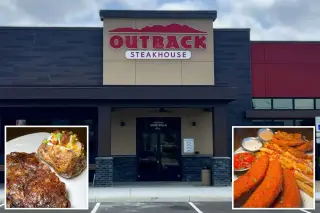
Starting July 1, California’s Senate Bill 68 (Allergen Disclosure for Dining Experiences) requires restaurants with 20+ locations and at least one in California to clearly state whether each menu item contains any of the Big Nine allergens (milk, eggs, peanuts, tree nuts, wheat, soy, fish, shellfish, sesame) across physical, digital, and third‑party menus, with QR codes or a physical allergen booklet as backup; chains like Outback Steakhouse, Olive Garden, Texas Roadhouse and LongHorn must comply to inform customers with food allergies.

California in Focus: Lecturer Acquitted, Energy Clash, Allergy-Safe Dining, and Looming LAUSD Strike
california-news4 months ago

California in Focus: Lecturer Acquitted, Energy Clash, Allergy-Safe Dining, and Looming LAUSD Strike

Four California stories in one: a Cal State Channel Islands philosophy lecturer was acquitted of assaulting a federal officer after a protest; U.S. Energy Secretary visited a Long Beach oil site amid ongoing federal-vs-state disputes over California’s setback laws; a LA Local feature highlighted seven allergy-friendly dining spots; and LAUSD faces a potential three-union strike that could shutter schools starting April 14, with ongoing negotiations on pay, benefits and student support.

GSK to acquire RAPT Therapeutics, adding long-acting anti-IgE for food allergies
business7 months ago

GSK to acquire RAPT Therapeutics, adding long-acting anti-IgE for food allergies

GSK has agreed to buy RAPT Therapeutics for $58 per share (~$2.2 billion equity, ~$1.9 billion net) to gain ozureprubart, a long-acting anti-IgE antibody in phase IIb aimed at prophylactic protection against food allergies. The therapy could allow dosing every 12 weeks (vs current injections every 2–4 weeks), addressing a major unmet need and expanding GSK’s allergy portfolio. The deal is structured as a tender offer with closing expected in Q1 2026, and includes milestone/royalty arrangements linked to RAPT’s partner.

Early Peanut Exposure Significantly Reduces Child Food Allergy Risks
health10 months ago

Early Peanut Exposure Significantly Reduces Child Food Allergy Risks

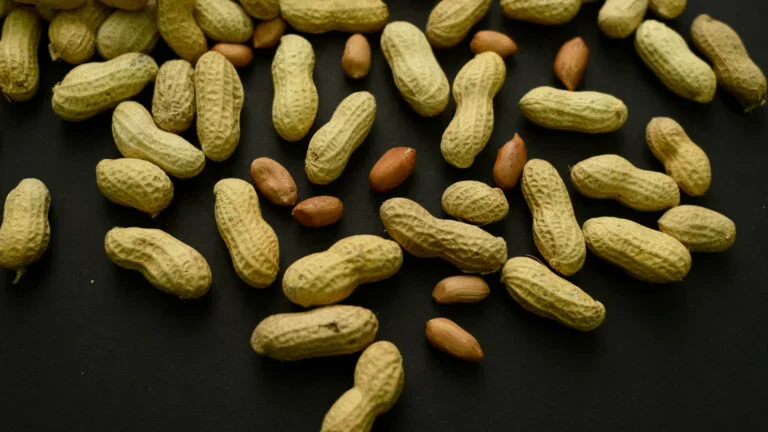
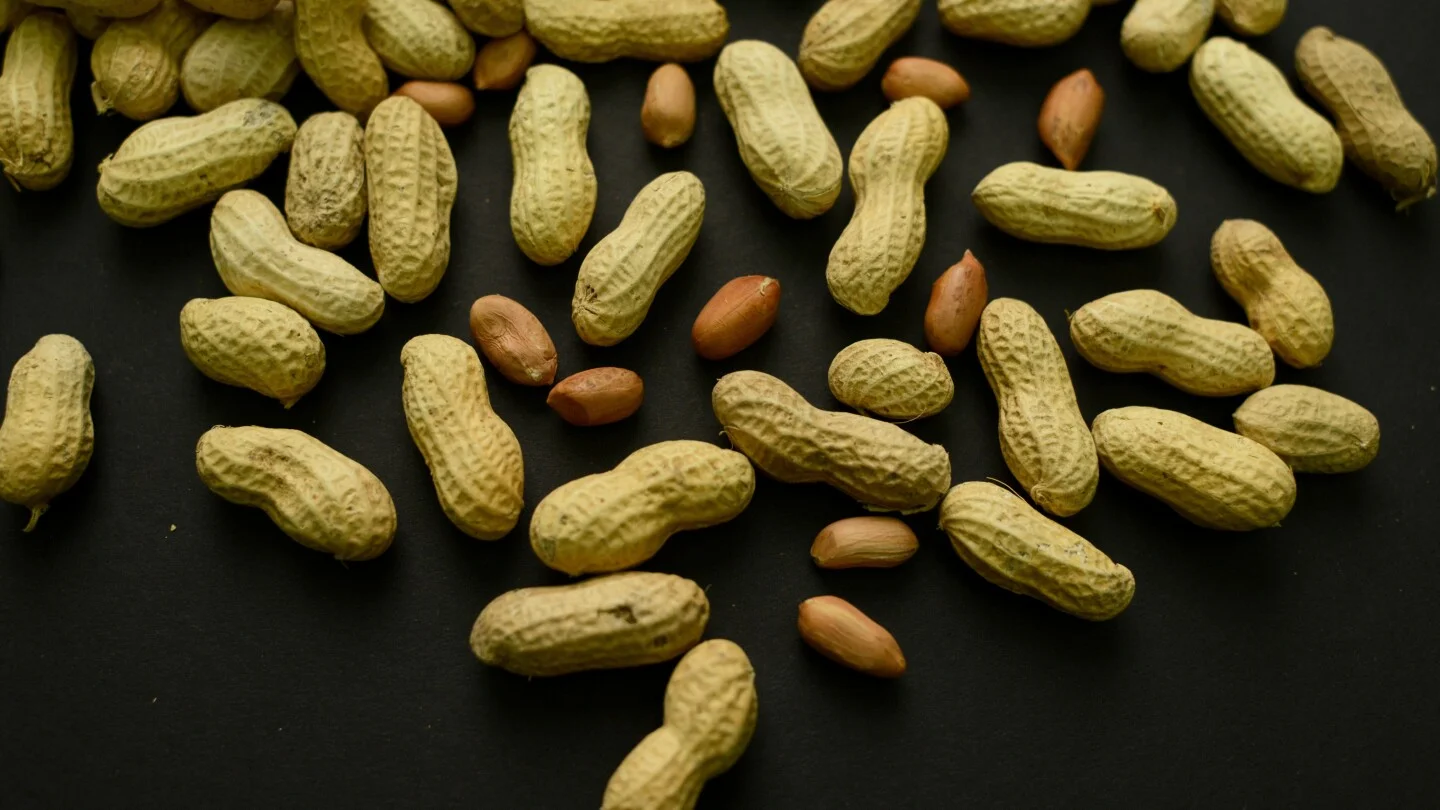
A new study shows that early introduction of peanuts to infants, following updated guidelines, has prevented approximately 60,000 children in the U.S. from developing peanut allergies, with a significant decline in cases among children aged 0-3 since 2015. Despite initial slow adoption, the practice is gaining traction and offers a promising strategy to reduce food allergy prevalence.