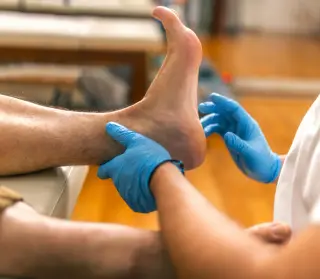
Persistent Foot Clues Could Signal Hidden Health Issues
Foot problems can be easy to miss during sandal season, but persistent or unusual symptoms may signal a larger health issue and should be evaluated if they linger.

All articles tagged with #foot health
Foot problems can be easy to miss during sandal season, but persistent or unusual symptoms may signal a larger health issue and should be evaluated if they linger.
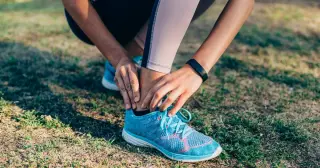
TODAY’s expert says the No. 1 walking-shoe mistake is not re-measuring your feet every time you buy; feet can lengthen or widen with age, weight changes, and pregnancy, leading to pain, blisters, calluses, numbness, or conditions like plantar fasciitis or bunions. To fit correctly, measure both feet at each purchase, round up to the larger size, leave about a half-inch of space at the toe, and choose footwear with a wider toe box, lower heel-to-toe drop, and a less cushioned sole. If foot pain persists, consult a doctor.

Podiatrists share common foot-care pitfalls to avoid—such as wearing Crocs for long periods, living in high heels, walking barefoot in public spaces, running in non-running shoes, and neglecting foot hygiene or diabetic foot care—and offer safer practices like wearing supportive walking shoes, inspecting feet daily, avoiding unsterilized salons, and using activity-appropriate footwear to prevent injuries and infections.
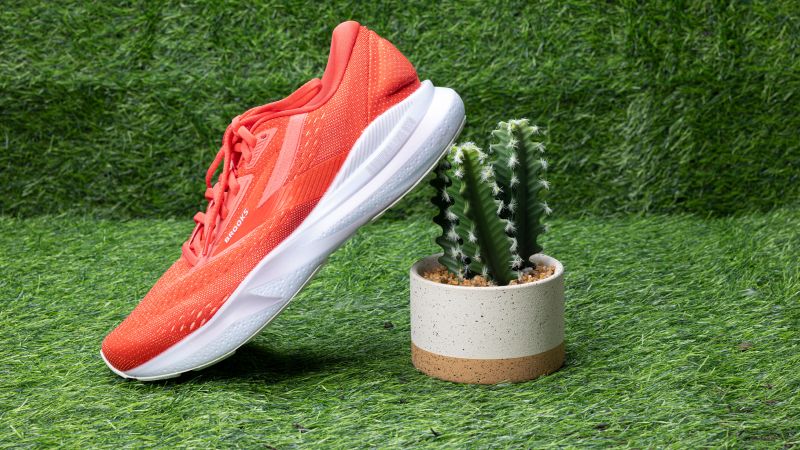
The article reviews the best shoes for plantar fasciitis, emphasizing the importance of proper support, cushioning, and fit, with expert recommendations for running, walking, wide feet, and recovery shoes to alleviate heel pain and promote pain-free walking and running.

A Morton’s neuroma is a thickening of a nerve between toes, often causing pain that may require surgery if conservative treatments like injections and proper footwear fail. Surgery can significantly reduce pain, with most patients walking soon after and returning to normal shoes within weeks, though some numbness may persist. The success rate varies, and results are not guaranteed.
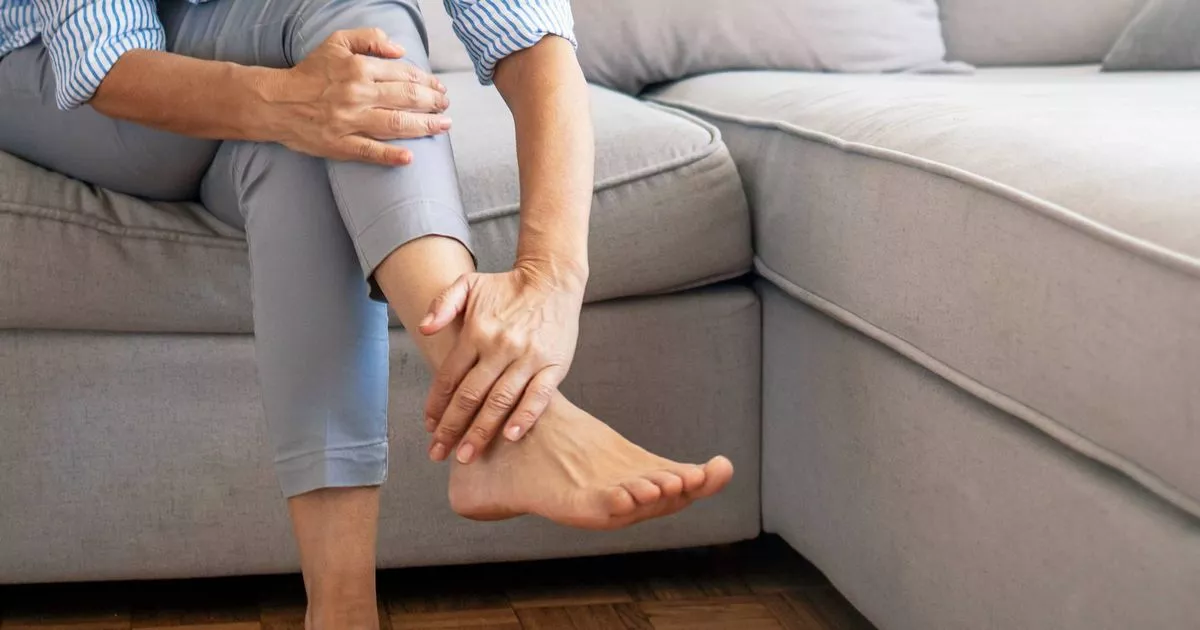
Dr. Eric Berg highlights how foot symptoms can indicate broader health issues, such as numb feet signaling peripheral neuropathy or foot cramps suggesting magnesium deficiency. He advises consulting healthcare providers for any concerns. The NHS also recommends seeing a GP for symptoms like swollen feet, which may relate to diabetes, or discolored legs, possibly indicating deep vein thrombosis. Proper diagnosis and treatment are crucial for managing these conditions.
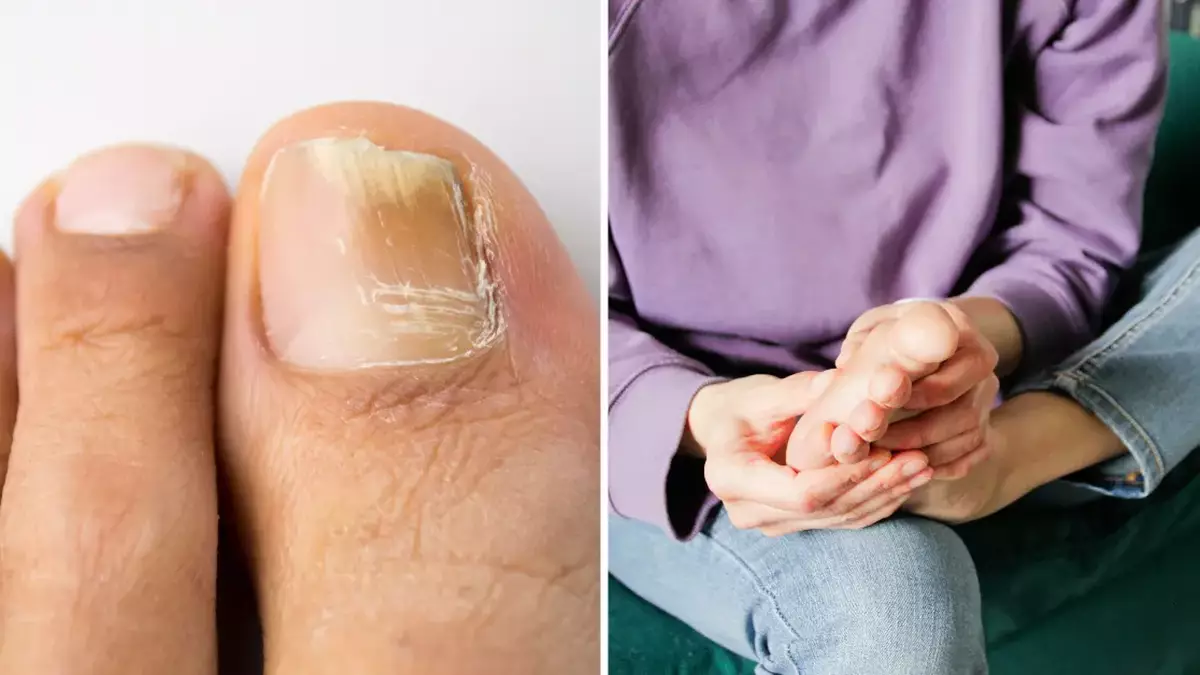
Pharmacist Noel Wicks highlights that feet can reveal signs of peripheral arterial disease (PAD), a condition where fatty deposits in arteries restrict blood flow, potentially leading to severe health issues like heart disease and diabetes. Symptoms include cold, painful, or numb feet, and thick, brittle toenails. The NHS advises lifestyle changes and medical consultation if symptoms occur, as PAD is common but can be deadly if untreated.
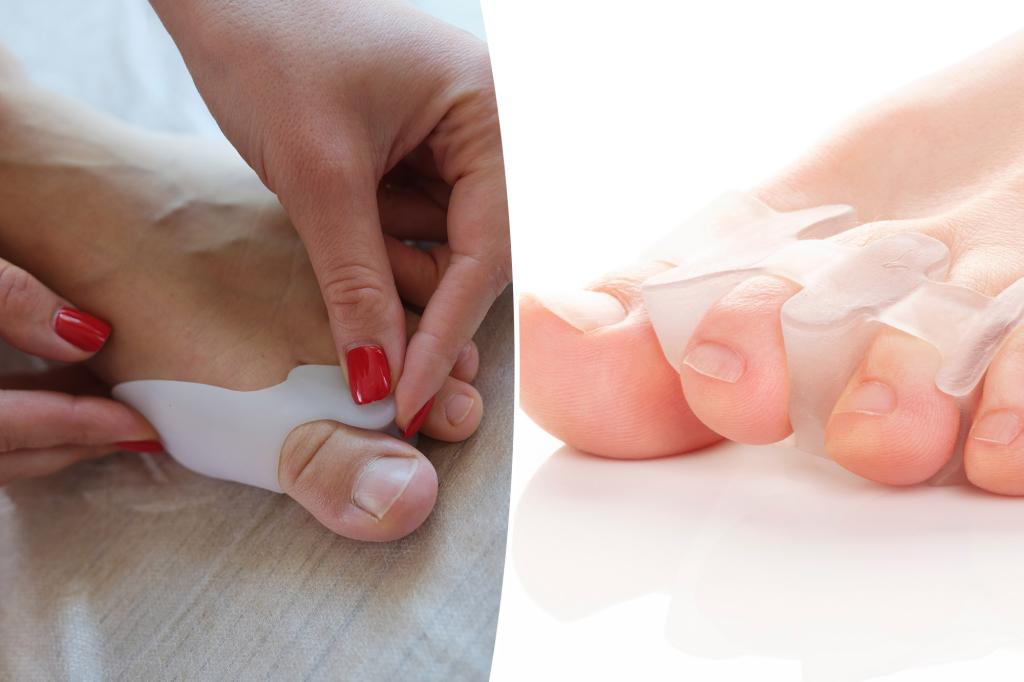
Toe spacers, a $30 wellness tool, are gaining popularity as a solution to foot pain and deformities caused by tight shoes and high heels. These spacers, available in various materials, separate the toes to stretch them and improve foot strength and balance. While they won't cure underlying issues like bunions, they offer a low-cost alternative to surgery and are recommended by experts for daily use to alleviate foot pain and improve balance, with noticeable results after consistent use over time.
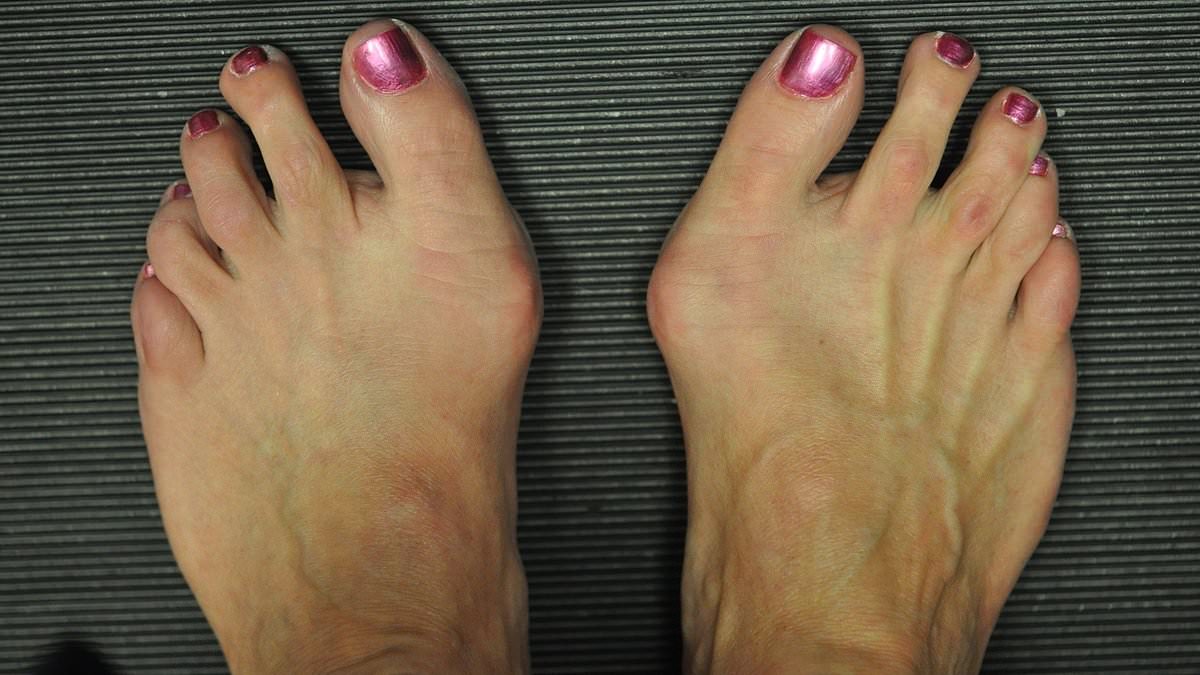
Physical therapist Dr Aaron Horschig suggests using toe spacers, such as Correct Toes, to prevent and treat bunions. By widening the top of the foot, these plastic or foam devices can help realign the toes with the metatarsals, reducing the angle of existing bunions and alleviating pain. Research supports their effectiveness, with a study showing that wearing toe spacers for eight months improved flexibility and reduced pain in women with moderate bunions. Dr Horschig also recommends wearing shoes with a wide toe box to allow the toes to spread out and reverse the negative effects of narrow footwear.
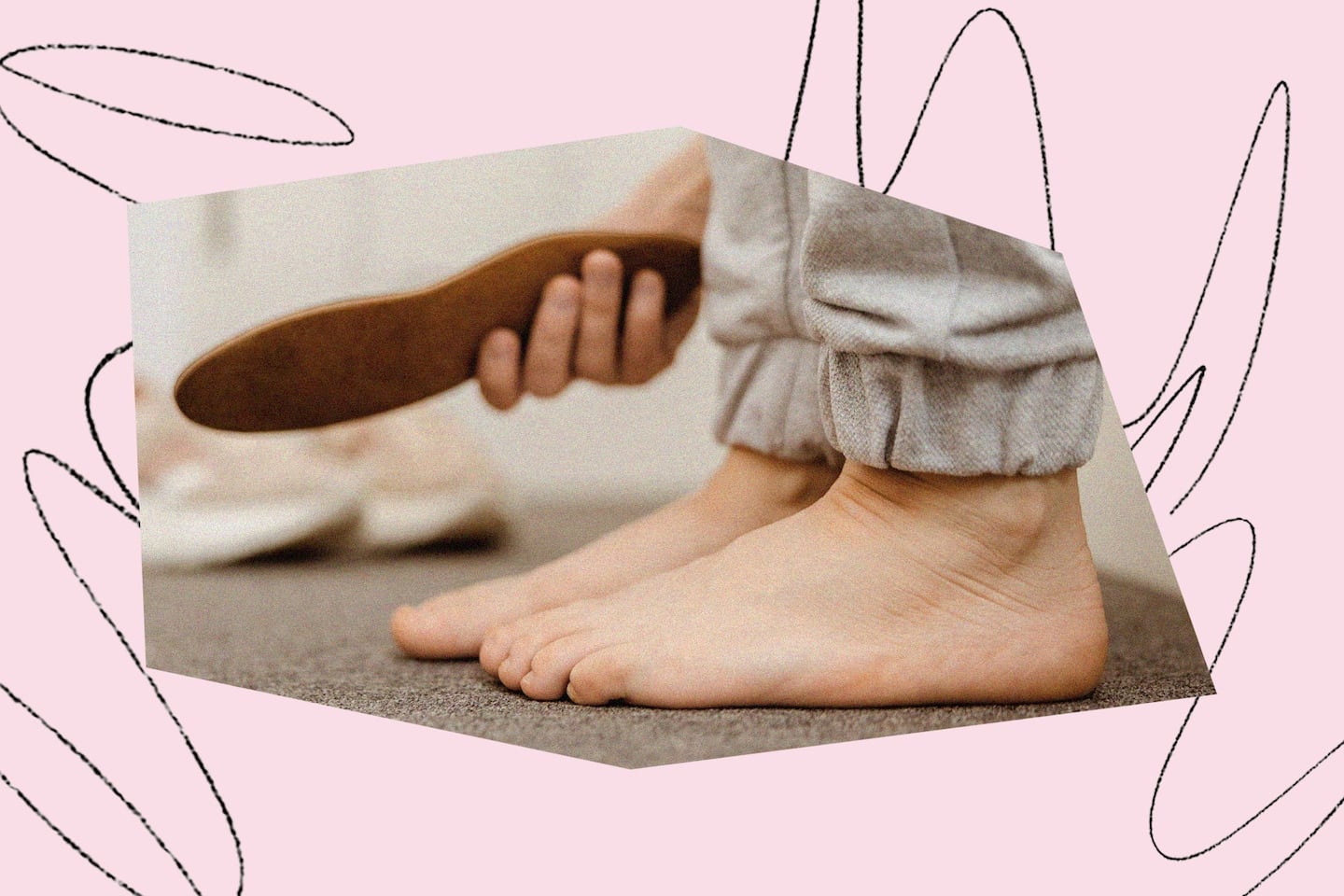
A group of podiatrists in Canada and Britain argue that flat feet should be considered a healthy anatomical variant rather than a deformity. They emphasize that the focus should be on addressing pain and treating any related problems, rather than worrying about the appearance of the feet or arches. Research suggests that there is little evidence to support the use of supportive shoes, orthotic inserts, or surgery for flat feet. Instead, experts recommend a more active approach to foot care, including strengthening the intrinsic foot muscles and finding a well-fitting, comfortable shoe. The message is to prioritize pain management and function rather than the appearance of the foot.
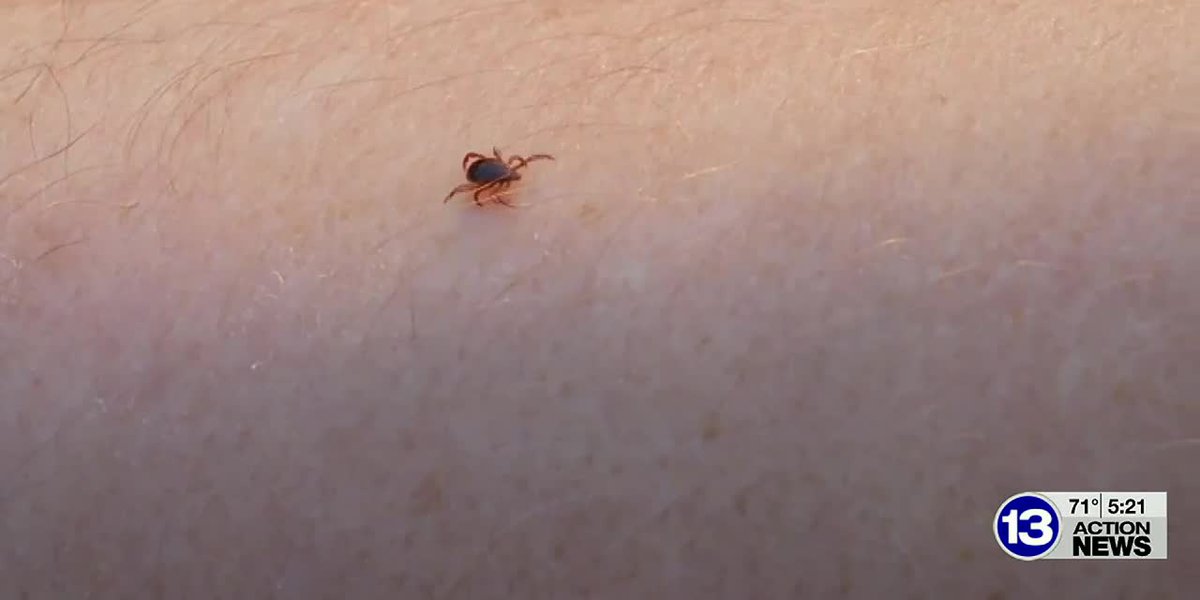
A local man from Toledo, Ohio, is urging the public to be vigilant during tick season after losing five toes to a tick bite. Tim Rosebrook discovered a tick between his toes after a fishing trip last July, which later caused a severe infection. Despite the risk of a below-the-knee amputation, doctors were able to reconstruct some veins in his leg, ultimately saving his foot. Rosebrook and his doctor emphasize the importance of paying attention to one's body and seeking prompt medical attention, especially for individuals with risk factors such as diabetes, high cholesterol, smoking, or heart disease.

Podiatrists share the behaviors they avoid to protect their foot health, including not wearing Crocs for long periods of standing or walking, wearing high heels in moderation to avoid foot pain, not walking barefoot to prevent calluses and fat pad atrophy, avoiding running in non-running shoes to prevent pain, not going barefoot in germy spaces to avoid infections, avoiding cotton socks to prevent blisters and foot fungus, going to trusted nail salons to avoid fungal or bacterial infections, not self-treating or ignoring foot infections, retying laces for proper shoe support, and taking extra care as a diabetic by not going barefoot and inspecting feet daily.
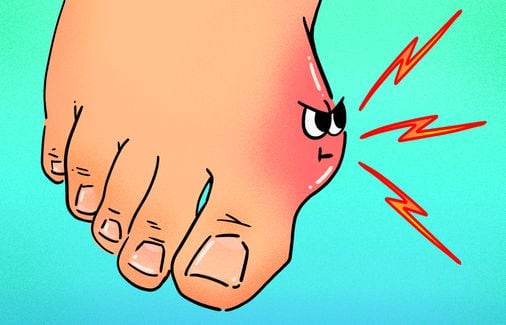
Bunions, bony bumps that form on the joint at the base of the big toe, can be a cosmetic challenge and cause discomfort. A bunion support group on Facebook reveals the struggles and despair faced by those with bunions, with many discouraging surgery. Celebrities like Catherine Zeta-Jones and Oprah have also been affected by bunions. While surgery is an option, non-operative treatments can often alleviate discomfort and help avoid surgery. Bunions typically grow slowly, giving individuals time to explore non-surgical options before considering surgery.
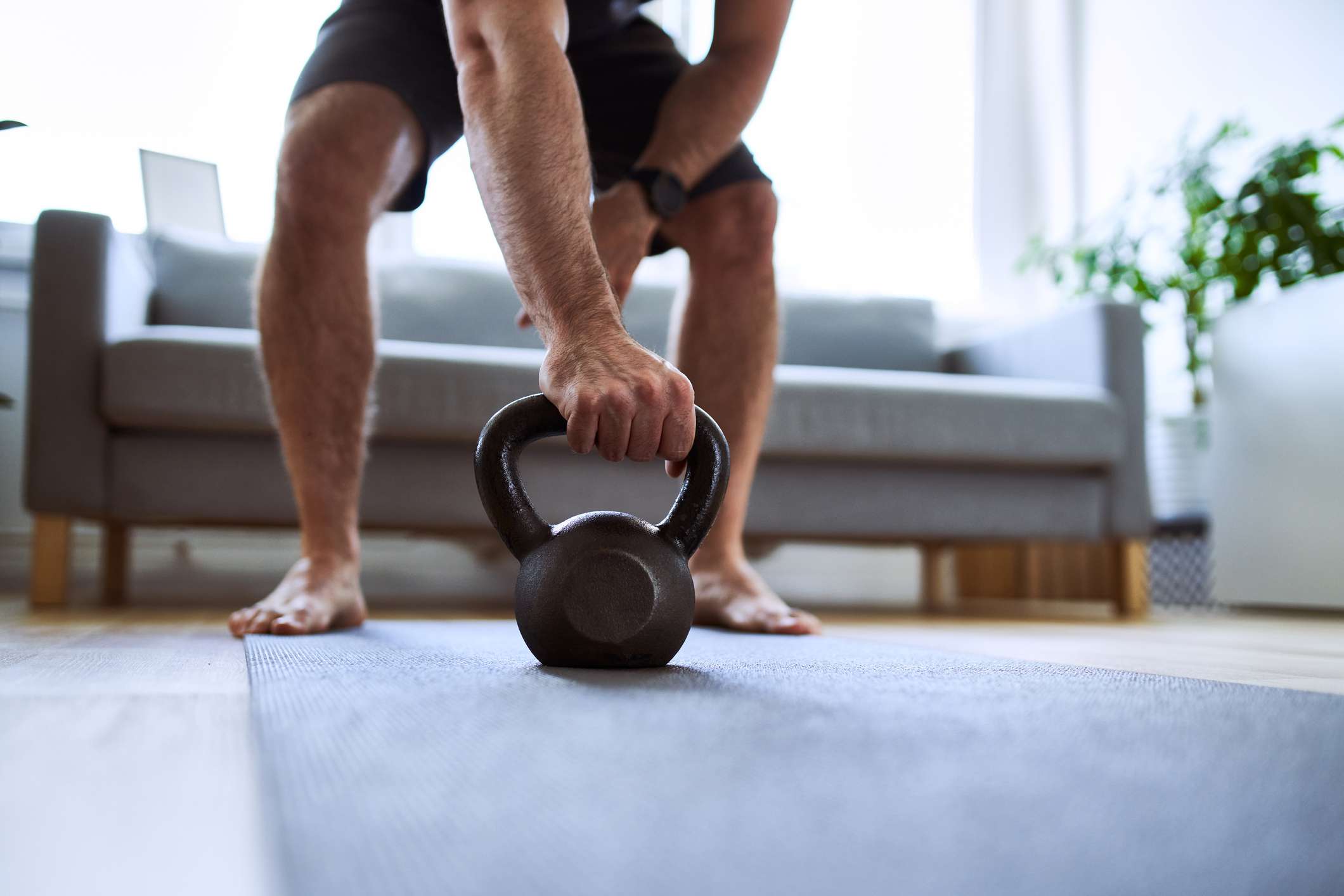
Working out barefoot can improve balance, coordination, and foot strength, but it may not be suitable for everyone or every activity. Barefoot workouts can increase the risk of cuts, scrapes, and fungal infections, and may not improve athletic performance. People with pre-existing foot conditions or low/high arches should wear sneakers for support. It's generally safe for indoor mat activities like yoga and pilates, but not recommended for cycling or outdoor running. Gradually transitioning to barefoot workouts and strengthening leg muscles can help. It's important to listen to your body and find what works best for you.
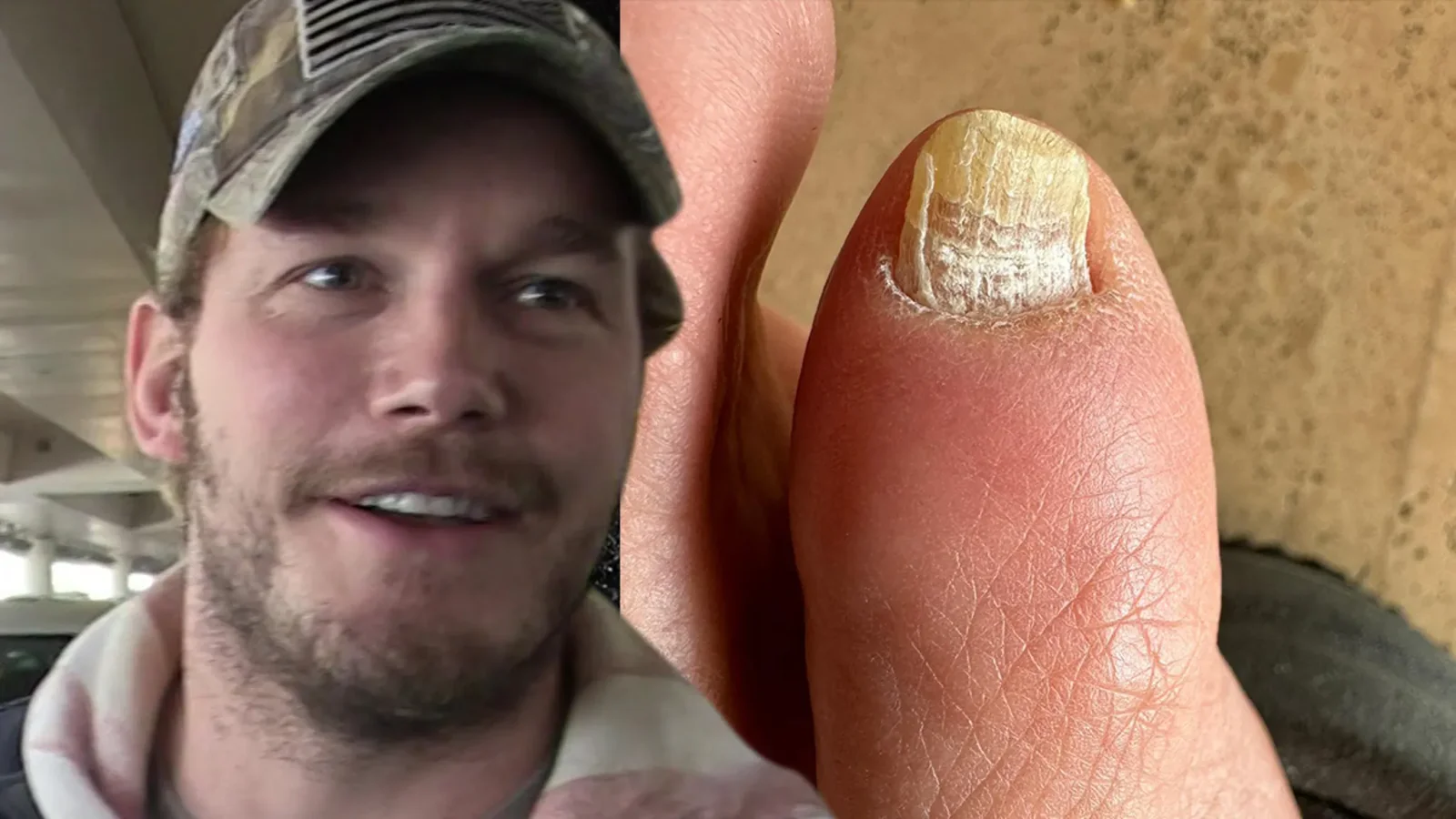
Chris Pratt posted a photo of his pinky toenail on social media, which foot surgeon Dr. Brad Schaeffer diagnosed as toenail fungus. Schaeffer advises Pratt to see a doctor or podiatrist to address the issue, which could cause further complications. Despite the unsightly appearance, Schaeffer says the case doesn't appear too severe and offers a simple solution.