Defaults in the private credit market have reached a record level as higher interest rates weigh on borrowers, signaling increased distress for private debt borrowers and potential ripple effects for lenders and private funds.
Blackstone's BCRED private credit fund posted a 0.4% loss in February, the first monthly decline in more than three years, amid rising liquidity concerns and a surge in withdrawals, though Blackstone touted solid inception-to-date returns and outperformance versus leveraged loans this year.
The UK has given Roman Abramovich a final 90-day deadline to transfer 2.5 billion pounds from Chelsea's sale to Ukraine's victims or face legal action, as part of sanctions related to Russia's invasion of Ukraine. The government plans to issue a license to transfer the funds to a charitable foundation supporting Ukraine, with European leaders also considering using frozen Russian assets for Ukraine's needs.
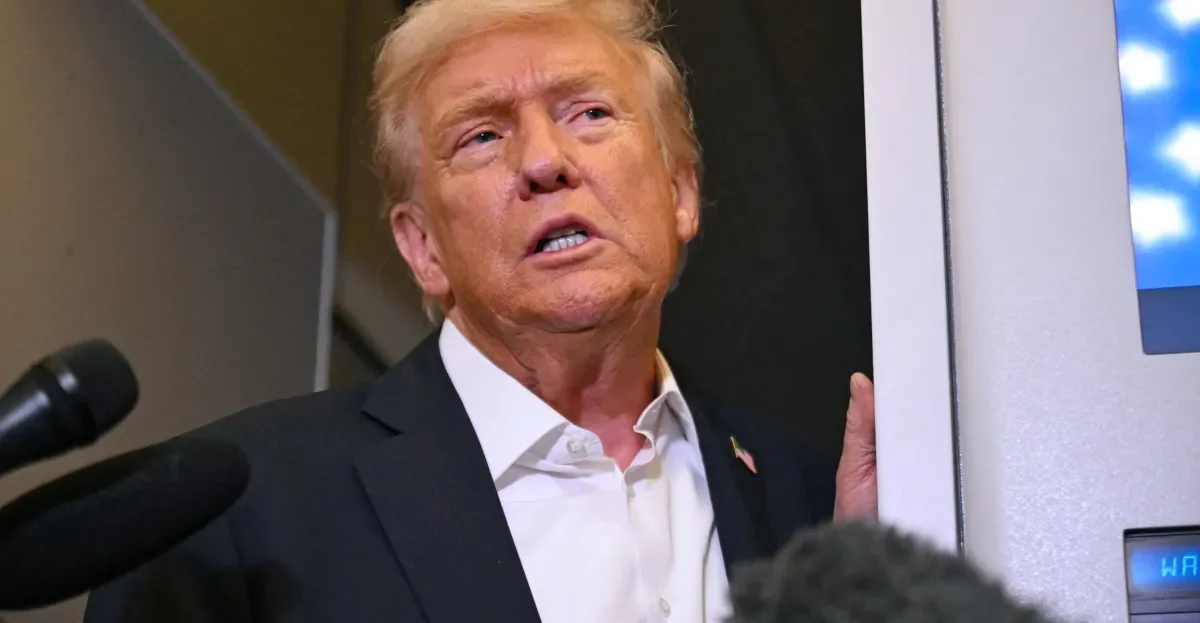
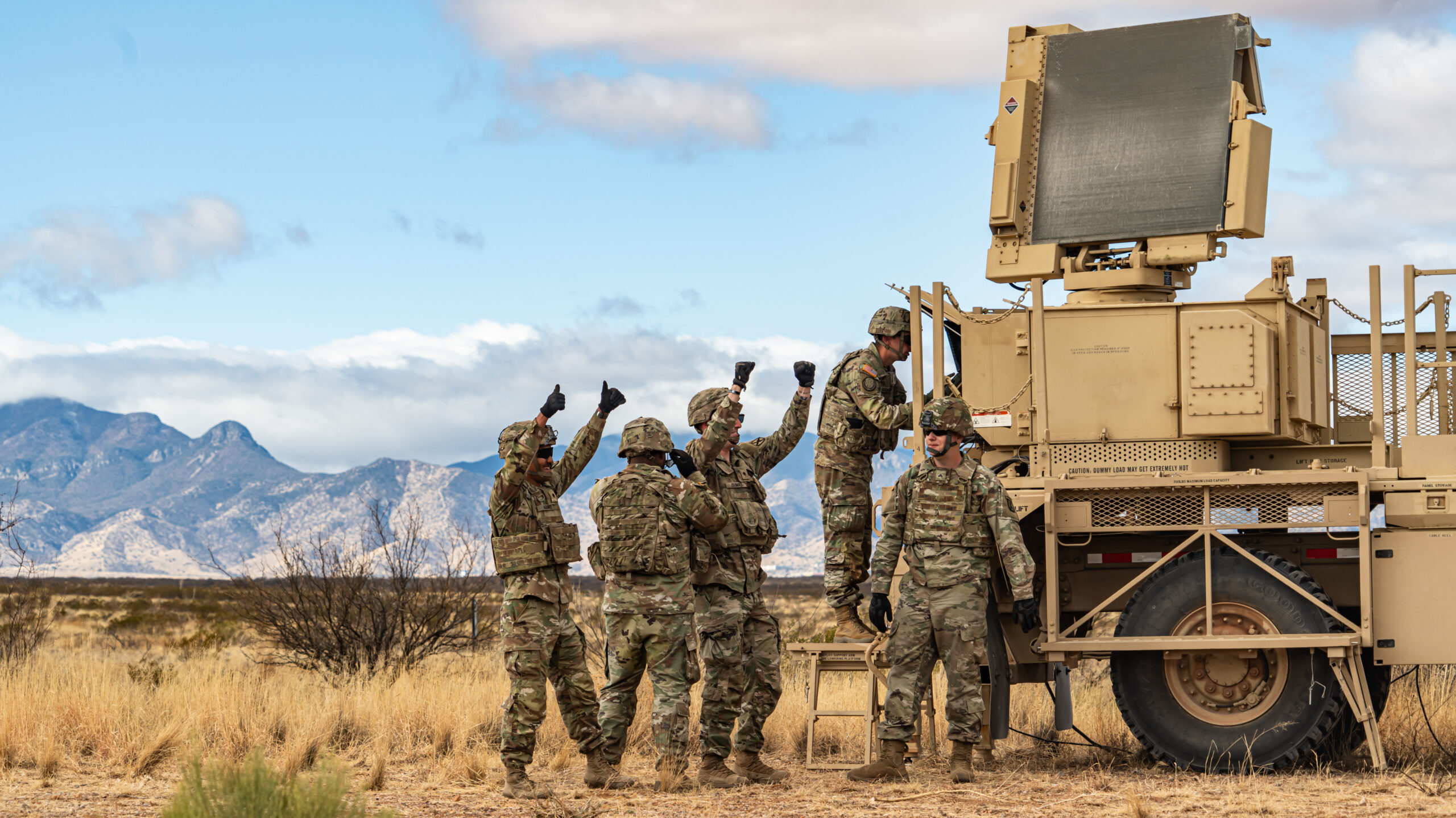
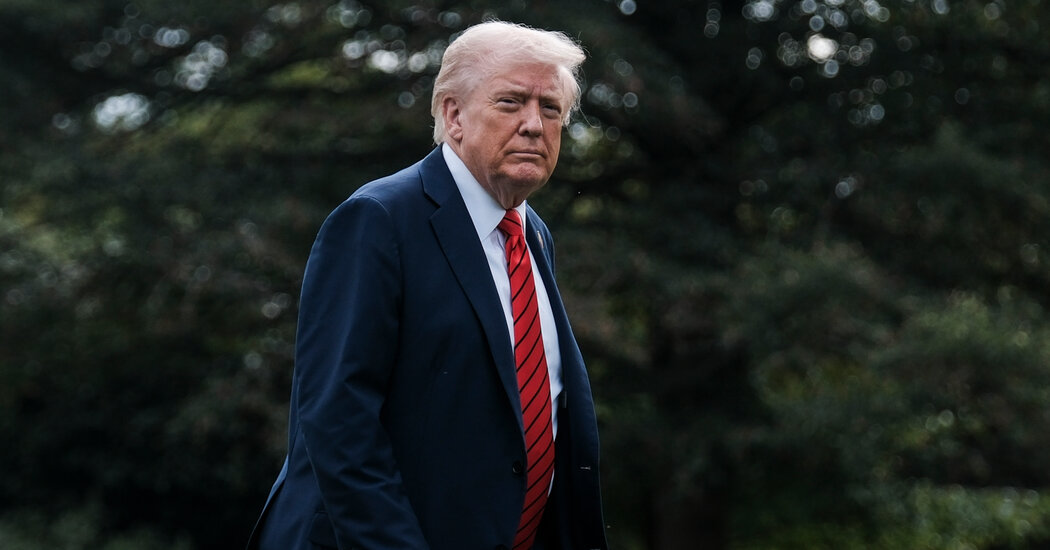
The Trump administration is using repurposed Defense Department funds to pay US military members during a government shutdown, an action that is likely illegal and highlights ongoing financial challenges for federal workers.
During a lapse in congressional appropriations, President Trump authorized the Secretary of War to use available funds from Fiscal Year 2026 to pay military personnel to ensure readiness and pay continuity, emphasizing the importance of maintaining military operations despite legislative delays.
The Defense Department is using unobligated research and development funds to pay troops during the government shutdown, raising legal questions about the authority to do so and potential violations of the Anti-deficiency Act, as this move circumvents usual appropriations processes and congressional intent.
The Pentagon plans to reallocate $8 billion in unobligated research and development funds from the previous fiscal year to ensure military personnel are paid during the ongoing government shutdown, amid ongoing political disagreements and without congressional approval, potentially impacting development programs.
President Trump announced he would use unspent funds to pay military personnel during the ongoing government shutdown, despite Congress not approving new military funding, as a way to avoid financial hardship for over a million service members.
Despite the federal government shutdown starting October 1, the judiciary remains operational using existing funds and will continue paid operations through October 17, with most proceedings proceeding as scheduled, though some delays may occur if funds run out and the Anti-Deficiency Act is invoked.
US Social Security and Medicare programs are projected to run short of funds in 2033, three years earlier than previously estimated for Medicare, due to higher-than-expected hospital expenditures, prompting calls for early legislative action to address financing issues.
The Social Security fund may become depleted earlier than previously forecast, risking automatic benefit cuts of 23% by 2033 if Congress does not implement reforms, according to the latest trustees report.
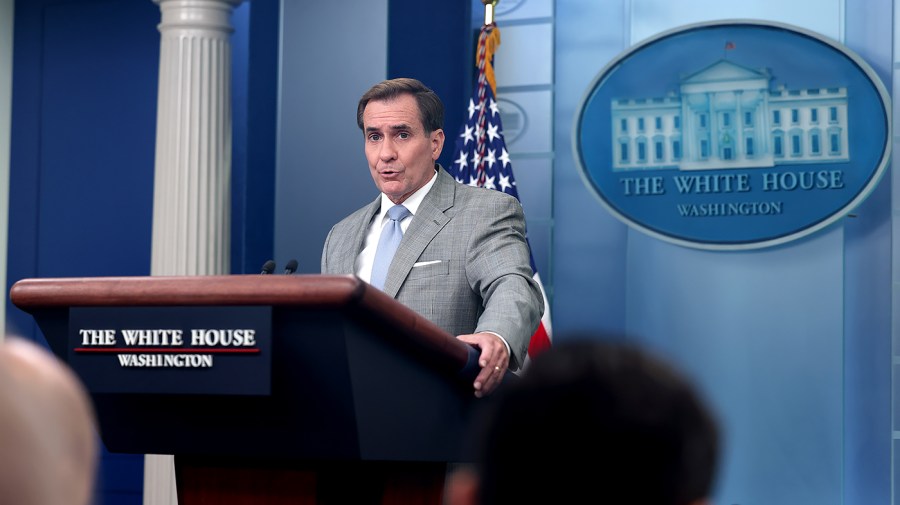
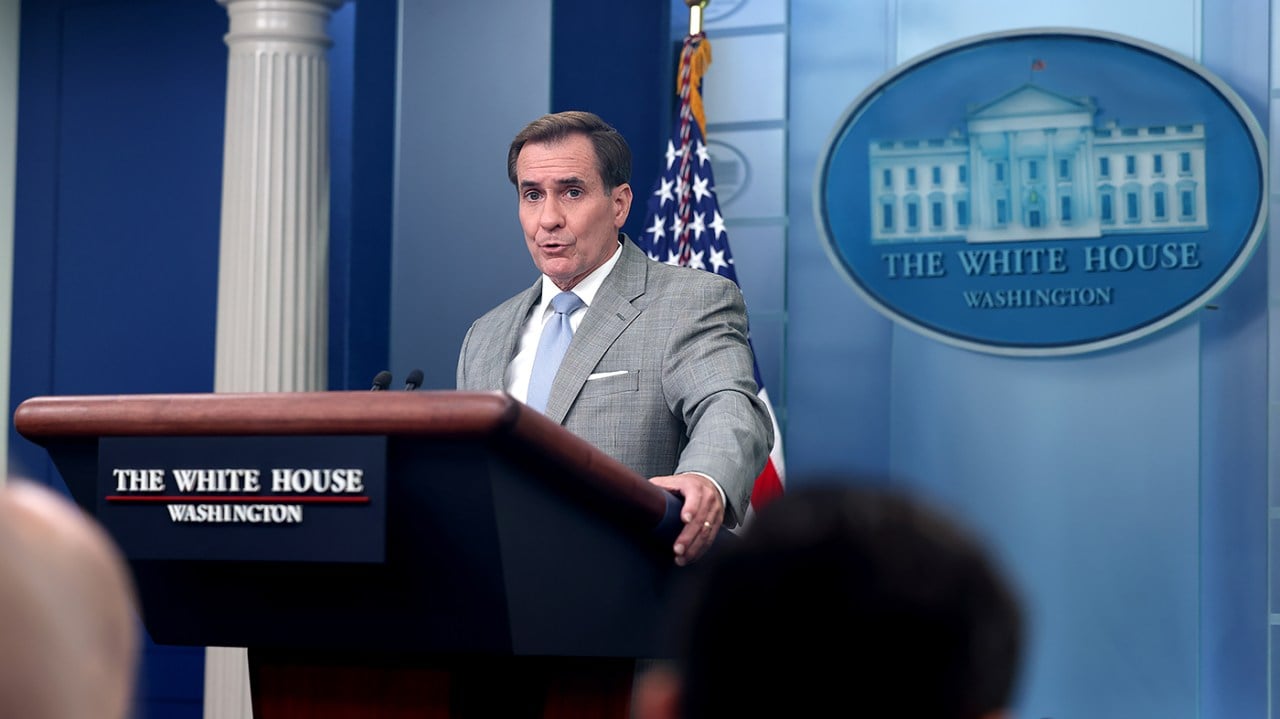
National Security Council spokesperson John Kirby defended the release of $6 billion in Iranian funds by the U.S., stating that the money was not used to fund Hamas attacks on Israel. Kirby argued that the fungibility argument is false and that the Iranians were never concerned about humanitarian assistance or feeding their own people. The Biden administration granted clemency to five Iranians and issued a waiver for international banks to transfer Iranian oil sale proceeds. Kirby emphasized that the $6 billion remains unaccessed by Iran and is being closely monitored by the U.S. government. The transfer has faced criticism from Republican lawmakers who introduced legislation to freeze the funds. The Israeli-Palestinian conflict has resulted in thousands of casualties on both sides.
National Security Council spokesperson John Kirby denies claims that the $6 billion in Iranian funds released by the U.S. last month allowed Iran to support Hamas in its attacks on Israel. Kirby argues that the funds were never frozen and were part of accounts set up by the Trump administration. He asserts that the money remains in Qatar and is being closely monitored by the U.S. government. Kirby also emphasizes that even if accessed, the funds would be used for approved humanitarian purposes and not by the Iranian regime. The transfer of funds has faced renewed scrutiny following Hamas's recent attack on Israel, but U.S. officials maintain that the funds have remained unspent.
The United States and Qatar have reached a "quiet understanding" not to release the $6 billion in Iranian funds transferred to Qatari accounts last month, following Hamas' attack on Israel. The funds were part of a deal to secure the release of five Americans wrongfully detained in Iran. While there is no direct evidence linking Iran to the attack, the understanding is largely symbolic as the funds were already subject to strict restrictions and had not been accessed by Iran. The US retains the right to freeze the funds, which were intended for specific humanitarian trade transactions.