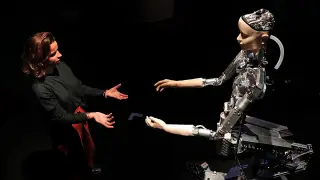
A University of Limerick study reveals that humans pay female-presenting AI agents 10% less than male-presenting ones for identical work, replicating traditional gender pay gaps in virtual office settings.
A new study involving 189 participants in a virtual reality office found that people paid female-presenting AI agents 10.25% less than male-presenting ones for identical work. Despite using the same underlying technology, the male agent, named Johan, received higher monetary rewards and was perceived as more human-like than the female agent, Johanna. Researchers from the University of Limerick and the University of Zurich concluded that traditional workplace gender biases are being replicated in human-AI interactions, even when participants claimed gender did not matter to them.
Despite progress, women doctors remain underrepresented in leadership roles: in 2023 women made up about 45% of medical school faculty but only 25% of department chairs. The article highlights bullying, discrimination, and scrutiny of leadership style and appearance as persistent barriers that push qualified female physicians out of leadership positions, illustrating systemic obstacles to advancement.
Despite medical advances, women’s health has long been sidelined. Perimenopause is used to show how societal norms, historical bias in medicine, and cultural skepticism shape care for women. The piece argues progress requires better research focused on women, trusted medical information, and equal agency in healthcare decisions.
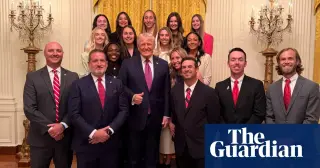
A visit by the University of Georgia’s NCAA champion women’s tennis team to the White House drew backlash after a photograph showed Donald Trump and several male staffers up front, with the female athletes visible behind, prompting critics to accuse the framing of sexism and echoing ongoing concerns about gender representation in presidential photo ops.
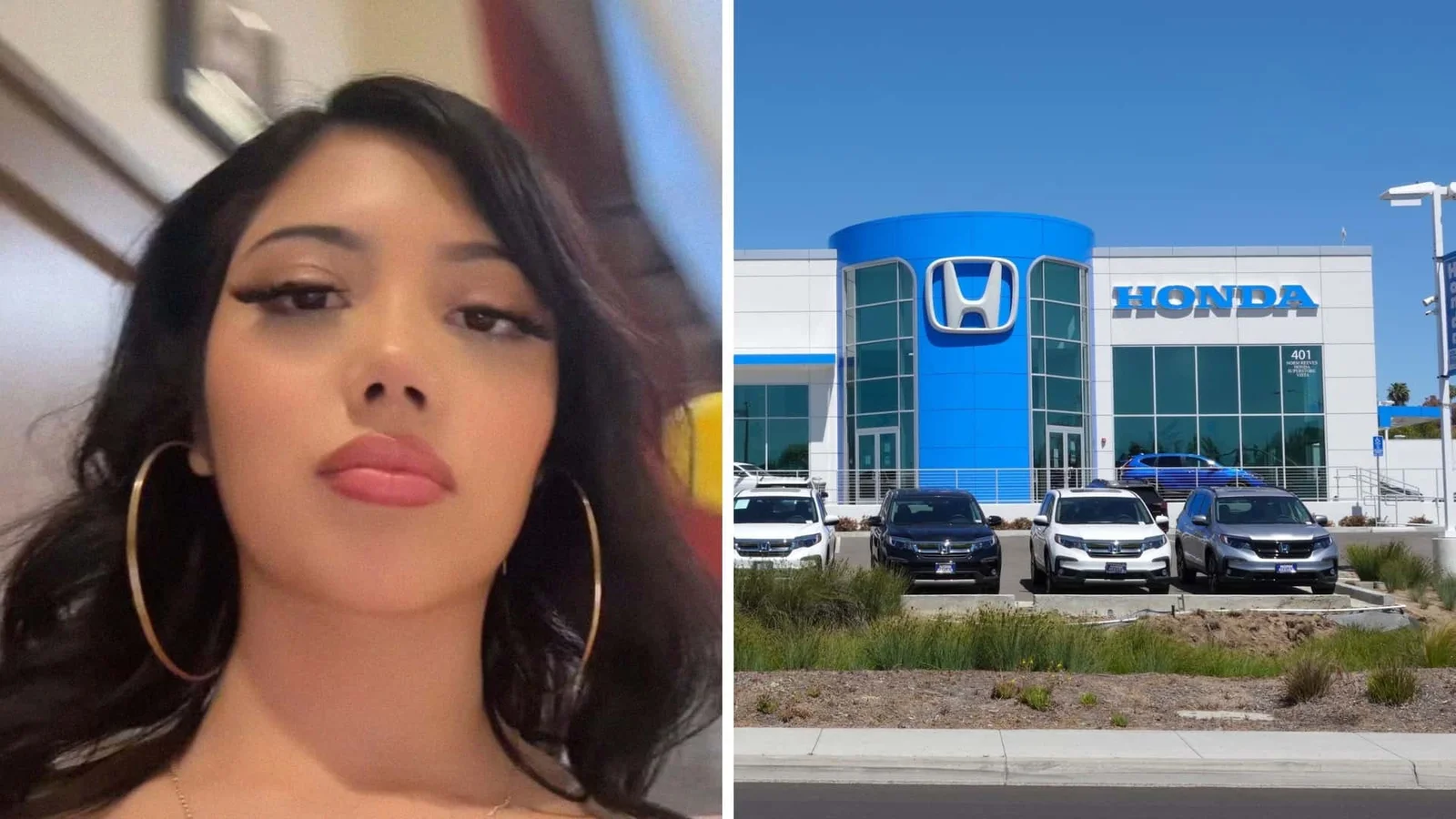
A California Honda dealership incident went viral after a woman says a salesperson pressured her for a date and hiked the price when she refused; she clarifies the advances were unwelcome, highlighting ongoing concerns about gender bias in auto sales and related price discrimination supported by historical studies.
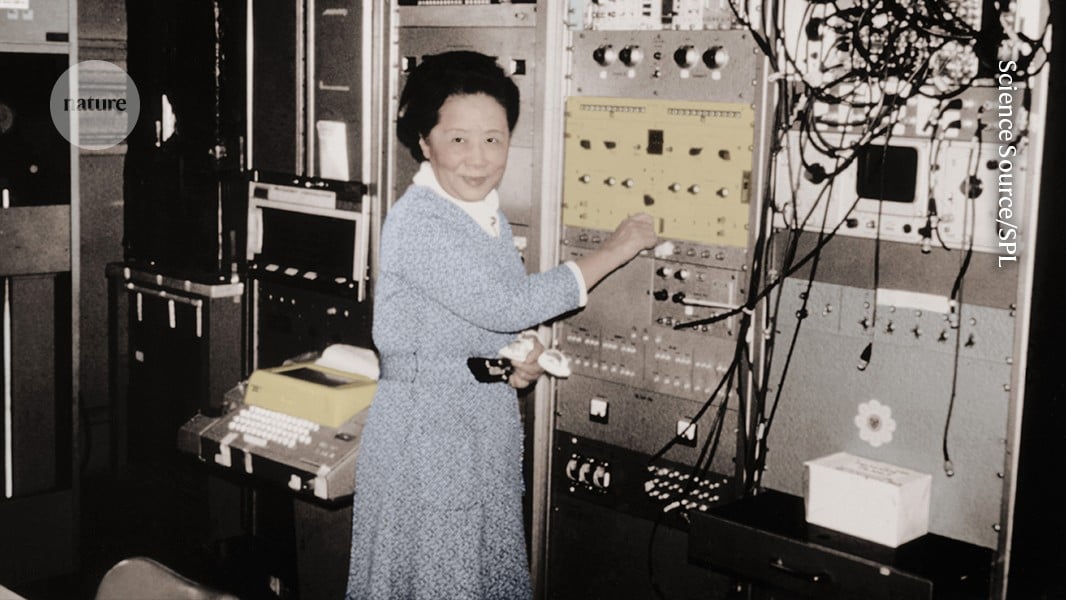
The article highlights the often-overlooked contributions of women in the history of quantum physics, emphasizing the importance of recognizing diverse scientists like Williamina Fleming and Chien-Shiung Wu, and challenges the traditional male-centric narrative of scientific discovery, advocating for a more inclusive and nuanced understanding of scientific history.
Angela Towne emphasizes that the clitoris has vital safety and reproductive functions beyond pleasure, highlighting the gender biases and misinformation that have historically marginalized its importance. She advocates for more inclusive, accurate research and education to improve understanding, communication, and appreciation of the clitoris's full role in health and sexuality.
A new mother is hurt and considering distancing herself from her father after he expressed disappointment that her newborn daughter is not a grandson, revealing sexist attitudes. The advice suggests addressing the issue directly with the father, emphasizing the importance of respect and setting boundaries, and considering whether to repair or distance from the relationship based on his response.
A study reveals that patients often mistake female doctors for nurses based on attire, influenced by gendered perceptions, despite similar clothing. The white coat remains a symbol of professionalism globally, though acceptance of scrubs has increased post-COVID, especially among patients. Male doctors benefit from perceived authority through accessories like watches and glasses, highlighting ongoing gender biases in healthcare perceptions.
The article highlights the pervasive issue of gender bias in healthcare, where women often feel dismissed or misdiagnosed by medical professionals. It shares numerous accounts from women across Canada who have experienced medical neglect, often being told their serious symptoms were due to anxiety or other minor issues. Experts suggest that implicit bias training for healthcare providers could help address this problem, emphasizing the need for training that is non-vilifying and provides practical tools to counteract unconscious biases.
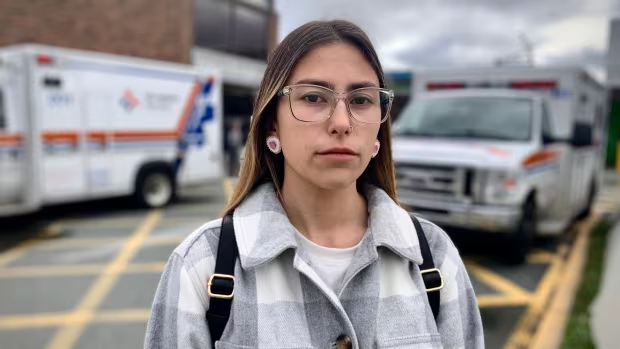
Joy Spence, a 21-year-old from Newfoundland and Labrador, experienced severe pain from a gangrenous appendix that was repeatedly misdiagnosed as anxiety or constipation by emergency departments. Her story highlights a broader issue of gender bias in healthcare, where women's symptoms are often dismissed or misdiagnosed. Despite multiple visits to hospitals, Spence's condition was only taken seriously after she began vomiting in a hospital hallway, leading to emergency surgery. This case underscores systemic issues in healthcare, particularly for women, and calls for increased awareness and training to address implicit biases.
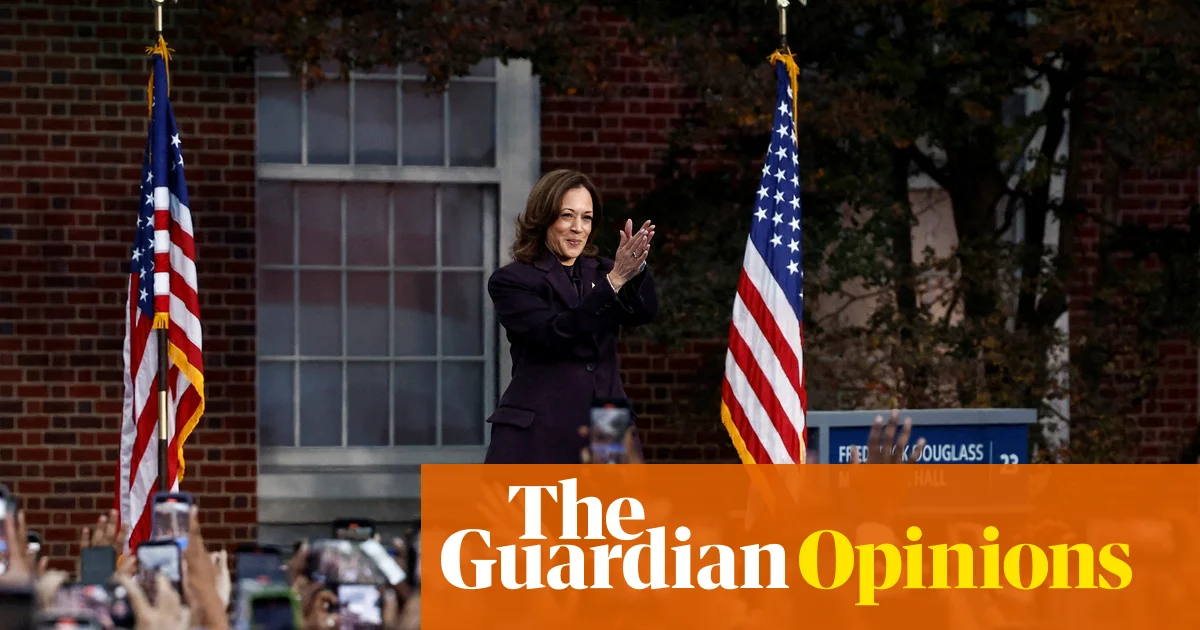
Oliver Hall reflects on his experience trying to persuade US voters to support Kamala Harris over Donald Trump, highlighting key reasons for Harris's loss. Voters were swayed by Trump's economic messaging despite rising inflation, and Harris faced criticism from both ends of the political spectrum. Gender bias also played a significant role, with many voters doubting America's readiness for a female president. Ultimately, Trump's influence and appeal proved too strong, overshadowing Harris's campaign efforts.
A single mom tried to exclude a dad from her mom group chat due to her discomfort with men, but the group ultimately sided with the dad, leading to her and her children being excluded from playdates. Commenters criticized her for projecting her past trauma onto the dad and praised the group for not giving in to her demands.
A woman shared her experience of being turned down for a job after a recruiter said she hadn't put enough effort into her appearance, specifically for not wearing makeup. The viral TikTok video sparked a discussion on the importance of appearance in the workplace, with thousands of commenters criticizing the remark as discriminatory and sexist. While some advised seeking legal counsel, the woman clarified that she didn't want to shame the company and believed that companies in the U.S. can make hiring decisions based on appearance. She emphasized that her intention was to gather feedback on whether makeup is expected in the workplace.