Midlife Brain Remodeling: New Data Links Immune Cell Swaps and Genome Decay to Dementia Risk
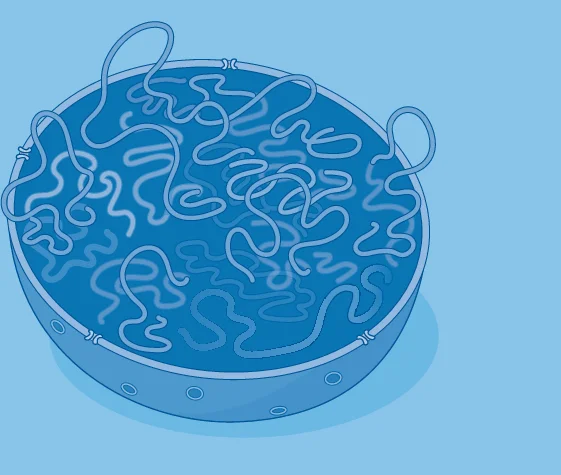
A major study in Science reveals that the human hippocampus undergoes a distinct biological phase between ages 50 and 75, characterized by the replacement of embryonic immune cells with blood-derived monocytes and a breakdown of 3D genome organization. This active remodeling, rather than simple decline, may explain the rise in neuroinflammation and neurodegenerative diseases like Alzheimer's. While the primary study focuses on cellular transitions, a separate Nature study confirms bone marrow cells enter the aging brain, and broader research suggests dementia risks may originate decades earlier through lifestyle factors established in youth.