
genetics5.85 min read
Ancient Neanderthal DNA Linked to Subtle Height and Muscle Gains in Modern Humans
2 months ago•Source: Nature

The latest genetics stories, each synthesized from multiple sources with added background and context.
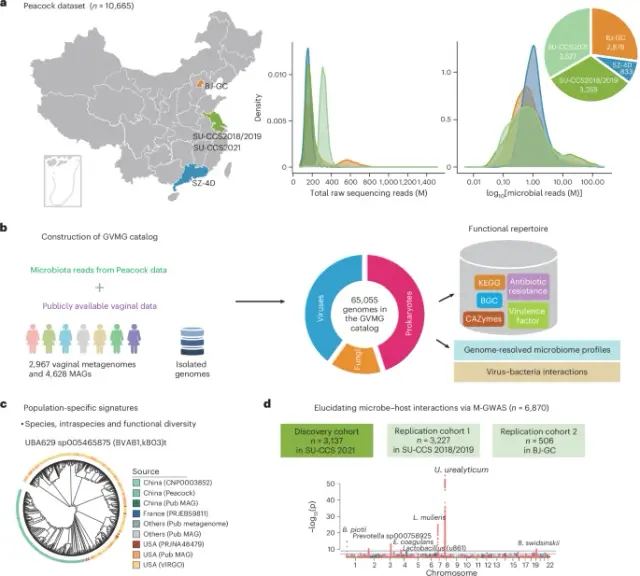
Researchers built the Global Vaginal Metagenome-Assembled Genomes (GVMG) catalog by integrating 10,665 Chinese metagenomes with 2,967 public datasets, recovering 65,055 genomes across bacteria, fungi and viruses and identifying 890 prokaryotic species. The study reveals substantial population-specific genomic variation and host–microbe associations, including seven host genetic loci (notably OPRK1) linked to vaginal microbes such as Ureaplasma urealyticum, and delineates 12 vaginal community state types, highlighting how host genetics and geography shape the vaginal microbiome. This work provides a comprehensive reference for future genotype–microbiome analyses and enables broader multi-kingdom insights into vaginal health.

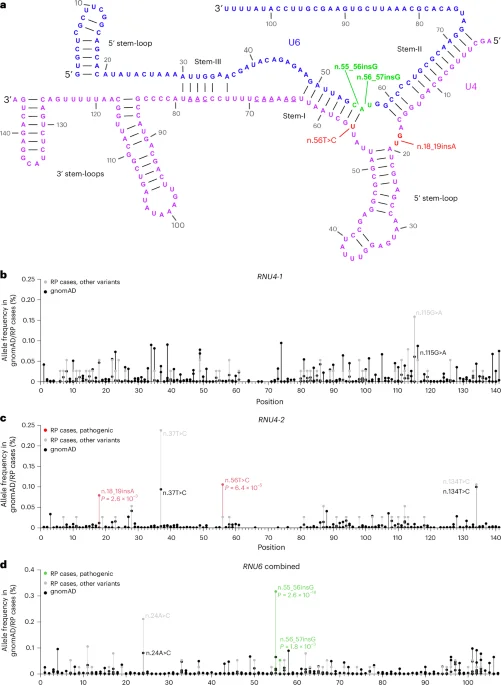
The study identifies de novo and inherited variants in U4 and U6 snRNA genes as causes of autosomal dominant retinitis pigmentosa, expanding the genetic landscape of the disease and highlighting the role of noncoding RNA mutations in retinal degeneration.
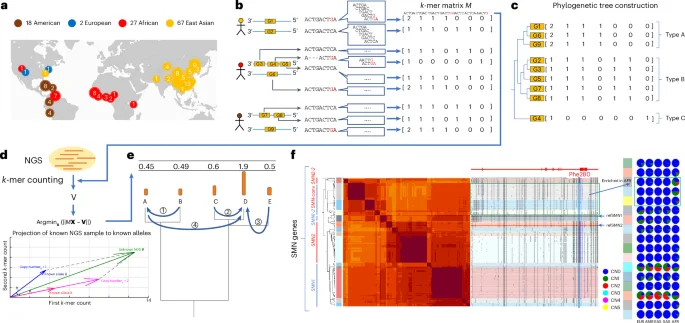
The article introduces ctyper, a new method for genotyping sequence-resolved copy number variations using pangenomes, revealing significant paralog-specific diversity and expression differences across human populations, and demonstrating its accuracy and efficiency in large-scale analyses.
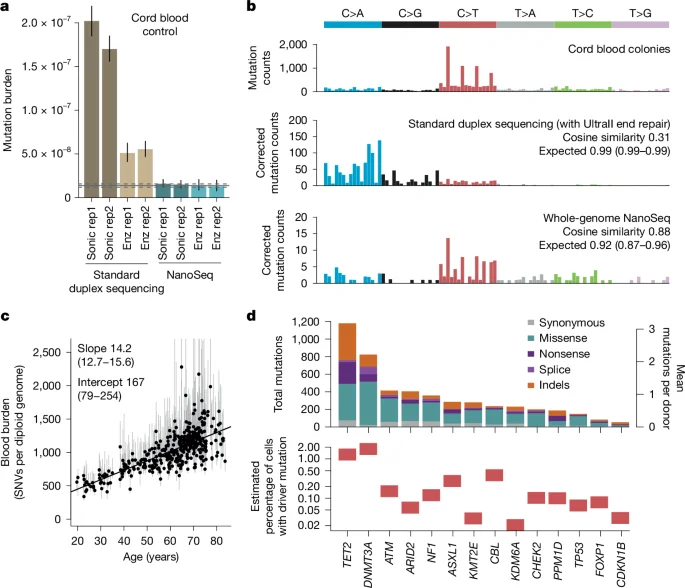
The article discusses the development of NanoSeq, an ultra-low error sequencing method, and its application to study somatic mutations and clonal landscapes in human tissues, particularly oral epithelium, revealing extensive mutation accumulation, positive and negative selection, and insights into carcinogenesis and risk factors across a large population cohort.
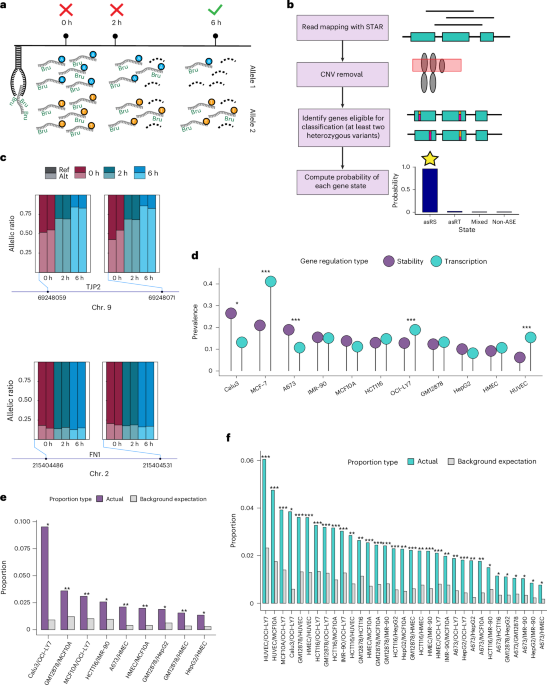
This study investigates how genetic variants affecting RNA stability influence complex traits and disease risk, utilizing extensive RNA sequencing data, eQTLs, and genome editing to identify functional variants and their roles in gene regulation and disease susceptibility.
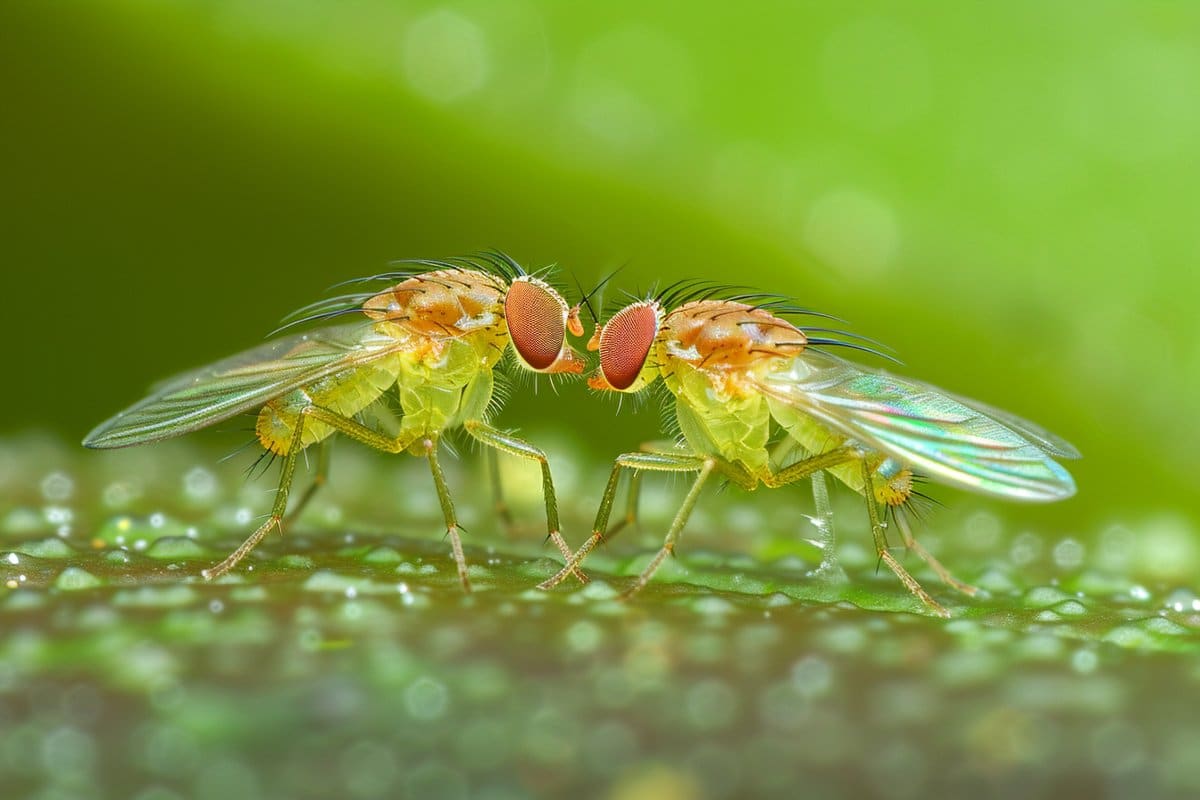
A study reveals that the fruitless (fru) gene, associated with courtship behavior in fruit flies, operates differently in Drosophila melanogaster and Drosophila virilis, challenging the assumption of universal gene functionality across species. Using CRISPR-Cas9 technology, researchers found that adding fru to females of D. virilis resulted in unique outcomes compared to D. melanogaster, highlighting the importance of cross-species research to fully understand the genetic basis of behavior and development. The findings suggest that conserved genes may not guarantee identical functions across species and open new avenues for studying gene impacts across diverse species.
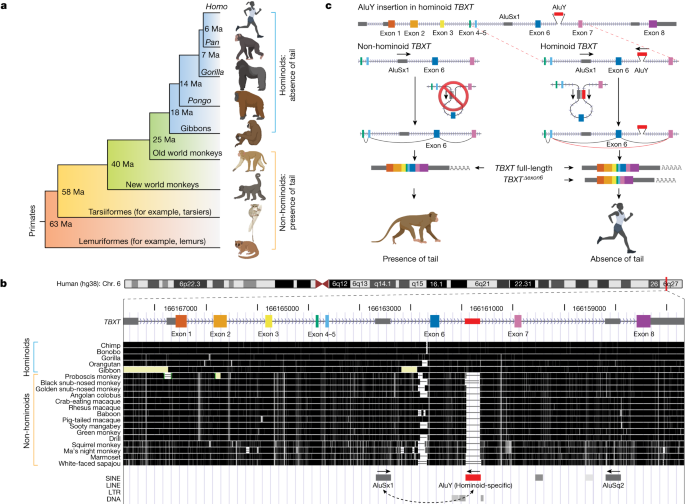
The genetic basis of tail-loss evolution in humans and apes is explored, with a focus on the role of Alu elements in the TBXT gene. The study identifies a hominoid-specific intronic AluY element in TBXT that induces alternative splicing, leading to the production of a TBXTΔexon6 isoform. This isoform is found to be associated with tail loss, as evidenced by experiments in human ES cells and mouse models. The findings provide insights into the genetic mechanism underlying the loss of the tail in hominoids and its potential link to human traits such as bipedalism.
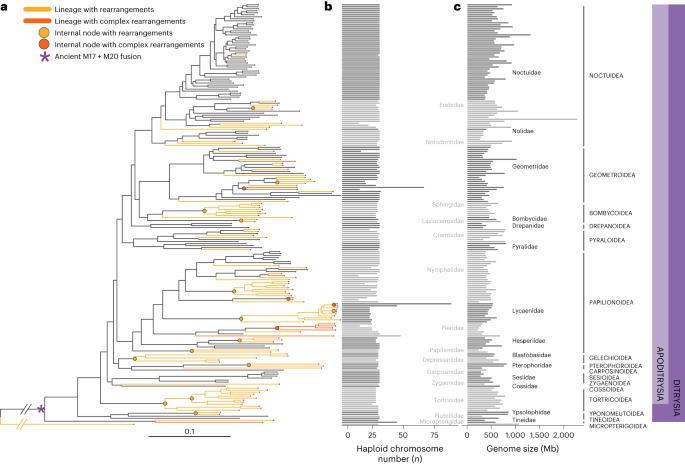
A study on Lepidoptera, the insect order comprising moths and butterflies, reveals the dynamics of chromosome evolution and karyotype variation. The research, based on 210 chromosomal genome assemblies, identifies ancestral linkage groups (ALGs) and shows that most species have retained intact ALGs, with infrequent fusions and rare fissions. However, eight lineages have experienced extensive chromosomal rearrangements, resulting in fragmented Merian elements. The study provides insights into the constraints and mechanisms influencing chromosome evolution in Lepidoptera.
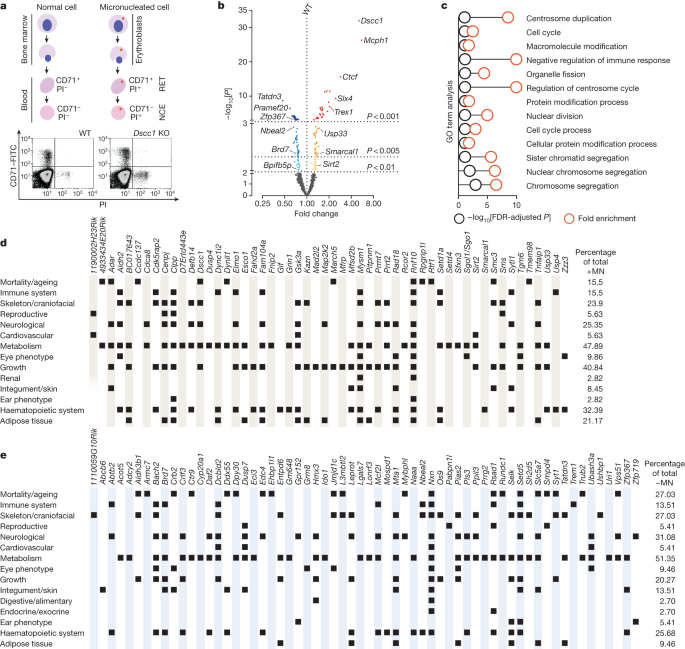
A study identified genetic factors that regulate micronucleus (MN) formation in vivo by screening over 6,000 mice and found genes that either increased or decreased MN formation. The study also integrated findings with a genome-wide association study and identified potential human disease relevance. DSCC1, a gene involved in sister chromatid cohesion, was found to be critical for genome maintenance, and its deficiency led to phenotypes associated with genomic instability. Additionally, a genome-wide CRISPR–Cas9 screen revealed that SIRT1 inhibition could rescue the proliferation defect of DSCC1-deficient human cells, suggesting a potential therapeutic target for further investigation.
Genetics facts include the potential for storing data in DNA, the inbreeding of cheetahs, the impact of genetics on drug effectiveness, the complexity of genetic inheritance, and the influence of genetics on personal traits and health conditions. Additionally, the article highlights the challenges and advancements in genetic testing, the impact of genetics on cancer risk, and the diverse and dynamic nature of genetic research.
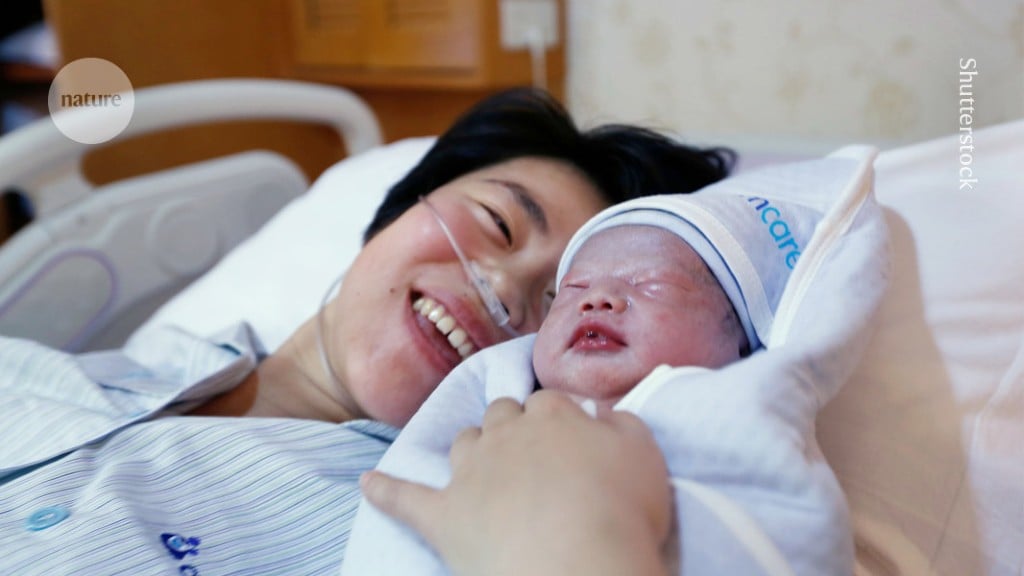
A large genetic analysis of Chinese parents and their babies has revealed multiple links between maternal health and fetal development, including genetic variants associated with maternal weight gain, bile acid levels, and liver disease risk. The study, published in Nature, is one of the first to examine the genetic profiles of East Asians and has identified discrepancies in the effects of certain genetic variants on mothers and their babies. While the findings offer new insights, further research is needed to confirm the associations and explore potential causality.