Tag

Geosynchronous Orbit

All articles tagged with #geosynchronous orbit

DARPA gears up for in-space satellite servicing in geosynchronous orbit
space19 hours ago

DARPA gears up for in-space satellite servicing in geosynchronous orbit

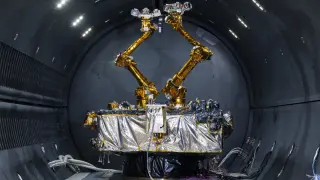
DARPA’s Robotic Servicing of Geosynchronous Satellites (RSGS) program is moving toward its first flight, featuring a dexterous on‑orbit servicing suite and a Mission Robotic Vehicle to refuel, inspect, upgrade, and relocate GEO satellites. The effort involves NASA and the U.S. Naval Research Laboratory, with SpaceLogistics’ vehicle backing the mission; launch could occur as soon as this summer, followed by ~10 months to GEO and first operations in 2027, signaling a shift toward sustainable, upgradable space assets amid a growing servicing sector.

technology29 days ago

Final ViaSat-3 launch to expand APAC bandwidth on Falcon Heavy

SpaceX is set to launch ViaSat-3 Flight 3, the final satellite in the ViaSat-3 constellation, aboard a Falcon Heavy from Kennedy Space Center. The three-core booster will place a six-ton satellite into a geosynchronous-transfer orbit; two side boosters (LZ-2 and LZ-40) will land, while the center core B1098 is expended in the Atlantic. After deployment, ViaSat-3 F3 will take weeks to reach its operating position near 158.55° East and deliver more than 1 Tbps of APAC-focused capacity using phased-array beams. Liftoff is scheduled for 10:21 a.m. EDT within an 85-minute window, with a 70% chance of favorable weather.

Space Force selects 14 vendors for a decade-long, $1.8B geosynchronous surveillance push
militaryspace-archive1 month ago

Space Force selects 14 vendors for a decade-long, $1.8B geosynchronous surveillance push

The U.S. Space Force selected 14 companies to compete for task orders under the Andromeda program—a $1.8 billion, 10-year procurement to develop satellites and systems for tracking activity in geosynchronous orbit, starting with RG-XX satellites to replace the current GSSAP fleet and create a more distributed, updatable GEO-surveillance architecture.

China's Milestone: Top-Secret Spy Satellite Launched on Supersized Rocket
spacetechnology2 years ago

China's Milestone: Top-Secret Spy Satellite Launched on Supersized Rocket

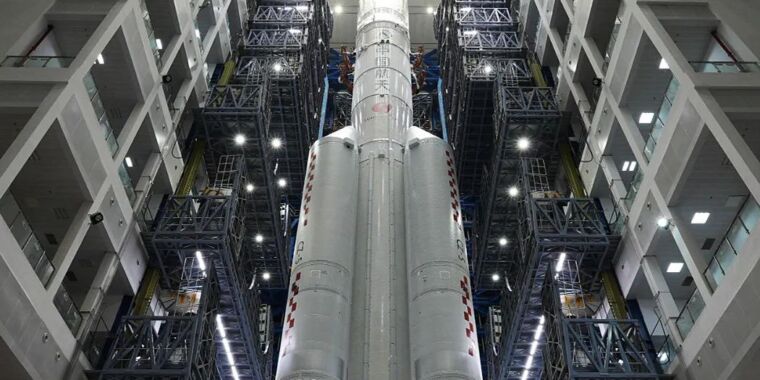
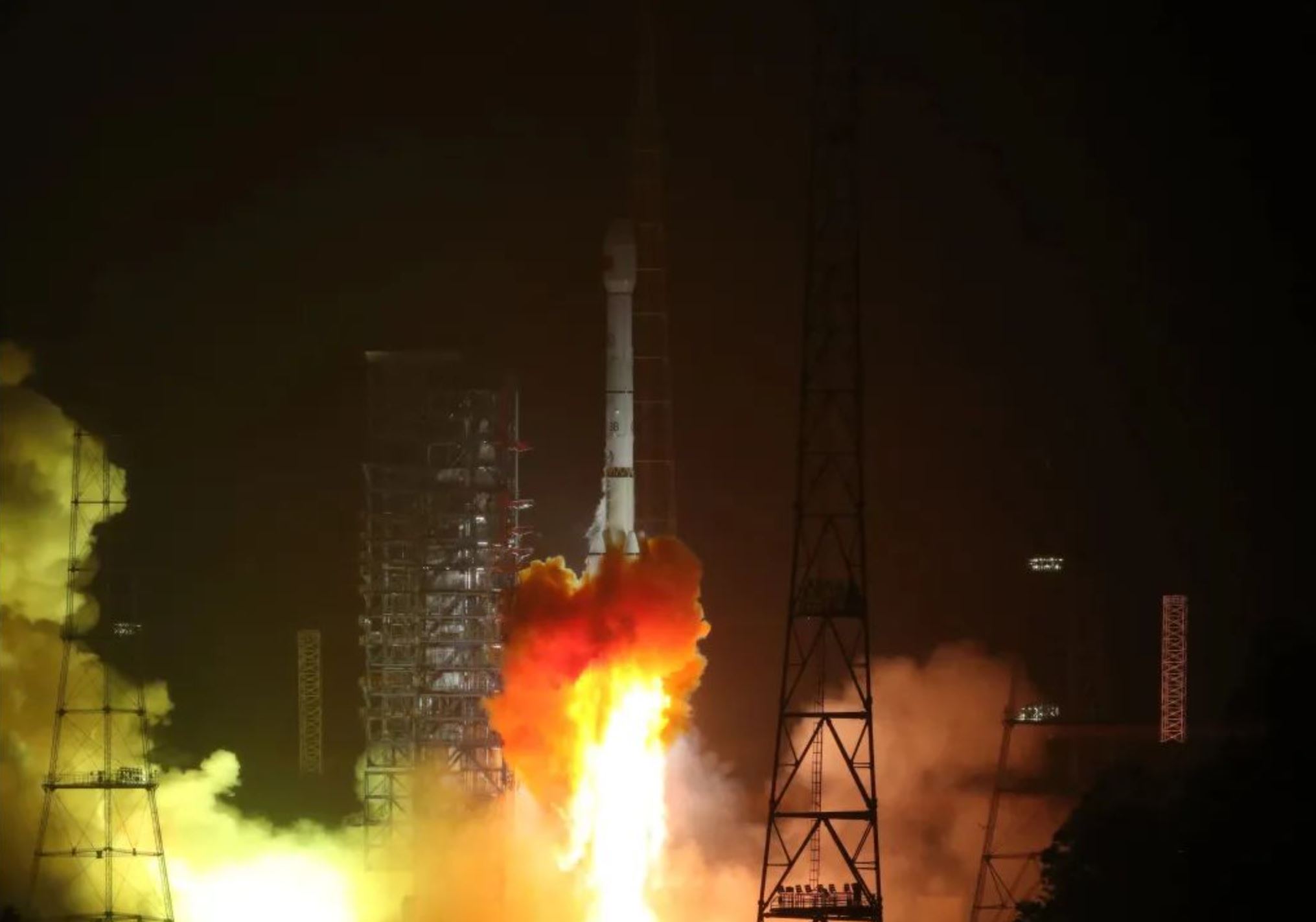
China launched a classified military spy satellite, Yaogan-41, on its largest rocket, the Long March 5. The rocket was upgraded with a taller payload fairing to accommodate the satellite. The Chinese government claims that Yaogan-41 is a high-altitude optical remote sensing satellite, potentially indicating its placement in geosynchronous orbit. This orbit would provide continuous views of a significant portion of the Earth's surface. While China states that the satellite will be used for civilian purposes, it is likely to have military applications, including tracking US Navy ships and allied vessels in the Indo-Pacific region.

"Space Force Deploys Advanced Spy Satellites for Surveillance Missions"
spacedefense2 years ago

"Space Force Deploys Advanced Spy Satellites for Surveillance Missions"

The US Space Force launched a rocket carrying American spy satellites into a high-altitude geosynchronous orbit, as part of a top-secret National Reconnaissance Office (NRO) mission called "Silent Barker." The satellites will provide better surveillance capabilities in the "geo belt" and help detect any adversarial assets that could pose a threat in outer space. The launch highlights the fierce competition among world powers to dominate space, with concerns rising over Russia and China's development of anti-satellite technologies. The Space Force aims to have a fully operational spy spacecraft system by 2026.

"Space Force Overcomes Hurricane Delay to Launch Critical National Security Mission"
space2 years ago

"Space Force Overcomes Hurricane Delay to Launch Critical National Security Mission"

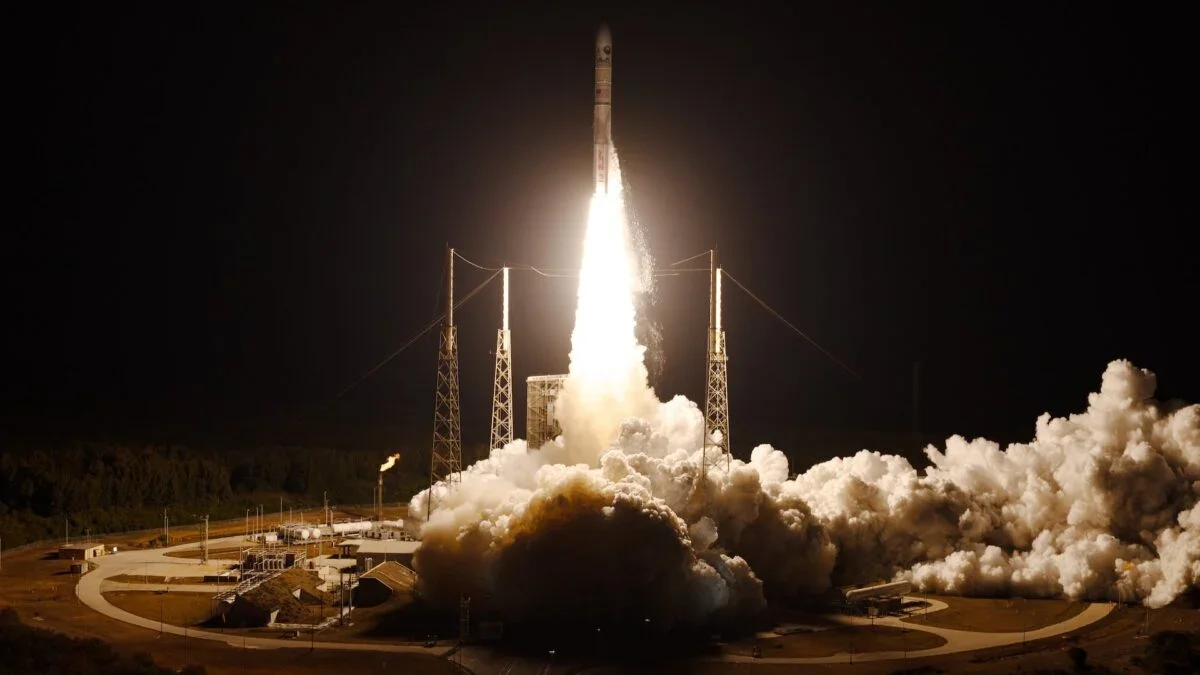
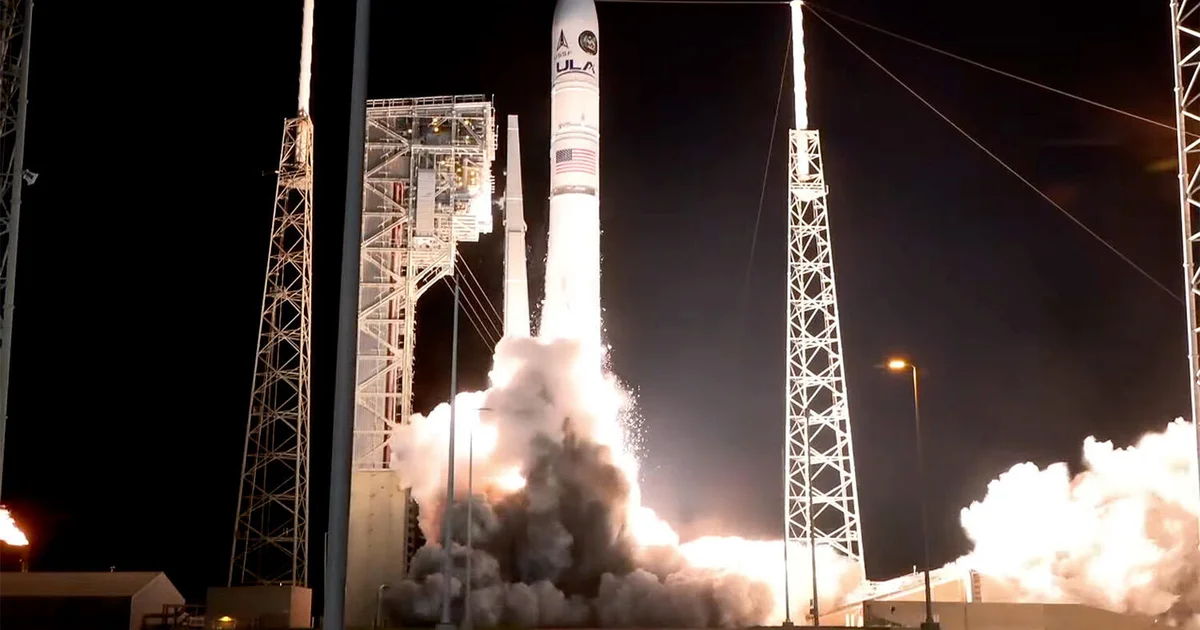
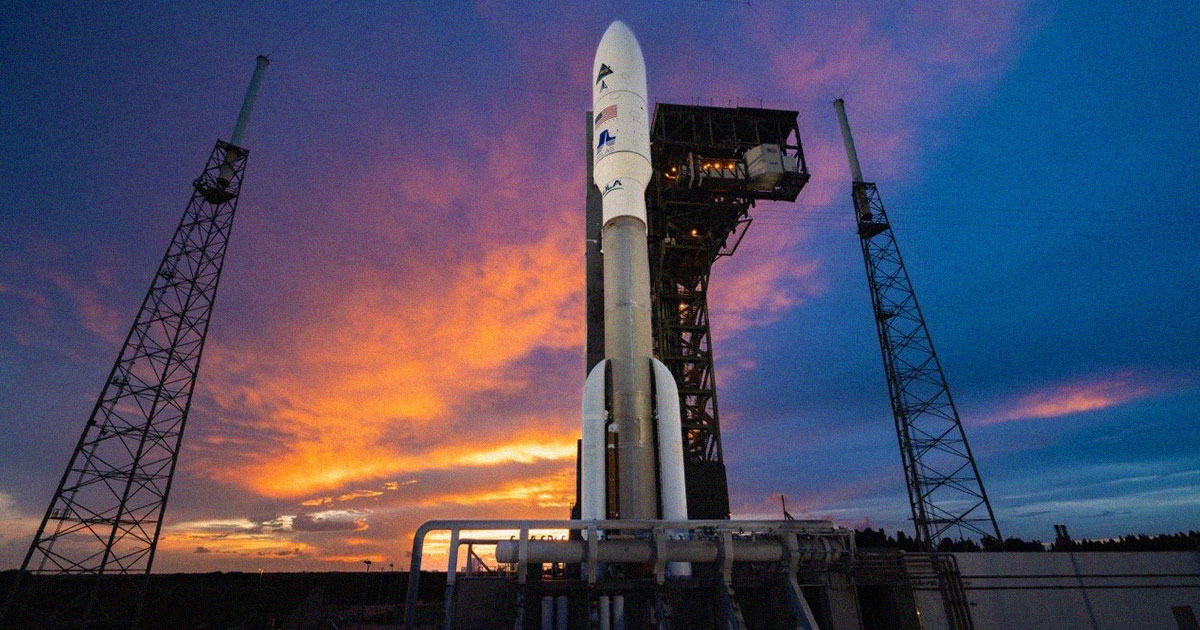
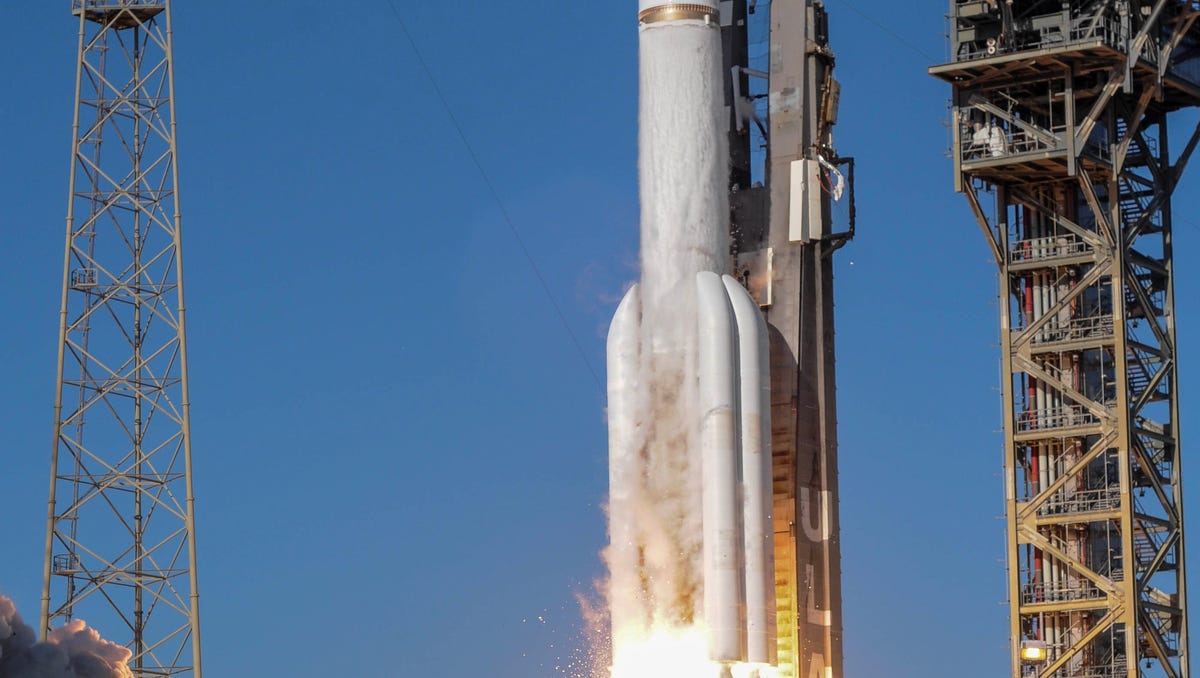
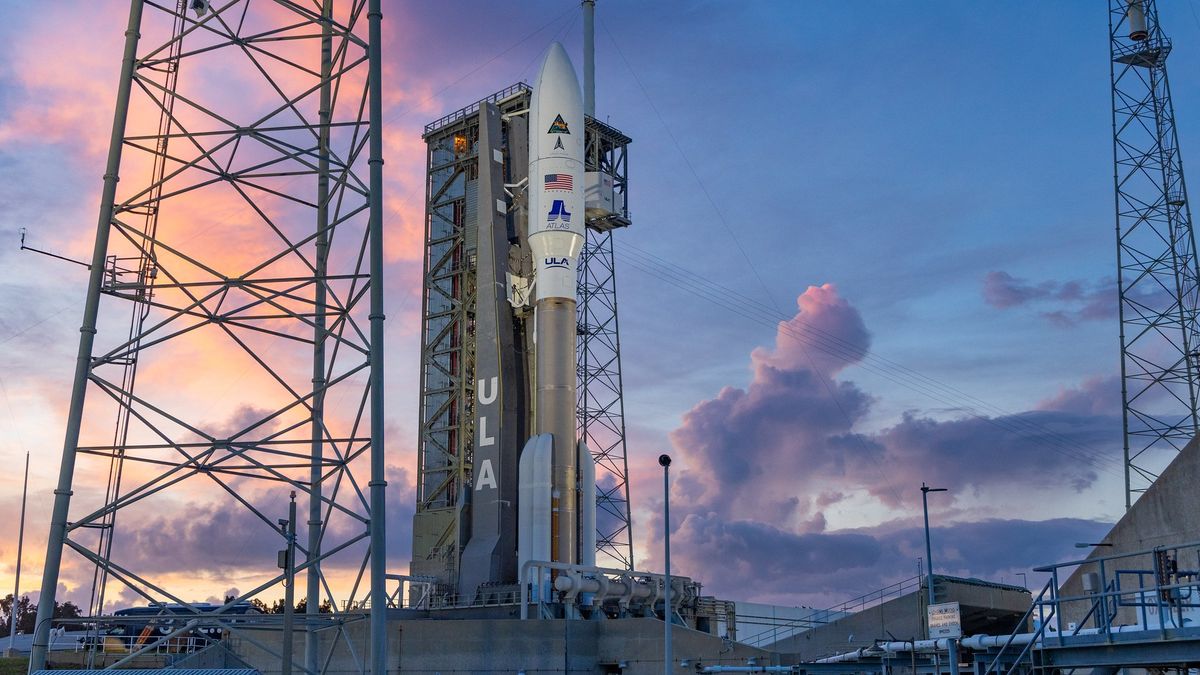
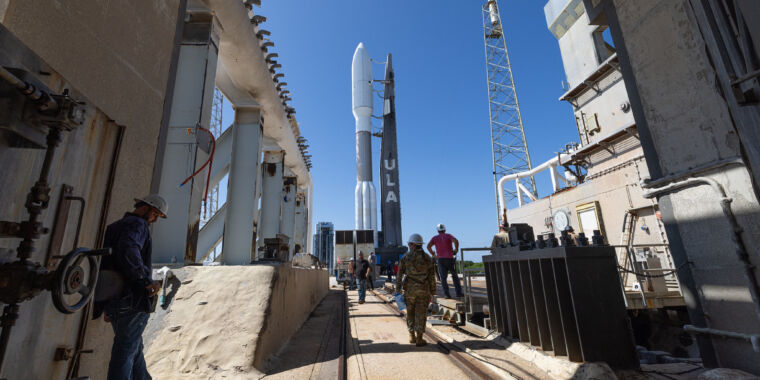
United Launch Alliance's most powerful version of the Atlas V rocket successfully launched a national security mission for the U.S. Space Force and National Reconnaissance Office from Cape Canaveral, Florida. The mission, named SILENTBARKER/NROL-107, included multiple payloads aimed at providing space situational awareness and tracking. The rocket's destination was geosynchronous orbit, requiring ULA's most powerful variation of the Atlas V rocket. This marked ULA's 18th and final NRO mission aboard an Atlas V rocket, as future national security missions will be launched using ULA's next-generation Vulcan Centaur rocket. The next rocket launch from Florida is expected to be a Falcon 9 Starlink mission by SpaceX.

"Storm Delays Silent Barker Satellite Launch, US Spy Agency Breaks Silence"
spaceflight2 years ago

"Storm Delays Silent Barker Satellite Launch, US Spy Agency Breaks Silence"

The launch of the Silent Barker multi-payload satellite, designated as NROL-107, has been delayed due to an approaching tropical storm. The mission, conducted by the United Launch Alliance (ULA) on behalf of the Space Force and the National Reconnaissance Office (NRO), aims to place highly secretive payloads into geosynchronous orbit. Silent Barker will act as a "watchdog" in geosynchronous orbit, monitoring satellites that reposition themselves and potentially pose a threat to U.S. spacecraft. The exact capabilities and details of the mission remain classified.

"US Spy Satellite Agency's 'Silent Barker' Mission Faces Delays Due to Tropical Storm Idalia"
space2 years ago

"US Spy Satellite Agency's 'Silent Barker' Mission Faces Delays Due to Tropical Storm Idalia"

The National Reconnaissance Office (NRO) is breaking its tradition of secrecy by providing more information about its upcoming launch of the "Silent Barker" mission. The NRO aims to be more transparent about its capabilities as the space environment becomes more congested and competitive. The mission, in partnership with the US Space Force, will deploy satellites to geosynchronous orbit to track and monitor potential threats to valuable assets in space. The Silent Barker satellites will provide continuous surveillance and maintain custody of objects in geosynchronous orbit, enhancing the US military's ability to detect and respond to potential threats.

China's Groundbreaking Launch: Geosynchronous and High-Orbit Radar Satellites Revolutionize Disaster Monitoring
space2 years ago

China's Groundbreaking Launch: Geosynchronous and High-Orbit Radar Satellites Revolutionize Disaster Monitoring

China successfully launched the world's first geosynchronous orbit synthetic aperture radar satellite, the Ludi Tance-4 (01), on a Long March 3B rocket. The satellite, developed by the China Academy of Spacecraft Technology, will provide all-day, all-weather observation of China and surrounding areas, enhancing the country's disaster prevention and relief capabilities. The launch is part of China's Medium and Long Term Development Plan for Civilian Space Infrastructure, which aims to establish high and medium resolution optical and synthetic aperture radar constellations for land, marine, and atmospheric monitoring. Additionally, China launched five automatic identification system tracking satellites for HEAD Aerospace, bringing the total number of Chinese orbital missions in 2023 to 36.

space-technology3 years ago

Tractor Beam Technology: From Sci-Fi to Reality

Researchers at the University of Colorado, Boulder, are developing a real-life tractor beam to tackle the growing problem of space debris. The team is using the electrostatic force to influence an object's motion, creating an attractive or repulsive force to change the trajectory of individual pieces of space debris. The team's experiments show that a pulsed beam fired in a rhythm can calm down the wild tumbling of defunct satellites in geosynchronous orbit. The researchers hope to launch a prototype electrostatic tractor into space in five to ten years.