
China’s March exports rise 2.5% as global demand cools and Iran tensions loom
China’s exports grew 2.5% in March, signaling a sharp slowdown as weakening global demand and uncertainty from the Iran conflict weigh on shipments.

All articles tagged with #global demand
China’s exports grew 2.5% in March, signaling a sharp slowdown as weakening global demand and uncertainty from the Iran conflict weigh on shipments.

China's energy storage sector is experiencing a boom driven by market reforms, domestic demand from data centers and renewables, and international exports, with Chinese firms dominating global lithium-ion battery cell shipments and exports expected to surge by 75% this year.

OPEC+ is expected to agree on a further increase in oil output starting in October, raising production by approximately 130,000 to 140,000 barrels per day, as part of unwinding previous production cuts amid weakening global demand and stable oil prices near $66 a barrel.
OPEC+ is expected to increase oil production in October, but likely by less than recent months due to slowing global demand and existing production constraints, with the group planning to unwind some of its previous output cuts gradually.

The Nintendo Switch 2 has set a new record by selling over 3 million units within 24 hours, tripling the previous record held by the PlayStation 4, and is on track to break two-month sales records faster than any console in history, supported by strong global demand and ample stock to prevent scalping.
OPEC+ has decided to delay increasing oil production due to a weak global demand outlook, extending current production cuts until the end of 2026. Eight members will maintain a 2.2 million-barrel-per-day voluntary cut into early 2026, with gradual increases planned later that year. Additionally, a separate 1.7 million-barrel-per-day cut will be extended through 2026. Despite these measures and regional conflicts, oil prices remain low. The potential return of Donald Trump as U.S. President adds further uncertainty to the global oil market.
Several OPEC+ ministers are heading to Riyadh for a meeting to decide on oil production policy for 2024 and possibly 2025, with discussions expected to include extending deep production cuts and debating members' production capacities.

OPEC+ is likely to extend its current oil production cuts amid rising summer demand and despite easing Middle East tensions. The group, which includes major oil producers like Saudi Arabia and Russia, is expected to maintain a 2.2 million barrels-per-day reduction into the third quarter. Analysts suggest that while the market has priced in these cuts, any changes could significantly impact oil prices, potentially pushing them closer to $100 per barrel. The coalition is also focusing on ensuring compliance among its members and balancing its relationship with the U.S.
Global supply shocks, including Mexico's crude export cuts, US sanctions on Russian and Venezuelan oil, and Houthi rebel attacks on tankers, are intensifying fears of a commodity-driven inflation resurgence and threatening to push Brent crude to $100 per barrel. The supply disruptions, combined with healthy global demand, are complicating rate-cut deliberations and clouding US President Joe Biden's reelection chances. The surge in oil prices is tightening global markets and could force OPEC+ to reconsider production cuts, while also posing a political risk for the Biden administration as it threatens to push retail gasoline prices higher.

Oil prices edged lower at the start of the second quarter after a strong first quarter, with WTI and Brent contracts showing slight declines. The rise in oil prices has been driven by expectations of strong global demand and OPEC+ holding barrels off the market, while geopolitical risks such as Ukraine strikes on Russian oil refineries and Houthi militant attacks in the Red Sea have impacted crude deliveries.

The global chocolate industry is facing a crisis as demand for chocolate significantly exceeds the available cocoa supply, leading to a sharp increase in cocoa prices. Large African cocoa processors have been forced to reduce production due to the soaring costs. Factors such as bad weather, bean disease, and underinvestment in new trees have contributed to dismal cocoa harvests, resulting in a substantial gap between supply and demand. As a result, chocolate prices have already risen, and confection companies like Hershey and Mondelez have warned consumers of further price increases due to higher cocoa costs.

Crude oil prices continued to rise, marking a fourth winning week out of five, driven by escalating tensions in the Middle East and despite challenging headlines. Despite a significant increase in U.S. stockpiles and concerns about global oil demand growth, time spreads for oil benchmarks signal tight conditions, leading to bullish forecasts from prominent market watchers. Front-month Nymex crude for March delivery settled at its highest value since November, while U.S. natural gas declined for the week. Energy and natural resources equities saw mixed performance, with Fusion Fuel Green and Verde Clean Fuels among the top gainers, while SSR Mining and Fluence Energy were among the top decliners.

The global oil market tightened in January due to supply outages caused by extreme weather and voluntary output cuts by OPEC+ countries, along with escalating geopolitical tensions in the Middle East. Despite a slowdown in global oil demand growth, Brent crude oil futures rose to around $83/bbl. Higher global oil supply is expected to surpass the rise in demand, with non-OPEC+ countries driving output growth. However, low global oil inventories and geopolitical risks may lead to market volatility, as observed onshore stocks declined to their lowest level since at least 2016.
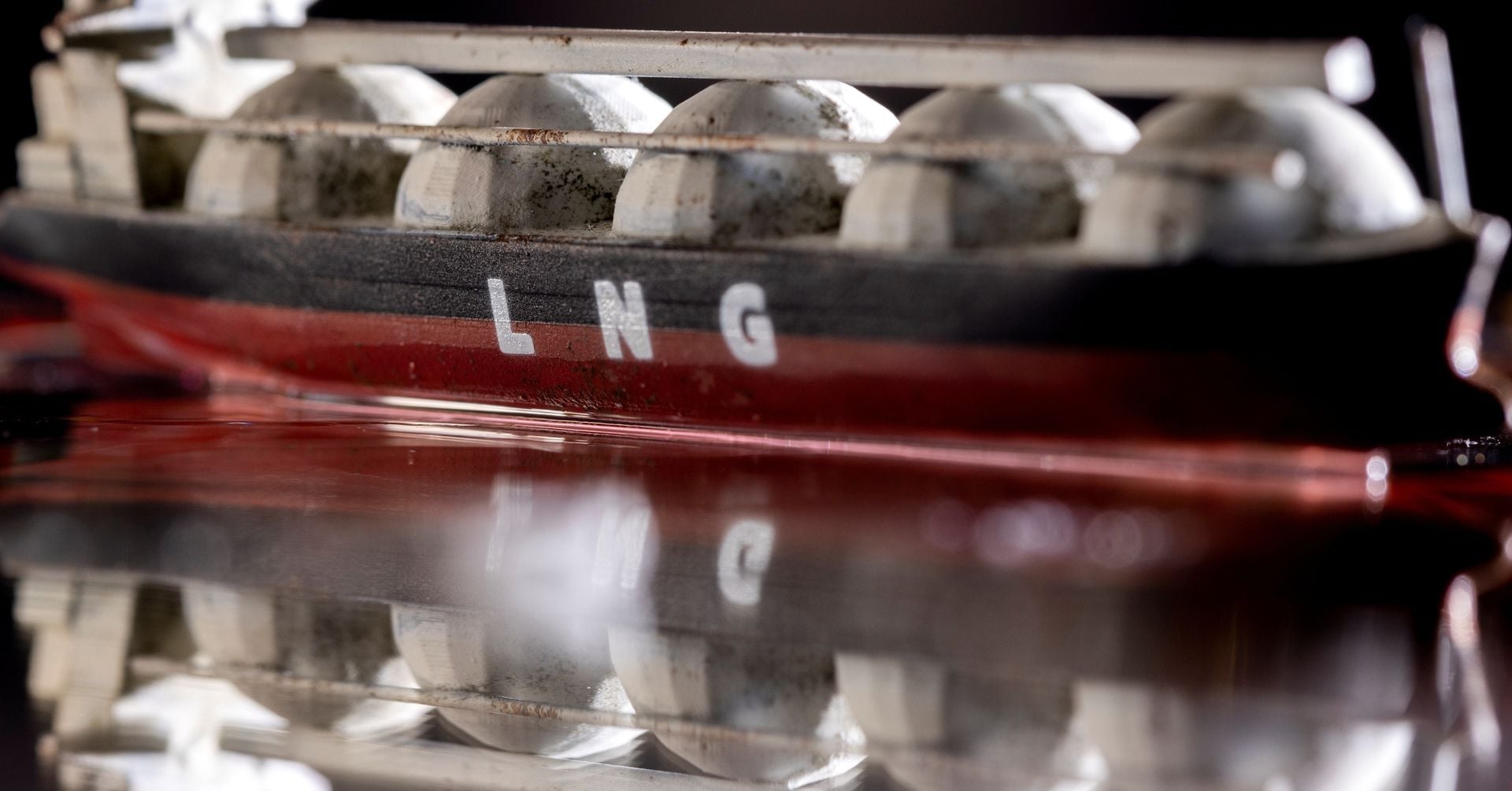
Shell predicts a 50% increase in global demand for liquefied natural gas (LNG) by 2040, with China and Southeast Asia driving growth. The market remains tight, with prices above historical averages, and European long-term contracts are insufficient to bridge the demand-supply gap. The US LNG export ban poses a risk if it lasts longer than a year.

Goodyear Tire & Rubber's stock dropped 13% despite better-than-expected quarterly earnings, as the company faces challenges due to declining tire demand in the automotive market. While the company expects cost reductions and earnings improvement in the long term, its transformation plan will take time, with only 30% of the cost savings expected to be realized in 2024. Investors are cautioned against rushing in to buy on this dip, as the company grapples with softening global demand trends and potential further downside if the economy falters.