Tag

Gpu Shortage

All articles tagged with #gpu shortage

RTX 5090 Restocks at US Retailers but Prices Remain Triple MSRP Amid Supply Constraints
technology9 days ago

RTX 5090 Restocks at US Retailers but Prices Remain Triple MSRP Amid Supply Constraints

NVIDIA’s GeForce RTX 5090 has returned to inventory at US retailer Newegg, but prices remain significantly inflated. The cheapest available model, the ASUS ROG Astral OC, is listed at $6,249.99, which is approximately 3.13 times the official $1,999 MSRP. Other models from GIGABYTE and MSI range from $6,599 to $7,349. This restock follows weeks of near-total unavailability and higher prices in September and October. While availability has improved, pricing remains far above suggested retail levels, with no evidence of a return to normal market conditions. The situation is exacerbated by reports of GB202 silicon being prioritized for high-margin AI workstation cards, such as the RTX PRO 5500, which uses the same core configuration but commands a much higher price.
GPU Shortages Force Vendors to Push Older RTX 30 Series Cards as RTX 50 Supply Dries Up
technology21 days ago

GPU Shortages Force Vendors to Push Older RTX 30 Series Cards as RTX 50 Supply Dries Up

NVIDIA and AMD partners are redirecting distributors toward older RTX 30-series and Radeon cards due to severe shortages of current-gen RTX 50-series GPUs. Rising component costs and AI-driven supply constraints have left manufacturers with little inventory for new models. Consequently, retailers are promoting revived RTX 3060 12GB and 3050 cards to meet demand, despite these being two generations old.

Nvidia Denies RTX 5090 Discontinuation Amid $10,000 Price Surge and Supply Crisis
technology1 month ago

Nvidia Denies RTX 5090 Discontinuation Amid $10,000 Price Surge and Supply Crisis

Nvidia has officially denied rumors that it is discontinuing the GeForce RTX 5090, but the card remains largely unavailable to consumers at its $1,999 launch price. While Nvidia claims production continues, market prices have skyrocketed to between $7,800 and $11,000 due to severe supply constraints driven by AI demand. The company acknowledges a 'constrained' supply chain but offers no clear path for consumer access, leading to widespread skepticism about the product's true availability.

AI Demand Drives RTX 5090 Prices Past $5,000 as Gamers Face Shortages
technology2 months ago

AI Demand Drives RTX 5090 Prices Past $5,000 as Gamers Face Shortages

AI firms are reportedly purchasing bulk quantities of retail NVIDIA RTX 5090 GPUs for server use, driving prices to over $5,000 and causing severe shortages for gamers. While dedicated data center accelerators are sold out, standard GeForce cards remain available but are being diverted to AI workloads. This mirrors the crypto mining boom, where NVIDIA previously introduced throttled models to protect gaming supply, but no such restrictions have been applied to the current RTX 5090 despite its high AI utility.

"Sam Altman Pursues Trillions for AI Chip Fabrication Boost"
technology2 years ago

"Sam Altman Pursues Trillions for AI Chip Fabrication Boost"

OpenAI CEO Sam Altman is seeking an audacious $5-$7 trillion investment from investors, including the UAE, to address the scarcity of GPUs crucial for training and running large language models. The funding aims to expand global semiconductor manufacturing capacity and support the growing demand for AI-specific chips, reflecting the strategic importance of semiconductor production. However, potential geopolitical concerns arise due to the US government's cautious approach to foreign control over microchip supply, despite ongoing efforts to bolster domestic chip manufacturing.

"Nvidia's RTX Super Series Stir Market Buzz Amidst Gaming GPU Shortages and Competitive Pricing Leaks"
technology2 years ago

"Nvidia's RTX Super Series Stir Market Buzz Amidst Gaming GPU Shortages and Competitive Pricing Leaks"

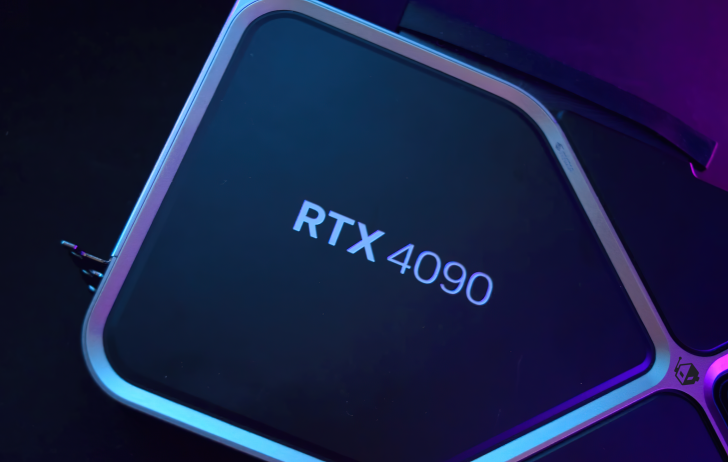
NVIDIA's consumer and gaming GPUs, particularly the RTX 40 series, are facing global shortages as the company reportedly prioritizes the production of AI chips for data centers. This shift in focus has led to reduced stock and increased prices in various markets, including China, the United States, and Europe. While the exact reasons for the supply issue are not confirmed, the trend towards AI accelerators being more profitable than gaming GPUs is suggested as a potential cause. The shortage has resulted in price hikes for NVIDIA's GPUs on platforms like eBay, with the GeForce RTX 4090 selling well above its MSRP.

Unleashing AI's Potential: Assessing GPU Availability
technology3 years ago

Unleashing AI's Potential: Assessing GPU Availability

The demand for Graphics Processing Units (GPUs) to fuel AI technology is surging, but there is a limited supply, threatening to hinder AI's potential. The shortage of GPUs, caused by factors such as increased demand during the pandemic and scalpers using automated bots, is impacting various industries. As large-scale deep learning projects and AI applications continue to rise, businesses are facing challenges in obtaining the necessary hardware, dampening their capacity for innovation. To adapt, enterprises can consider alternative computing solutions, develop more efficient AI algorithms, explore alternative hardware accelerators, or outsource GPU processing to cloud or computing providers. The GPU shortage presents both a challenge and an opportunity for companies to become more innovative and responsive.

Japanese Retailers Struggle with Shortages of NVIDIA GeForce RTX 4090 & RTX 4080 GPUs
technology3 years ago

Japanese Retailers Struggle with Shortages of NVIDIA GeForce RTX 4090 & RTX 4080 GPUs

Japanese retailers are reportedly facing shortages of NVIDIA GeForce RTX 4090 and RTX 4080 GPUs, with the Akihabara marketplace experiencing a developing shortage. The high demand for the RTX 4090 is making it difficult to meet customer needs, and there are speculations of a worldwide supply shortage. Despite the shortages, prices remain stable and below MSRP. The shortage may be due to NVIDIA's focus on allocating more manufacturing resources towards its AI GPU family or to avoid overstocking the market.

TSMC Forecasts 1.5 Year Shortage of HPC and AI GPUs
technology3 years ago

TSMC Forecasts 1.5 Year Shortage of HPC and AI GPUs

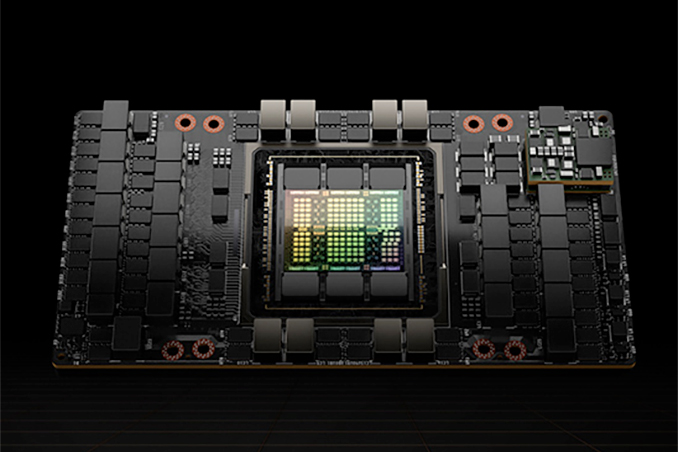
TSMC, the leading chip manufacturer, has acknowledged that the shortage of compute GPUs used for AI and HPC servers is due to a bottleneck in its chip-on-wafer-on-substrate (CoWoS) packaging capacity. The company is expanding its CoWoS capacity, but expects the shortage to persist for 1.5 years. TSMC produces the majority of processors for AI services, including compute GPUs, FPGAs, and specialized ASICs. The shortage is impacting the availability of high-bandwidth memory (HBM) used in these devices. Traditional outsourced semiconductor assembly and test (OSAT) companies are less motivated to offer advanced packaging services due to the higher financial risks involved. TSMC is investing billions in advanced packaging facilities to increase capacity.

Nvidia's RTX 4060 Ti Struggles to Gain Support from Partners
computing3 years ago

Nvidia's RTX 4060 Ti Struggles to Gain Support from Partners

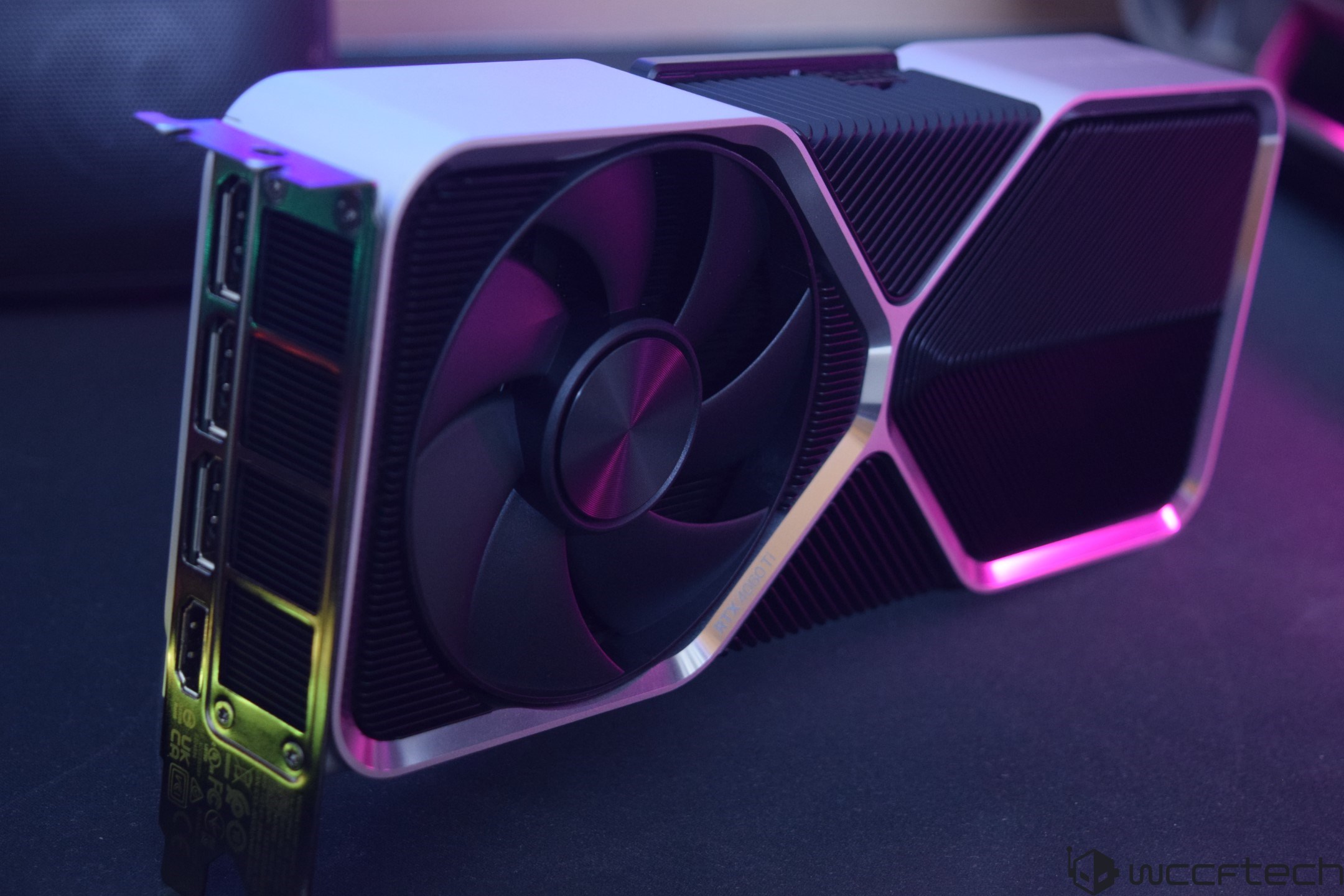
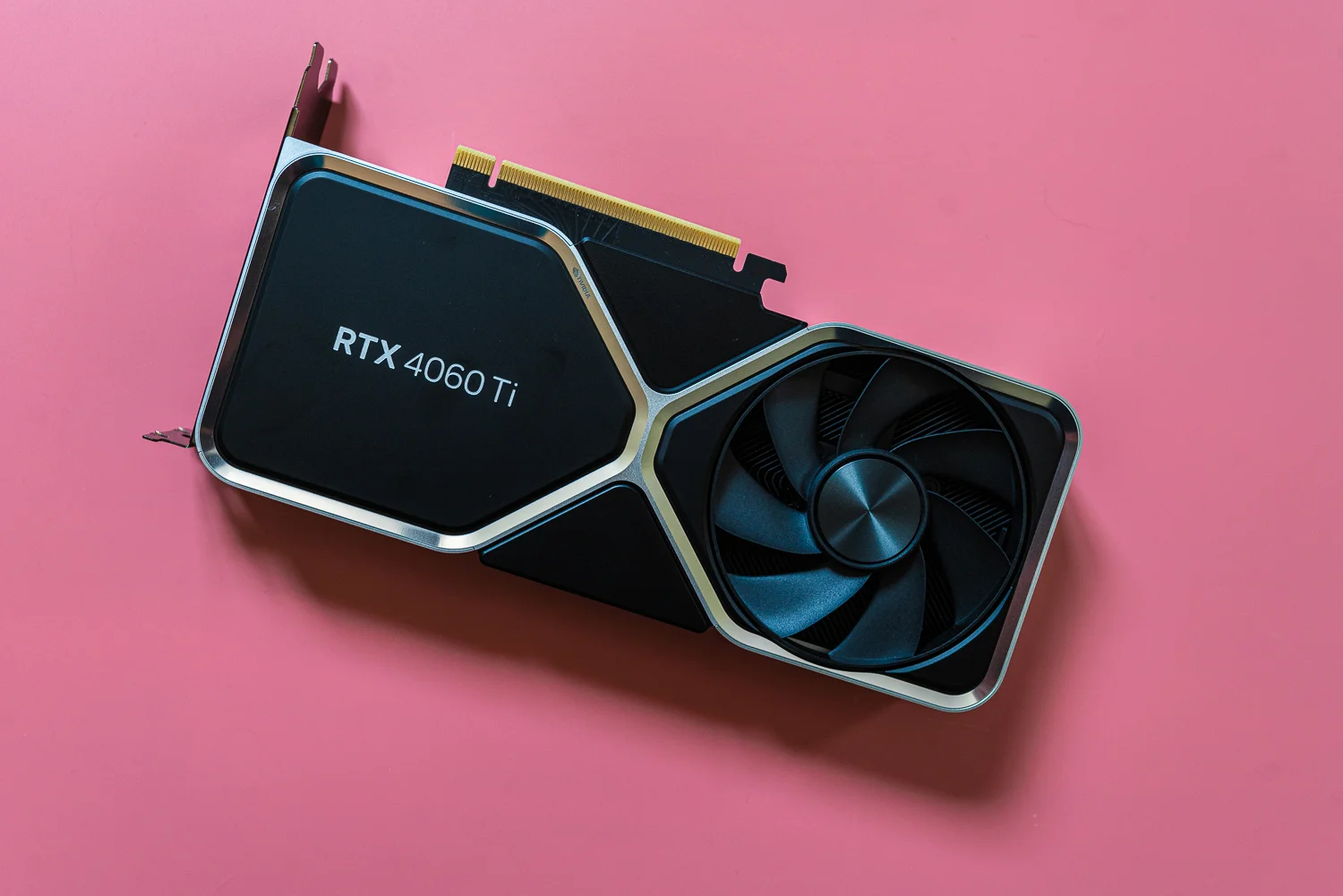
Nvidia's upcoming RTX 4060 Ti 16GB graphics card may face a lack of support from its board partners, as there is reportedly very little interest in promoting the GPU. The card's limited VRAM and high price tag compared to other options, such as the RTX 4070, make it a less appealing choice for consumers. With doubts surrounding its performance and value, the RTX 4060 Ti may struggle to find success in the market.

The Grim Reality of the Current Graphics Card Market
computing3 years ago

The Grim Reality of the Current Graphics Card Market

Graphics card sales have dipped nearly 13% since last quarter and almost 40% compared to the same time last year, according to a report by Jon Peddie Research. However, the attach rate, which is the number of graphics cards actually in PCs, is up 8% compared to last quarter. AMD's market share has fallen from 24% to 12%, while Nvidia's has grown from 75% to 84%. Intel's Arc A770 and A750 have taken 4% of the market, doubling in the last quarter, indicating that Intel could have a future in the world of discrete graphics cards.