Newzoo's Emmanuel Rosier says Epic Games Store's overhaul is unlikely to topple Steam, arguing the platform’s dominance is too entrenched and free-game giveaways rarely build lasting engagement; Epic's broad platform push hasn’t yielded a convincing storefront win, though Fortnite remains a bright spot.
SpaceX priced its IPO at $135, peaked near $202, and has since fallen about 36% to roughly $129. Using historical data from the last decade’s large IPOs, the median first-year drop suggests potential further downside, with a path to about $112 by June 2027 (roughly 13% below today) and a risk of around $101 in a deeper early dip (about 20% below today). Consequently, a $10,000 investment today could be worth about $8,820 by mid-2027 under the median scenario. The piece notes SpaceX’s rich valuation (roughly 88x sales) and compelling growth prospects (Starlink, AI satellite ambitions), but argues investors should wait for a more attractive entry point rather than buying now, given the timeline to orbital data centers and the high multiple.
S&P 500 Q2 earnings growth is 23.6% so far, but FactSet’s John Butters says the season typically lifts the final rate. By applying historical improvements from three windows, the most conservative estimate puts Q2 growth at about 29.4% YoY (highest since Q4 2021), with other windows suggesting 29.6% or up to 31.7%. Early results (18 companies) show 89% beating estimates by an average 14.5%, nudging the growth rate from 23.2% to 23.6%. If the pattern of surprises holds, the index could end Q2 around 29.4% YoY.
The 2026 NBA free-agent class at small forward is unusually thin, with no unrestricted FA at the position worth more than the midlevel exception (~$15 million). Tari Eason stands out as the likely max-level target (roughly three years, $75 million), while most other SF options are MLE-level or fringe players, meaning teams may need to pursue trades, room-exception signings, or bargain deals rather than marquee acquisitions.
Market commentator Helene Meisler argues Monday will reveal whether recent selling accelerates or the pullback is a temporary wobble. She cites deteriorating breadth, extreme sentiment readings, a jump in the VIX, and tech-sector divergences as signs of anxiety, but notes no definitive top yet—meaning a sharper selloff could signal a regime change while a pause might resemble a continuation of the earlier whack.
Bitcoin slid below $68,000—the lowest in about two months—as traders turned bearish and priced in a potential drop to $55,000 rather than a rebound to $84,000, pressured by Strategy's BTC sale, ETF outflows totaling over $3.4 billion in 11 days, and a wave of long liquidations.
A pro analysis reports that SpaceX's IPO filing is fueling a bullish run in space-related equities and outlines ways investors can gain exposure to the sector amid the buzz.
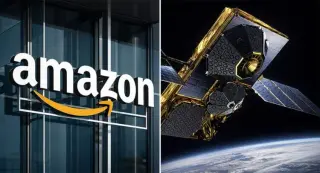
Morgan Stanley’s Brian Nowak argues Amazon’s $11.6B Globalstar acquisition would accelerate its Leo satellite strategy by enabling direct-to-device connectivity, securing coveted L/S-band spectrum, expanding in-orbit capacity, adding Band 53 options for future operations, and leveraging Apple partnerships for real-world D2C use; with a Buy/Overweight stance and a $300 target, the Street is broadly bullish (average ~14% upside) as AMZN stock rose about 4% on the news.
Western PC games outside the Top 20 captured 56% of revenue in 2025 (up from 48% in 2022) and 45% of playtime (up from 33%), per Newzoo's PC & Console Gaming Report, highlighting growing importance of mid-range and back-catalogue titles alongside hits like Cyberpunk 2077 and Skyrim; on consoles, spending remains Top 20–driven but non-Top 20 titles are gaining traction, aided by factors such as Game Pass.
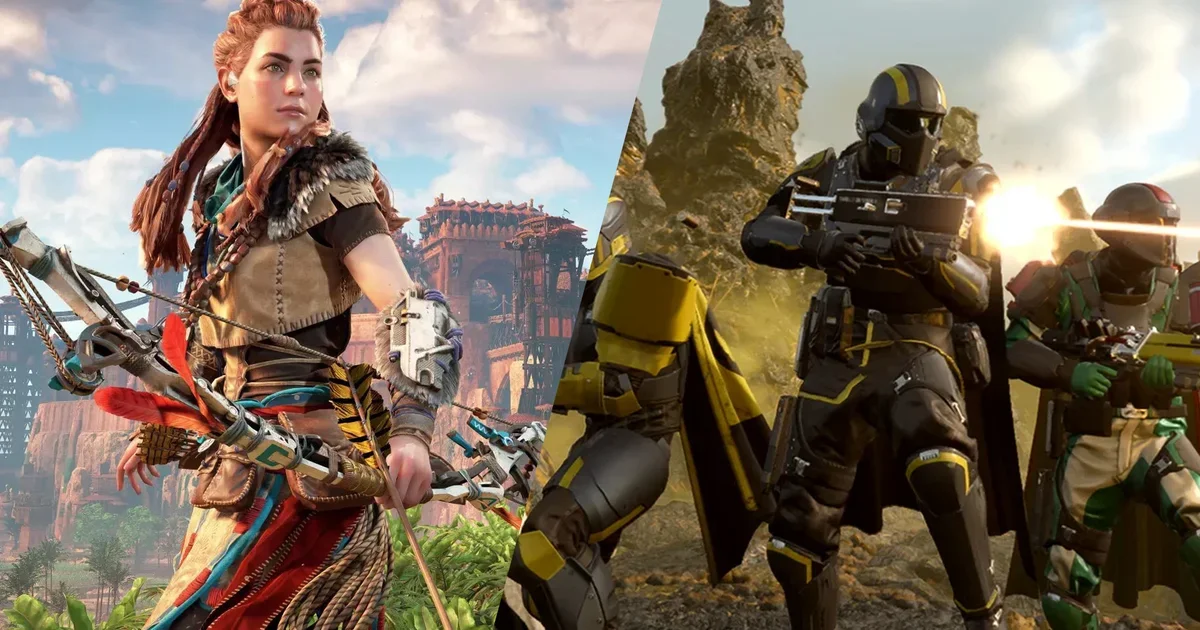
Newzoo’s analysis for GamesIndustry.biz finds Sony’s PC audience share for first‑party PS5 ports is limited mainly by delayed PC releases rather than franchise demand: PC shares in early weeks average around 13% for staggered launches, versus about 44% for games released on PC and console at the same time; older ports like Horizon Zero Dawn and Spider-Man reached 22% and 14%, while newer ones like Ratchet & Clank: Rift Apart (8%), Horizon Forbidden West (7%), God of War Ragnarök (6%), and Spider‑Man 2 (5%) show lower PC engagement, with Ghost of Tsushima (11%) as a notable exception being a first PC release. The takeaway: release timing shapes PC engagement, and Sony may shift toward more simultaneous multi‑platform releases.
Jim Cramer says oil’s tame moves amid the Iran war hint the Strait of Hormuz may reopen without a long disruption to crude, a view that helped lift U.S. stocks as inflation risk from oil prices looks contained. Brent and WTI showed modest gains after volatile sessions, while major indices rose (Dow +0.5%, S&P +0.8%, Nasdaq +1.3%). Tech names like Amazon and Nvidia climbed, and CrowdStrike’s 4% gain reflected a shift away from fears of AI-driven software disruption, suggesting investors are rotating toward high-quality stocks as the war potentially winds down.
Bitcoin fell below $63,000 as the crypto market extended its slide amid extreme fear, briefly hitting about $62,700 before rebounding to around $63,200. ETFs continued to see net outflows, and analysts say the downturn reflects macro headwinds and ongoing deleveraging rather than full capitulation, with a critical support zone at $60,000–$63,000 and the risk of a deeper drop if that level breaks.
TechSpot finds that from November 2025 to February 2026, GPU prices rose about 15% on average across 14 current-generation cards in 10 regions, with Nvidia models bearing the biggest increases (e.g., 5060 Ti 16GB ~21%, 5070 Ti ~25%, 5090 ~32%), while AMD’s RX 9060 XT and RX 9070-series rose more modestly (roughly 10–14%). Intel’s Arc B570/B580 were the least affected. Higher VRAM costs and tighter supply contribute to above-MSRP pricing in many regions, though GPUs still rose less than memory and SSD prices. With stock aging out and newer inventory priced higher, the market isn’t expected to improve soon, so waiting for a better deal may not pay off.
TipRanks highlights a top investor sees a possible buy window for MicroStrategy (MSTR) as Bitcoin remains volatile. The Q4 2025 results show a large on‑paper loss from fair‑value accounting of its bitcoin holdings, but management’s indefinite bitcoin horizon means most losses are unrealized. MSTR trades near its bitcoin value (mNAV ~1.08) and has historically outperformed BTC when bought at or below that level, suggesting upside if BTC falls further. The investor maintains a Hold stance for now; analysts are broadly bullish with a Strong Buy consensus and a 12‑month target of $361.73 (about 168% upside). If BTC bears persist and mNAV drops below 1, the investor would upgrade to Buy.