
Tag

Gravity Field

All articles tagged with #gravity field

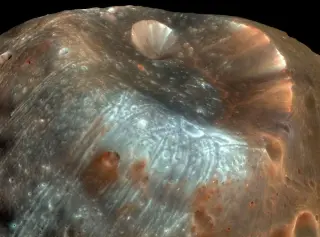
Phobos: Crater Clues May Decode a Martian Moon's Birth
space2 months ago

Phobos: Crater Clues May Decode a Martian Moon's Birth

Researchers at the EGU meeting modeled how small changes in Phobos’ geophysical signals around the 9‑km Stickney crater could help determine its interior and origin, weighing whether Phobos formed from debris after a giant Mars impact (~4.2 billion years ago) or was captured as an asteroid (~2.6 billion years ago). Current data suggest a porous interior with possible water ice and a localized denser mass near the equator, making gravity mapping and libration measurements key tests. The upcoming Japanese MMX mission (late 2026 launch) aims to orbit Phobos, collect surface samples with a core sampler and a NASA-provided pneumatic sampler, and return them to Earth by mid‑2031, which should help constrain Phobos’ formation scenario by linking interior structure, gravity, and composition.
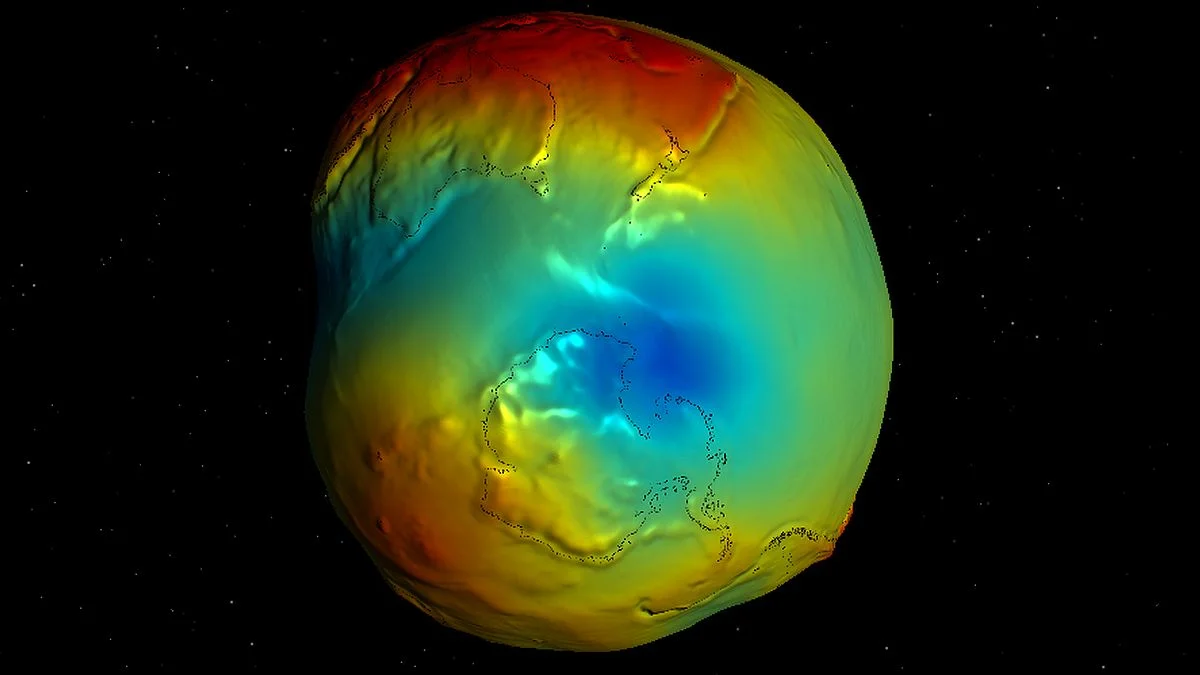
Antarctic gravity low strengthens as mantle dynamics reshape the geoid
science6 months ago

Antarctic gravity low strengthens as mantle dynamics reshape the geoid

Scientists mapped Earth’s interior with earthquakes to build a 3D mantle model and a map of the Antarctic Geoid Low, finding the depression has persisted for about 70 million years but has intensified over the last 40–50 million years as subducted slabs sank and buoyant mantle material rose. The results, which also align with true polar wander, suggest deep Earth processes can subtly shift sea level and influence the growth of Antarctica’s ice sheet; the work was published in Scientific Reports.

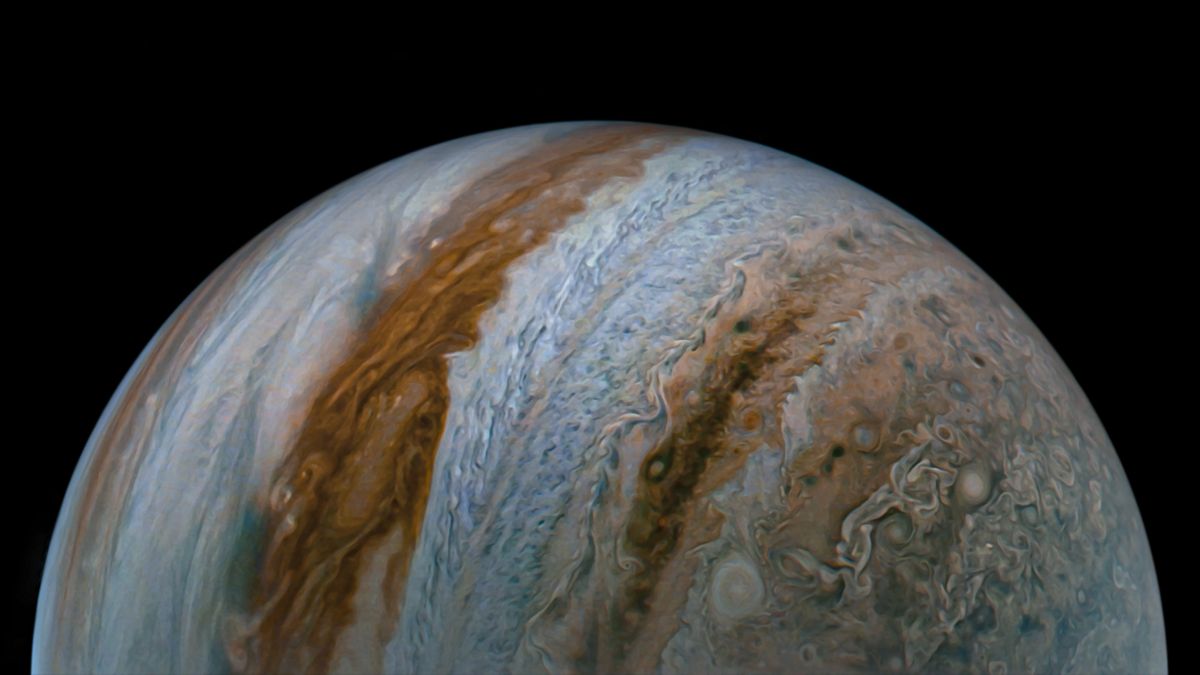
Juno Probe Uncovers Jupiter's Whirling 'Cylindrical' Winds
space2 years ago

Juno Probe Uncovers Jupiter's Whirling 'Cylindrical' Winds

NASA's Juno spacecraft has discovered that the winds on Jupiter penetrate the gas giant's atmosphere in a "cylindrical" manner, moving parallel to the planet's spin axis. The Jovian gravity data collected by Juno supports the idea that these winds move inward cylindrically, settling a debate that has been ongoing since the 1970s. The technique used to analyze Juno's data can now be applied to planets outside the solar system to study their atmospheres.