Angela Davis, 65, is the sole caregiver for her 87-year-old mother with dementia in New Orleans. She spends over $7,000 monthly on care and housing, covering 40% of the costs herself. Despite her background as a social worker, she finds the physical and emotional toll exhausting, relying on work and travel for mental breaks.
Facing rising health-care costs, major employers are trimming or shifting benefits: Disney will drop health coverage for working spouses with access to their own coverage next year, Starbucks will end GLP-1 weight-loss coverage, and Deloitte is rolling back parental leave and IVF funding for some employees. Projections from Marsh, Aon, and the Business Group on Health point to ongoing high single-digit cost growth into 2027, with costs increasingly passed to workers via higher premiums or tighter plan designs. To cope, employers are pursuing cost-control measures like direct contracting, narrower networks, and new benefit approaches such as Individual Coverage Health Reimbursement Arrangements (ICHRA), signaling a shift in how costs are managed even as some maintain core benefits.
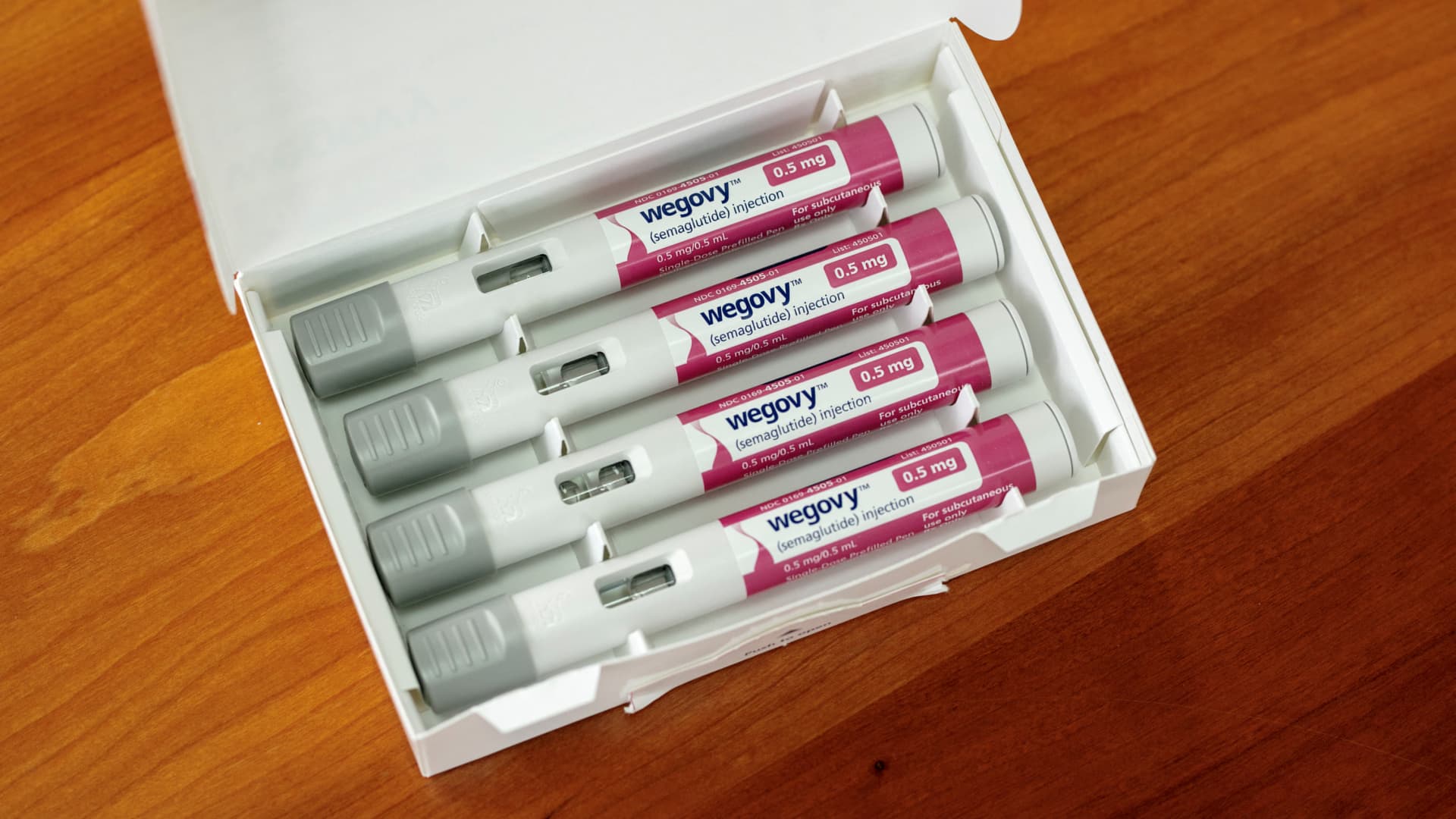
Starbucks will stop covering GLP-1 weight-loss medications under its health plans for benefits-eligible employees starting in October, though the drugs may still be covered for other conditions; the change reflects a broader trend of employers reining in GLP-1 costs as healthcare bills rise, with some companies ending weight-loss coverage (Allina Health, PwC) while others continue substantial GLP-1 spending (Bank of America).
A 21-year-old Davis County woman may be Utah's only diagnosed Niemann-Pick disease patient, described by her family as a mix of Alzheimer’s, dementia and Parkinson’s. She travels to Chicago every two weeks for infusions, with yearly treatment costs estimated up to $3.5 million, though her insurance covers most. While there is no cure, early intervention and ongoing care aim to slow the disease, and the family remains hopeful while raising awareness.
Across red and blue states, lawmakers are embracing the Trump-era rule that lets employers offer tax-exempt credits to workers to buy ACA plans through Individual Coverage Health Reimbursement Arrangements (ICHRA), a strategy aimed at tamping down uninsured rates after enhanced ACA subsidies expired. With six states weighing bills and insurers like Oscar Health supporting the approach, ICHRAs have bipartisan appeal, but they’re not a universal cure and may not always outperform traditional subsidies or employer plans depending on income and coverage choices.
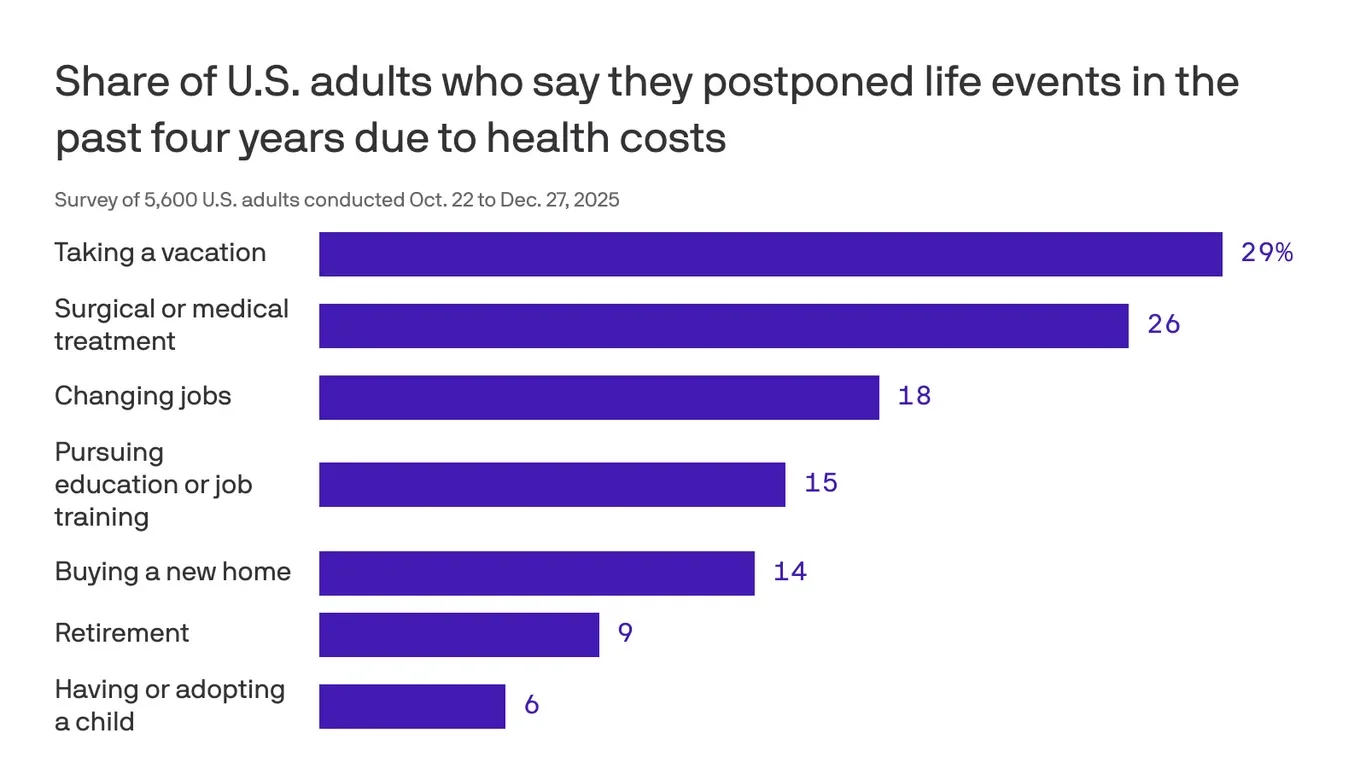
A West Health-Gallup survey shows nearly 70 million Americans delaying medical treatment, and tens of millions postponing major life events like buying a home, changing jobs, or pursuing further education due to rising healthcare costs, underscoring affordability as a key policy and political issue.
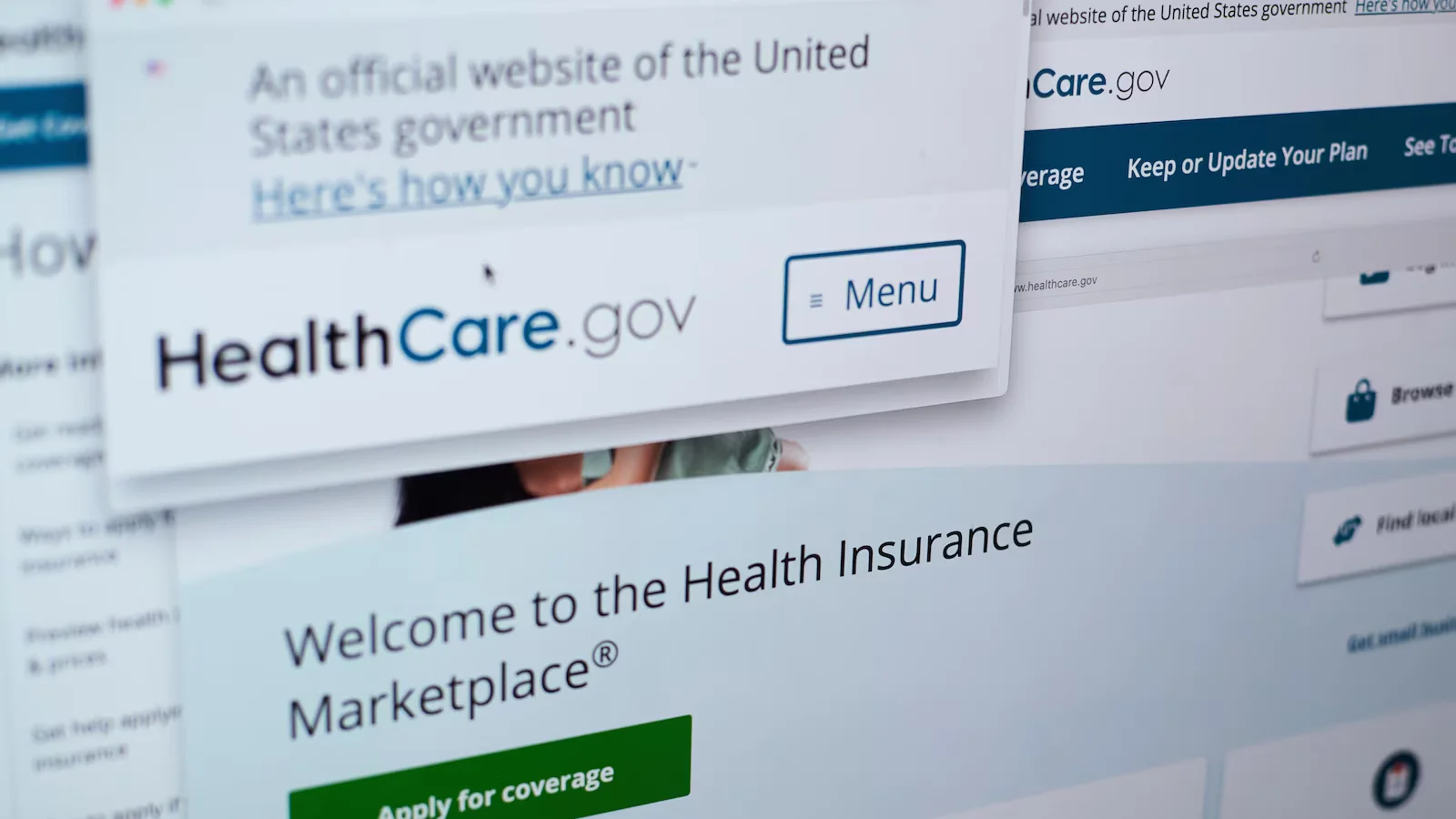
Enhanced tax credits for ACA enrollees expired, leading to significant premium increases for over 20 million Americans, with many facing affordability issues amid political debates over extending the subsidies in a high-stakes election year.
In 2026, workers will face higher health insurance premiums due to a projected 9-10% increase in employer health costs, driven by rising medical and drug expenses, with employers shifting more costs onto employees and exploring alternative health plan arrangements to manage expenses.
A report warns that plastic pollution causes at least $1.5 trillion in health-related costs annually, with microplastics posing unknown health risks, and calls for a global treaty to address the crisis, linking it to the climate emergency.
GLP-1 drugs, initially approved for obesity and diabetes, show potential for treating a wide range of health conditions, but their high costs, limited FDA approval for uses beyond current indications, and significant side effects raise concerns. Ongoing research and development aim to expand their applications, possibly in pill form, but more safety data and regulatory approval are needed before they can be widely used for other health issues.
A study by New York University researchers estimates that exposure to microplastics, including 'forever chemicals,' costs the US healthcare system $289 billion annually, surpassing the healthcare costs of the entire Covid pandemic. These tiny plastics, found in bottled water and most food, have been linked to chronic health conditions such as cancers, hormone imbalances, fertility problems, and heart disease. The study calls for a Global Plastics Treaty to address the pervasive issue of microplastics and promote the use of sustainable alternatives to reduce the incidence of diseases and healthcare costs associated with plastic pollution.
House Republicans have passed the CARS Act, a bill that aims to block the implementation of the EPA's new emissions rules, which could save Americans trillions of dollars in health and fuel costs and avoid nearly 10 billion tons of emissions. The bill, which is expected to be vetoed by President Biden, received support from 216 Republicans and 5 Democrats, while 197 Democrats and zero Republicans voted against it. Critics argue that the bill disregards the EPA's technology-agnostic approach and undermines efforts to protect clean air and reduce pollution.
Only around one-third of patients prescribed weight loss drugs like Wegovy continue taking them after a year, according to an analysis by Prime Therapeutics. However, the total healthcare costs for the entire group increased by nearly 60% on average after starting treatment. Patients who didn't take weight loss drugs saw their healthcare costs decrease by 4% on average during the same period. The analysis highlights the high cost of weight loss medicines, which can exceed $1,200 per month, potentially burdening insured patients. Adherence to treatment with weight loss drugs is poor beyond the one-year mark, and reasons for discontinuation vary, including shortages and side effects. Pharmaceutical companies have increasingly focused on the weight loss industry, but experts caution against perpetuating a dangerous diet culture.