A Jamaican teenager has become the first patient to receive a kidney transplant performed remotely by a U.S. hospital team, highlighting a milestone in telemedicine-enabled transplant surgery and potentially expanding access for patients in low-resource settings.
Bio-based startups in San Francisco are developing innovative ways to counteract sugar consumption, including a plant fibre-based drink mix that soaks up sugar in the stomach and enzymes that convert sugar into fibre in the gut. These technologies offer the potential to make sugar a healthier, less guilty pleasure, but further studies are needed to evaluate their safety and benefits. While proponents see these innovations as valuable tools in addressing sugar consumption, critics warn that they may encourage continued consumption of unhelpful foods and emphasize the importance of focusing on whole foods and reducing intake of ultra-processed products.
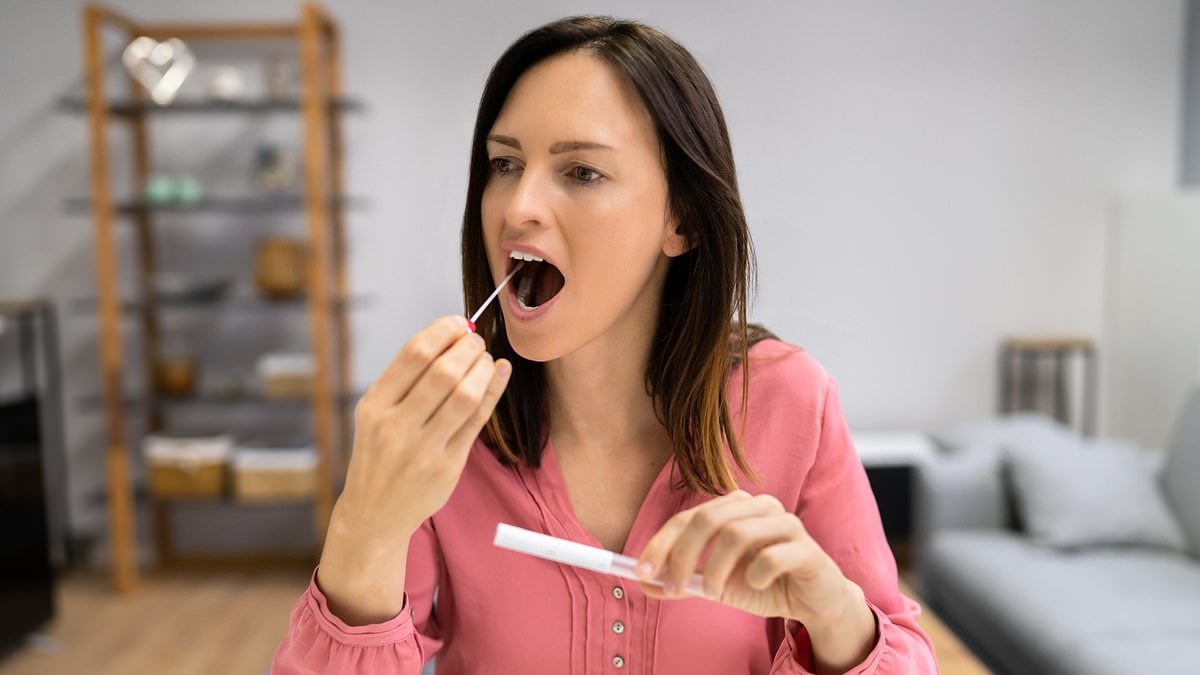
Researchers in Florida and Taiwan have developed a portable spit test that can detect breast cancer using a single drop of saliva in just five seconds, costing only $5. The palm-sized handheld device uses common components like glucose tests and open-source hardware to analyze cancer biomarkers in saliva, providing a low-cost alternative to invasive procedures like mammograms and ultrasounds. The test has shown promising results in differentiating between healthy individuals and those with breast cancer, but it may take several years to be available to patients pending regulatory approval.
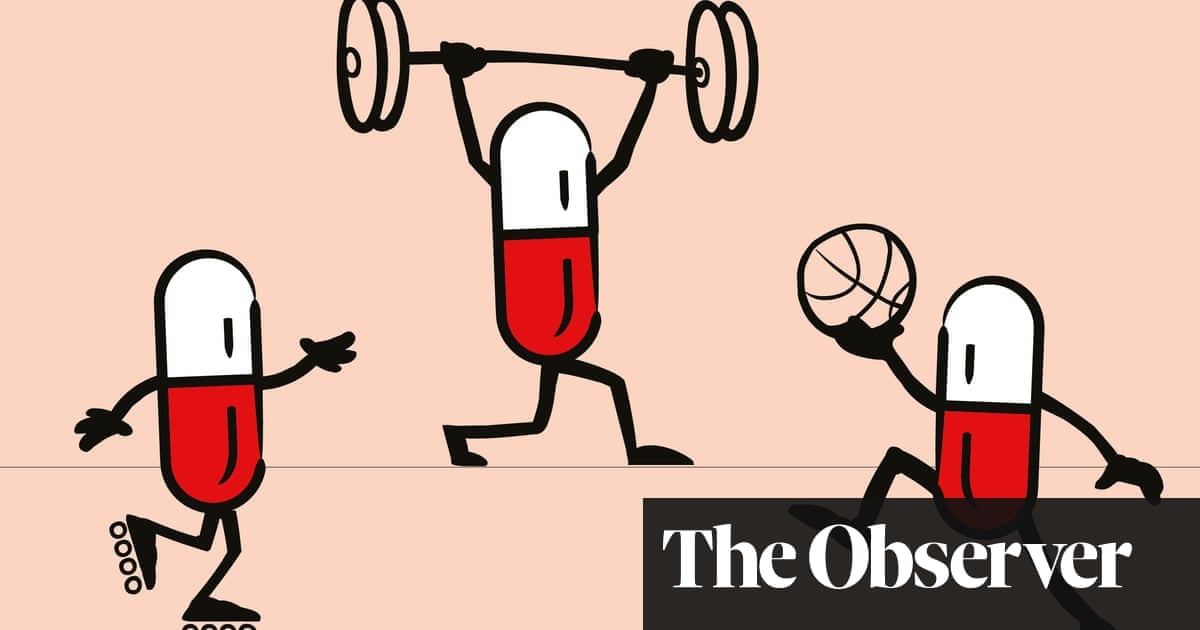
Researchers are exploring the potential of "exercise pills" as a means to replicate the health benefits of physical activity, particularly for those unable to exercise due to age or disability. The ExPlas trial in Norway is testing the effects of injecting plasma from active young adults into older individuals with early-stage Alzheimer's. Additionally, scientists are investigating specific hormones like irisin, which could lead to exercise-based treatments. While the full impact and safety of such treatments are still under study, with results expected in 2025, the concept represents a promising frontier in medical science that could benefit a wide range of patients, including those with Alzheimer's, osteoporosis, and obesity.