
health-technology32 min read
Wearable Blood Tests Reveal Hidden Health Risks but Raise Privacy Concerns
20 days ago•Source: CNET
View original source
The latest health technology stories, each synthesized from multiple sources with added background and context.
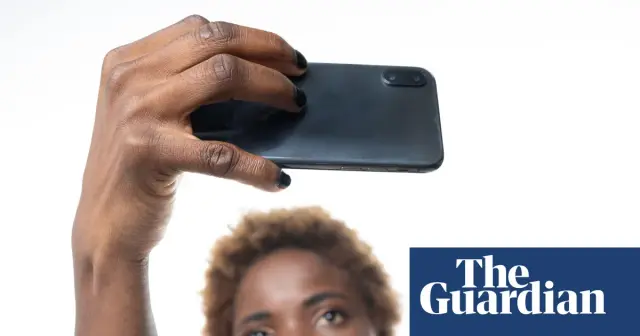
Researchers at Mass General Brigham have developed an AI system that estimates biological age and predicts cancer survival rates using a single facial photograph. Published in The Lancet Digital Health, the study demonstrates that facial features can serve as biomarkers for health outcomes, potentially aiding treatment decisions for cancer patients.
Neuroscience News•6 months ago
WIRED•10 months ago
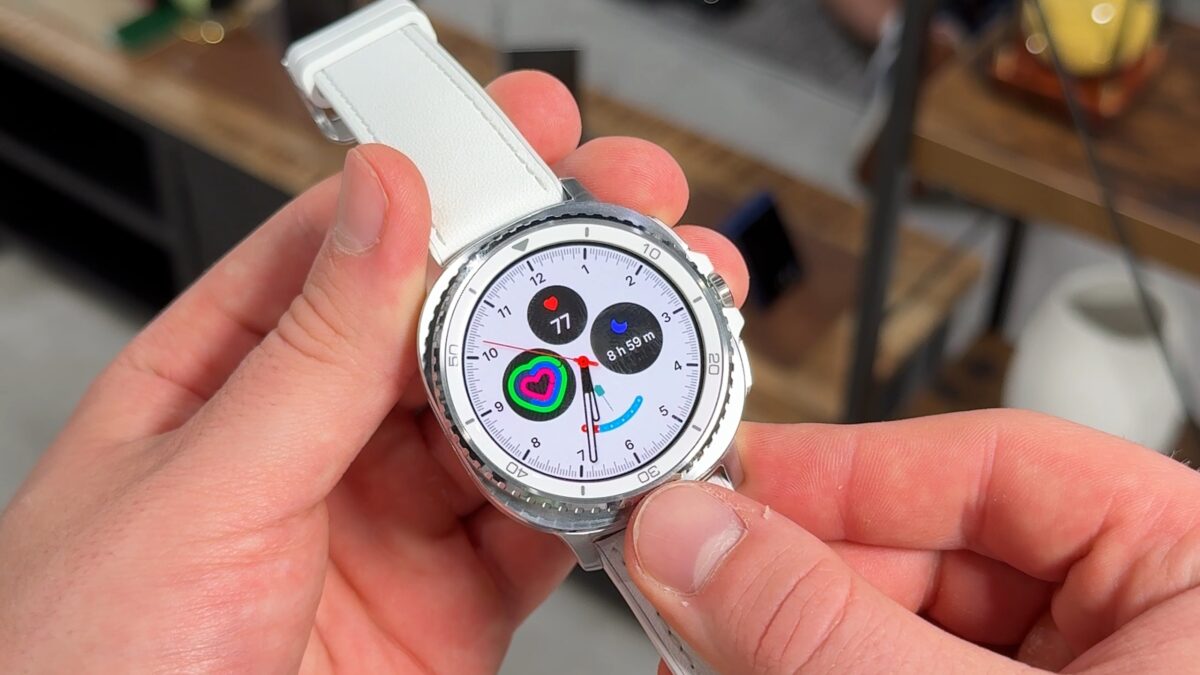
Samsung is developing AI-powered features for its Galaxy Watch to detect signs of heart failure, specifically Left Ventricular Systolic Dysfunction, using advanced ECG analysis in collaboration with Medical AI. The technology, already in use in South Korean hospitals, aims for early detection and improved treatment outcomes, pending regulatory approvals for global release.
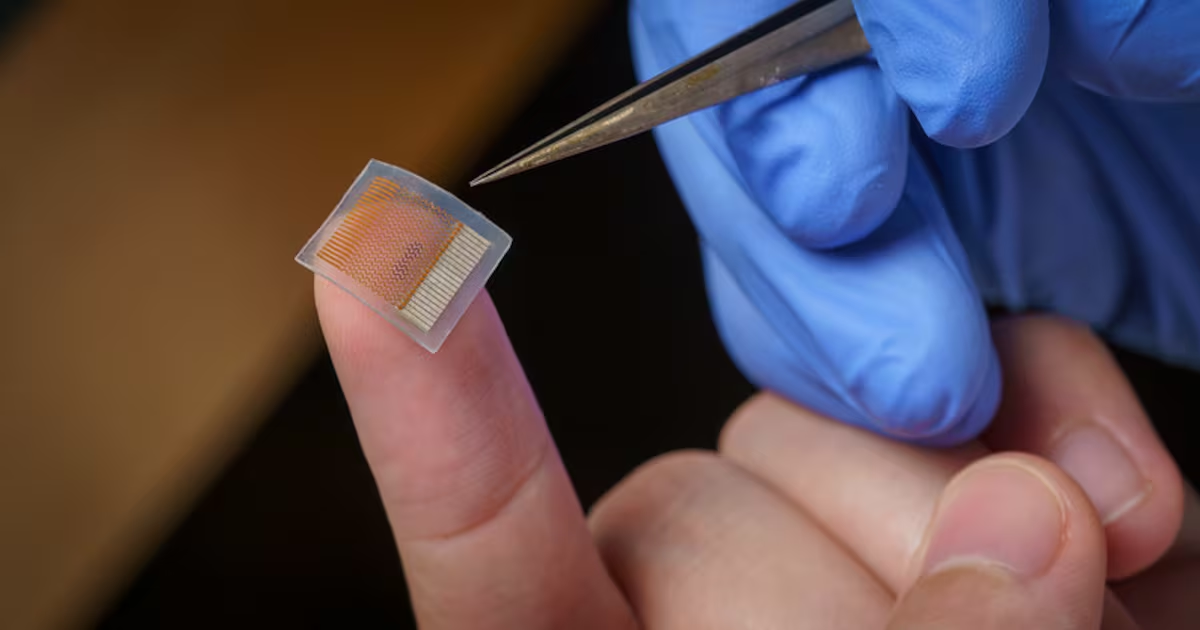
Researchers at the University of California San Diego have developed a wearable ultrasound patch that continuously monitors blood pressure noninvasively, offering a potential alternative to traditional cuffs and invasive arterial lines. The soft, stretchy patch adheres to the skin and provides real-time blood pressure readings by tracking changes in blood vessel diameters. Tested on over 100 patients, the device showed results comparable to standard methods, even in varied activities and settings. The team plans further clinical trials and aims to develop a wireless version for long-term use.
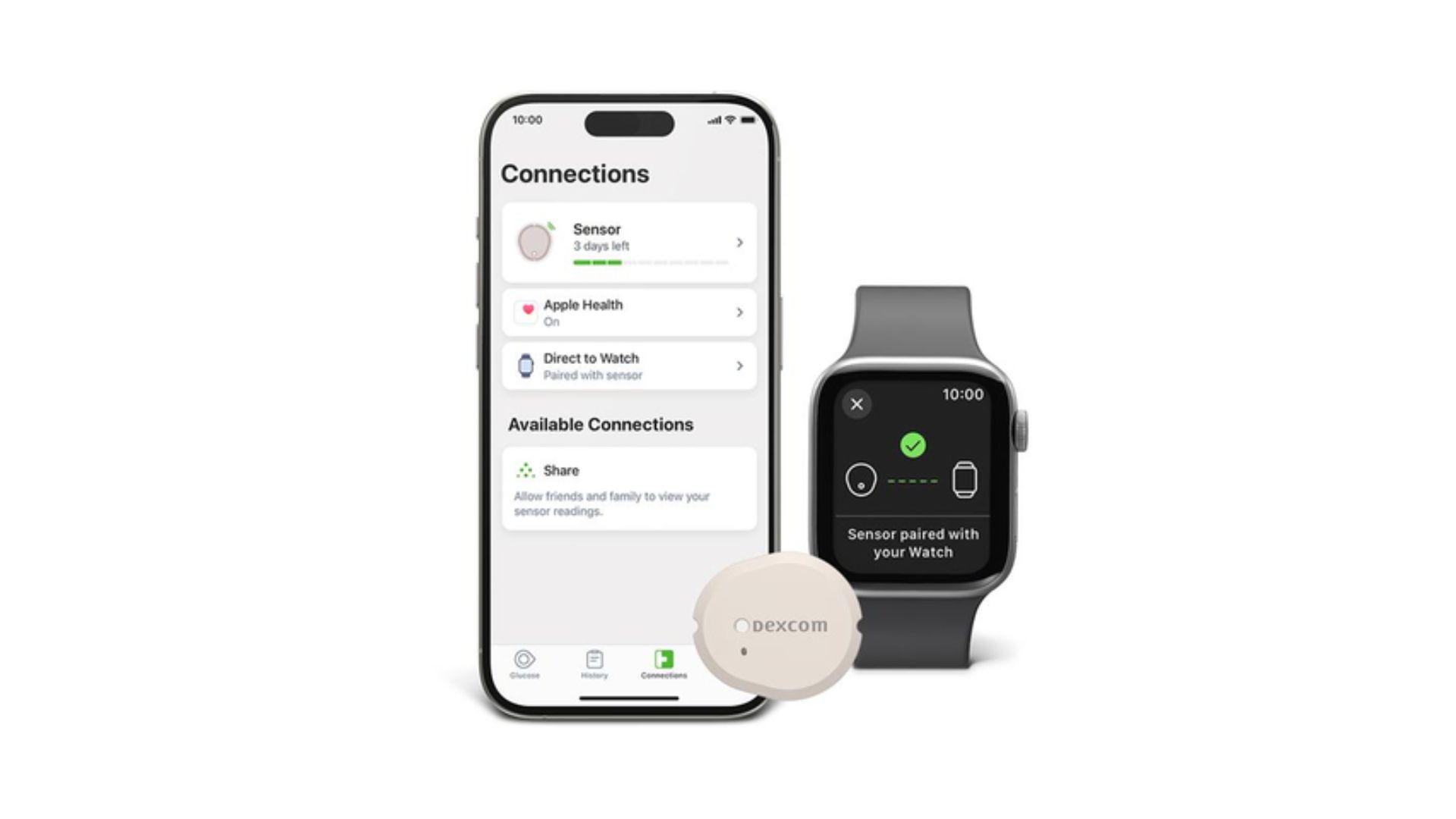
Dexcom has announced that its G7 continuous glucose monitor can now send real-time blood sugar data directly to Apple Watch via a dedicated Bluetooth connection, eliminating the need for an iPhone. This new feature, highly requested by users, is available in the U.S., U.K., and Ireland, with more markets to follow. Users will need the latest Dexcom G7 app, an Apple Watch Series 6 or later, and an iPhone running iOS 17 or later.
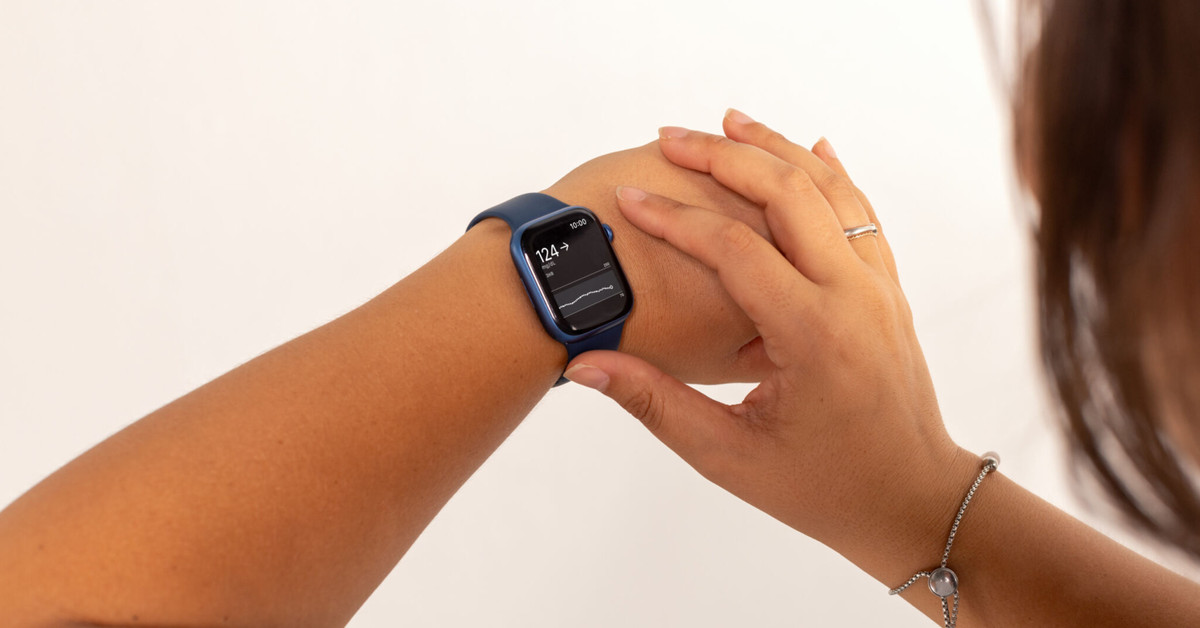
Dexcom G7 CGM users can now monitor their real-time blood sugar data directly from an Apple Watch, using a dedicated Bluetooth connection for instant readings and alerts. This feature, available in the US, UK, and Ireland, requires an Apple Watch Series 6 or later and an iPhone running iOS 17. While it enhances convenience, it doesn't replace the need for a smartphone or Dexcom receiver for setup and comprehensive data analysis.
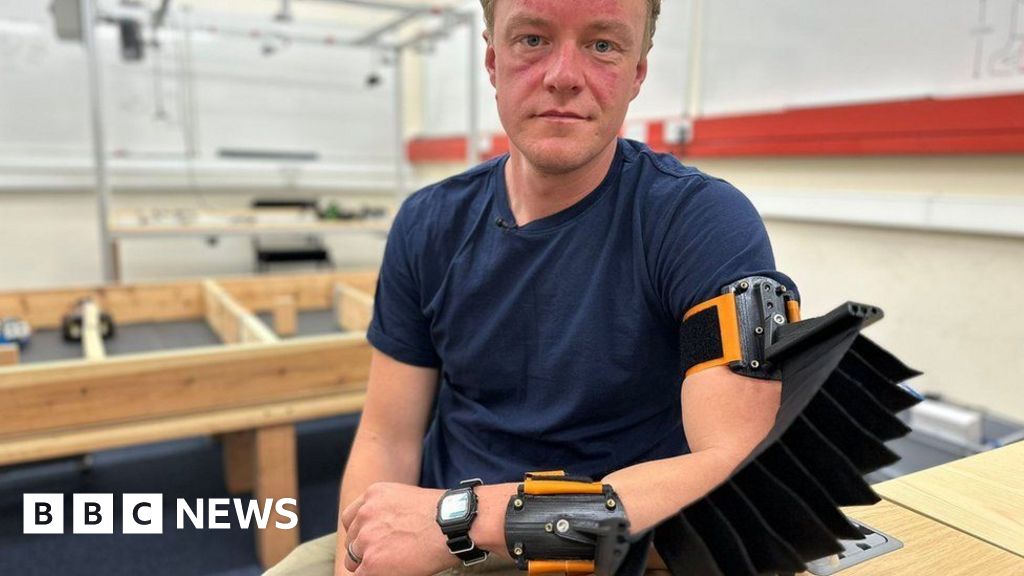
A PhD student at the University of Aberdeen is developing a "Soft Robo Arm" to aid stroke patients in their recovery by allowing them to perform essential repetitive movements at home without a physiotherapist. The lightweight and affordable device, which uses air-inflated material to mimic muscle movements, is still in the development phase and will undergo extensive testing before clinical trials.
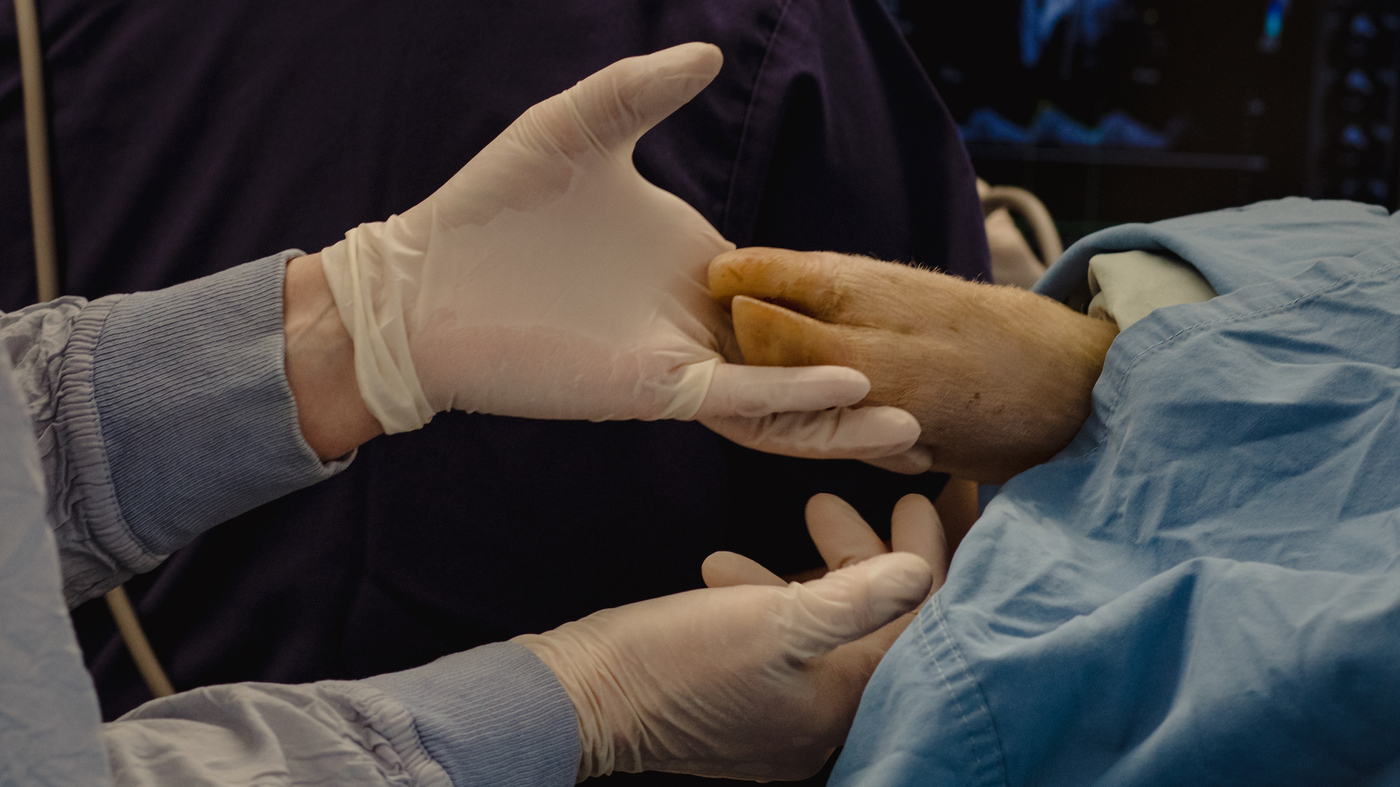
Surgeon Christoph Haller and his team are developing an artificial womb to help extremely premature babies survive and avoid complications, using a pig fetus as a test subject. The technology aims to allow fetuses to mature more physiologically and could be a game changer in treating extreme prematurity. While generating excitement, the prospect of an artificial womb raises ethical concerns and questions about safety, candidacy, and moral status. The FDA is discussing the latest scientific efforts and ethical issues surrounding artificial wombs, while researchers are optimistic about the potential to save babies but acknowledge the need for careful regulation and consideration of potential misuse.
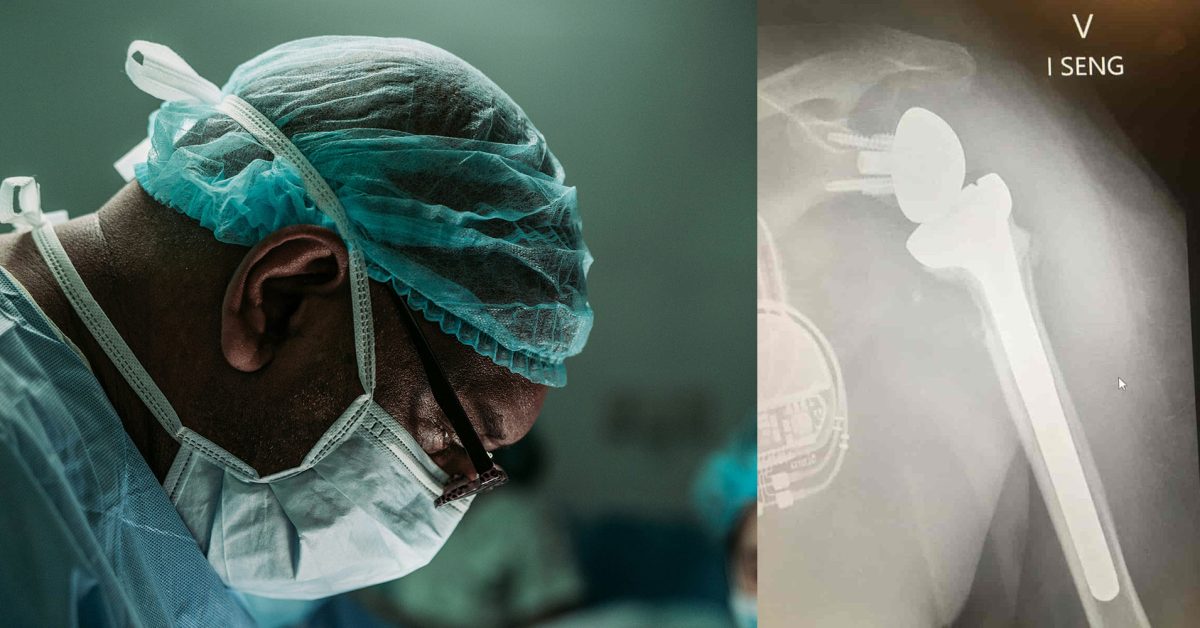
The Vision Pro headset has been used in various surgeries, including shoulder replacement and spinal surgery, to provide touch-free access to surgical setup, inventory, and procedural guides within the operating room. This technology has been praised for its potential to eliminate human error and improve surgical efficiency, with the possibility of becoming commonplace in operating rooms in the future.

A major international study of 250,000 mobile users over 17 years found no evidence linking long-term or heavy mobile phone use to an increased risk of developing brain cancer. Researchers from Imperial College London and Sweden’s Karolinska Institute concluded that newer phones emitting weaker electromagnetic fields and changes in phone usage habits have contributed to the lack of association between mobile phone use and brain tumors. The study's findings were published in the journal Environment International and are considered reassuring in dispelling concerns about the health risks of mobile phone usage.
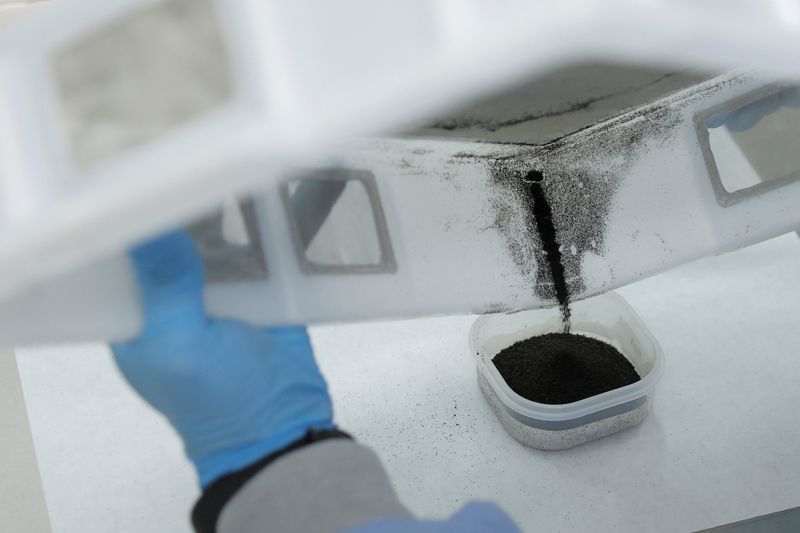
British biotech company Oxitec is releasing genetically modified mosquitoes in Brazil to combat the surge in dengue fever cases. The modified male Aedes aegypti mosquitoes carry a gene that kills female offspring, reducing the overall mosquito population. Brazil has seen over 973,000 likely dengue cases and 195 deaths so far this year. The city of Suzano, in the state of Sao Paulo, has declared a state of emergency and is using the solution to combat the outbreak.
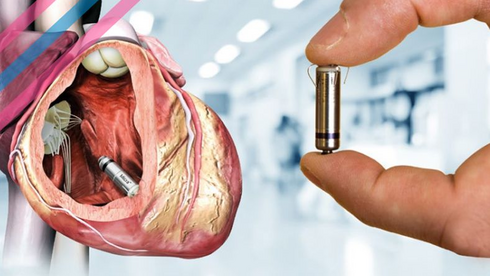
Israeli medical centers have successfully implanted the new Micra AV-2 miniature heart pacemakers, which are smaller and less intrusive than traditional pacemakers, directly into patients' hearts, reducing the risk of infection and improving performance. The new technology, developed by Medtronic, offers better tracking of heart rates, automatic programming, and suitability for MRI scans, making it a significant advancement in cardiology.