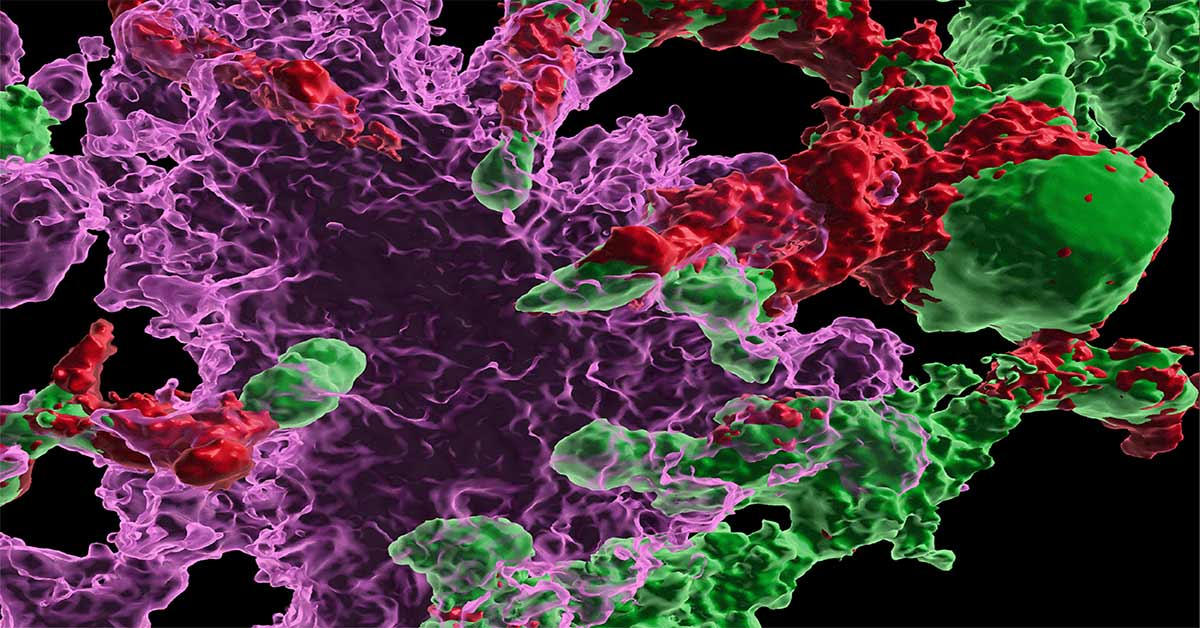
Astronauts on the International Space Station are testing a microgravity bioreactor (InSPA-StemCellEX-H2) to expand hematopoietic (blood-forming) stem cells in space, aiming to produce large quantities for Earth-based cancer and immune-disease therapies, potentially improving cell quality and reducing rejection compared with Earth-grown cells.
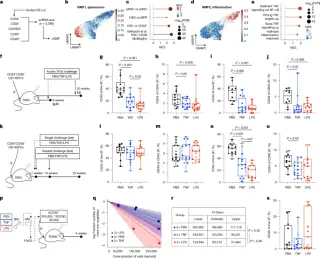
A Nature study identifies two human hematopoietic stem cell states after inflammatory stress: a quiescent baseline (LT‑HSC) and a durable inflammatory‑memory subset (HSC‑iM) that remains after recovery, transmits memory to immune progeny, and is linked to aging, COVID‑19 recovery, and clonal hematopoiesis.
Researchers at the University of Tokyo and St. Jude found that aging-related stress activates MLKL in hematopoietic stem cells not to kill them, but to damage mitochondria, weakening self-renewal and skewing blood cell production toward myeloid cells. Inactivating MLKL preserved stem cell function under stress, suggesting mitochondrial-protective or necroptosis‑modulating therapies could help maintain blood/immune health during aging or after chemotherapy/transplantation.
Mount Sinai researchers found that aging in hematopoietic stem cells is driven by hyperactive lysosomes; by inhibiting lysosomal activity in aged cells ex vivo, they restored youthful function and boosted in vivo blood-forming capacity by over eightfold, offering a potential path to treating age-related blood disorders and improving stem cell transplants.
A study conducted by researchers at UC San Diego suggests that stem cell transplants using hematopoietic stem cells could be a promising therapeutic avenue for Alzheimer's disease. In a mouse model, mice that received healthy stem cell transplants showed preserved memory and cognition, reduced neuroinflammation, and significantly less β-amyloid build-up compared to untreated mice. The success of the therapy is attributed to its effects on microglia, a type of immune cell in the brain. The transplanted stem cells differentiated into microglia-like cells, leading to enhanced microglia health and protection against multiple levels of Alzheimer's pathology. Further research is needed to understand the mechanisms behind these improvements and explore the potential of this therapy in humans.