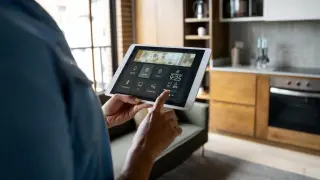
At IFA 2026 in Berlin, a flood of connected gadgets—from giant LG OLED displays and mood-lit furniture to AI-powered fridges, automated bedrooms, robotic cleaners and power storage—paints a future where homes are fully integrated, but also raises privacy concerns over pervasive AI cameras.
Govee announced three new lighting products: a $400 Matter-enabled Sky Ceiling Light that uses AI Lighting Bot 2.0 to set colors based on mood, plus a $170 COB Strip Light 2 Pro with AI-driven scene prompts and a $500 Permanent Outdoor Lights 2 Pro with dual-zone color output. The Sky Ceiling Light and COB Strip Light 2 Pro launch on September 4, with the Outdoor Lights 2 Pro following on September 7.
Bloomberg’s Mark Gurman reports Apple is revamping the store’s “Avenues” section to showcase a new Siri-powered HomePod home hub with a 7-inch display, signaling a broader smart‑home push and a more interactive in‑store demonstration.
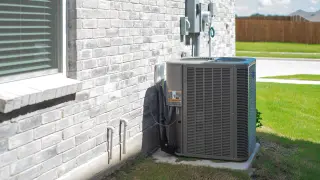
Three smart devices—Ecobee Smart Thermostat Premium with SmartSensor, Sensibo Air Pro, and Eve Door & Window Contact Sensor—let you automate and optimize cooling. They offer smart control, climate-reactive cooling, indoor air monitoring, and open-window detection to save energy and extend HVAC life.
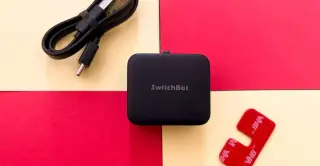
Verge tests the USB-C SwitchBot Bot Rechargeable, a tiny robotic arm that attaches to a switch and physically presses or pulls it to automate devices; it can be controlled via SwitchBot Hub with Alexa/Google Assistant and, once installed (which may take some trial and error), reliably performs actions from across the room—helpful for turning on lights and deterring roaches—though the rechargeable battery lasts about six months per daily trigger and installation isn’t plug-and-play.
A roundup of Prime Day deals under $40 on smart-home gear, including Blink doorbell and cameras, Philips Hue Smart Button, Meross and TP-Link smart plugs, Eve Energy outlets, and more—great budget options for automating security, lighting, and power across your home.
A practical guide to building a secure, easy-to-use smart home in 2026: start with strong safety features (locks, cameras, doorbells, and garage controls), choose a single wireless standard (Matter/Thread or Zigbee/Z-Wave) to keep devices communicating smoothly, ensure essential functions work offline, prioritize usability over flashy features, consider self-hosting (e.g., Home Assistant) to reduce cloud reliance, consolidate control to one app or hub while preserving some device-specific apps, use smart switches instead of replacing all bulbs, leverage IFTTT for automations, optimize for energy savings with schedules and smart switches, provide a guest-friendly mode, plan long-term to avoid redundancy, and schedule regular firmware updates to maintain security and compatibility.
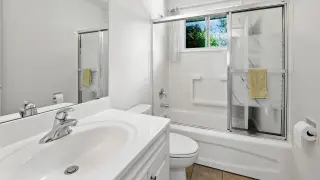
Bathrooms are embracing smart tech with voice-enabled, touchscreen showers and tubs from brands like Moen, offering features such as custom temperature presets and integrated music; the trend boosts convenience and accessibility but comes with high costs, potentially tricky installation, and uncertain impact on resale value, making it a luxury upgrade rather than a necessity.
Former OpenAI and Tesla AI lead Andrej Karpathy uses an AI agent named Dobby to autonomously manage his home—controlling lights, HVAC, blinds, the pool and spa, and security—consolidating six apps into one on a local network; the system recently got a hardware upgrade with Nvidia's DGX Station powered by a GB300 chip designed for agentic AI workloads.
Humanoid home robots like Neo are entering the market with promises to automate chores, but experts warn they remain limited in everyday tasks, rely on remote human operators behind the scenes, and raise serious privacy and inequality concerns due to data collection and labor practices; while AI and hardware improve, broad consumer adoption is likely decades away and we should remain cautious about relying on robots for domestic chores.
A maker builds an authentic LCARS-inspired touchscreen dashboard for his Home Assistant setup using LVGL and ESPHome on an ESP32-S3 with a Waveshare 7” display, designing in Illustrator and implementing with YAML to create stacked shapes and widgets that control lights and monitor sensors—pure nerdy joy rather than practical necessity.
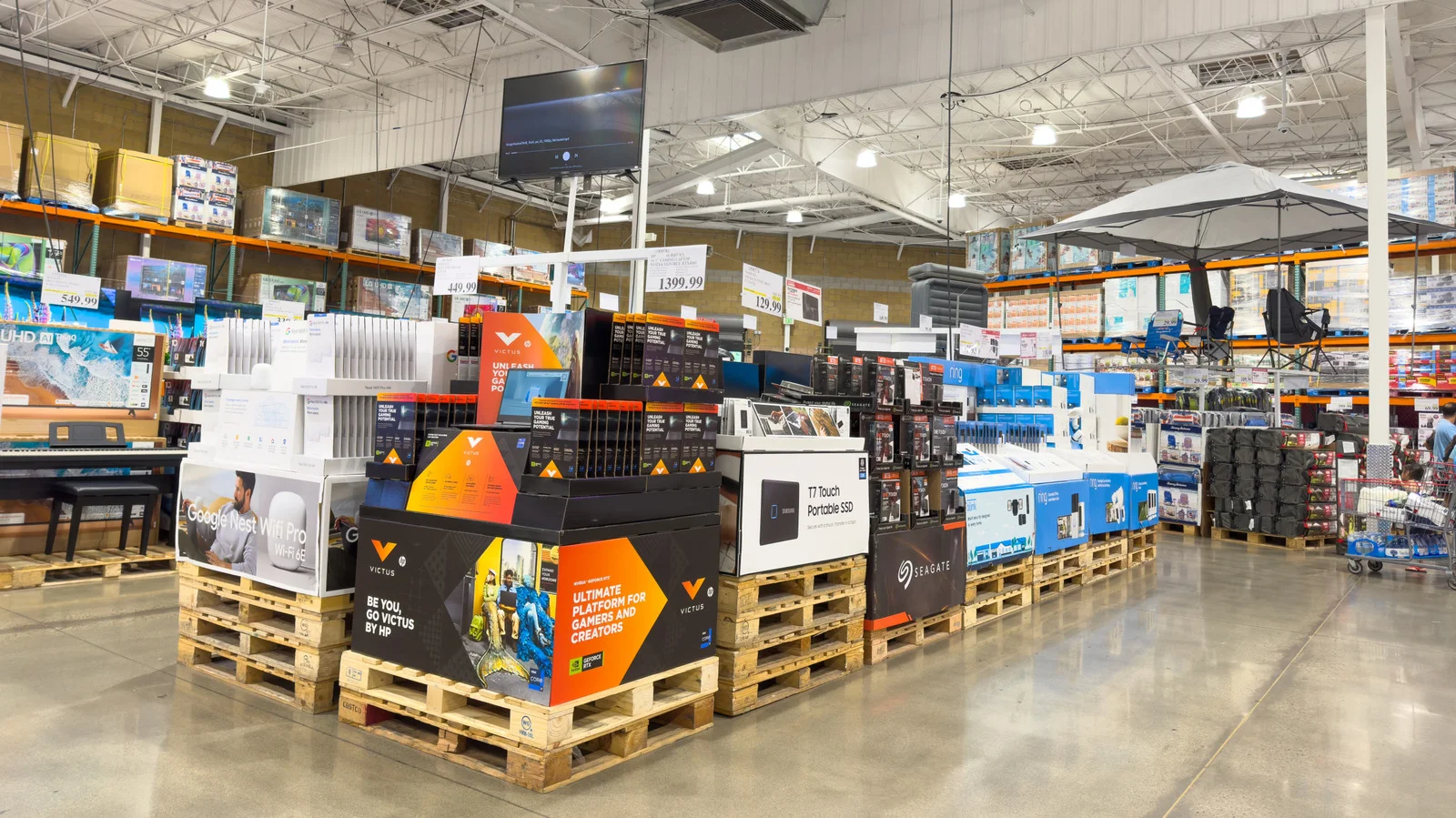
Costco’s five popular smart‑home gadgets—Ecobee Smart Thermostat with two sensors, Sonos Era 100, TP-Link Deco X60 mesh Wi‑Fi, SimpliSafe 13‑piece security kit, and Rachio 3 sprinkler controller—are highlighted for reliable performance, easy setup, and value across climate control, audio, networking, security, and outdoor watering.
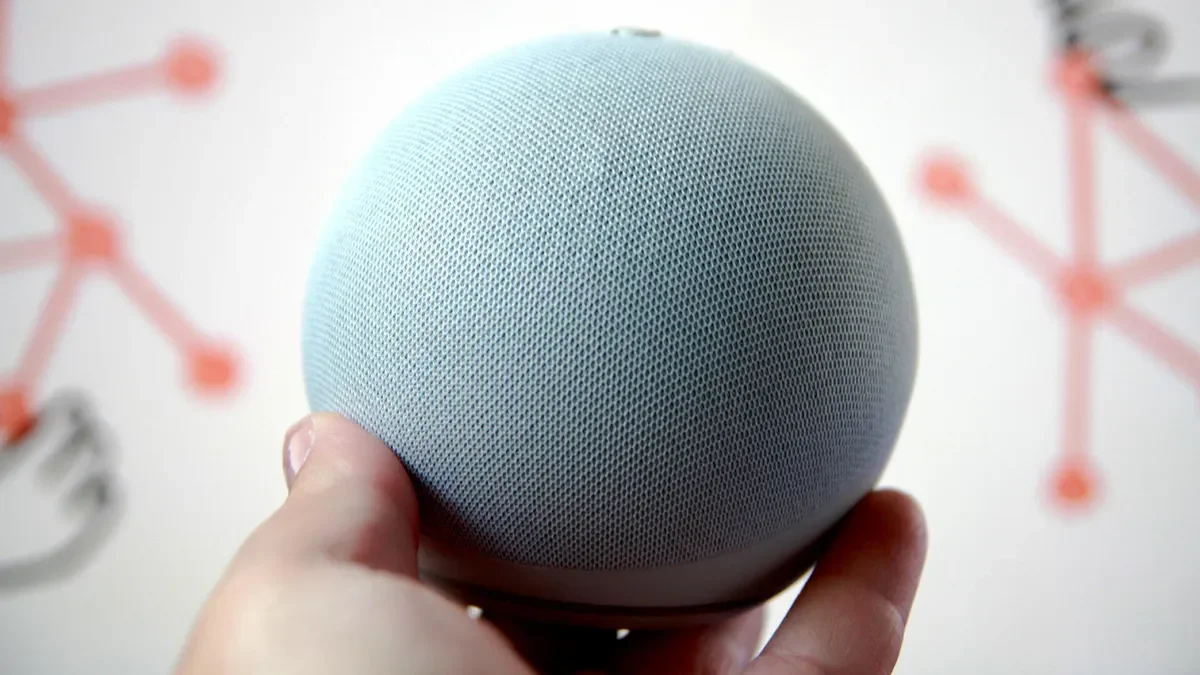
The article presents 16 practical uses for Alexa in the home, from lighting and multi-room routines to finding a lost phone, using Echo devices as a landline, prompting kids, tracking packages, and acting as an intercom or white-noise machine. It highlights how routines can streamline daily tasks, support busy families, and even assist with emergencies. While many features work without subscriptions, some enhancements (like Alexa Emergency Assist and certain Kids+ options) require paid plans.
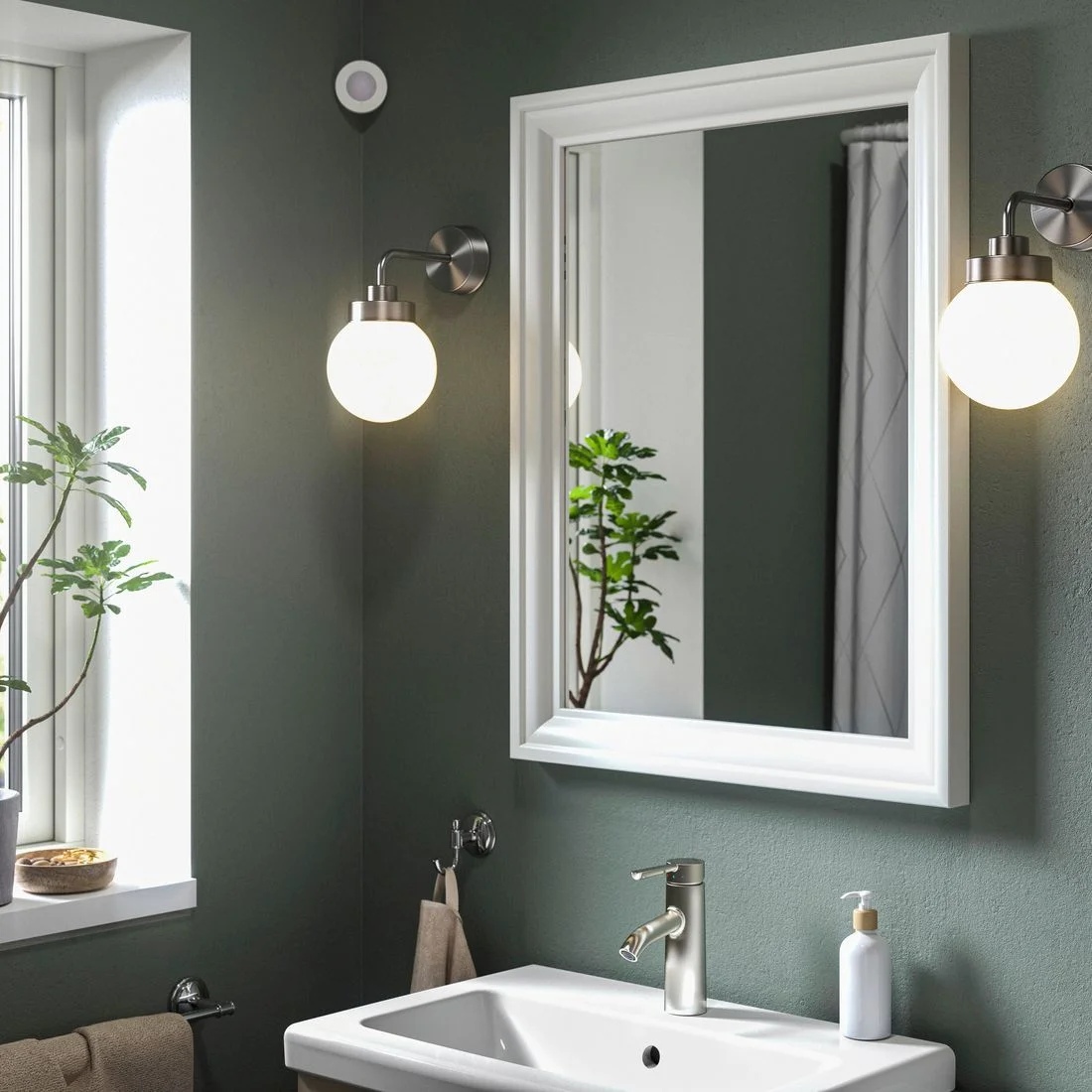
IKEA has quietly launched 21 new smart-home products, including temperature, humidity, air-quality sensors, motion lighting, and remotes, all designed to work with the Matter standard so they can interoperate with existing ecosystems. The range focuses on budget-friendly, stylish devices—such as the ALPSTUGA indoor air quality monitor (around $29.99) and KLIPPBOK water-leak sensors (about $7.99)—that pair with IKEA lighting and other brands. It emphasizes accessibility and interoperability, though some reviewers note variability in connectivity and readings. This marks a notable move by a mainstream retailer to make smart-home tech more affordable and interoperable.
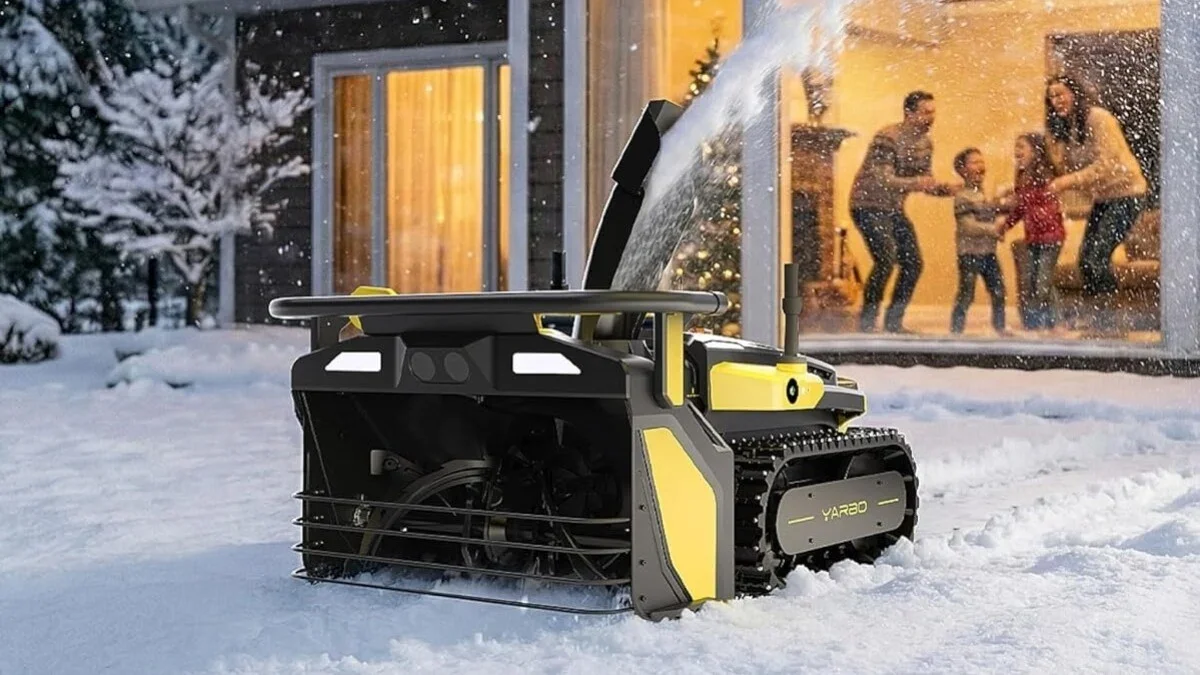
The Yarbo Snow Blower Robot is gaining attention for automating driveway clearing: a modular, map-based bot that can throw snow 6–40 feet, clear up to 12 inches at a time, and cover about 6,000 square feet per charge, while operating down to -13°F. It can be scheduled or set to auto-detect storms, returns home at 20% battery, and recharges in about 90 minutes. Capable of plowing gravel and slopes up to 36%, it’s bundled in a Yarbo Core system with optional attachments (lawn mower, leaf blower); pricing starts around $4,999 for the core model and $6,999 for the full 4-in-1 bundle.