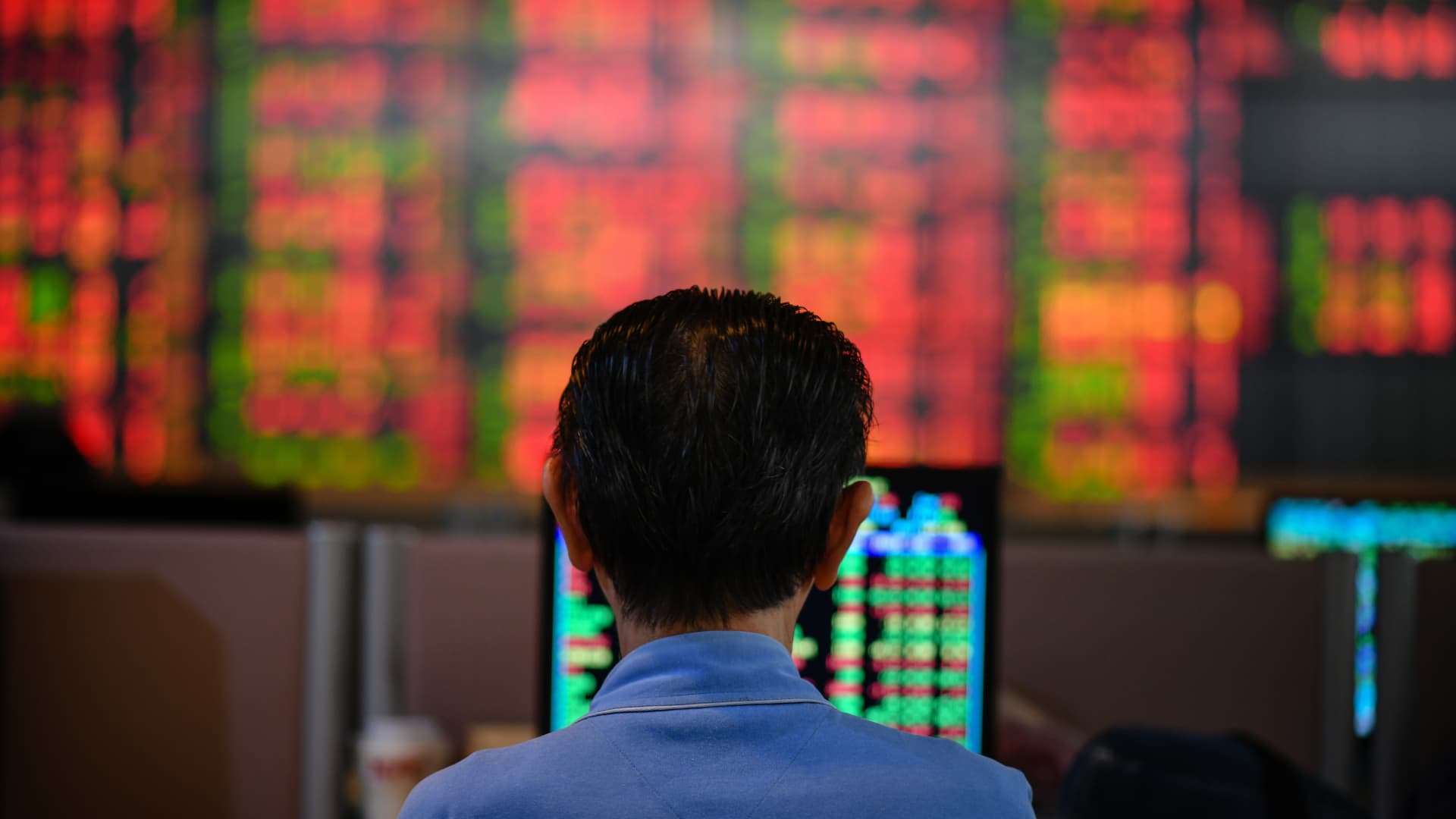
Alibaba and Baidu rose in Hong Kong after confirming that their Qwen AI will be integrated into Apple Intelligence for China, as regulator approvals for Apple’s AI services reflect ongoing U.S.–China tech competition and potential Kunlunxin IPO developments.
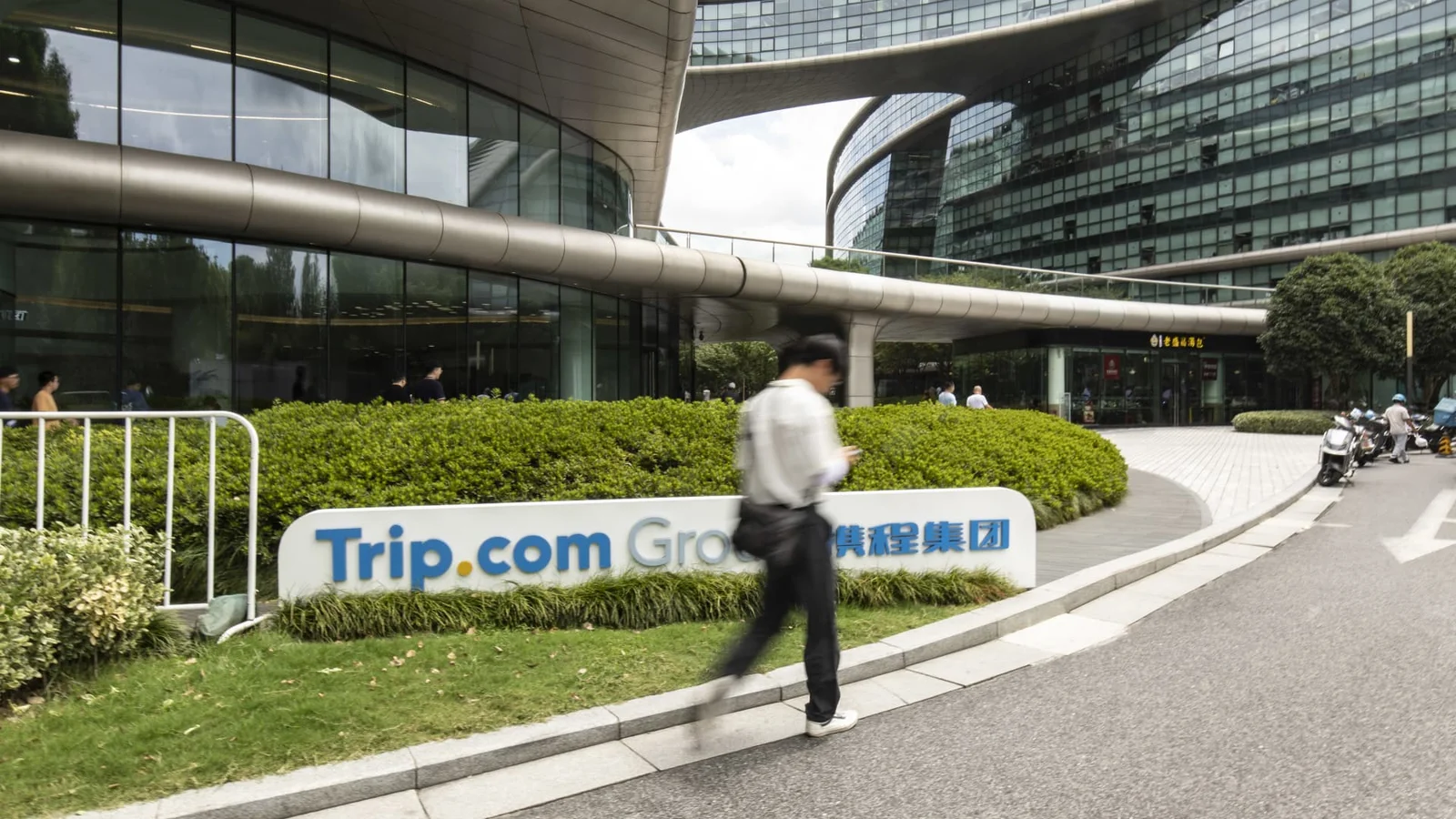
China’s State Administration for Market Regulation opened an antitrust probe into Trip.com for suspected abuse of its dominant market position; Trip.com said it would cooperate and that its operations are normal, but the stock plunged nearly 22% in Hong Kong, the worst performer on the Hang Seng; the case underscores regulatory risk in China’s online travel sector even as tourism rebounds.
Hong Kong stocks, especially H-shares, have outperformed mainland Chinese A-shares in 2025 due to a re-rating of tech and consumption stocks, driven by AI breakthroughs and global rebalancing flows, while onshore markets remain subdued amid economic woes and uncertain stimulus prospects.
Hong Kong stocks drop over 2% as Asia markets trade mixed ahead of China data, with Singapore's GDP growing 2.7% in the first quarter and the Bank of Korea leaving interest rates unchanged at 15-year high. The Japanese yen weakens to a 34-year low against the U.S. dollar, while U.S. tech shares lift S&P 500 and Nasdaq Composite into positive territory. Additionally, Goldman Sachs refreshes its top Asian picks for April, and experts share tips on picking cheap stocks for long-term investment.
Hong Kong stocks experienced their worst January since 2016, with the Hang Seng Index falling 2.3% amid concerns about corporate earnings and China's economic recovery. EV maker BYD's earnings miss contributed to the decline, while Evergrande units rebounded from a previous sell-off. Market sentiment remains cautious due to geopolitical tensions and deflationary pressure, with analysts expressing uncertainty about the economy and macro policies. Additionally, China's manufacturing data is expected to show a fourth consecutive month of contraction in January.
Hong Kong stocks rose as China's market regulator suspended securities lending of restricted shares to stabilize stock prices, but gains were limited by Evergrande's liquidation shock. The Hang Seng Index gained 0.8%, with tech and property stocks rising. Evergrande's court-ordered liquidation tempered gains, while US legislation targeting Chinese biotech firms affected stock performance. Caution prevails ahead of potentially weak economic data, including Chinese manufacturing and the Federal Reserve's upcoming policy meeting. Other major Asian markets also traded higher.
Hong Kong's Hang Seng index surged almost 2% powered by tech stocks, with Alibaba jumping 6% after founder Jack Ma reportedly bought $50 million of its shares. Meanwhile, Asia-Pacific markets mostly fell, with Japan's exports beating expectations and recording a trade surplus, and New Zealand's inflation rate hitting its lowest level since June 2021. In the oil market, prices remained flat as traders tried to decipher mixed signals in the Middle East and threats to crude supplies.
Hong Kong stocks rebounded by over 3% after two days of declines, with tech stocks leading the charge, while Japan's Nikkei 225 rose ahead of the Bank of Japan's monetary policy meeting. Bitcoin fell below $40,000 for the first time this year, impacting smaller peers like Ethereum. A China strategist warned of potential deflation and low consumer confidence, while HSBC cautioned investors to prepare for a market selloff despite equities hitting new highs. Oil prices rose after a suspected Ukrainian drone strike on a major Russian fuel terminal, and the Dow and S&P 500 set fresh all-time highs, signaling a continued bull run on Wall Street.
Chinese stocks listed in Hong Kong plunged, widening their discount to mainland peers to the deepest in fifteen years, reflecting growing pessimism among international investors. The Hang Seng China Enterprises Index fell 2.4%, nearing a level last seen almost two decades ago, while the onshore benchmark CSI 300 Index finished 1.6% lower. The steeper losses in Hong Kong, where influential Chinese firms are listed and Beijing’s interference is less felt, paint a worrisome picture of global investor sentiment toward the world’s No. 2 economy. The slump is attributed to a confluence of factors, including a deepening housing slump, deflationary pressures, and uncertainties about US interest rates. The mood is similarly fragile in the mainland Chinese market, with the benchmark CSI 300 hitting a new five-year low.
Hong Kong stocks experienced their largest retreat in three months as the Hang Seng Index fell 2.2%, reaching a 14-month low, amid concerns about China's economic outlook. The decline was driven by a potential mixed picture for China's recovery, with a record low for a gauge tracking mainland developers in Hong Kong. Investors are awaiting the release of 2023 economic data, with expectations of a 5.2% increase in China's GDP and concerns about the strength of the mainland economy. The underwhelming performance of Hong Kong stocks this year has raised concerns, with the index slipping 2.3% this week and 4.7% in the first two trading weeks. Additionally, other major Asian markets, including Japan's Nikkei 225, South Korea's Kospi, and Australia's S&P/ASX 200, also traded lower.
Asian markets, led by Hong Kong, traded lower as investors assessed earnings and comments from the U.S. Federal Reserve board members. Meituan's shares plunged to a 44-month low after warning of slower growth in Q4. Goldman Sachs predicts that South Korea's markets offer the highest potential earnings growth in 2024, particularly in the semiconductor sector. The New Zealand dollar jumped 1% as the central bank held rates and warned of potential rate hikes to tackle inflation. Australia's inflation rate for October slowed more than expected. Major U.S. indexes are on track to post their best monthly performances this year. Oil prices settled higher as traders speculated about OPEC production cuts, and retail stocks outperformed on Tuesday. The IPO market has picked up again as interest rates stabilize and the stock market rallies into the year-end.
Hong Kong stocks, led by the Hang Seng index and the Hang Seng Tech index, surged after positive economic data from China and a soft U.S. inflation report. Mainland China's CSI 300 index also rose, while Japan's Nikkei 225 and South Korea's Kospi recorded gains. Chinese electric vehicle stocks, including BYD, Nio, Xpeng, and Li Auto, saw an increase in share prices. Additionally, China reported better-than-expected retail sales and industrial data for October. Meanwhile, Japan's economy shrank more than expected in Q3, and oil prices remained steady as traders assessed Middle East tensions and stronger demand forecasts. Chicago Fed President Austan Goolsbee noted that inflation is cooling at a near-record pace, but further progress is needed. Market participants are optimistic and anticipate a year-end rally.
Hong Kong stocks fell over 2%, leading losses in the wider Asia-Pacific region, as investors digested China's inflation and trade data for September. China's consumer price index remained flat, lower than expected, while the producer price index saw a decline. The Hang Seng Index was dragged down by the consumer cyclicals sector, with e-commerce giant JD.com experiencing a significant slump. Meanwhile, Singapore's GDP grew faster than expected in the third quarter, and India's inflation eased to a three-month low.
Hong Kong stocks fell about 3%, leading wider losses in the Asia-Pacific region as investors await a rate decision by the Reserve Bank of Australia. The RBA is expected to maintain a hawkish stance and keep rates unchanged at 4.10%. Meanwhile, Goldman Sachs predicts that shares in a European delivery company will double in the next 12 months, a portfolio manager names five discounted global stocks to buy, and a value investor sees a cheap investment opportunity in a wealth manager's stock. The World Bank forecasts sustained growth but slowing momentum in the Asia-Pacific region, and Bitcoin rises to its highest level since August. Additionally, gold and silver prices drop to their lowest levels since March.
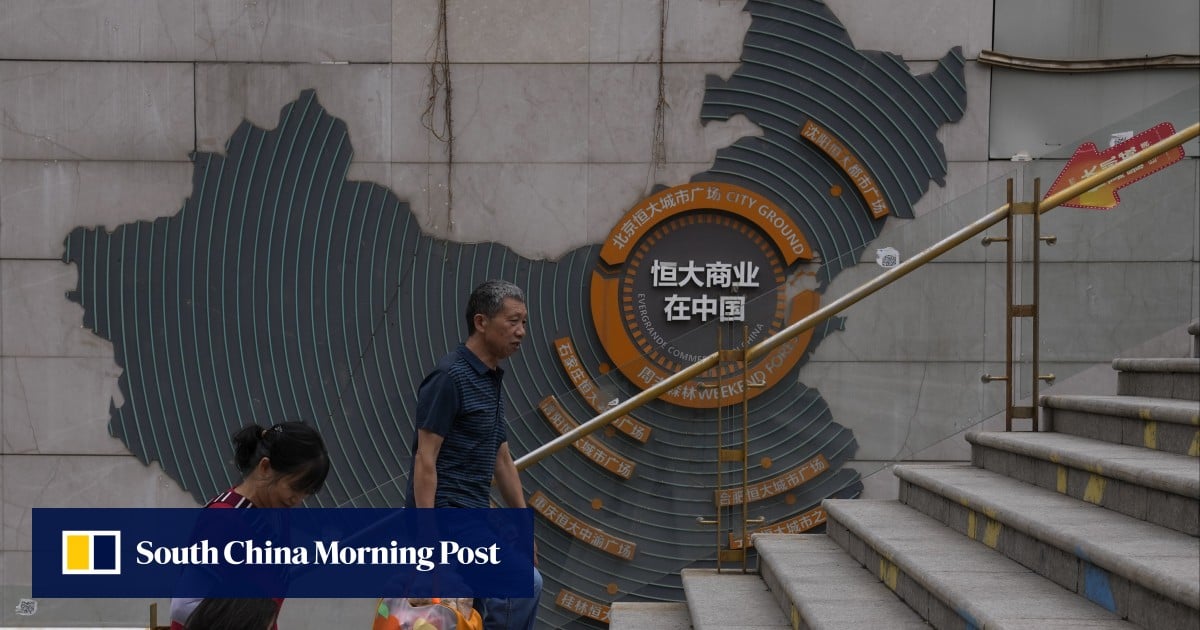
Hong Kong stocks, including the Hang Seng Index and Hang Seng Tech Index, fell as concerns grew over China's property sector after China Evergrande Group, the world's most indebted developer, cancelled creditor meetings, signaling potential setbacks in its debt restructuring plans. Property stocks led the decline, with Country Garden Services Holdings and Longfor Group among the decliners. E-commerce platform JD.com and Tencent Holdings also saw drops. The cancellation of creditor meetings and poor sales have raised worries about China's property crisis and its impact on the economy. The property sector accounted for 6.1% of China's economy last year, and industries linked to real estate contribute to about a quarter of the economy.