Japan and Australia announced expanded defense cooperation that will allow Japan to test hypersonic missiles on Australian soil and codevelop a laser system called Boobook to detect threats, with Australia granting Japan access to its missile ranges for the next decade as part of broader security ties amid regional tensions.
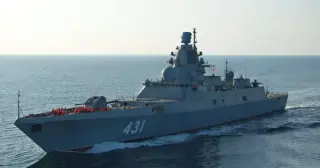
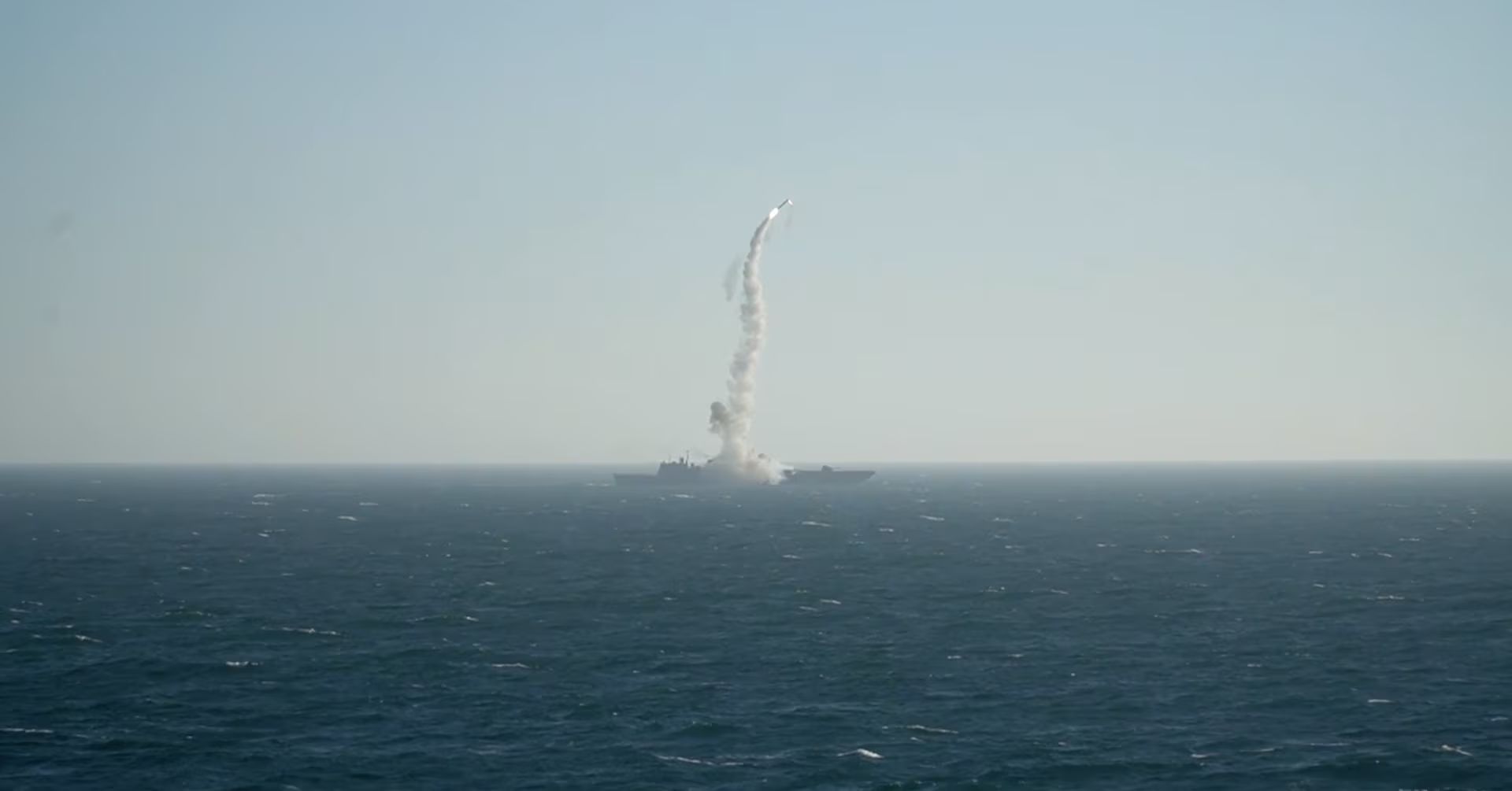
Russia deployed the Admiral Kasatonov frigate off Fehmarn in the Baltic Sea, marking the second Russian warship spotted in the area recently. The 2020s-era Project 22350 vessel, capable of carrying Zircon hypersonic missiles, was observed with its transponder off, amid Moscow’s threats to respond to Western actions against Russia-linked ships. The sighting heightens nerves along NATO’s eastern flank, though the specific munitions aboard this voyage were not disclosed.
Beijing is expanding law‑enforcement and research activity east of Taiwan, effectively treating the area as PRC near‑shore waters to erode Taiwanese sovereignty and broaden power projection; it also showcases hypersonic capability with the DF‑17/DF‑ZF and signals deeper long‑range carrier operations from Liaoning. At the same time, China deepens military ties with Russia, conducts joint drills with Japan and the US, and pursues information operations and suspected election interference aimed at Taiwan. Taiwan responds with combat-readiness drills ahead of Han Kuang, while Scarborough Shoal disputes persist and Cuban SIGINT monitoring draws attention, all set against a Chinese UN governance white paper and export controls intended to strengthen Beijing’s global leverage.
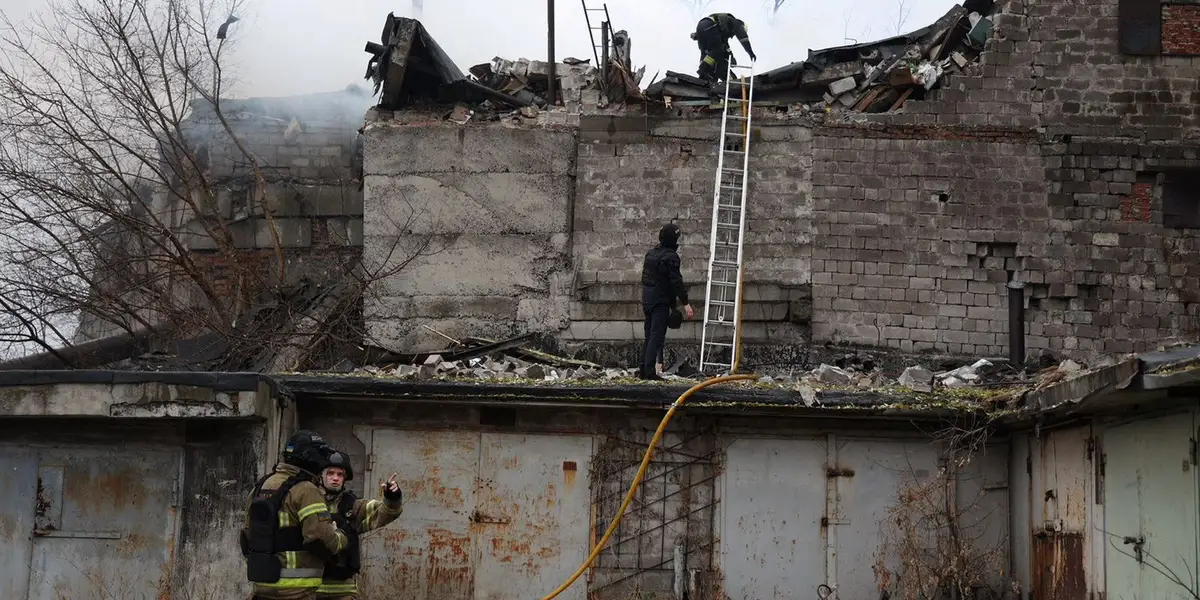
Russia intensified its aerial campaign against Ukraine, deploying drones and a surge of missiles—including eight Zircon hypersonic weapons—while ground forces struggle to gain territory; 41 ballistic missiles were launched in a single day with many hitting targets in Kyiv and other cities. Ukraine reports limited interceptor stocks and appeals for more Patriot missiles as analysts say Moscow aims to overwhelm defenses and pressure Kyiv politically.
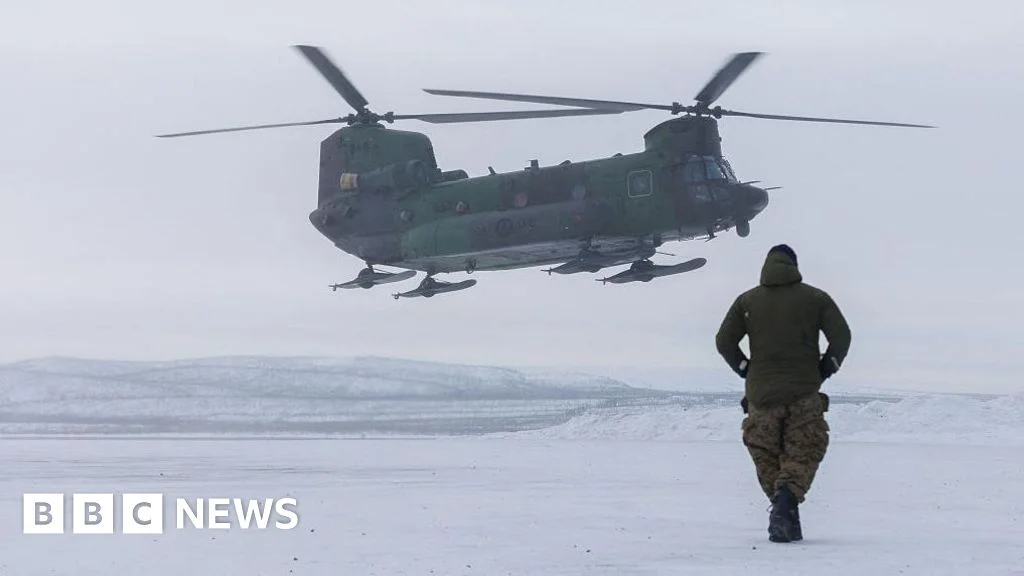
Canada is boosting its Arctic defenses with more boots on the ground, upgraded radars, submarines and aircraft to deter Russia and reassure allies as the US focuses on Greenland and the Golden Dome missile-defense plan. Experts warn that current radar systems may be inadequate against hypersonic missiles and call for space-based sensors and over-the-horizon radar, all while logistical challenges and a tense but functional US–Canada security relationship shape the path forward.
GE Aerospace and Lockheed Martin demonstrated a liquid-fueled rotating detonation ramjet in tests, showing potential for faster, farther missiles with lower production costs. The compact ramjet combines GE’s rotating detonation combustor with Lockheed Martin’s high-speed inlet, and tests at GE’s Niskayuna center validated ignition and cruise operation. The companies plan further maturation of the propulsion system in 2026.
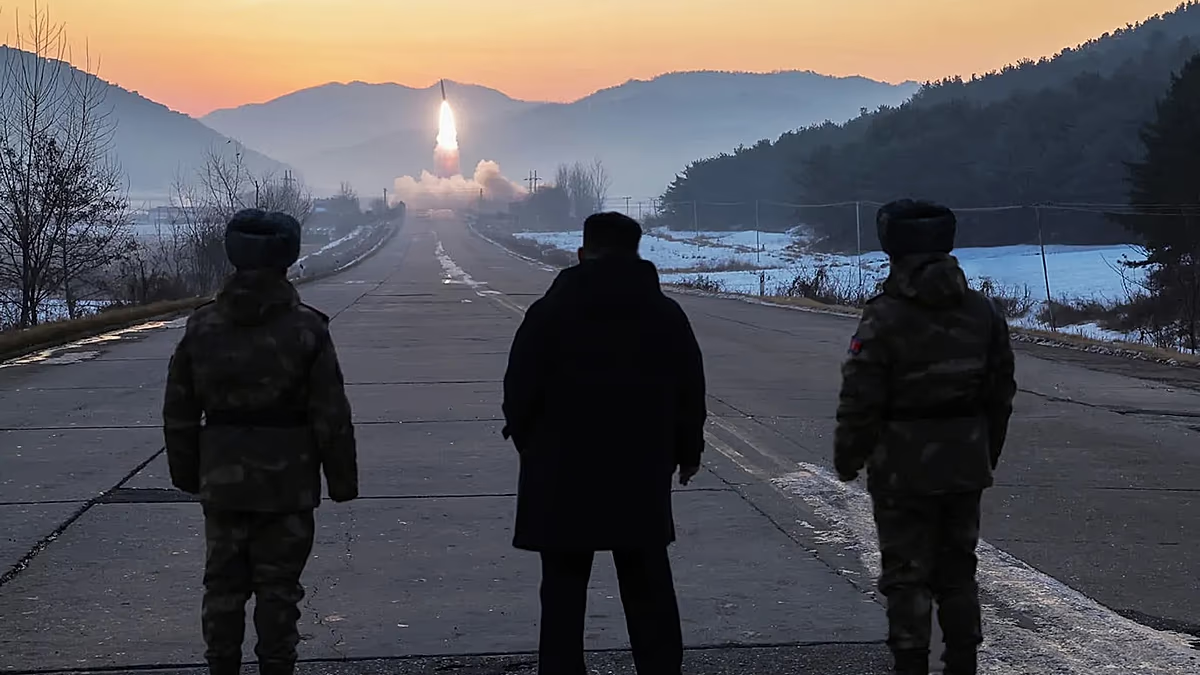
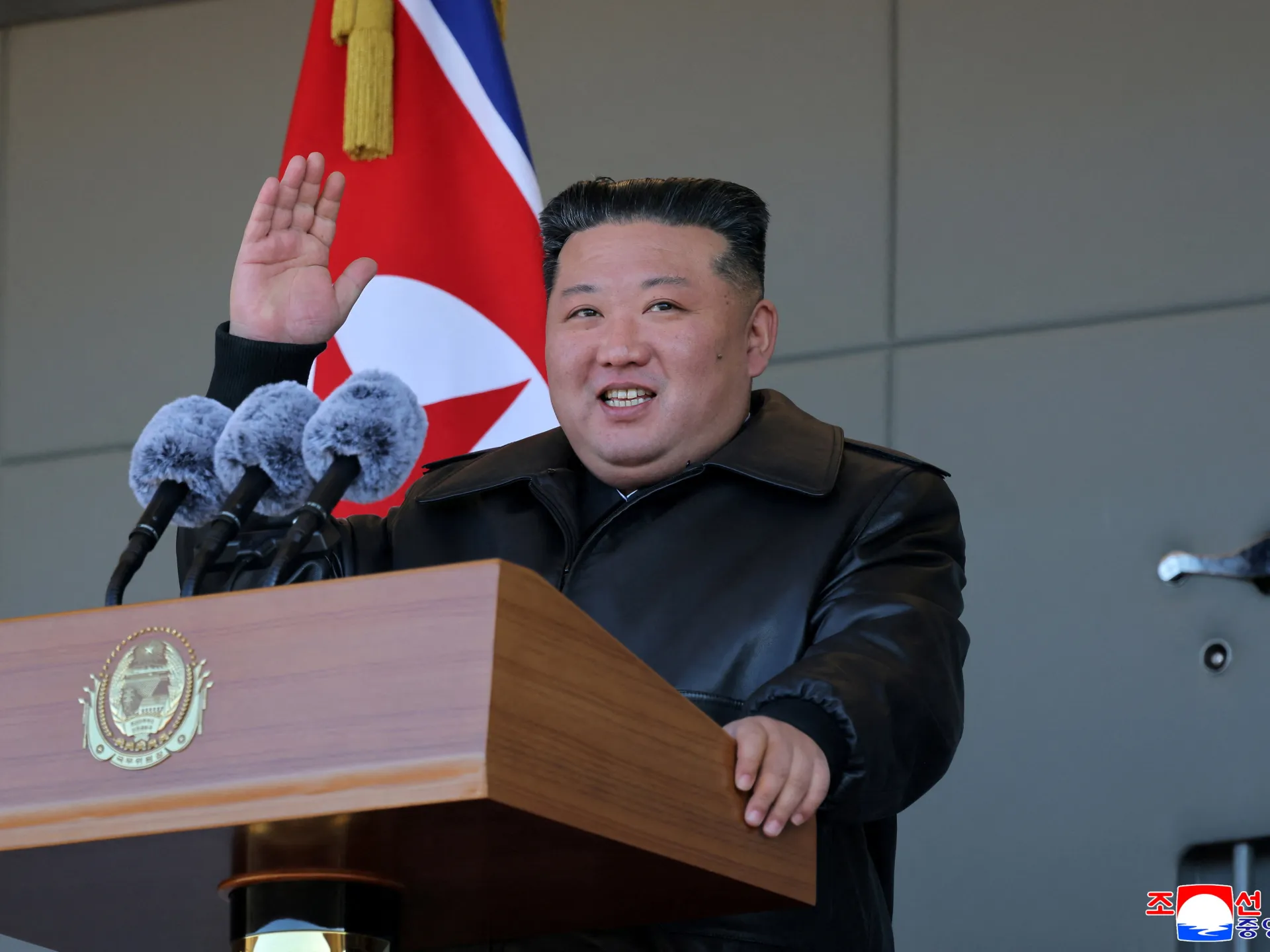
North Korea conducted hypersonic missile tests observed by Kim Jong-un, emphasizing the need to strengthen its nuclear deterrent amid regional tensions and upcoming political events, with recent tests and military advancements signaling a focus on enhancing missile capabilities.
North Korean leader Kim Jong Un has overseen hypersonic missile tests amid heightened tensions and recent geopolitical crises, emphasizing the need to strengthen the country's nuclear deterrent. The tests, which involved missiles hitting targets about 1,000 km away, are seen as a response to US actions in Venezuela and aim to demonstrate North Korea's military capabilities, potentially complicating US-South Korea missile defense systems.
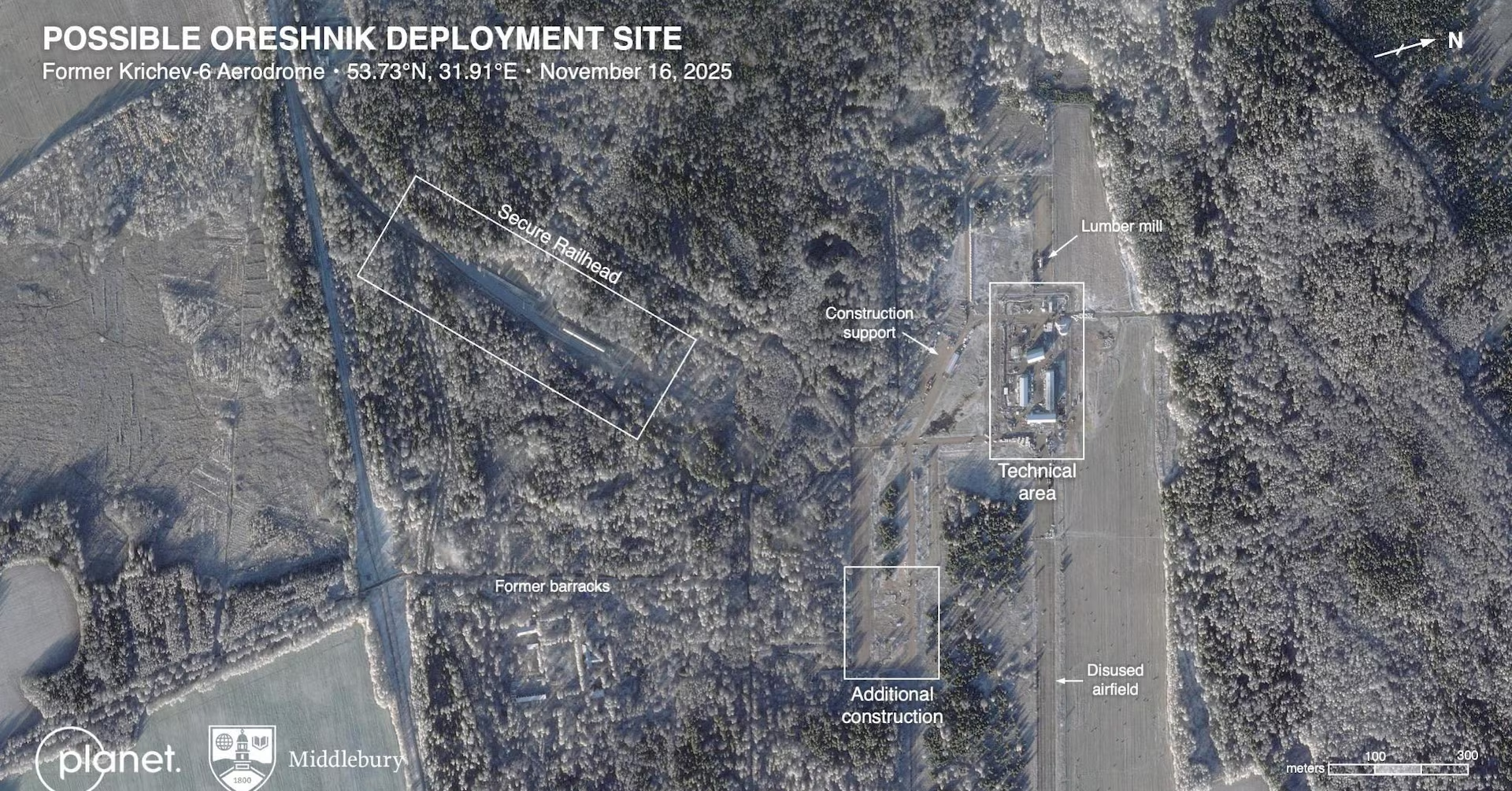
Russia is likely deploying new nuclear-capable hypersonic missiles at a former airbase in Belarus, enhancing its ability to strike Europe and signaling a strategic shift outside its territory, according to satellite imagery and U.S. researchers, aligning with U.S. intelligence assessments.
President Trump announced the development of a new class of battleships, the Trump class, designed to be the most powerful surface combatants in history, featuring advanced weaponry including hypersonic missiles, and serving as a central element of the Navy’s strategic dominance and modernization efforts.
The U.S. Space Force awarded $1.6 billion in contracts to Rocket Lab and Northrop Grumman to build 36 satellites for missile warning and tracking, focusing on hypersonic missile threats, marking significant growth for Rocket Lab as it transitions into a major space contractor.
Russia demonstrated its military capabilities during joint exercises with Belarus by launching a Zircon hypersonic missile and conducting strikes with Sukoi Su-34 fighters, emphasizing its strategic defense readiness amid regional tensions.
Russia is increasing production of the Oreshnik hypersonic missile, capable of reaching Europe and the US, with Putin claiming it is nearly impossible to intercept. The missile was first used against Ukraine, and Putin has proposed a missile duel with the US to demonstrate its superiority. Experts suggest the missile's practical impact may be limited, but it emphasizes the need for enhanced missile defenses.
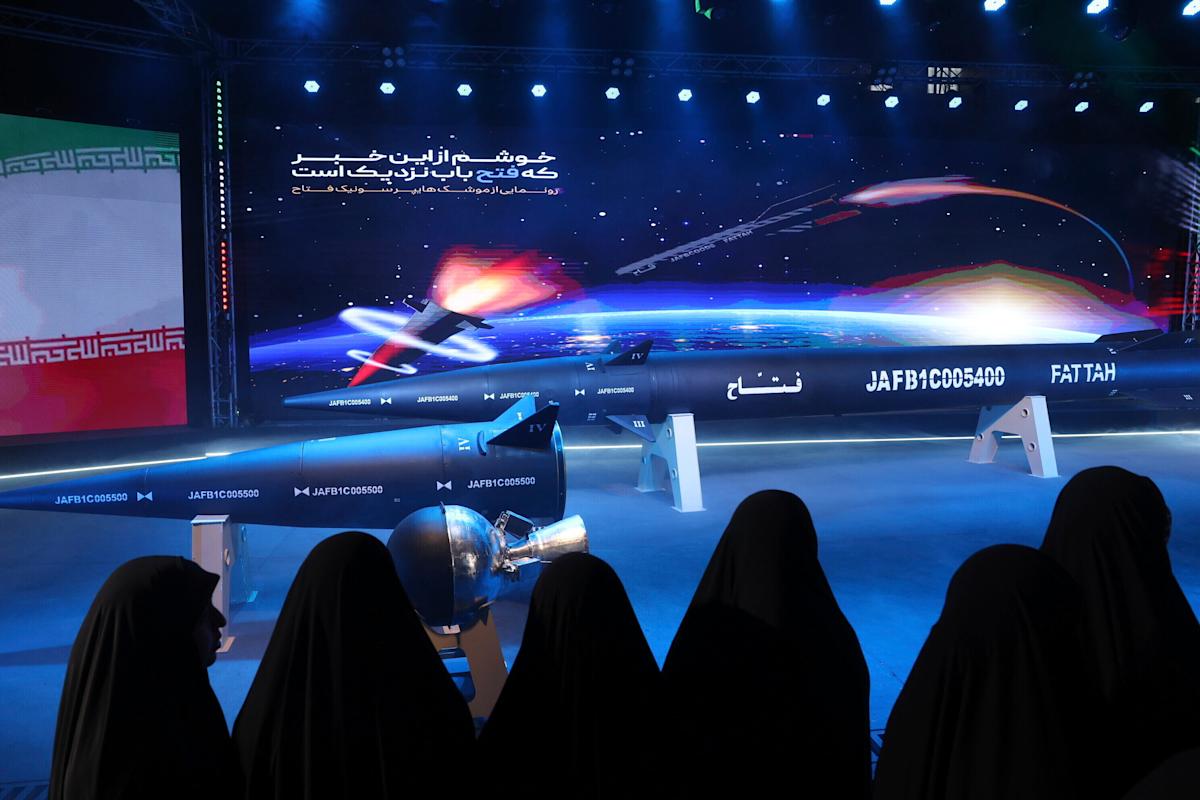
Iran claims to have fired hypersonic missiles at Israel, but experts are skeptical about the authenticity of these claims and the capabilities of Iran's missile technology. Hypersonic missiles, which travel faster than Mach 5 and are highly maneuverable, pose a significant challenge to missile defense systems, but currently only the US and China have developed advanced hypersonic weapons. Russia has claimed to use hypersonic missiles in Ukraine, though experts debate their true capabilities. The development and deployment of hypersonic weapons continue to influence global military dynamics and security concerns.