Defaults in the private credit market have reached a record level as higher interest rates weigh on borrowers, signaling increased distress for private debt borrowers and potential ripple effects for lenders and private funds.
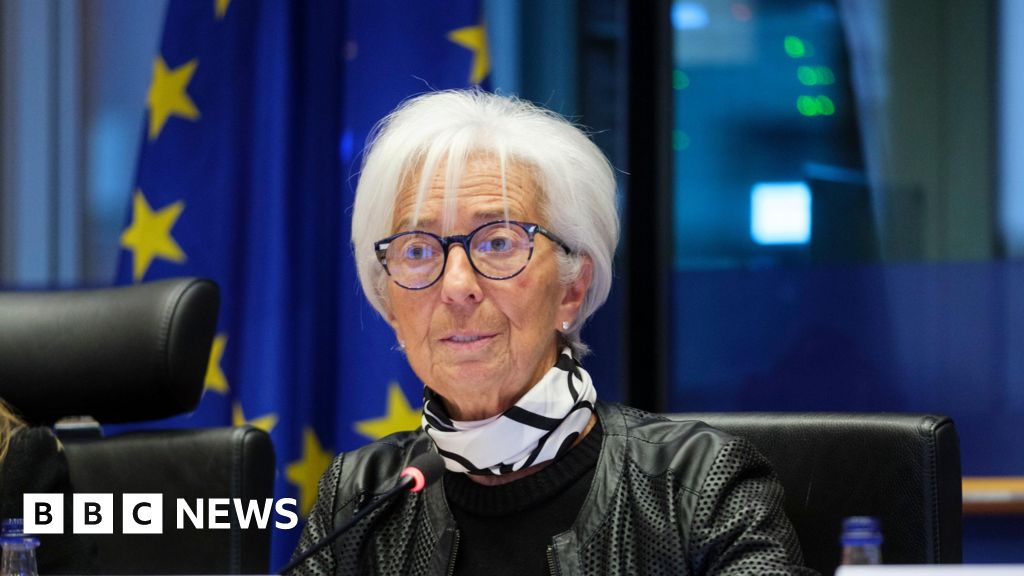
The European economy faces challenges as the European Central Bank (ECB) cuts interest rates to 3% amid slowing growth forecasts, with the eurozone's growth outlook reduced to 1.1% for next year. Germany's economic model is under pressure, while France's political landscape complicates governance. Despite some positive signs in Spain and other former crisis countries, Europe must address structural underperformance compared to the US. The looming Trump presidency adds uncertainty, with potential tariffs impacting trade.
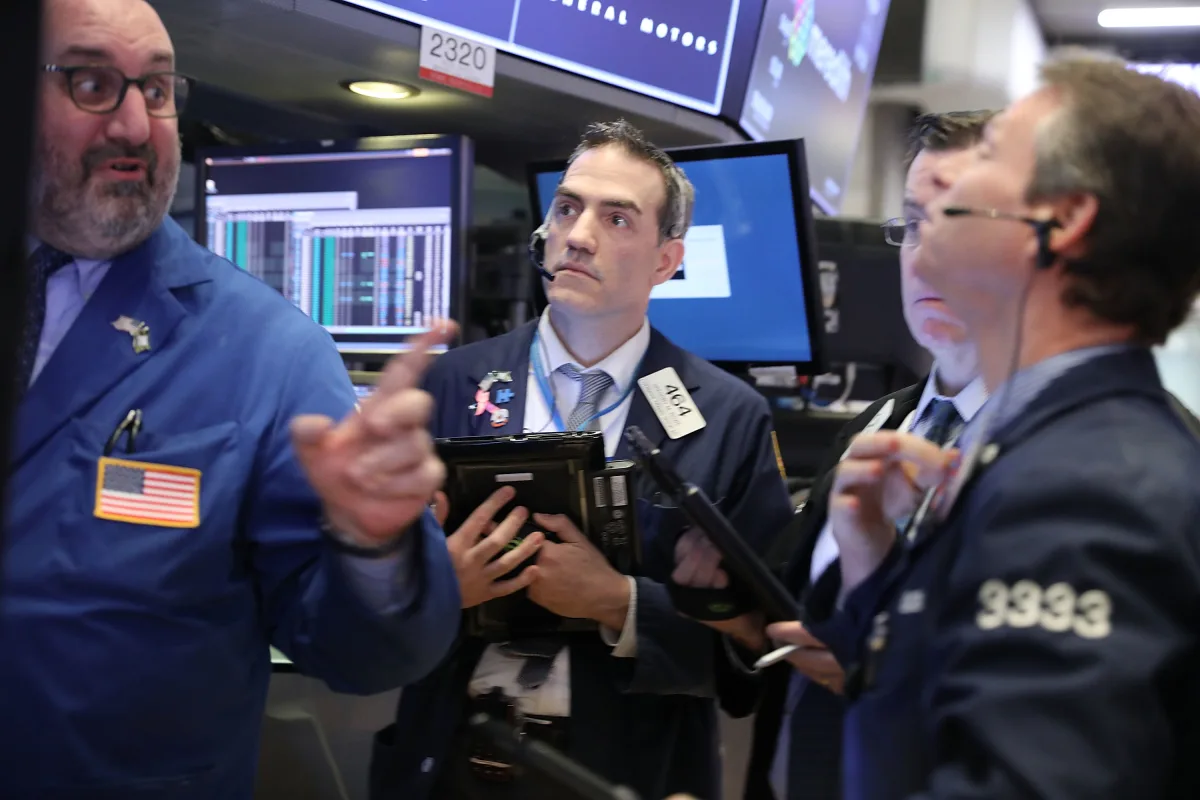
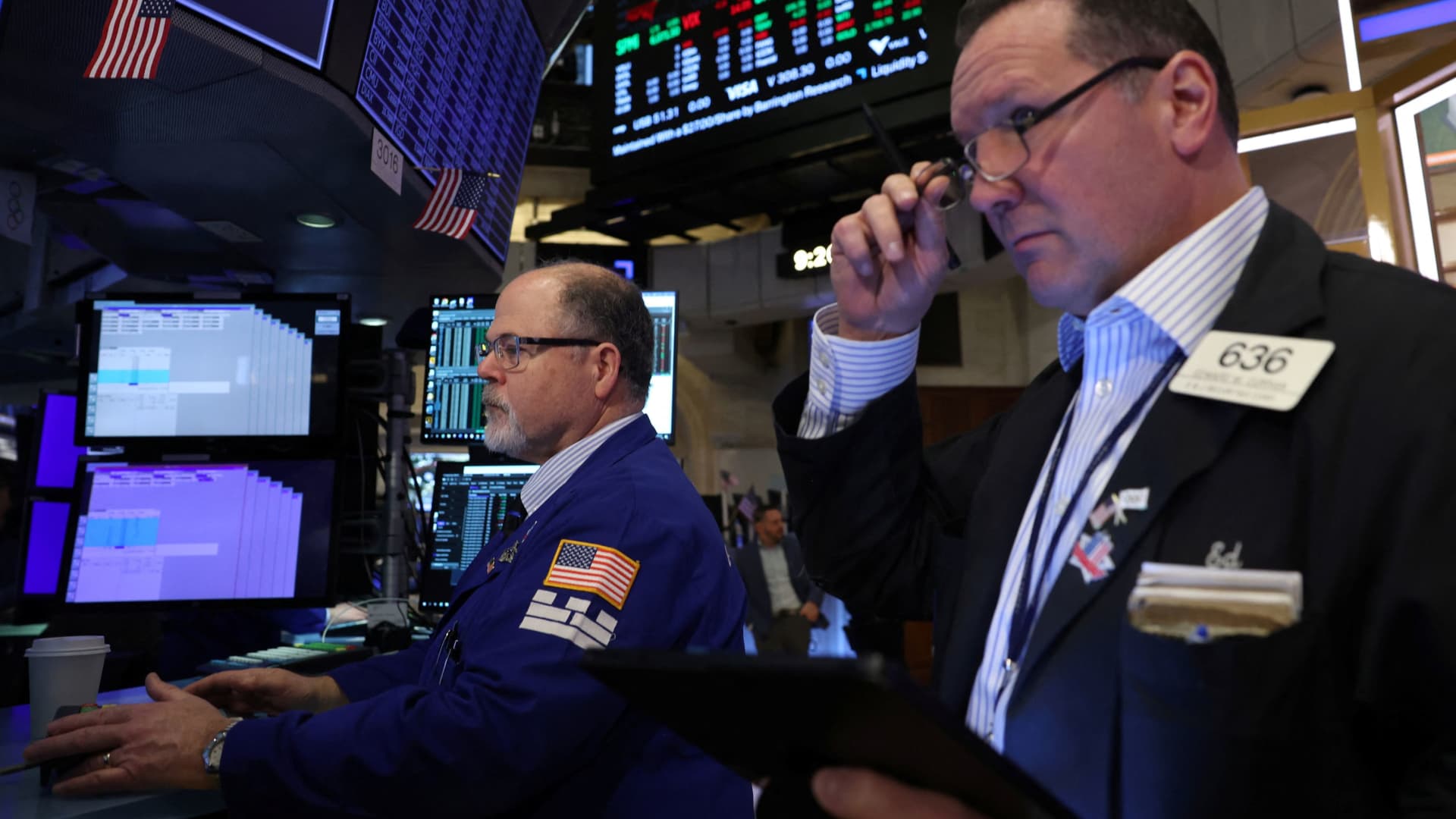
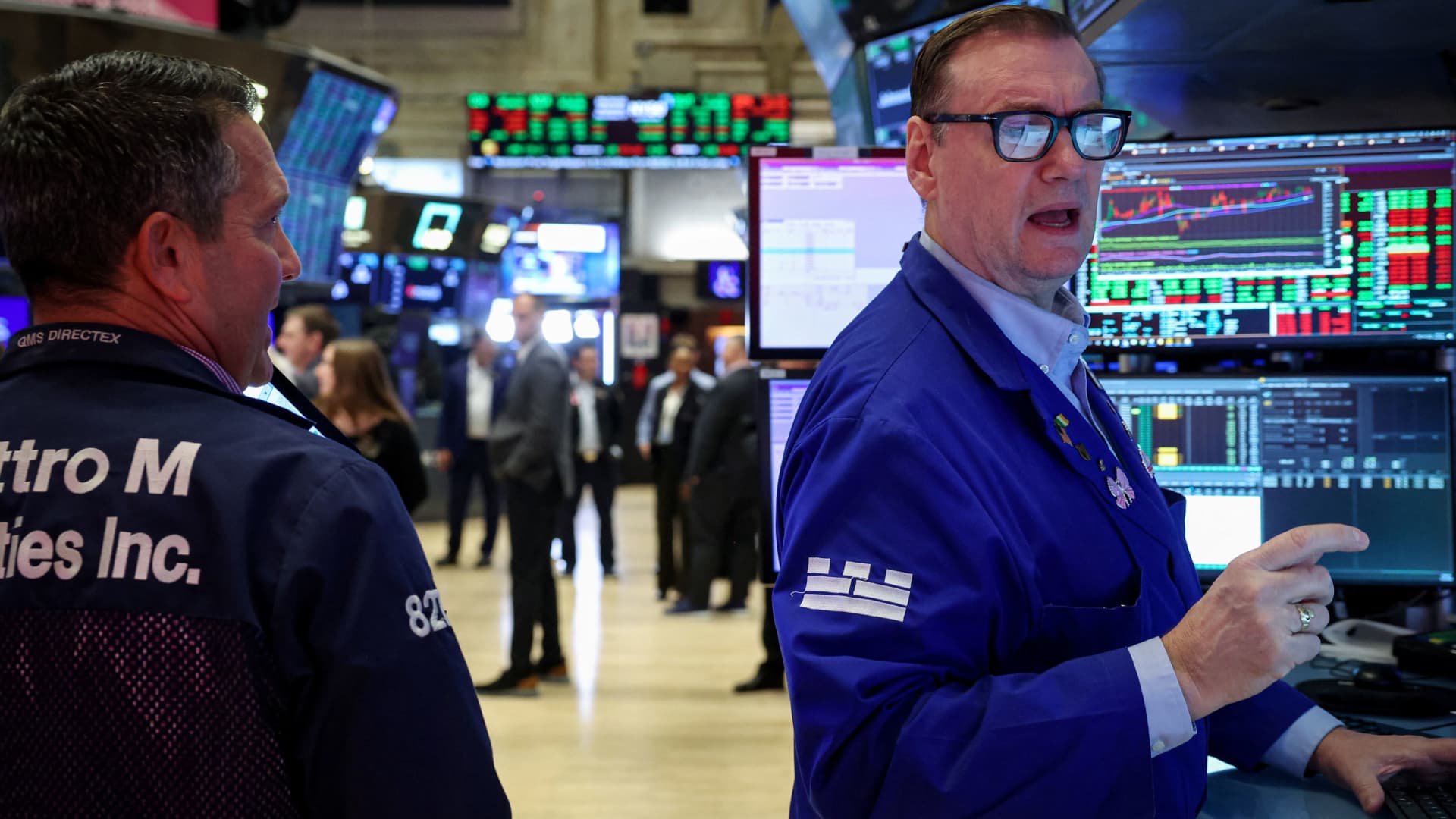
The stock market experienced a downturn as the S&P 500, Nasdaq, and Dow Jones all fell, driven by concerns over inflation and interest rate decisions. Despite a record high for Apple, Adobe's weak revenue forecast and Nvidia's decline contributed to the negative sentiment. The producer price index rose more than expected, complicating the Federal Reserve's potential rate cut decision. Meanwhile, mortgage rates fell for the third week, and YouTube TV announced a price increase. Bitcoin remained above $101,000, buoyed by optimism over potential crypto-friendly policies under President-elect Trump.
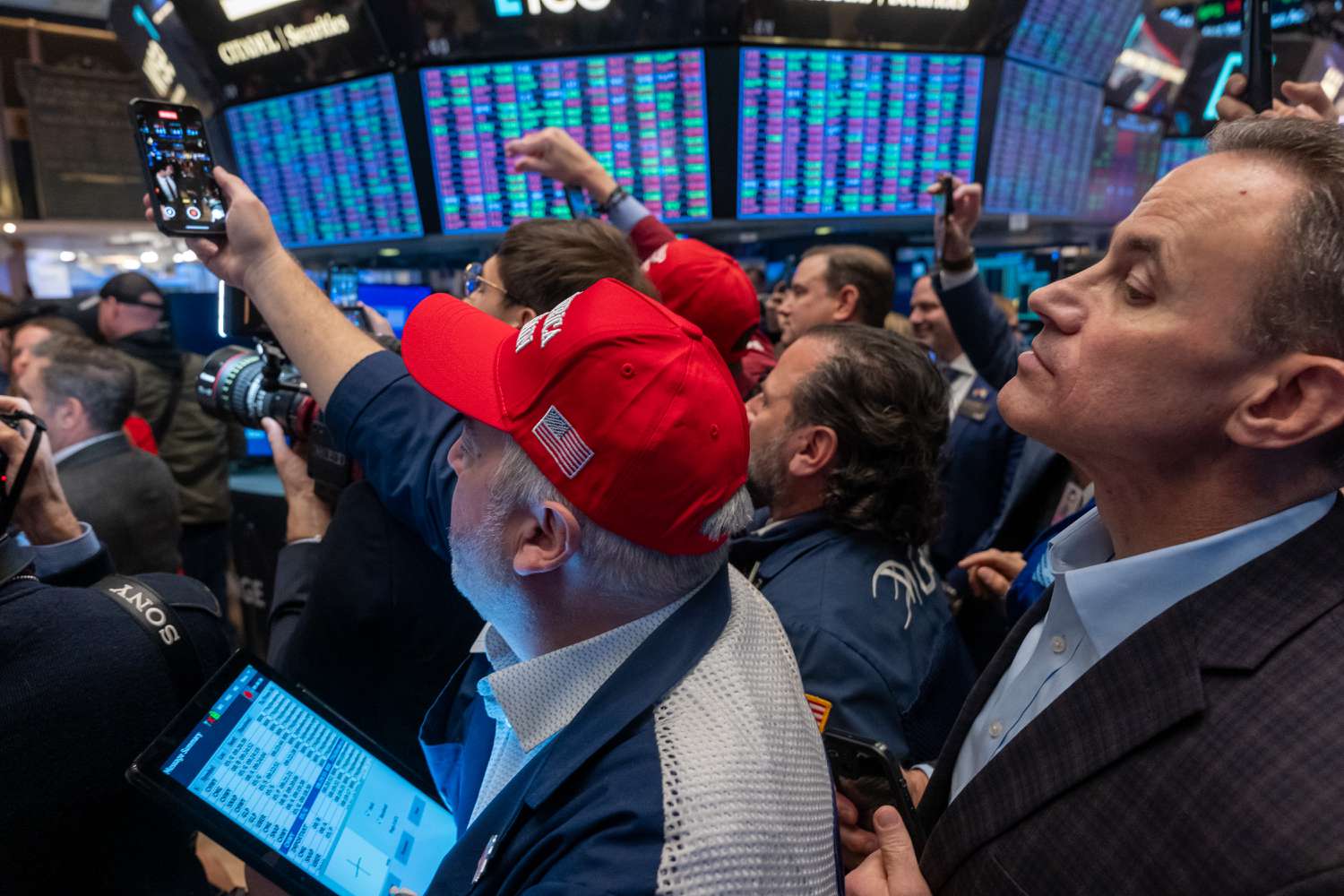
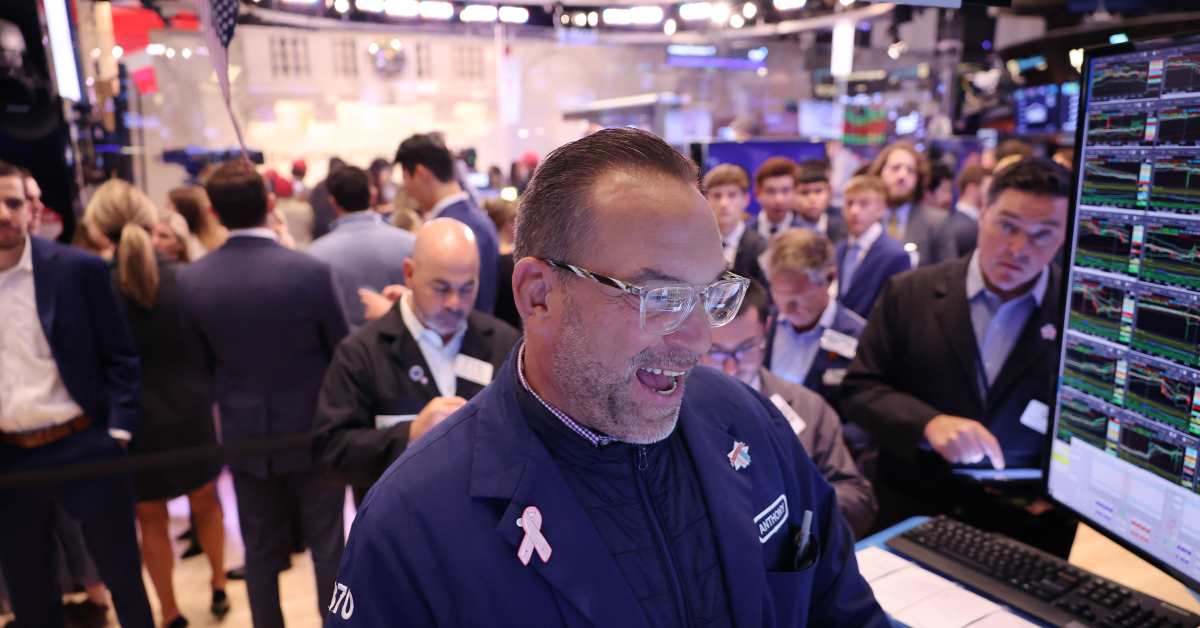
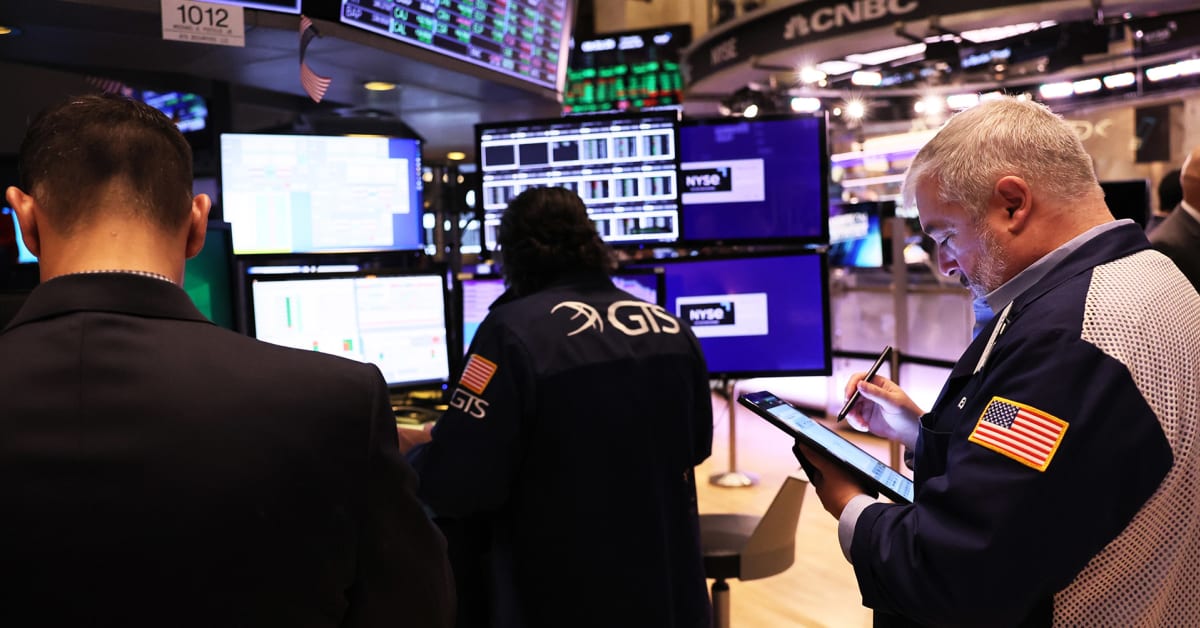
U.S. stocks slipped on Thursday as the market pulled back from record highs, with major indices like the S&P 500, Dow Jones, and Nasdaq Composite all declining. Technology stocks, which had surged the previous day, were mostly lower, with notable declines in Nvidia, Alphabet, and Amazon. Adobe shares fell sharply due to a weak revenue outlook, while Warner Bros. Discovery shares rose on restructuring news. Economic data showed higher-than-expected wholesale inflation and disappointing jobless claims, but did not alter expectations of a Federal Reserve rate cut next week. Meanwhile, Donald Trump made a historic visit to the NYSE, promoting tax cuts and investment in AI.
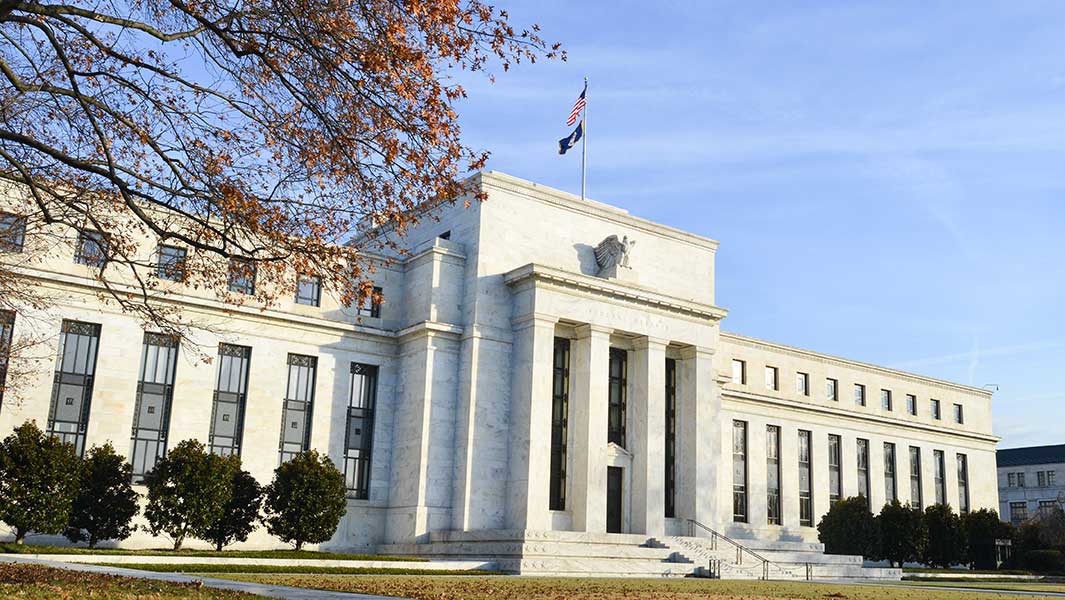
U.S. Treasury yields rose slightly as investors processed recent inflation data and awaited further economic reports, including the producer price index and jobless claims. The 10-year Treasury yield increased by nearly 3 basis points to 4.3%, while the 2-year yield rose over 2 basis points to 4.184%. The recent consumer price index showed a 2.7% annual inflation rate, aligning with expectations. With the Federal Reserve's policy meeting approaching, there's a strong anticipation of a quarter-point rate cut, as traders are nearly certain of this move.
The recent inflation report has not hindered the anticipated year-end 'Santa Claus' rally in the stock market, providing relief to investors. While transportation and shelter costs were significant contributors to inflation, a slight decrease in shelter costs is seen as positive. The Federal Reserve is expected to cut interest rates by 25 basis points next week, but concerns about potential inflation resurgence in 2025 remain.
Stock futures remained largely unchanged as investors await key inflation data, with Dow Jones, S&P 500, and Nasdaq 100 futures showing minimal movement. The upcoming consumer price index (CPI) report is expected to show a 0.3% monthly increase and a 2.7% annual rise, with core CPI anticipated to rise 0.3% monthly and 3.3% annually. This data, along with the producer price index, will be crucial ahead of the Federal Reserve's policy meeting, where there's an 85% chance of an interest rate cut. Investors are also monitoring corporate earnings, including Adobe's results.
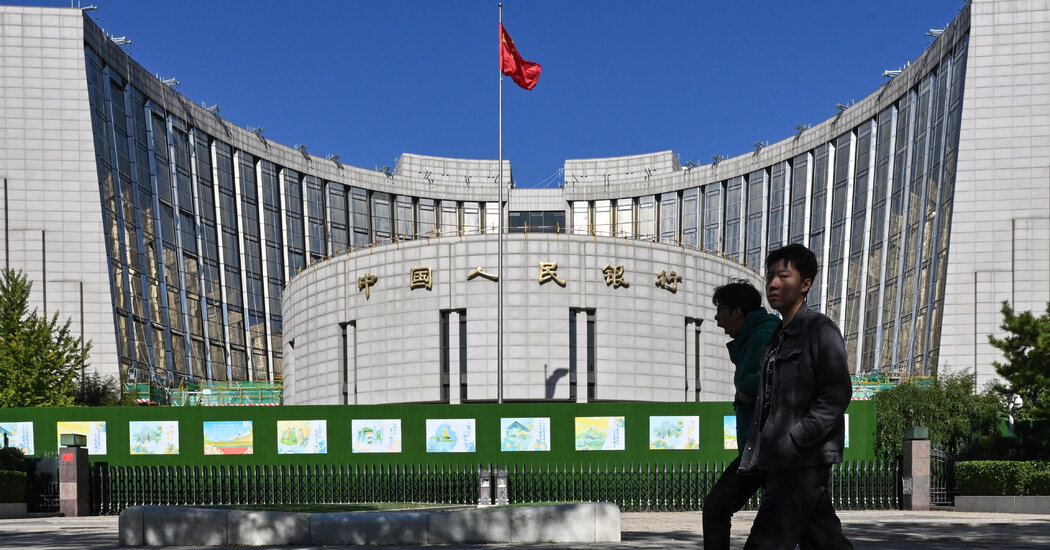
China has eased its overall monetary policy stance for the first time in 14 years, signaling a shift in its economic strategy. This move by the central bank aims to stimulate growth amid global economic uncertainties and domestic challenges. The decision reflects China's efforts to balance economic stability with growth, as it navigates complex financial landscapes.
The November jobs report showed a rebound in payroll gains, with 227,000 jobs added, despite a slight increase in the unemployment rate to 4.2%. This data supports expectations for a Federal Reserve rate cut on December 18, with market odds for the cut rising to 89%. The S&P 500 futures rose slightly, indicating a stable labor market but not a reacceleration. The Fed is likely to pause further rate cuts after December, as inflation remains a concern.
Wall Street is experiencing a bullish trend with record highs in major indexes like the S&P 500, Dow Jones, and Nasdaq, driven by stable interest rates, a business-friendly administration, and falling inflation. The upcoming jobs report, expected to show significant job growth, is a key event that could influence market sentiment. Despite potential risks reminiscent of past financial bubbles, analysts remain optimistic about continued market gains into 2025, with some predicting the S&P 500 could reach 7,000. Meanwhile, earnings reports from major companies like Salesforce and Kroger could also impact market movements.
The 10-year Treasury yield fell to its lowest level since late October, dropping to 4.219% on a holiday-shortened trading day. This decline comes amid a quiet day for U.S. data following Thanksgiving, with the bond market closing early. Earlier in the week, the Federal Reserve's preferred inflation measure rose slightly, and unemployment claims fell, indicating labor market strength. The Fed's meeting minutes suggested a gradual lowering of interest rates if economic conditions remain stable, though potential tariff hikes by President-elect Trump could impact inflation and Fed policy decisions.
Stocks ended lower on Wednesday as investors reacted to persistent inflation data and economic indicators ahead of the Thanksgiving holiday. The Dow, S&P 500, and Nasdaq all saw declines, with the Nasdaq leading the losses. Despite a slight increase in the 10-year Treasury yield, the market remained relatively stable, reflecting mixed reactions to the PCE Price Index report. The Federal Reserve's cautious approach to interest rate cuts continues amid solid consumer spending and a resilient labor market, though inflation remains a concern.
Treasury yields fell as the personal consumption expenditures price index, a key inflation measure, met expectations, with the 10-year yield dropping to 4.27%. The data suggests no immediate change in the Federal Reserve's monetary policy, with a gradual approach to rate cuts anticipated. Initial jobless claims also fell, indicating a tight labor market. Traders are largely expecting a rate cut in December, while President-elect Trump's Treasury secretary pick, Scott Bessent, is seen as a stabilizing choice for markets.
The 10-year Treasury yield decreased slightly as investors evaluated mixed economic data and the U.S. economic outlook. While PMI surveys showed improvement, consumer sentiment fell short of expectations. Initial jobless claims were lower than anticipated, indicating a stable labor market, but other data, like rising continuing claims and a slowing Philadelphia Fed manufacturing index, suggested economic weakness. Investors also considered Federal Reserve officials' comments on potential interest rate cuts, with differing views on the pace of future reductions.
Federal Reserve Governor Michelle Bowman warned that inflation remains a concern and suggested that interest rates might be closer to a neutral level than currently thought. She emphasized caution in lowering rates to avoid reigniting inflation. Despite some cooling, inflation progress has stalled, and the labor market remains strong. Bowman noted that the neutral policy rate might be higher than pre-pandemic estimates, advocating for a cautious approach to rate adjustments. Her comments have reduced market expectations for a December rate cut.